

When we talk about the transition to electric vehicles, the conversation almost always points toward battery chemistry, kilowatt-hours, and how quickly we can juice up at a motorway service station. But there is a much larger, silent revolution happening right outside our windows. It is the air we breathe. For years, the green motoring transition has been framed as a battle to reduce carbon dioxide, but the immediate, local health benefits of eliminating tailpipe emissions are becoming impossible to ignore.
The Staggering Human Cost of Diesel and Petrol
According to a groundbreaking study reported by Ars Technica, if the United States were to transition to 100% electric vehicles by 2040, it would save more than 100,000 lives. While that study focused on the US, the science translates globally. The most striking revelation is that the majority of these saved lives wouldn't actually come from passenger cars, but from electrifying heavy-duty trucks and buses that burn diesel. These commercial workhorses rumble through our urban centres daily, pumping out particulate matter and nitrogen oxides (NOx) directly into our lungs.
As an EV specialist, I often hear from drivers who feel that their individual choice to buy a zero-emission hatchback is just a drop in the ocean. But when we look at the macro picture, every single ICE vehicle we replace with a sustainable alternative chips away at a major public health crisis. If you're considering making the switch to an electric vehicle, you aren't just saving on fuel and maintenance; you are actively contributing to a future-proof transport ecosystem that keeps your local community out of hospital wards. This fundamental shift underscores the true value of the EV transition, which is measured in human lives.
The Market Momentum: Tesla's Surge and High-End Tech
Fortunately, the momentum is building. Despite a rocky start to the year for global EV sales, Ars Technica recently reported that Tesla's sales increased by 25% in Q2 2026, with deliveries outstripping production. This indicates that consumer appetite for cutting-edge electric cars remains incredibly resilient as inventory clears.
At the same time, we're seeing premium manufacturers prove that eco-friendly motoring doesn't mean sacrificing luxury or performance. Bentley has officially teased its very first EV, the Torcal, set for a late September reveal. When brands of this calibre commit heavily to zero-emission drivetrains, it sends a clear signal to the rest of the automotive industry: the era of the combustion engine is drawing to a close, from budget hatchbacks to ultra-luxury cruisers, marking a new chapter in future EV design and innovation.
Overcoming the Infrastructure Bottlenecks
However, we must remain realistic about the current hurdles. In the UK, the pace of the transition is heavily dependent on our charging infrastructure. A market report from Barbour ABI highlights that while the desire for rapid rollout is there, the UK EV charging market experienced a strategic scale-up slowdown. This was largely due to bureaucratic delays in securing substation upgrades from District Network Operators (DNOs) and slow distribution of the government's LEVI (Local Electric Vehicle Infrastructure) fund to local councils.
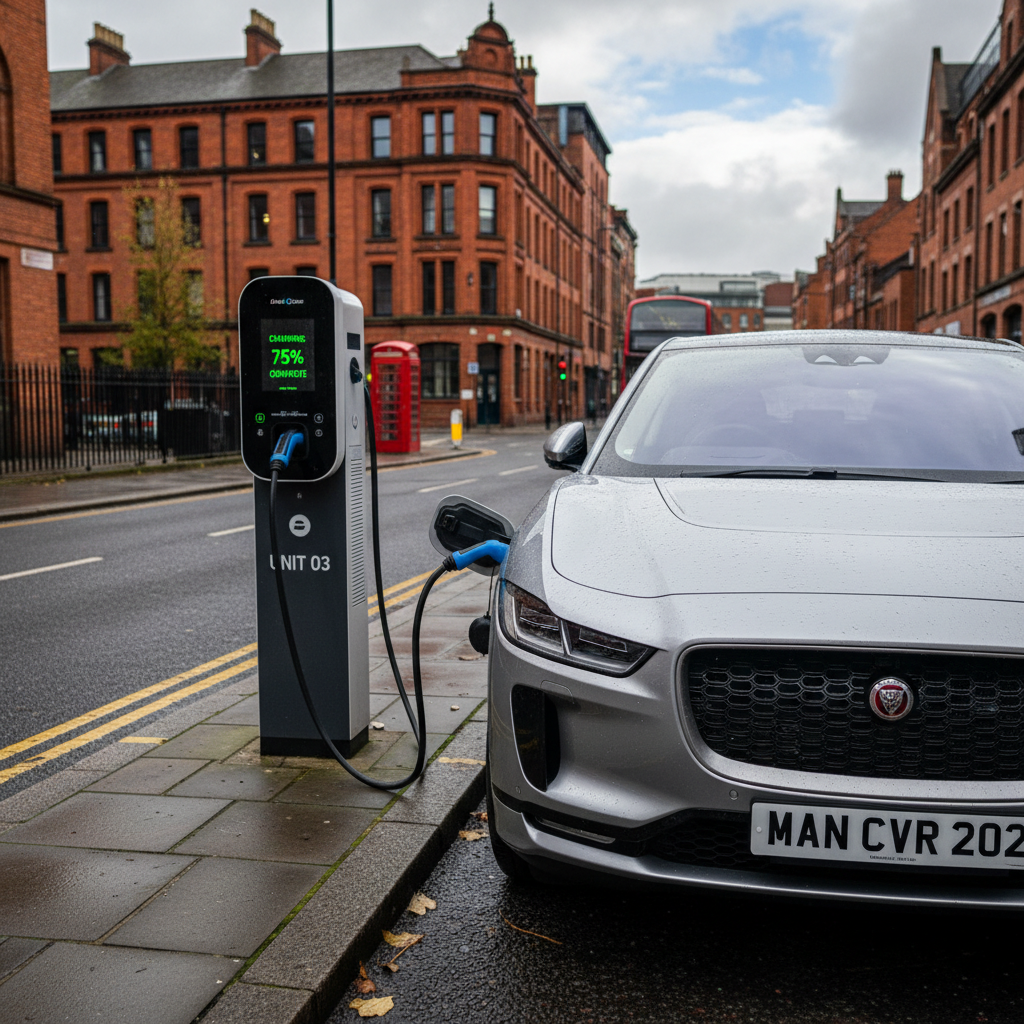
For everyday drivers, this bureaucracy translates to a frustratingly slow rollout of on-street chargers. If you don't have a driveway, charging anxiety is still a very real barrier. We don't just need more chargers; we need a streamlined grid connection process to ensure that the infrastructure can keep pace with rising EV adoption, particularly for supporting megawatt charging solutions for heavy-duty vehicles.
The Verdict on Green Credentials
The transition to electric motoring is no longer just an environmentalist's hobby; it is a public health necessity. From heavy-duty electric trucks clearing our city air to luxury marques like Bentley embracing a carbon-neutral future, the technology to save thousands of lives is already here. While grid bureaucracy remains a frustrating bottleneck, the sheer momentum of consumer demand and manufacturer innovation suggests that a cleaner, quieter, and healthier world is well within our reach.
Key Takeaways for Future EV Buyers:
- The Health Dividend: Transitioning to 100% EVs could save over 100,000 lives globally by virtually eliminating toxic tailpipe emissions like NOx and particulate matter.
- Heavy-Duty Focus: Electrifying commercial trucks and buses yields the highest immediate impact on urban air quality.
- Market Strength: Tesla's 25% boost in Q2 2026 deliveries shows that consumer demand for high-tech, zero-emission vehicles remains incredibly strong.
- Infrastructure Hurdles: UK grid connection delays and council funding bureaucracy are currently the biggest bottlenecks to widespread public charging access.