

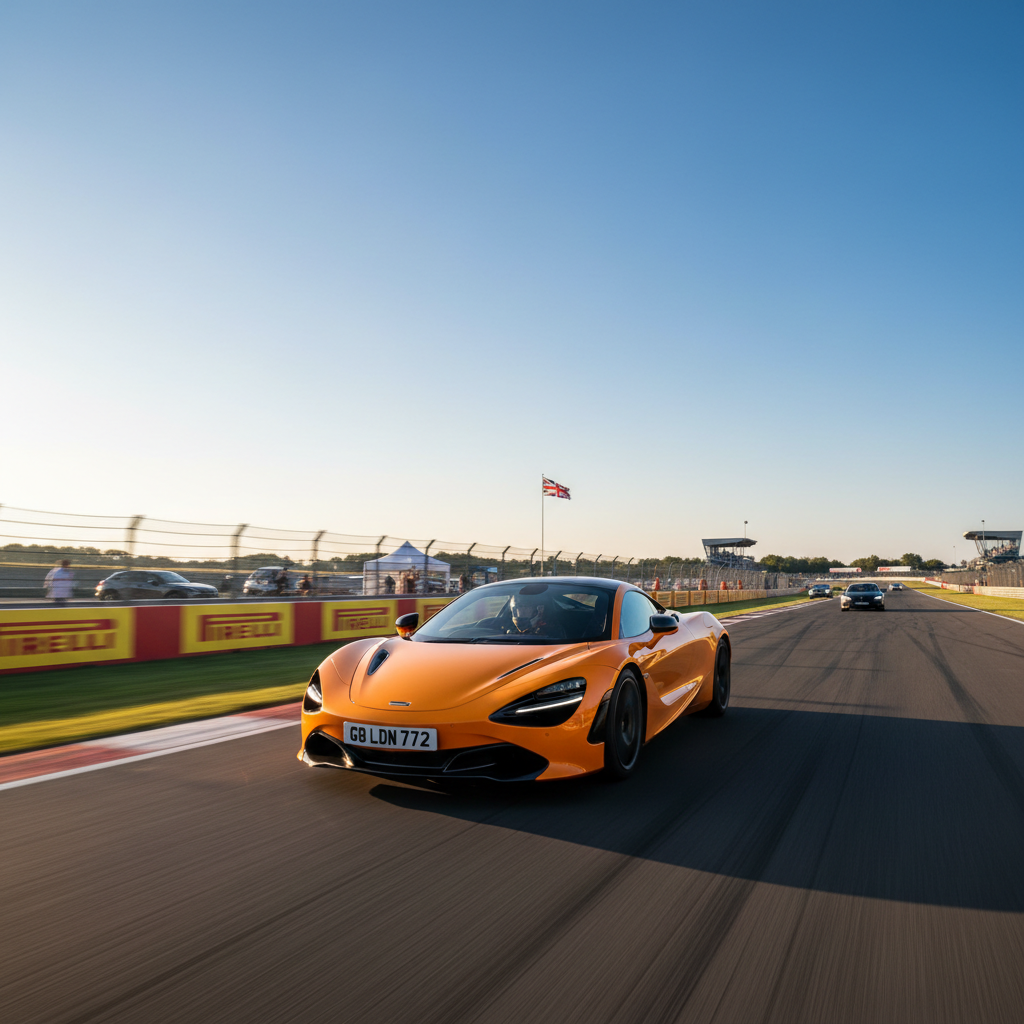
There is a specific, intoxicating moment in a rear-wheel-drive sports car when you feel the weight transfer fully load the rear axle. You have clipped the apex, your hands are beginning to unwind the steering wheel, and your right foot demands immediate, unfiltered drive. In that split second, you do not care about cylinder counts or corporate marketing strategies. You care about traction, rotational slip, and communication through the seat of your pants. Whether you are managing an 870bhp hybrid hypercar at Interlagos or hustling a lightweight roadster down a wet B-road, the physics of fun remain entirely unchanged.
The Italian Rebellion: Abarth 124 Spider
Take the modern lightweight sports car blueprint. For years, the default answer to the question "what should I buy?" has been the Mazda MX-5. But what if you inject a heavy dose of Italian attitude? As highlighted by Autocar, the Abarth 124 Spider presents a fascinating, turbocharged alternative to its Japanese sibling. While the Mazda relies on a high-revving, naturally aspirated 2.0-litre unit, the Abarth utilises a punchy 1.4-litre MultiAir turbo engine producing 168bhp and 184lb ft of torque.
On the road, this completely alters the driving dynamics. Where the MX-5 demands you chase the redline, the Abarth delivers a ballistic midrange surge that hooks up beautifully out of tighter corners. The 0-62mph sprint is dispatched in a responsive 6.8 seconds, but it is the mid-gear flexibility that makes it so engaging. Combined with a stiffer Bilstein suspension setup and a mechanical limited-slip differential as standard, the Abarth 124 is beautifully planted, offering a more aggressive, sharper front-end bite than the standard Mazda. If you live for that perfect apex, the Abarth offers a raw, mechanical feedback loop that modern digital sports cars simply cannot replicate. For more on why pure driving machines resonate, read our piece on the five-star Mazda MX-5.
Lessons in Limit Handling: From Interlagos to the Sachsenring
That same search for ultimate mechanical harmony is what makes top-tier motorsport so utterly compelling. Look at the World Endurance Championship’s recent Six Hours of São Paulo. As reported by Autosport, the battle for Hypercar supremacy came down to a razor-sharp tactical and physical duel between BMW and Ferrari. Kevin Magnussen, Raffaele Marciello, and Dries Vanthoor guided the ballistic #15 BMW M Hybrid V8 to a hard-fought victory over the Ferrari 499P, despite a late-race off-track excursion from Vanthoor that briefly handed the lead to Italian rivals.
At this level, managing weight transfer under braking and ensuring the complex hybrid powertrain deploys its power seamlessly is the difference between winning and spinning. When you are piloting a prototype with over 670bhp, maintaining a planted rear axle through Interlagos' sweeping, high-speed corners requires a chassis tuned to absolute perfection. It was a weekend of redemption for the German team, especially after Cadillac had locked out the front row in qualifying with Will Stevens putting on a masterclass behind the wheel of the Jota V-Series.R.
Meanwhile, on two wheels, the legendary Marc Marquez demonstrated his own masterclass in limit handling at the Sachsenring. According to Autosport reports, Marquez converted a hard-fought pole position into a dominant victory at the German Grand Prix. Despite expressing pessimism before the main event regarding his race pace, Marquez guided his factory Ducati to a clean sweep, proving that when rider and machine are in perfect harmony, the stopwatch simply bends to their will.
The Long Game of Performance Engineering
Building a championship-winning machine or a legendary road car does not happen overnight. It requires patience and a relentless focus on mechanical detail. Audi knows this all too well as they prepare for their official Formula 1 entry. Audi boss Mattia Binotto recently outlined a target of competing for the F1 world championship by 2030, as reported by Autosport. Taking over the Sauber entry is a massive undertaking; currently sitting ninth in the standings with sophomore driver Gabriel Bortoleto scoring their only points, the German marque is playing the long game. It is a stark reminder that even with massive financial backing, engineering the perfect high-performance package is a meticulous, step-by-step process. This pursuit of engineering excellence also defines the creation of a pure driving soul, even when it beats F1's technical tightrope.
The Verdict: Pure Engagement Wins
Whether we are looking at Audi's multi-million-pound F1 trajectory, a hybrid hypercar sliding through the Senna S, or a used Abarth 124 screaming down a local bypass, the lesson for enthusiasts is clear. Real driving engagement isn't about raw numbers on a spec sheet. It is about how a car makes you feel when you push it to the limit. If a chassis cannot communicate, if the power delivery isn't responsive, and if the controls don't make you feel connected to the tarmac, all the horsepower in the world won't save it. This idea is central to why accessible chassis balance trumps fragile hypercar lap times and why a lighter, balanced car can be more engaging than 800bhp and active chassis tech.
Key Takeaways for Enthusiasts
- The Abarth Alternative: The Abarth 124 Spider offers a punchy, turbocharged midrange and a stiffer Bilstein chassis compared to the naturally aspirated Mazda MX-5.
- Chassis Dynamics Matter: BMW’s epic WEC victory in Brazil proved that maintaining chassis composure under pressure is key to securing victory over Ferrari.
- Incremental Progress: Audi’s realistic 2030 F1 title target highlights that building a performance icon takes time, testing, and immense patience.
- The Joy of Simplicity: Lightweight, rear-wheel-drive cars with mechanical limited-slip differentials remain the yardstick for pure driver feedback.