

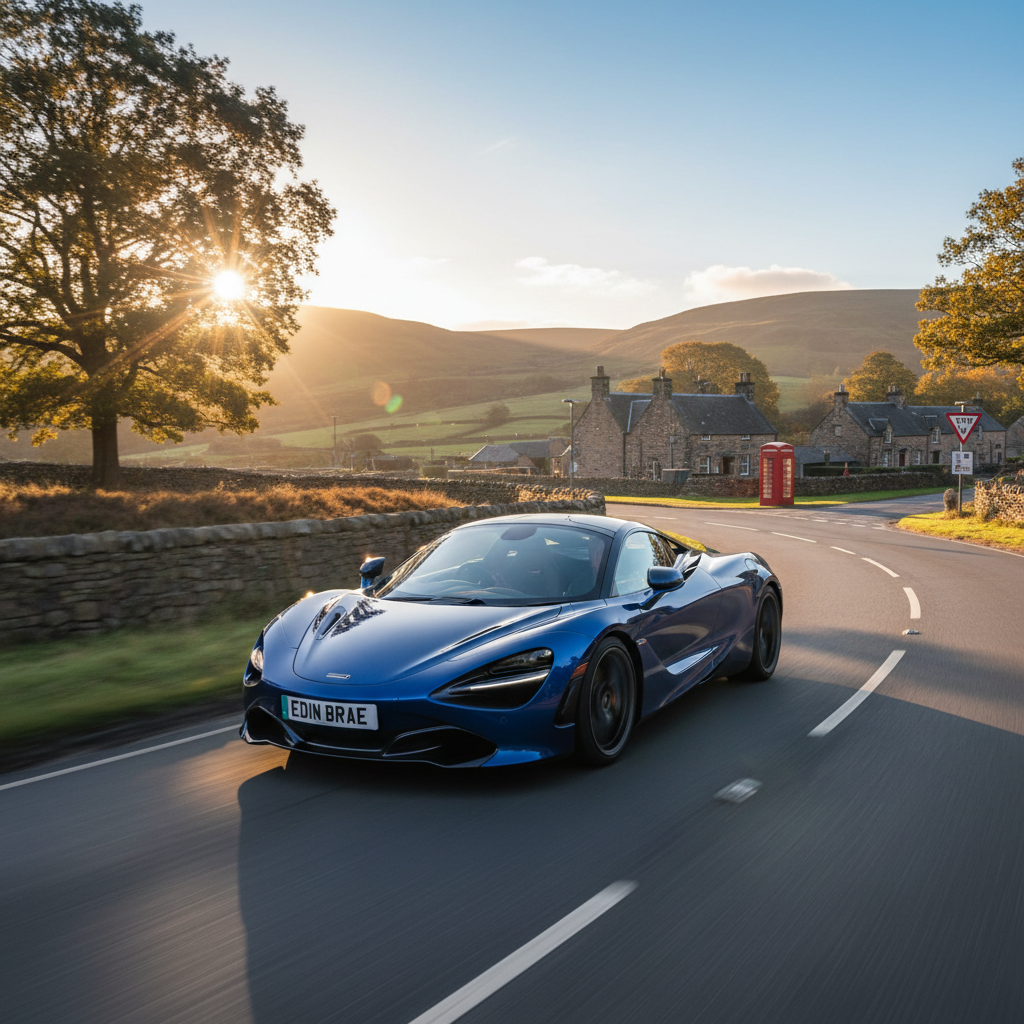
Alright, petrolheads, buckle up! We’re deep into that thrilling, rumour-filled period of the year known as the F1 driver 'silly season'. Autosport.com is buzzing with talk of Verstappen, Mercedes, and Piastri, and the future of the grid. But let's be honest, while the politics and contract negotiations are fascinating, what truly gets our hearts racing is the sheer, unadulterated act of driving, that visceral connection between driver and machine, whether it's a multi-million-pound F1 car or your weekend track weapon. And this year, that connection is being challenged and redefined in some truly exciting ways.
Take Max Verstappen, for instance. Autosport reports he "felt like myself again" at Monaco – a circuit that truly rewards driver skill and precision, where outright power isn't the sole arbiter. That's the essence of performance driving, isn't it? It’s not just about the numbers, but how the car communicates with you, how it dances on the edge of adhesion. It’s about feeling every nuance of the tarmac, every shift in weight distribution through the seat of your pants. When a driver of Verstappen's calibre feels *that* connected, you know it's a special experience.
The Virtual Gearbox: Faking It Till You Make It?
Now, let's talk about something truly innovative that’s reshaping how we perceive driver engagement: the rise of the virtual gearbox in electric sports cars. Autocar.co.uk recently highlighted how simulated sequential 'boxes, pioneered by Hyundai, are becoming the hottest new trend. My previous musings on this have touched on whether 'faking it' can make it better. And honestly, for a driving enthusiast like me, the idea of an EV that can simulate the punchy, responsive gear changes of an internal combustion engine is genuinely exciting. It's not just about raw acceleration – EVs have that in spades – but about that added layer of driver interaction, the satisfaction of perfectly timed shifts that make you feel truly in command. It's about engineering that engagement back into a powertrain that, by its very nature, lacks traditional shift points. Think about it: a 0-60 sprint in a modern EV can be ballistic, but adding a tactile, auditory, and even psychological element of gear changes could elevate the experience to another level, transforming a silent surge into a symphony of simulated power delivery.
Beyond the Track: The Everlasting Appeal of Driving Dynamics
It's not just cutting-edge F1 tech or future EVs pushing the boundaries. The fundamental joy of driving dynamics resonates across the automotive spectrum. Autocar's feature on "The finest cars of Buick" might seem a world away from F1, but it subtly underscores the enduring appeal of cars that simply feel good to drive, regardless of their niche. Even a 1992 V8 Range Rover, as one Autocar owner attests, can provide immense satisfaction with its character and relatively low running costs. It’s about the connection, the inherent goodness of a well-engineered machine. That V8 rumble, the way it responds – that's driving pleasure, pure and simple.
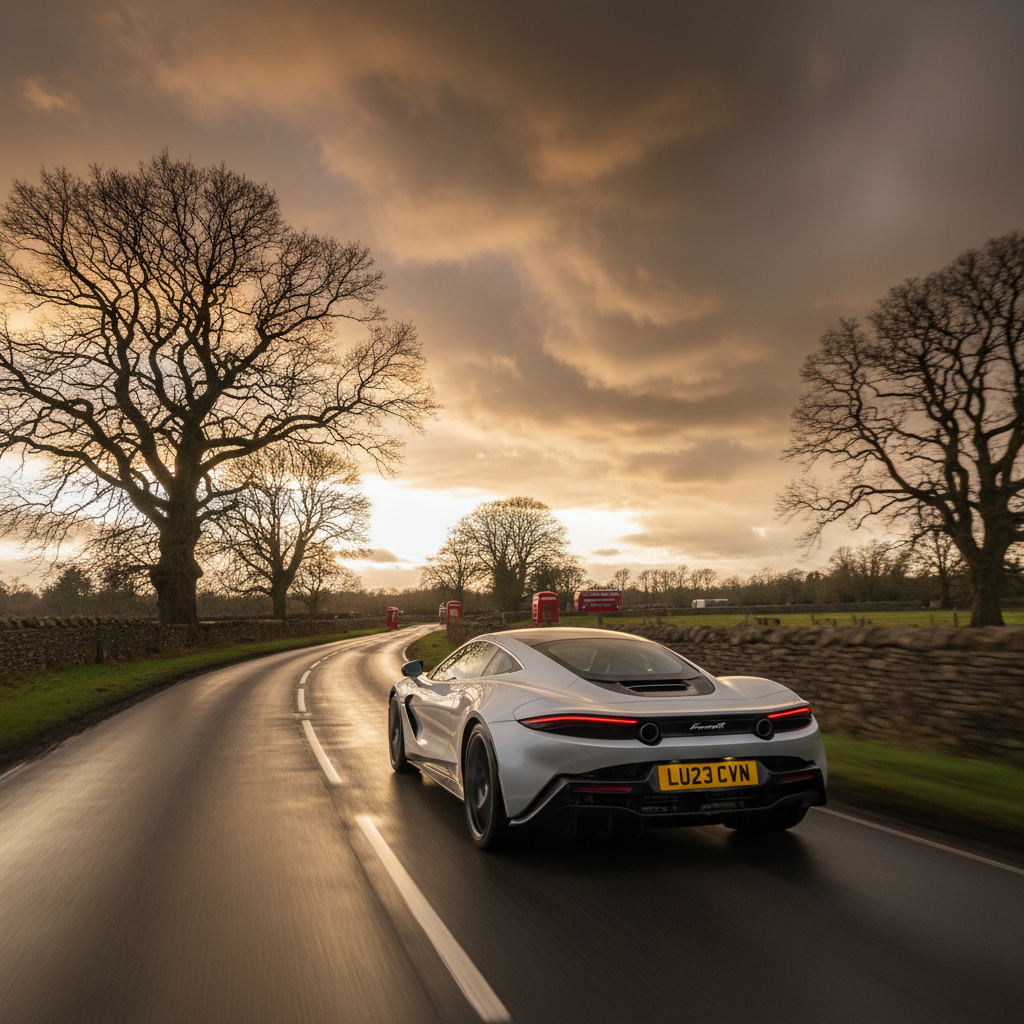
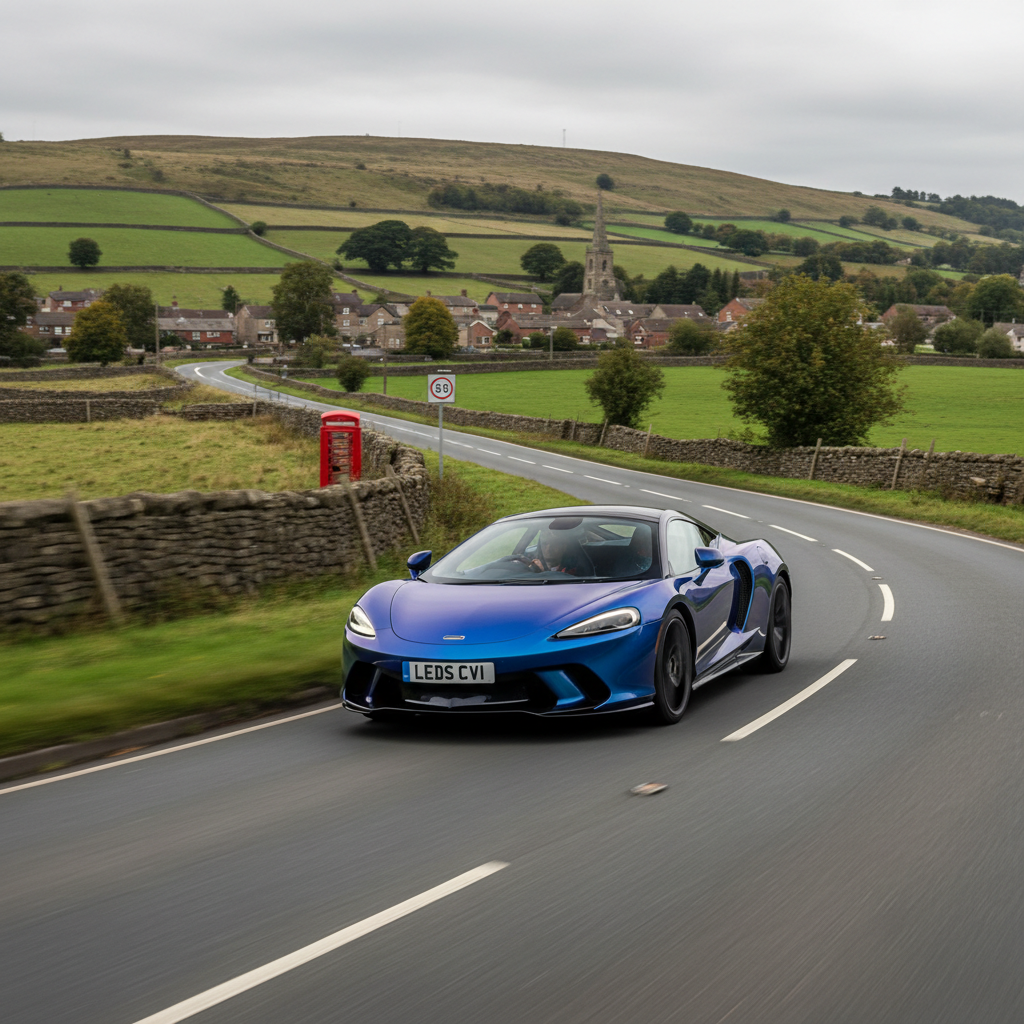
For us enthusiasts, whether we're discussing the intricate suspension geometry that allows a McLaren 765LT to achieve incredible lap times (as Auto Express notes in their best track day cars list), or the carefully tuned power delivery that makes a hypercar like the Adrian Newey-designed Aston Martin Valkyrie a "jaw-dropping" machine (Autocar), it's all about that relentless pursuit of dynamic excellence. Evo.co.uk's leaderboard of fastest lap times from Anglesey and Bedford Autodrome is a testament to this, showcasing cars that have been honed for ultimate performance, where every millisecond counts. This pursuit echoes a wider theme, where the unyielding thrill of true speed unites enthusiasts across different eras and vehicle types. It exemplifies how the thrill of the chase defines our automotive obsession.
The Thrill Factor: Making Performance Accessible
What does this mean for the everyday enthusiast? It means the principles that make a Grand Prix car so engaging are filtering down. We're seeing track day experiences expanding, with TrackDays.co.uk and Silverstone offering incredible opportunities to drive supercars and feel that adrenaline rush. The demand for responsive steering, a planted chassis, and punchy engine characteristics isn't going away. It's evolving.
The F1 driver market, with all its drama surrounding Leclerc's extended Ferrari deal (Autosport.com) and the pressure on drivers like George Russell (Autosport.com) to perform, is a microcosm of the wider automotive world. Performance is king, and engagement is the crown. The industry is constantly striving to deliver vehicles that not only dominate the stopwatch but also put a massive grin on your face. And that, my friends, is what makes being a performance car editor the best job in the world!
Key Takeaways for the Driving Enthusiast:
- Engagement is Evolving: Virtual gearboxes in EVs are proving that driver interaction, even simulated, is crucial for sustained performance enjoyment.
- F1's Core Appeal: Despite technological advancements, the pure driving challenge, as seen in Verstappen's Monaco performance, remains at the heart of motorsport and performance car design.
- Timeless Driving Joy: From modern hypercars to classic V8s, the satisfaction of a well-engineered, responsive machine is an enduring draw.
- Track Day Accessibility: The opportunity to experience true performance driving is more widespread than ever, thanks to dedicated track events and driving experiences.