

Step away from the screens. Ignore the digital synthesizers and the heavy battery packs for just a moment. Close your eyes and imagine a naturally aspirated, four-cylinder engine howling its way to a dizzying 10,000rpm redline. That isn't a vintage Formula 1 grid; it is the brand-new, engineered-from-the-ground-up Boreham Motorworks Ford Escort Mk1 RS. If you live for that perfect apex, this is the news you have been waiting for.
According to Autocar, this stunning £300,000 'continumod' is a modern-day masterpiece of driver-focused engineering. Pumping out a punchy 296bhp without a turbocharger in sight, it delivers old-school mechanical purity. What makes it truly special is the way that power is delivered. In an era dominated by instant electric torque that pinches your neck but numbs your soul, the Boreham Escort requires you to work for your rewards. It is an engaging, visceral experience that reminds us what driving dynamics are actually supposed to feel like.
The Technical Masterclass: Light Weight and Razor-Sharp Geometry
To understand why this car matters, we have to look past the jaw-dropping looks. With a sub-1000kg kerb weight, the power-to-weight ratio is absolutely ballistic. But the real triumph lies in its handling. Without the deadening weight of modern hybrid systems, the suspension geometry can be tuned for pure, unfiltered feedback. The front end is incredibly responsive, biting into corners with the sort of telegraphic steering feel that modern supercars can only dream of.
This return to mechanical feedback isn't just happening in the boutique restomod scene. In a fascinating twist, even the Detroit giants are changing course. As reported by Autocar, Ford has dropped its all-EV focus for its wild "Demonstrator" performance machines, hinting that the successor to the legendary electric Supervan could go back to internal combustion. Why? Because you cannot simulate the chest-compressing vibration of an ICE motor flat-out, nor can you easily replicate the chassis balance of a lightweight, combustion-powered track weapon.
Compare this raw philosophy to the mainstream market. Autocar recently revealed the bold Mk3 Audi Q7, a tech-heavy, diesel-V6 behemoth. While the Q7 promises to be incredibly planted, quiet, and capable on the motorway, it represents the opposite end of the automotive spectrum—a isolation chamber on wheels. Even BMW is working tirelessly to package flat-hydrogen tanks alongside EV batteries in its iX5, trying to solve the packaging puzzle of heavy, alternative-fuel family haulers. These are impressive feats of engineering, yes, but they aren't built to make your palms sweat at the track.
From Grassroots to the Pinnacle: The Need for Feedback
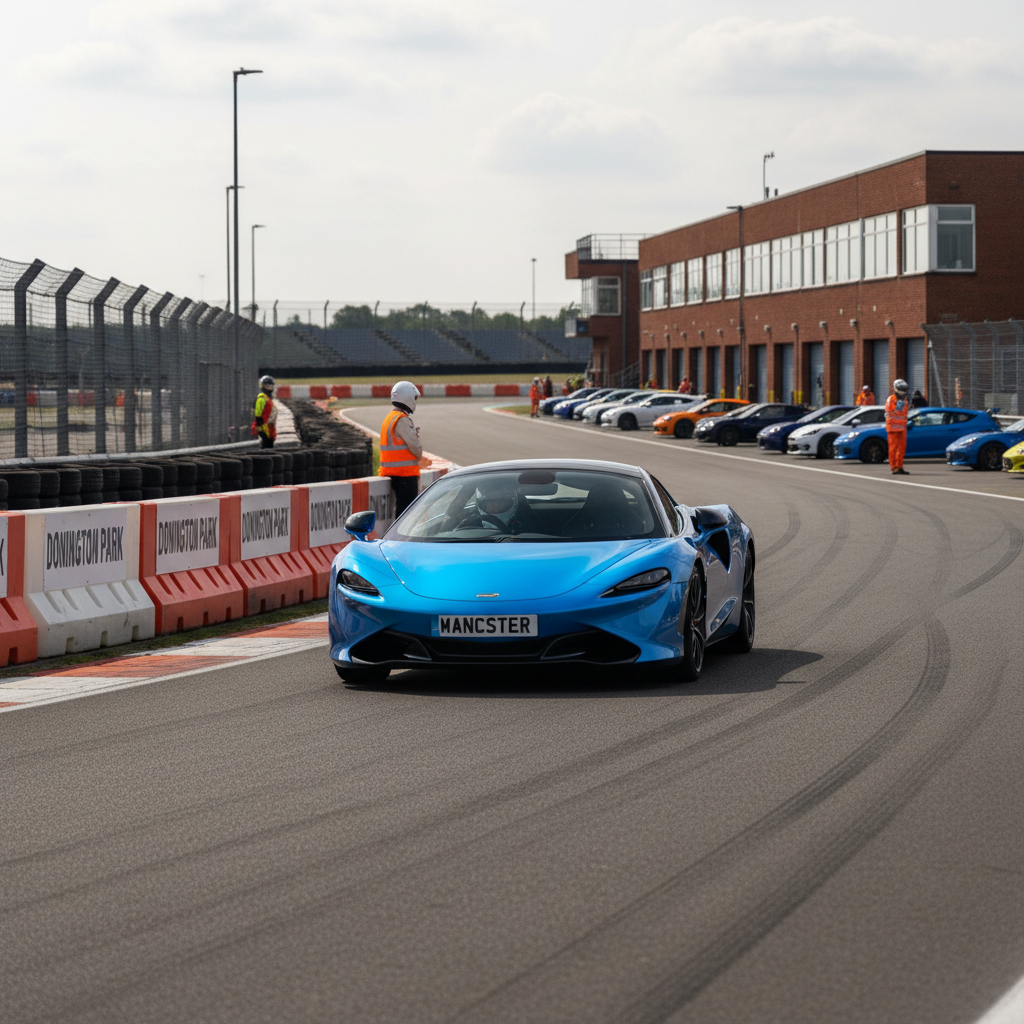
You do not need a £300,000 budget to access this level of driver immersion, however. Look no further than the BRSCC Fiesta ST150 contests at Donington Park. As reported by Autosport, a packed grid of these naturally aspirated hot hatches delivered three different winners in three races. Why? Because a lightweight chassis, a slick manual gearbox, and responsive front-wheel-drive dynamics put the driver entirely in control, rewarding bravery and precision over outright horsepower.
Even at the absolute pinnacle of motorsport, the physical connection between driver and tarmac is everything. Autosport reports that Lewis Hamilton is feeling rejuvenated ahead of the 2026 Formula 1 season with Ferrari, having begged for specific chassis changes that are finally paying off. If a seven-time world champion needs that precise, physical front-end bite to feel confident at the limit, it proves that driver engagement is not a luxury—it is a fundamental necessity for speed.
Key Takeaways: The Mechanical Renaissance
- Pure Combustion: Boreham's Mk1 Escort RS revs to a screaming 10,000rpm, producing 296bhp from a naturally aspirated engine.
- The OEM Pivot: Ford is moving away from an exclusive EV focus for its high-performance demonstrators, keeping ICE alive.
- Chassis Feedback: Lightweight engineering allows for razor-sharp steering and suspension geometry that heavy EVs simply cannot match.
- Accessible Thrills: Grassroots series like the Fiesta ST150 prove that true driving joy remains a matter of dynamics, not price.
The Verdict
The automotive landscape is undoubtedly changing. We will continue to see tech-heavy family SUVs like the new Audi Q7 and hydrogen-powered commuter cars dominate the sales charts. But the rise of creations like the Boreham Escort Mk1 RS, combined with Ford’s willingness to pivot back to petrol power for its wildest track machines, proves that the enthusiast market is pushing back. True driving thrill isn't about isolation; it's about connection. Give me a light chassis, a screaming engine, and a manual gearbox any day of the week, especially when considering the pursuit of pure driving thrills.