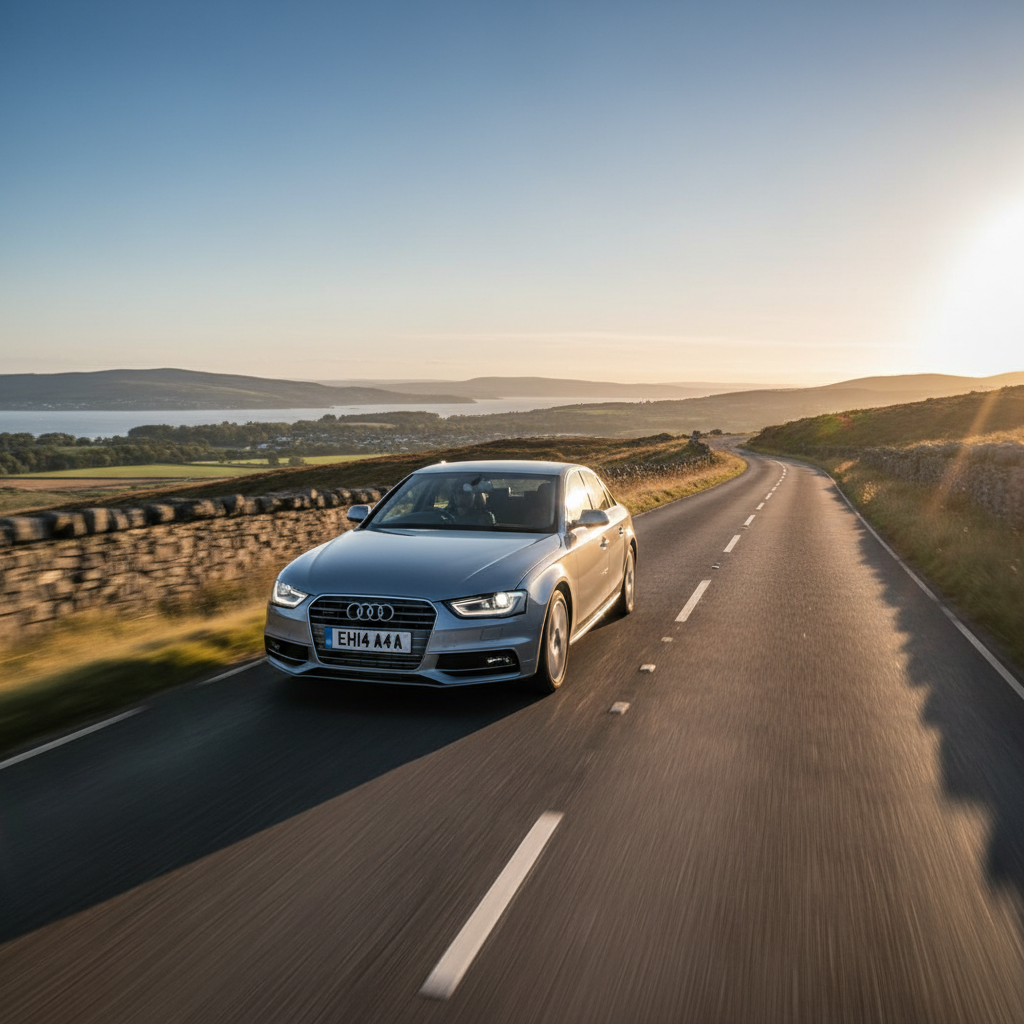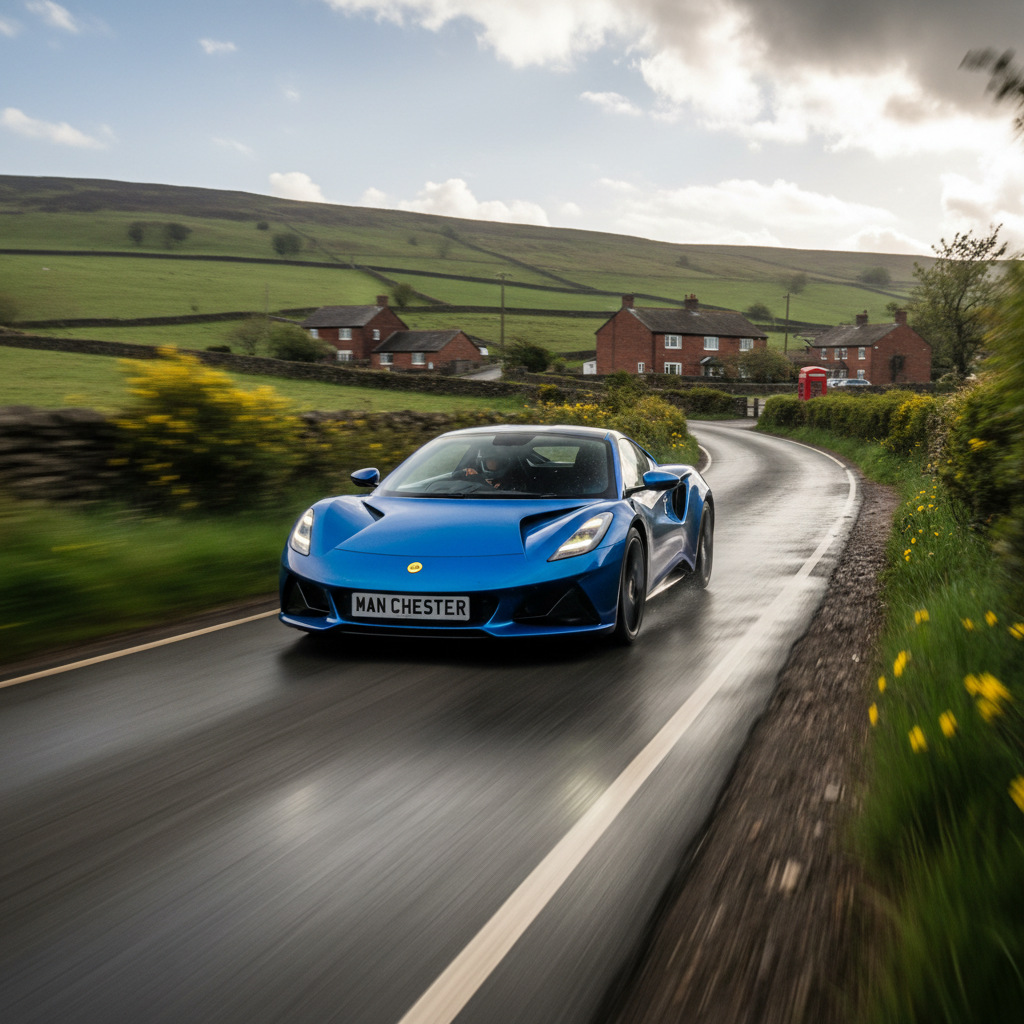


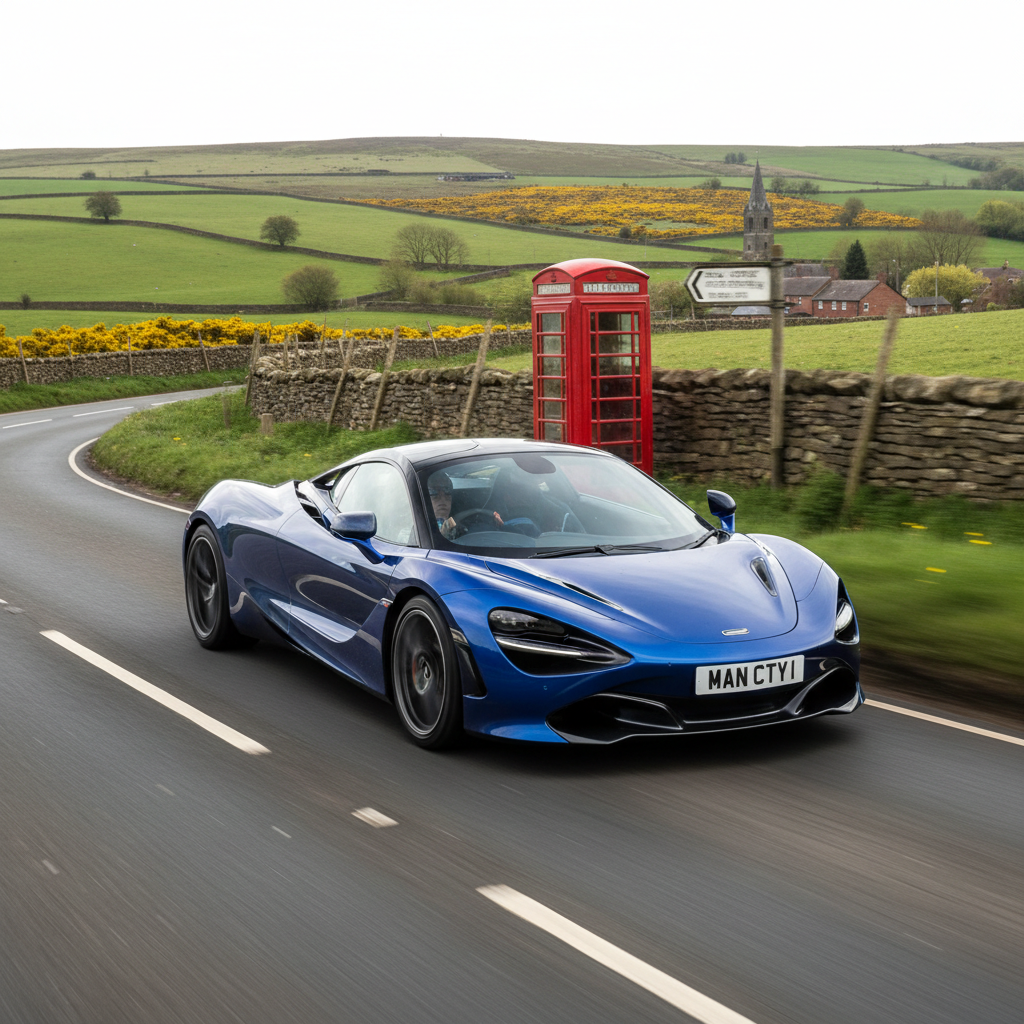
Picture this. It is a bleak, damp Tuesday morning on one of Wales’ most demanding ribbon of Tarmac. The surface is greasy, the visibility is challenging, and the corners are tightening on off-camber exits. In a six-figure rear-wheel-drive supercar, you would be sweating through your shirt, fighting physics. But in a highly polished, all-wheel-drive hot hatchback or performance crossover, you are absolutely flying. You clip the apex, plant your right foot, and feel the rear differential shuffle torque to the outside tyre, catapulting you forward with absolute, face-distorting assurance.
If you live for that perfect apex, you will understand why the everyday performance car is the actual king of the real world. You do not need a racetrack or a dry day in southern Europe to exploit its limits. But right now, the future of these democratic speed machines hangs in a precarious balance.
The Corporate Storm Threatening the Enthusiast
According to a sobering report by Autocar examining how the Volkswagen Group went wrong, the automotive giant is facing one of the toughest chapters in its history, battling a perfect storm of factory closures, model cancellations, and severe job cuts as it races to rebuild profit margins. Industry insiders are calling it a potential 'death by 100,000 cuts.'
For petrolheads, the ramifications of this corporate tightening of belts are terrifying. When automotive conglomerates look to slash budgets, it is rarely the high-volume, beige family commuter boxes that get axed first. Instead, the bean-counters look at low-volume, high-engineering projects—the very performance models that define a brand's soul. Cars like the Golf R and its high-riding sibling, the T-Roc R, which rely on expensive driving dynamics hardware, are suddenly placed directly under the microscope.
The Anatomy of Real-World Pace
To understand what we stand to lose, we have to look beneath the sheet metal. The heart of VW’s modern performance fleet is the iconic EA888 engine. In its latest evolution, this turbocharged 2.0-litre four-pot delivers a ballistic 316bhp and 310lb ft of torque. Mated to a lightning-fast seven-speed DSG dual-clutch transmission, it launches the car from 0-62mph in just 4.7 seconds.
But straight-line speed is cheap; it is the chassis wizardry that makes these cars truly engaging. The magic lies in the torque-vectoring rear differential. By using two multi-plate clutches, the system can send 100% of the rear axle's drive torque to a single outside wheel. This completely neutralises understeer, giving these nose-heavy, front-biased platforms a surprisingly neutral, highly adjustable balance on the limit.
The steering is quick and responsive, the body control is planted, and the power delivery is delightfully punchy. It represents a masterclass in accessible suspension geometry and chassis tuning that allows everyday drivers to safely experience the thrill of a car rotating under power.
The Rivalry: Passion vs. Pragmatism
This level of dynamic focus stands in stark contrast to the standard crop of family haulers. In recent shootouts published by Autocar comparing everyday family transport like the Kia Sportage, Volvo XC40, and standard VW T-Roc, the focus is entirely on utility, cabin space, and boot capacity. While these are excellent appliances, they lack even a single drop of enthusiast DNA.
If the accountants win the day at Wolfsburg and cancel the dedicated performance development budgets, we will be left with a sterile landscape populated solely by those sensible crossovers or heavy, disconnected electric SUVs. We risk losing that crucial middle ground—the cars that can drop the kids at school, commute to work in comfort, and then deliver a genuinely razor-sharp driving experience on a Sunday morning blast or an occasional track day.
Key Takeaways: The Performance Car Crisis
- The Threat: Corporate cost-cutting and brand restructures threaten the future development of dedicated hot hatches and performance-tuned variants.
- The Appeal: All-weather weapons combine 300bhp+ performance, advanced torque vectoring, and everyday practicality.
- Dynamic Brilliance: Systems like VW’s modern torque splitter actively rotate the chassis, proving that clever engineering can make all-wheel-drive platforms highly engaging.
- The Danger: Without direct manufacturer backing, enthusiasts are left to choose between sterile commuter cars or incredibly expensive, low-volume supercars.
The Verdict: Why Everyday Dynamics Matter
We are currently living through a golden era of point-to-point performance, where clever software and sophisticated mechanical differentials can make a practical family vehicle handle like a genuine sports car. But as the industry consolidates and battles immense financial headwinds, these complex, enthusiast-facing engineering projects are endangered species.
We must champion these everyday heroes. They remind us that driving is not just about getting from A to B with the lowest possible running costs; it is about the physical connection between the driver, the machine, and the road. Let us hope the decision-makers remember that a brand's emotional connection is built on the cars that make us smile, not just the ones that balance the ledger.