

The Shifting Sands of Speed: How Racing's Hard Lessons are Forging Tomorrow's Performance Icons
It's a curious thing, isn't it? We petrolheads often look at the top tier of motorsport – the cutting-edge of Formula E, the raw aggression of MotoGP – and see a world distinct from our own beloved road-going machines. But what if I told you that the trials and tribulations on track, the sheer ingenuity born from competition and regulation, are directly shaping the exhilarating metal we'll soon be throwing into corners on our favourite B-roads? Because right now, the racing world is undergoing some pretty seismic shifts, and the lessons learned are going to be absolutely transformative for the performance cars of the future.
Take Formula E, for instance. Autosport.com reports on discussions around a radically re-shaped Gen4 era, introducing a fascinating blend of “performance” and “efficiency-focused” races. Think about that for a moment. This isn't just about flat-out pace; it's about strategic energy management, about finding that razor-thin edge between ballistic acceleration and sustainable speed. For us drivers, this means future electric performance cars won't just stun with instant torque off the line; they'll offer a far more nuanced, engaging experience where managing power delivery becomes part of the thrill. We're talking cars that can deliver an electrifying punch but also maintain their ferocity lap after lap, track day after track day. That’s a tantalising prospect, merging raw speed with genuine endurance, much like an advanced traction control system that isn't just a nanny, but an intelligent co-pilot.
Then there's the relentless pursuit of perfection in MotoGP. Aprilia's recent dominance, as detailed by Autosport.com, is a testament to unwavering development and meticulous engineering. This isn't just a flash in the pan; it's the result of countless hours honing every single aspect of the bike, from chassis dynamics to engine mapping. This dedication to incremental gains, to understanding how every component contributes to the overall dynamic behaviour, is precisely what separates a good sports car from a truly great one. It’s what gives a car that ‘planted’ feel, that intuitive response when you lean it into a fast sweep. When you hear about Marc Marquez, according to Autosport.com, “racing with one and a half arms” through immense physical pain, it’s a stark reminder of the extreme demands placed on both rider and machine, pushing the boundaries of what’s possible.
From Track Day Heroes to Everyday Thrills: The Road Ahead
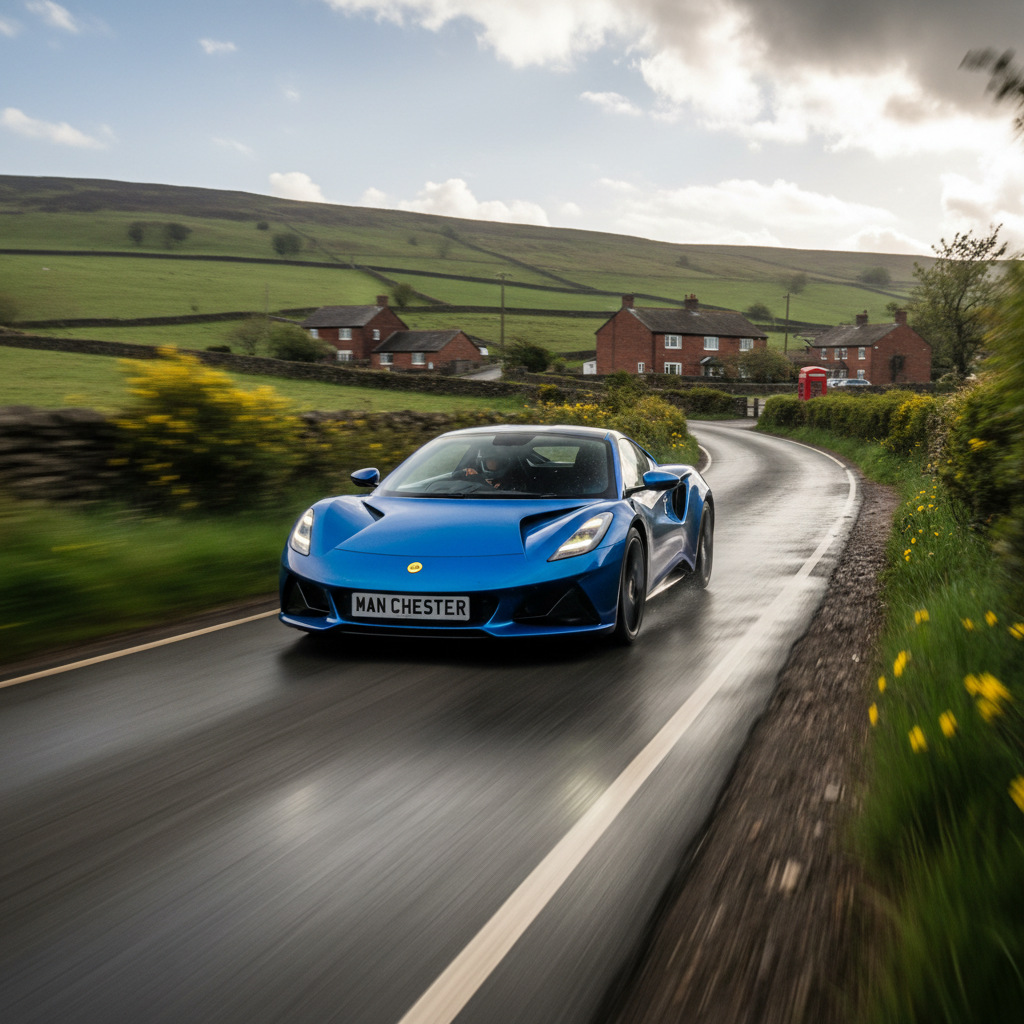
And what does all this mean for us, the enthusiasts who crave that precise steering, that responsive throttle, that engaging chassis? It means a new generation of sports cars that are not just faster, but smarter, more adaptable. Autocar.co.uk recently highlighted that the Lotus Emira is set to embrace a new hybrid V6 powertrain. This isn't just about CO2 figures; it's about harnessing electric power to fill in torque gaps, to provide instantaneous boosts, and to create a more compelling, flexible power band. Just imagine the dynamic possibilities! Instantaneous electric torque, seamlessly blending with a potent V6, offering a level of responsiveness that even the best traditional internal combustion engines struggle to match. It’s about leveraging technology to enhance, not dilute, the driving experience.
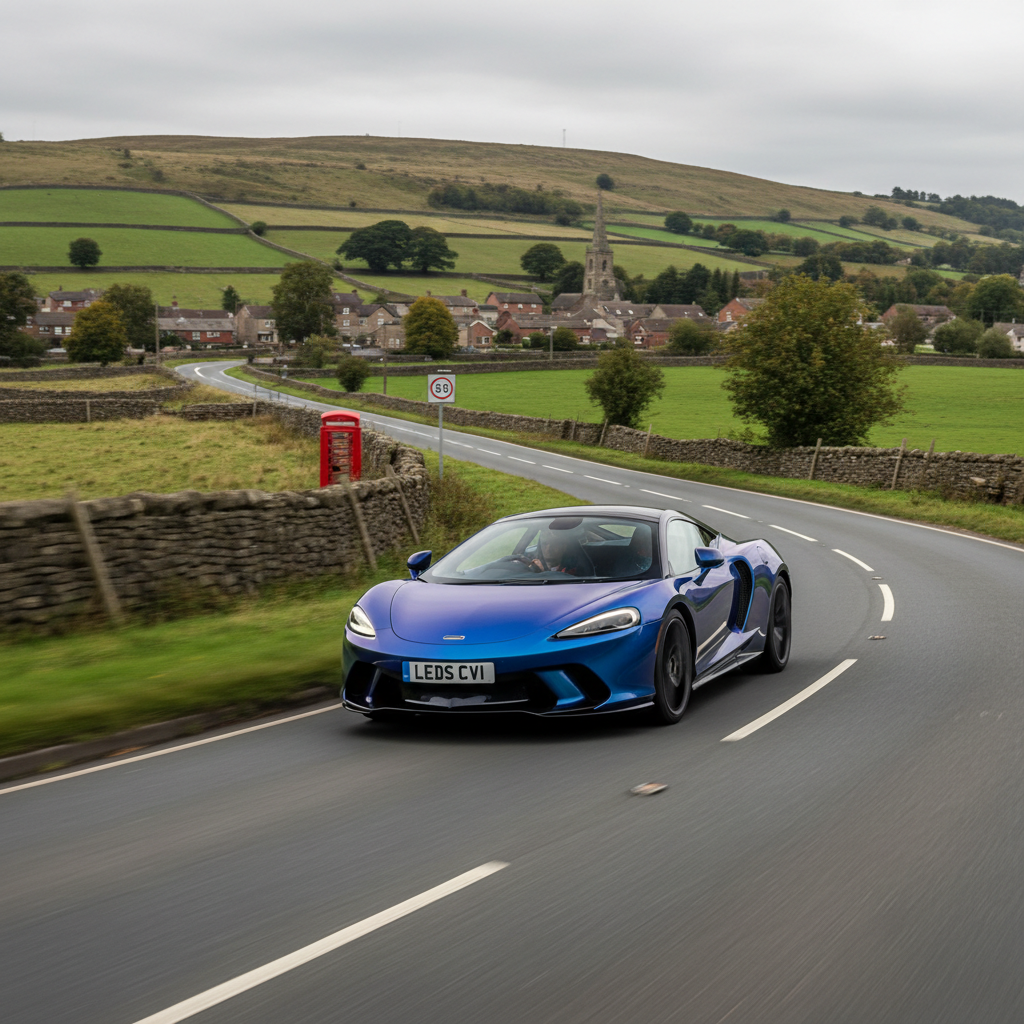
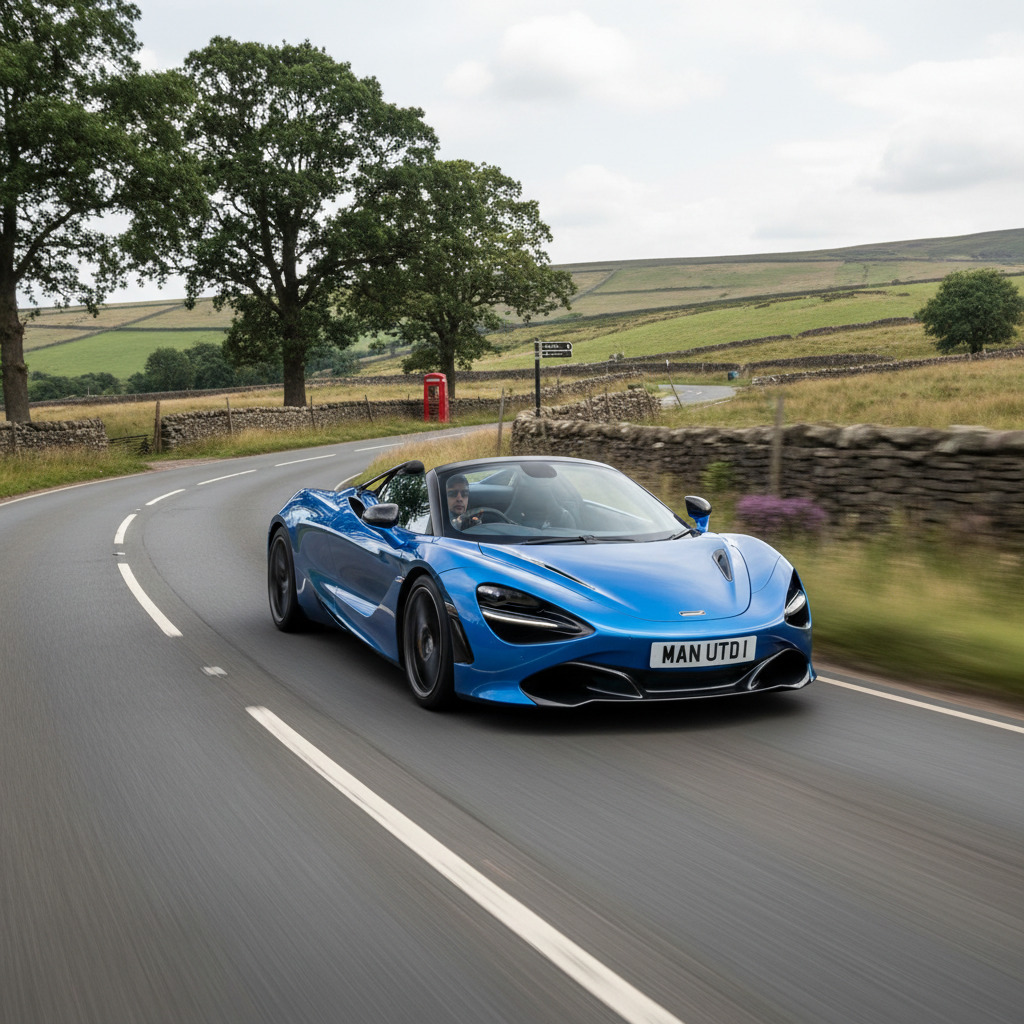
We're already seeing this philosophy at play. As Evo.co.uk points out, the best track day cars, like the McLaren 765LT, offer a transparency in feel, often thanks to hydraulically-assisted steering, that keeps the driver in tune with the car, even at ballistic speeds. It’s about feedback, about communication – elements honed on the race track. While manufacturers like BYD are focusing on new European-specific models (Autocar.co.uk), and Volkswagen's Golf EV is still a ways off (Autocar.co.uk), the true performance innovators are looking to motorsport's crucible for answers. The forthcoming generation of sports cars, as Trackdays.co.uk’s infographic suggests, will combine immense power with cutting-edge electric performance, ensuring the future of motoring remains thrilling.
Key Takeaways for the Discerning Driver:
- Adaptive Performance: Expect cars with intelligent power delivery, learning from Formula E's blend of speed and efficiency.
- Precision Engineering: MotoGP's relentless development means more finely-tuned chassis and driving dynamics for the road.
- Hybrid Prowess: Lotus's move to hybrid V6 signals a future where electric power amplifies, rather than replaces, engaging performance.
- Driver Engagement Reigns: Despite technological advances, clear feedback and responsive controls will remain paramount, as seen in top track cars.
Ultimately, whether it's Aprilia’s dominance born from meticulous development or Formula E’s evolving rulebook pushing the boundaries of electric performance, the lessons learned at the sharp end of motorsport inevitably trickle down. We're not just getting faster cars; we’re getting more sophisticated, more responsive, and ultimately, more engaging machines. So, if you live for that perfect apex, that surge of acceleration, and the visceral thrill of a truly planted chassis, brace yourselves. The next wave of performance cars, shaped by the unforgiving demands of the race track, is going to be absolutely phenomenal. For all the discussions around racing's evolution and what it means for our roads, remember that racing's cutting edge refines tomorrow's road cars.