

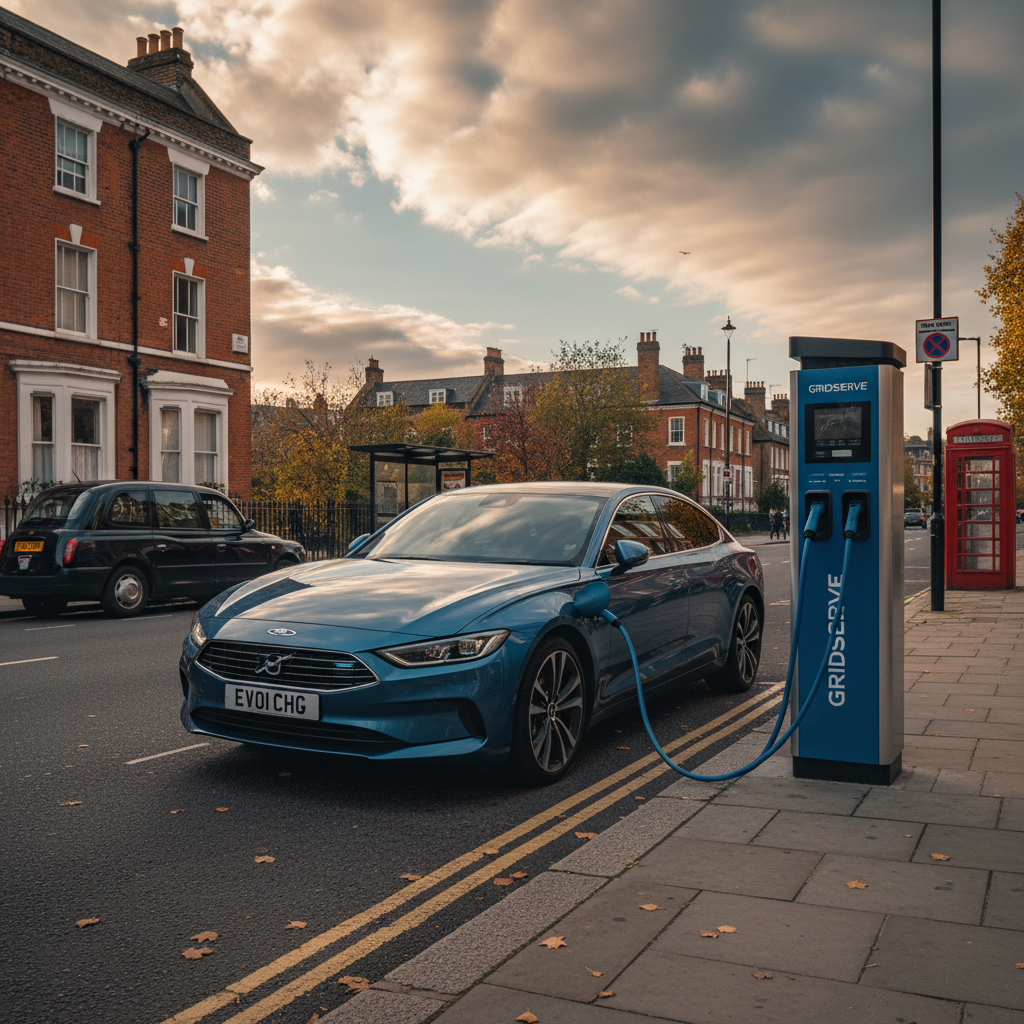
The hum of an electric vehicle isn't just the sound of a motor; it's the soundtrack to a revolution. For years, the conversation around EVs has been dominated by 'range anxiety' and 'charging times'. But what if I told you that the very foundations of those concerns are being systematically dismantled by cutting-edge advancements? We're not just talking incremental improvements; we're witnessing a paradigm shift that could make topping up your EV as quick as a petrol stop.
The Charging Game-Changer: Speed and Accessibility
Imagine plugging in your electric car and seeing its battery jump from 10% to 98% in less than seven minutes. This isn't a sci-fi fantasy; it's the reality offered by CATL's new LFP battery, the Shenxing. What's more, this self-heating marvel performs admirably even in Arctic temperatures, tackling another common EV limitation head-on. This kind of innovation isn't just about speed; it's about making electric vehicles truly practical for every kind of driver, every day of the year.
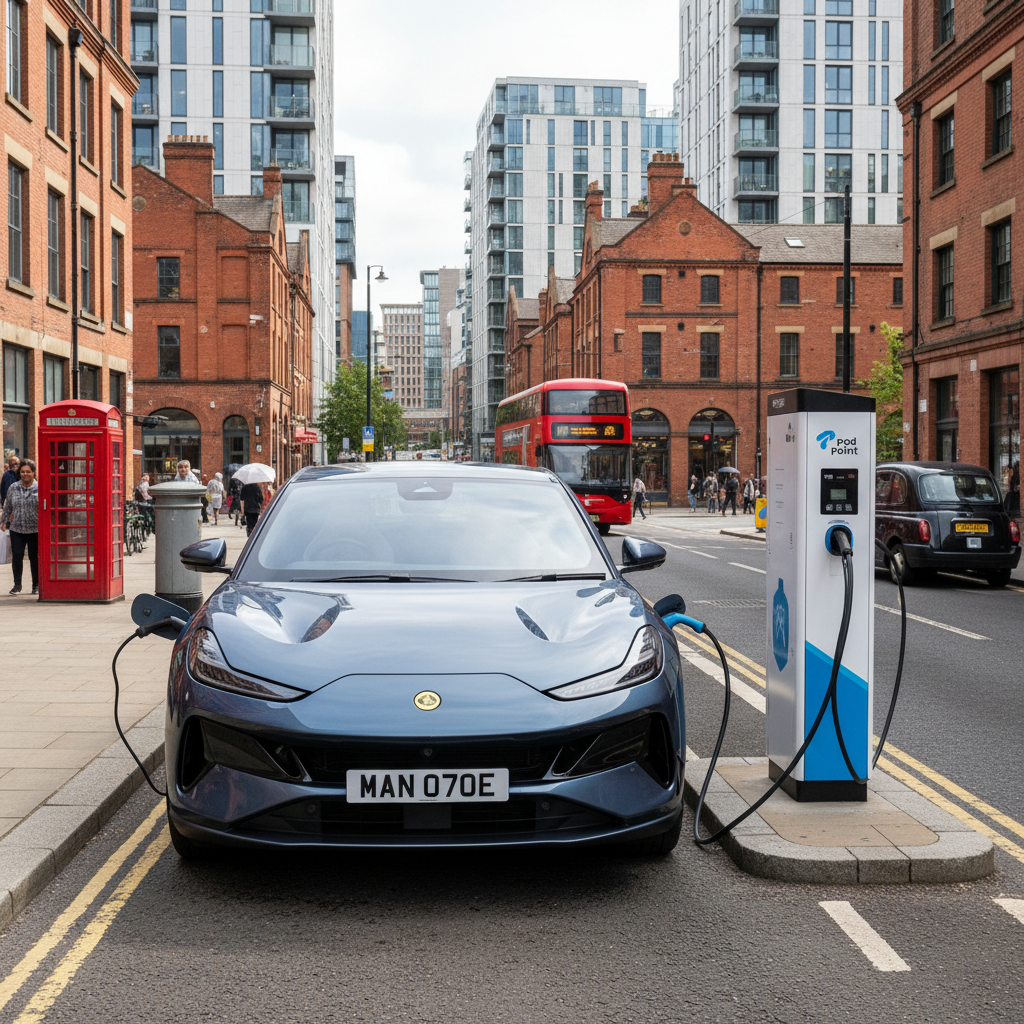
And it's not just batteries getting a turbo boost. ChargePoint has just debuted a 600 kW fast charger, designed to be cheaper and even fit into convenience store parking lots. This signals a crucial shift: charging infrastructure is becoming more powerful, more accessible, and more integrated into our daily lives. According to EV Infrastructure News, the UK government is actively reforming its approach to EV charging, extending permitted development rights to streamline installations and address what they've called a 'two-tier system' in charging provision. This proactive stance, backed by government consultations from late 2025 into early 2026, aims to alleviate the strain on local planning authorities and accelerate network expansion.
Battery Breakthroughs and Real-World Impact
These developments come at a pivotal time. As Imperial College London's Grantham Institute notes, vehicles with battery ranges reaching almost 300 miles are now commonplace. Innovations increasing energy density mean EVs can cover greater distances on a single charge, making those long journeys less of a planning headache. The average EV in 2025 already achieves around 300 miles on official WLTP tests, as highlighted by Zest UK, demonstrating the significant strides made in range.
This relentless march of progress in battery technology isn't just for consumer vehicles. Even in the high-octane world of Formula 1, new hybrid rules are coming into effect, showcasing how energy management and efficiency are becoming paramount across the entire automotive spectrum. While Porsche recently made headlines by selling its stake in Bugatti and Rimac Group, a move some might interpret as 'electric aspirations fading' according to Ars Technica, it's more likely a strategic realignment in a rapidly evolving market. Meanwhile, established players like BMW are doubling down, bumping the 7 Series for 2027 with an all-new battery and offering it alongside inline-six and PHEV options, demonstrating a flexible, future-proof approach.
Addressing UK Adoption Challenges
For us here in the UK, the improved battery tech and burgeoning charging network are critical. While impressive growth in public charge points was seen in 2025 (Commons Library), concerns remain about regional disparities and the pace of grid connection. As noted by EV Infrastructure News, the UK has been scaling EV charging infrastructure faster than securing it. The government's decision in April 2025 to relax some ZEV mandate rules, following a consultation, also indicates a responsive approach to ensure a smooth transition to zero-emission motoring while industry catches up with infrastructure needs.
However, the tide is turning. With advancements like Vehicle-to-Grid (V2G) solutions and smart charging systems gaining traction, the UK's EV charging market is geared for sustainable growth, as predicted by NextMSC. If you're considering making the switch to an EV, the timing has never been better. The technological hurdles are being overcome at an astonishing pace, making electric motoring a genuinely practical and compelling choice.
Tesla, for instance, continues to report solid profitability in Q1 2026, with car sales up (Ars Technica), indicating a robust and growing market for EVs globally. This sustained demand fuels further investment in R&D, promising even more exciting innovations down the line.
Key Takeaways for the Future of EV Motoring:
- Ultra-Fast Charging is Here: New battery tech allows near-instant top-ups, significantly reducing charging times.
- Infrastructure is Expanding: Governments and industry are collaborating to build out a more accessible and powerful charging network.
- Range Anxiety is Fading: Longer battery ranges (around 300 miles for new models) and rapid charging make long journeys feasible.
- Resilience in All Climates: Battery innovations are improving performance in extreme temperatures, broadening EV appeal.
- Policy is Adapting: Governments are refining regulations to support EV adoption and infrastructure development, as seen by the UK's ZEV mandate adjustments and charging reforms.
The Verdict: An Electrifying Horizon
The narrative around electric vehicles is shifting from 'if' to 'when,' and increasingly, to 'now.' The confluence of rapid battery innovation, robust charging infrastructure development, and supportive government policies is creating an irresistible proposition for sustainable motoring. For everyday drivers, this means less time waiting, more time driving, and a greener footprint. The future of motoring isn't just electric; it's ultra-fast, ultra-convenient, and undeniably eco-friendly. The path to a zero-emission future has never looked more viable, or more exciting. If you want to delve deeper into how the UK is preparing and adapting for this monumental shift, check out Beyond the Buzz: Unpacking the EV Revolution’s Real-World Impact and UK's Charging Game and discover how adaptive tech and policy shifts are redefining the EV landscape.