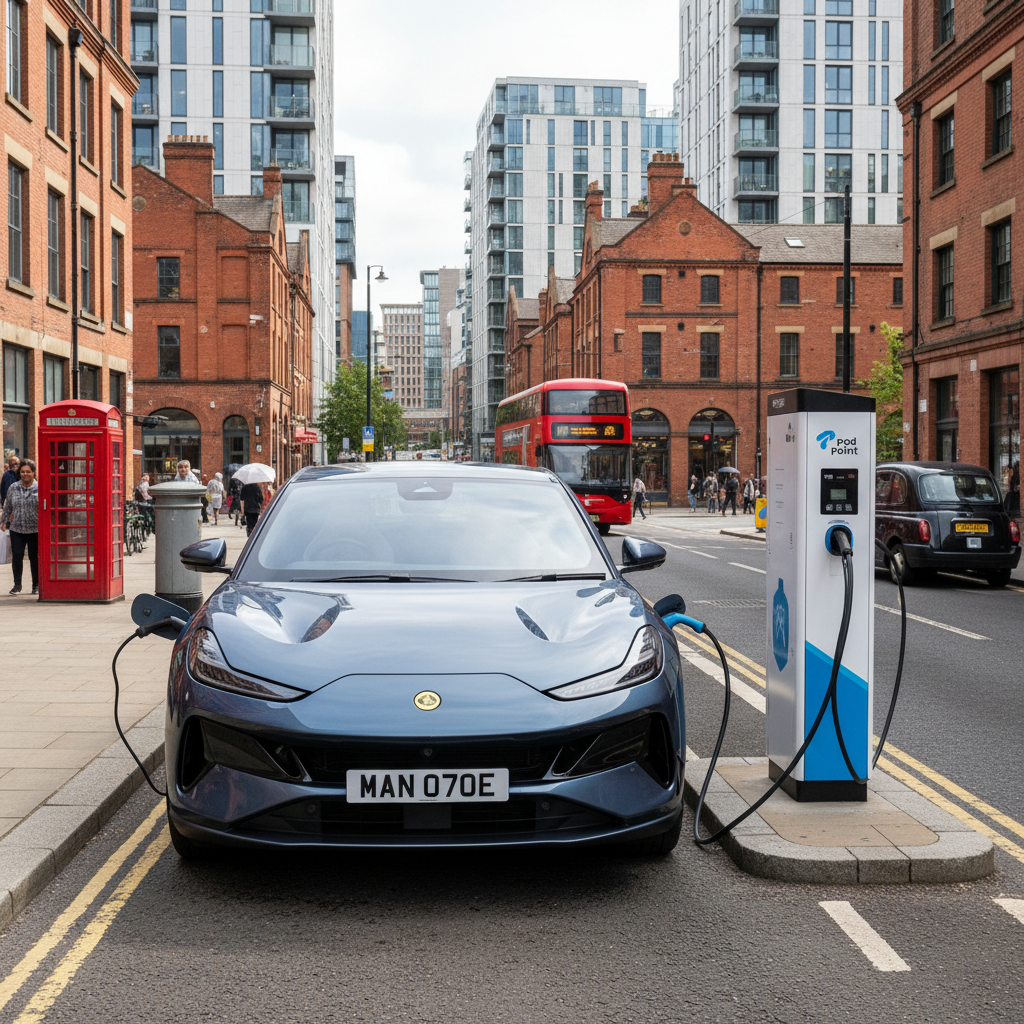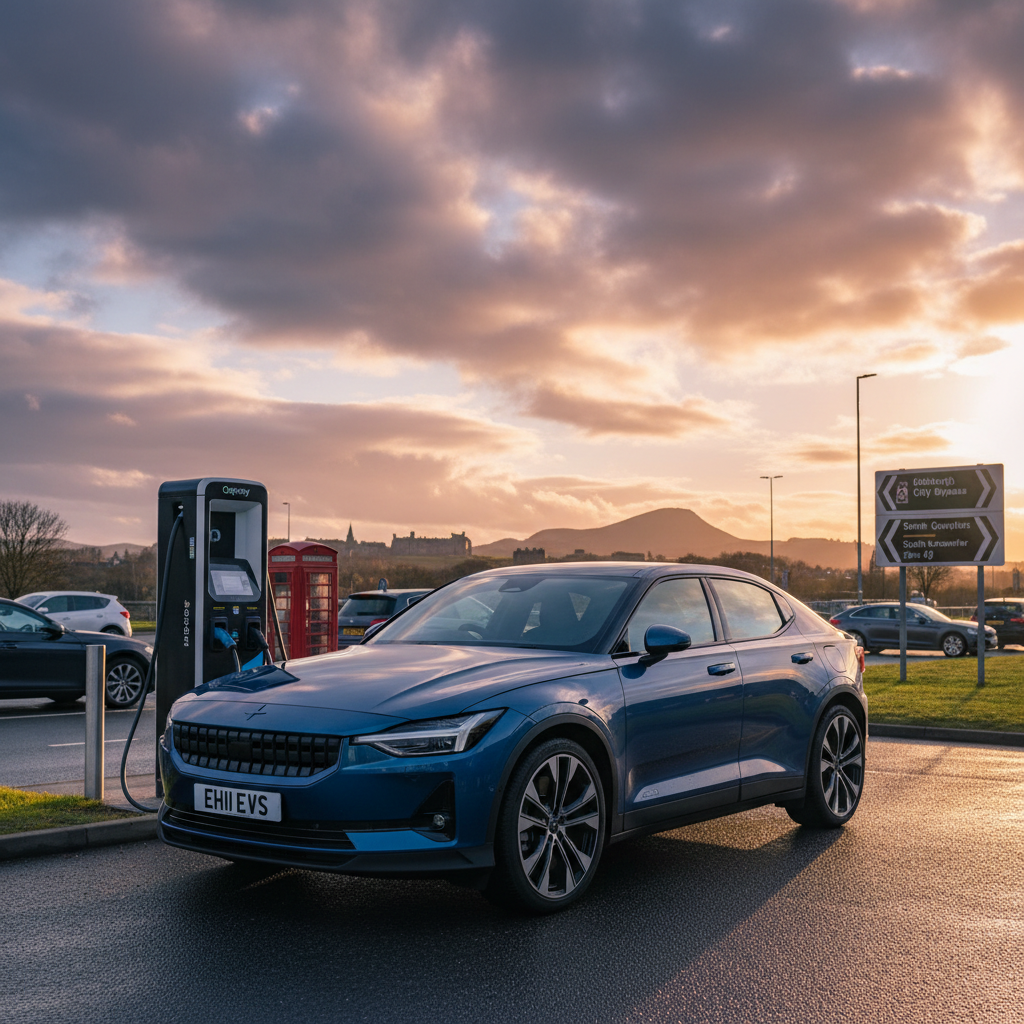


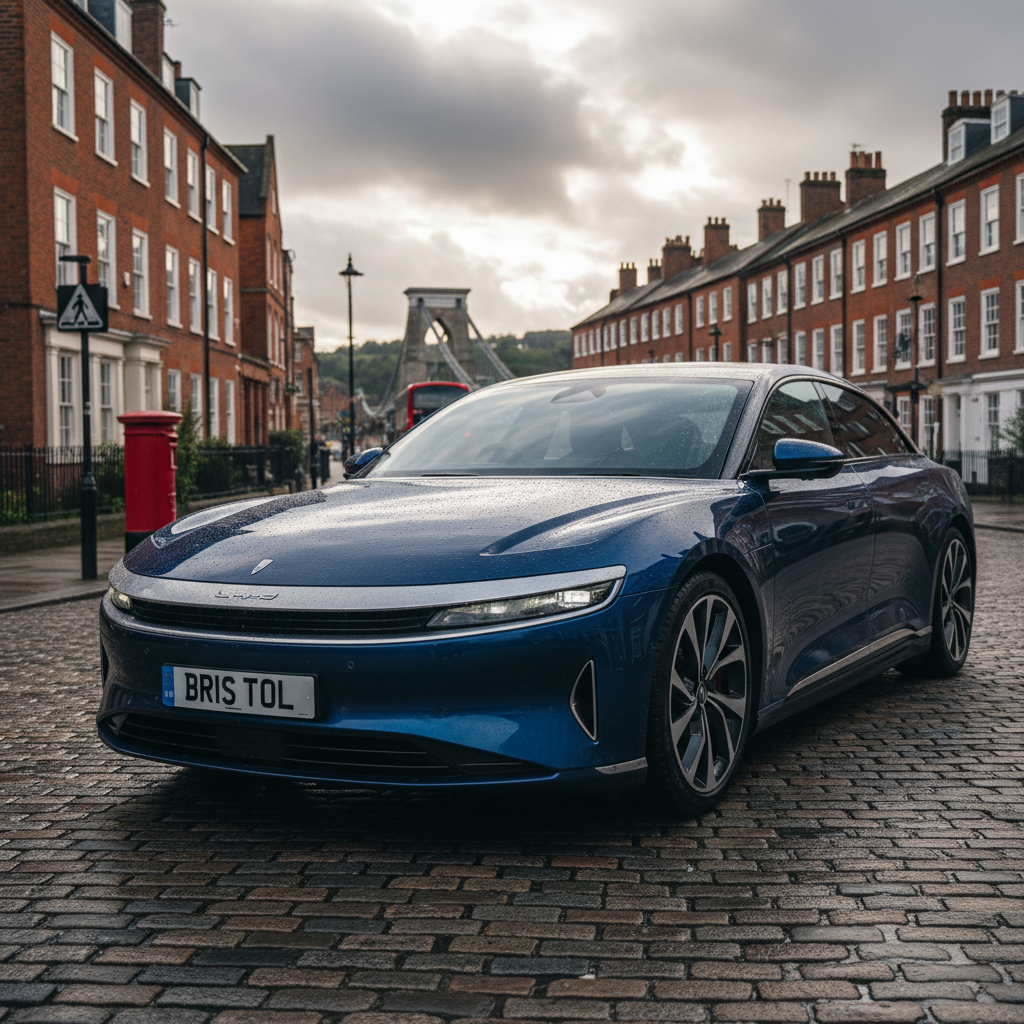
Car tuning used to be a proper hands-on job. You got oily. It was a world of greasy spanners, bored-out cylinders, and physical throttle bodies. Today, the quest to squeeze more peak performance and efficiency out of our cars is fought entirely with lines of code. Your modern electric vehicle is effectively a rolling data centre, where clever algorithms govern everything from battery temperatures to regenerative braking curves. But there is a quiet war raging behind the dashboard. For my money, the outcome will dictate how we roll for decades to come.
The Digital Arms Race
We are currently witnessing a massive, escalating battle. On one side are the car manufacturers locking down their electronic control units (ECUs). On the other are aftermarket tuners desperately trying to crack them open. According to Ars Technica, this cat-and-mouse game has intensified as carmakers employ sophisticated encryption to block third-party tweaks entirely. While people assume this is just a playground fight over horsepower, the implications for the green transition are far more serious.
In the EV era, software is the ultimate arbiter of efficiency. Squeezing an extra ten or fifteen miles of range from a battery pack dictates no mechanical changes. Instead, it is achieved by code that dictates precisely how the silicon inverters manage electrical current. When manufacturers lock these digital doors, they control exactly how a vehicle consumes energy over its lifetime. To be fair, protecting high-voltage electronics from amateur hands makes some sense, but this total digital lockdown goes too far.
Squeezing Efficiency from Silicon, Not Scale
From an environmental perspective, smart software is our best weapon against resource depletion. Building cars with gargantuan batteries to combat range anxiety is a complete ecological dead end. The carbon footprint of mining those raw materials is simply too high. Instead, clever engineering allows manufacturers to do more with less.
Take the highly praised Lucid Gravity Touring. As detailed by Ars Technica, this premium electric SUV delivers impressive agility, space, and range, largely because its dedicated EV platform runs on sophisticated, proprietary software that manages power delivery with microscopic precision. Why stack heavy, dirty battery cells when you can just make the electric motors more efficient? This is practical, long-range family transport with a reduced footprint. I reckon this is the only logical way forward.
This software-first philosophy is also transforming hybrid technology. The latest Toyota RAV4 Plug-in represents a masterclass in digital energy management. As Ars Technica points out, its generous battery pack allows everyday commutes to be completed entirely on electricity. The real magic, though, lies in how the vehicle's central computer seamlessly calculates when to deploy the petrol engine to keep the system warm and avoid wasting fuel. The hardware is excellent, but it is the code that makes it truly sustainable.
The Cost of the Connected Car
This pivot toward software is changing the very nature of car companies. They are no longer simple metal-bashers. Now, they are tech giants. Unsurprisingly, this is incredibly expensive. For instance, Ars Technica reports that while Tesla remains profitable, its margins have faced massive pressure because the company has to funnel astronomical amounts of cash into AI infrastructure. The message is clear: the future of motoring is software-defined.
If you're considering making the switch to an EV or a plug-in hybrid, this digital shift presents a double-edged sword. On one hand, you get a highly efficient machine that uses every single electron of energy with ruthless efficiency. On the other, the total lockdown of these digital platforms threatens long-term consumer freedom.
If independent garages cannot access or modify encrypted ECUs, the "right to repair" is dead. For EVs to remain sustainable over a fifteen-year lifespan, they must be fixable outside of expensive main-dealer networks. Lockdowns that block independent diagnostics or software preservation will lead to premature vehicle scrappage. No surprises there, but that is the absolute opposite of green technology.
Key Takeaways for Future EV Buyers
- Software Over Hardware: Range and efficiency are increasingly dictated by digital algorithms rather than the physical size of the battery.
- The End of DIY Tuning: Advanced manufacturer encryption is making third-party performance and efficiency modifications nearly impossible.
- Right to Repair Risks: Locked-down digital platforms could make out-of-warranty repairs by local independent garages highly challenging.
- Resource Efficiency: Highly optimised software reduces the need for oversized, carbon-heavy batteries to achieve long ranges.
The Verdict
Software is the greenest tool in the engineering shed. By refining the code that governs power electronics, manufacturers can deliver zero-emission transport that is lighter, more efficient, and better for the planet. However, if this transition is to be genuinely sustainable, we cannot let these software-defined vehicles become locked-down, disposable smartphones on wheels. In my book, true green motoring requires a balance between digital control and the enduring freedom to maintain and repair our own cars. This challenge of software obsolescence from killing the EV revolution is critical. After all, the future of motoring is increasingly silicon over steel, with software as the new frontier. This also ties into the larger discussion of why smarter incentives and right-sized tech will finally supercharge EV adoption.