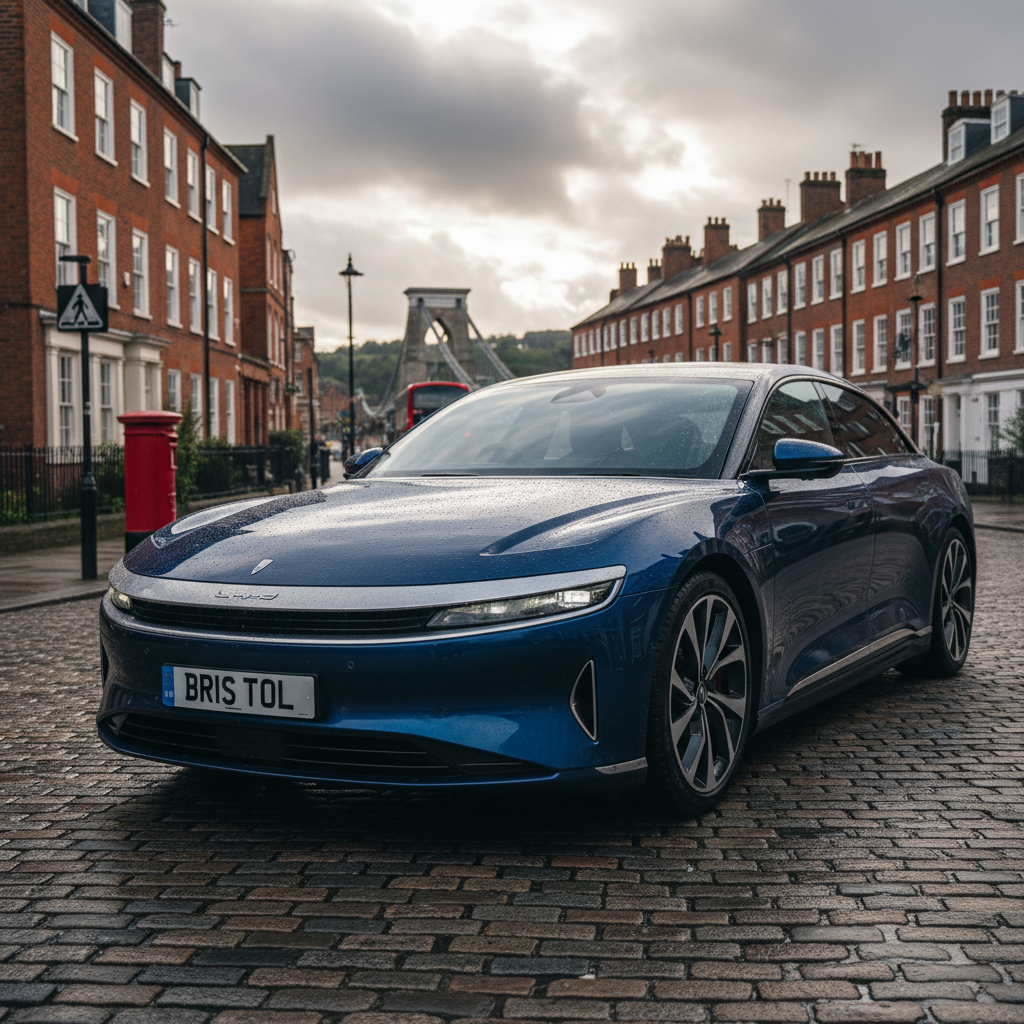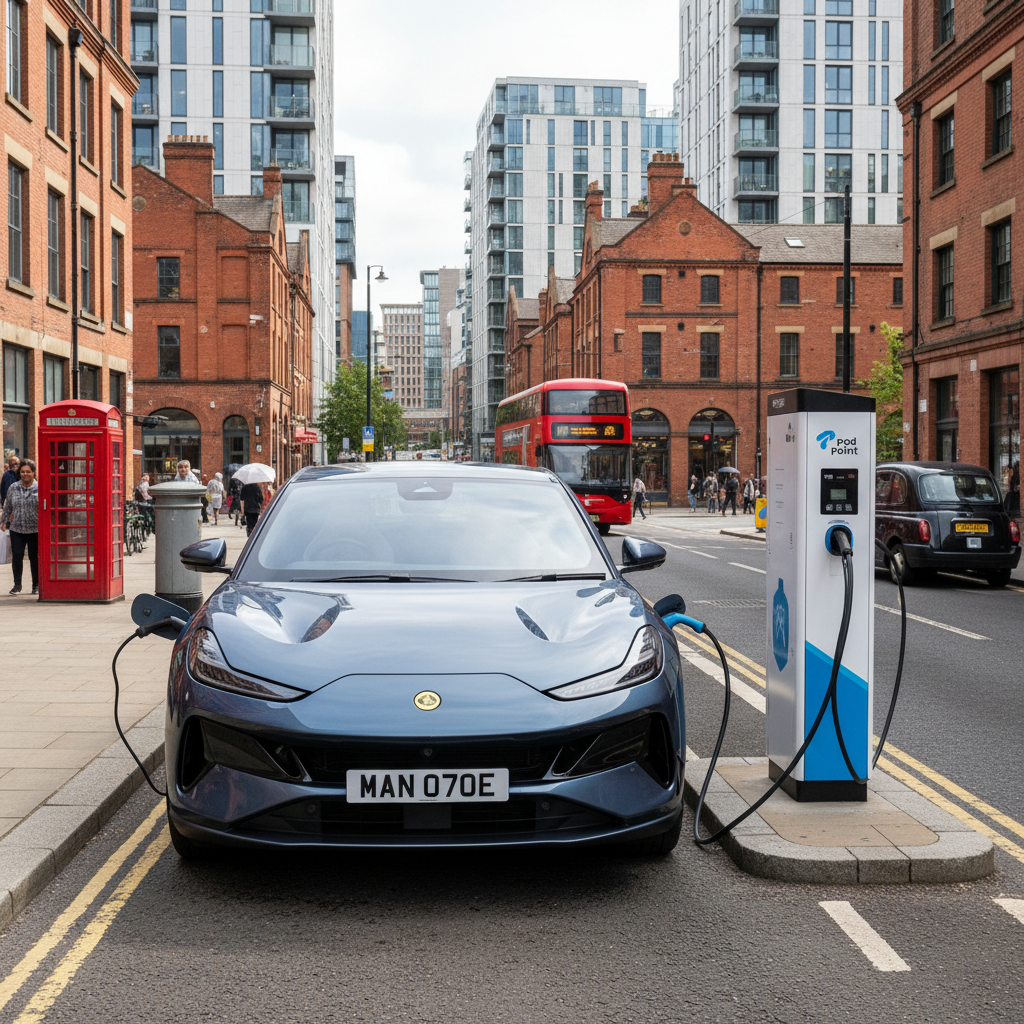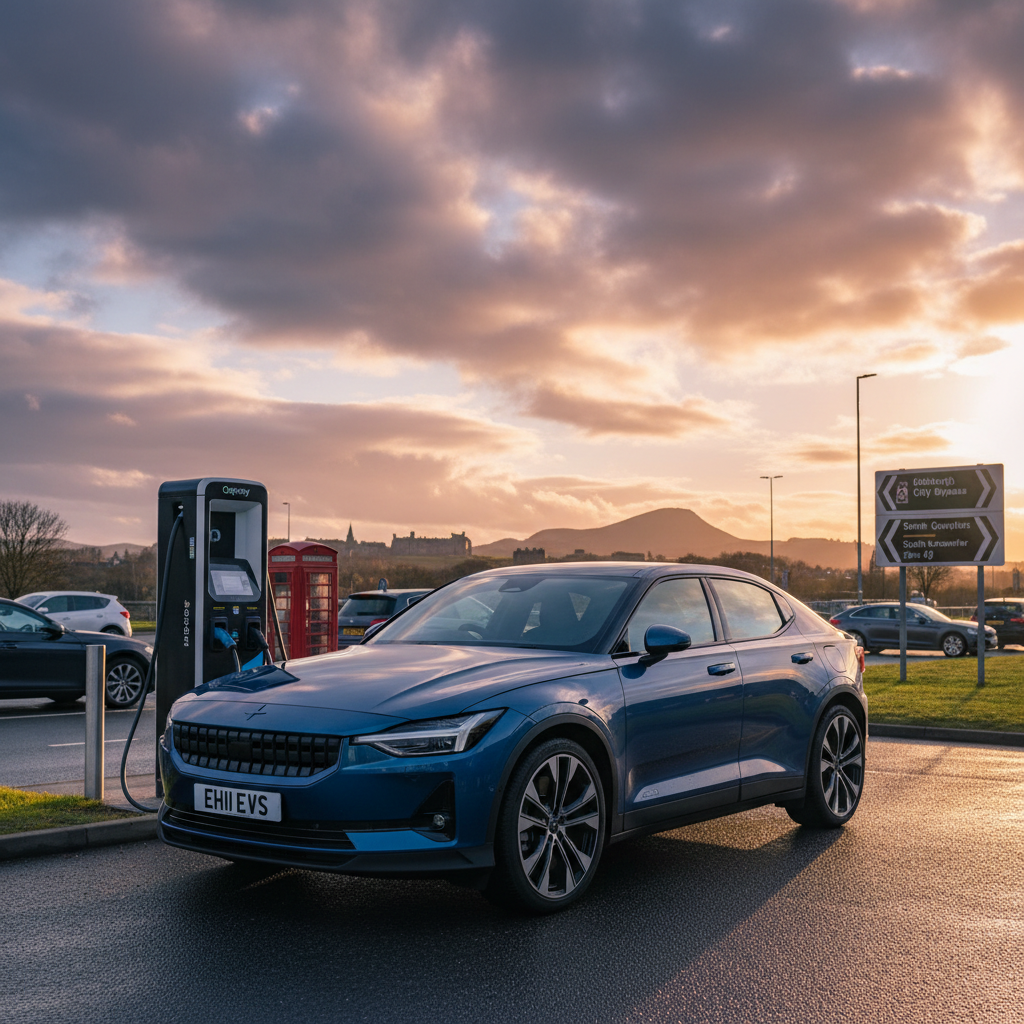


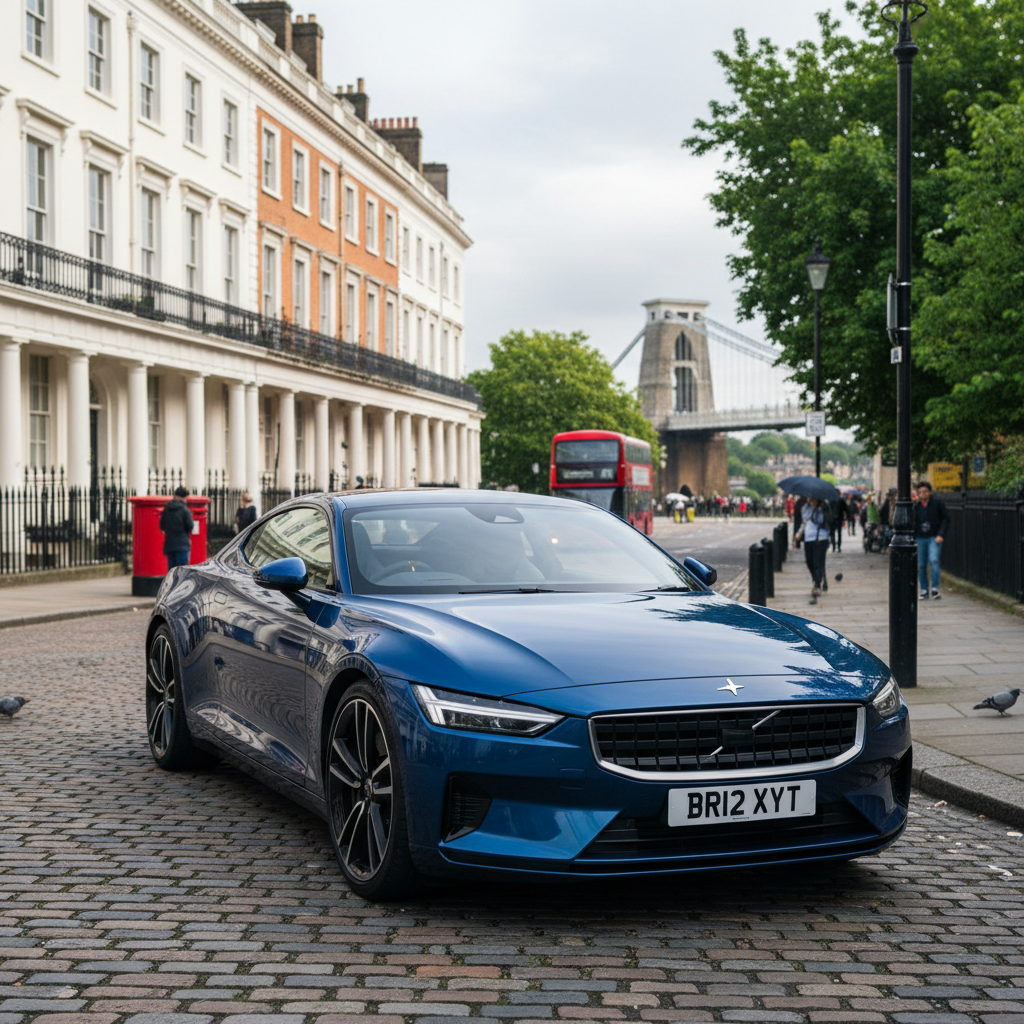
For years, the electric car transition has had one dominant, looming shape. The heavy, slab-sided SUV. Placing heavy, expensive batteries into giant, high-riding premium platforms made simple commercial sense for car makers. But the market is finally growing up. Manufacturers are realising at long last that to clean up our roads, they cannot rely on a single, oversized template. Thank goodness.
The Aerodynamic Awakening
Physics is a harsh mistress, especially when you are trying to squeeze every last mile out of a battery pack. At 70mph, wind resistance is the ultimate range-killer. This makes the upcoming Range Rover GT a seriously important car. According to reports from Ars Technica, this electric grand tourer tears up the traditional Solihull rulebook by swapping the usual blocky profile for a sleek, low-slung silhouette. A hybrid will follow.
Squashing the roofline down and slicking back the shape does wonders for the drag coefficient. For my money, building sleeker cars is far more sensible than simply stuffing a massive, heavy, resource-hungry battery under the floor of some bluff-nosed behemoth to claw back range. Smaller batteries mean lighter cars. They require fewer raw materials to build, whilst drawing less juice from our hard-pressed National Grid.
Even when you absolutely need a big car, clever engineering can bend the rules of physical drag. Take the 2026 Lucid Gravity Touring. As detailed by Ars Technica, this seven-seater proves that a large family bus can still feel surprisingly agile and sip electricity, thanks to tiny, power-dense motors and an incredibly slippery shape. It shows that smart packaging, rather than just lazy, oversized battery design, will keep the family EV alive. For more on this topic, you might be interested in how smarter engineering is demystifying the electric family SUV.
The Multi-Pathway Approach to Going Green
Few of us have the cash, or indeed the driveway, for a high-end luxury cruiser. If you want to green up your lifestyle but look at the public charging network with a degree of healthy scepticism, you do not need to leap straight into a pure battery EV to do your bit. There is a sensible middle ground.
The 2026 Toyota RAV4 Plug-in is a prime example of this pragmatic approach. As Ars Technica points out, this sensible family SUV carries a battery large enough to cover the daily commute entirely on electric power. Visits to the petrol station will become a minor novelty, reserved mostly for holiday road trips. It is a painless, low-stress stepping stone towards full electric motoring. You get zero-tailpipe emissions in town, without any-motorway charging anxiety.
Down at the budget end of the market, manufacturers are quietly giving car buyers sensible options to clean up their driving. Take the upcoming 2027 Kia Seltos, highlighted by Ars Technica. It offers practical motoring for modest money, with a frugal hybrid version coming later to broaden the appeal. To be fair, putting hybrid tech into affordable everyday cars is the only real way to get the masses out of pure petrol. This market shift reflects how automakers are rewriting the EV roadmap for practicality and price, moving beyond just premium models.
Navigating the New Landscape
How does this play out for the British car buyer? It means choosing the drivetrain that fits your actual lifestyle. We lack the targeted, price-capped state support seen elsewhere, such as the California used EV rebates reported by Ars Technica. No surprises there. But a broader market means you can now match your car directly to your daily routine.
If your day consists of the school run and a trip to the supermarket, a plug-in hybrid charged overnight on an off-peak tariff is a cheap, clean way to travel. If your week is dominated by long motorway drives, skip the bulky electric SUVs altogether. Look instead to the new breed of low, aero-friendly electric tourers to maximise your highway range.
Key Takeaways for EV Buyers
- Sleeker is Better: Low-slung cars like the upcoming Range Rover GT slice through the air, delivering decent motorway range without the need for a massive, heavy battery pack.
- The PHEV Advantage: Capable plug-in hybrids like the Toyota RAV4 Plug-in offer genuine zero-emission commuting for drivers who are not quite ready to rely on public chargers.
- Targeted Tech: The greenest car is always the one that fits your driving routine. Matching power to your typical mileage cuts both your carbon footprint and your monthly running costs.
The Verdict
The days of treating the car transition as a simple choice between standard petrol and a massive, heavy electric SUV are thankfully over. By widening the field to include low-drag grand tourers, clever family cars and sensible plug-ins, the car industry is finally delivering a realistic, adult route towards cleaning up our roads. It is about time, too. This move away from a single, oversized template is a critical step, ensuring that the push for high-end EV tech does not stall the affordable electric revolution.