

The global transition to electric motoring has reached a fascinating bottleneck. While EV pioneers like Tesla pour billions into artificial intelligence and computing power—squeezing their profit margins in the process, as reported by Ars Technica—a quieter, physical revolution is taking place on the automotive drawing board. Rather than relying on the brute-force strategy of stuffing increasingly heavy, resource-intensive batteries into vehicles, forward-thinking engineers are reclaiming a timeless design principle: clever packaging.
For years, the formula for building a long-range EV was simple, if deeply flawed: take a heavy SUV, pack the floor with lithium-ion cells, and call it a day. But this approach is fundamentally unsustainable. Larger batteries require more raw materials to mine, longer charging times, and more energy just to lug their own deadweight around. True eco-friendly motoring requires us to do more with less. Fortunately, a new wave of cutting-edge vehicles is demonstrating how physical efficiency can outsmart battery size.
The Triumph of Space-Saving Engineering
Take the 2026 Lucid Gravity Touring. According to a review by Ars Technica, this large electric SUV manages to be exceptionally roomy and agile while delivering outstanding range. Lucid achieves this not by bloating the battery pack, but through its ultra-compact, in-house electric motors. By shrinking the powertrain footprint, engineers have maximised cabin space and aerodynamic efficiency. It is a masterclass in how zero-emission design can deliver luxury utility without the environmental penalty of excessive vehicle mass.
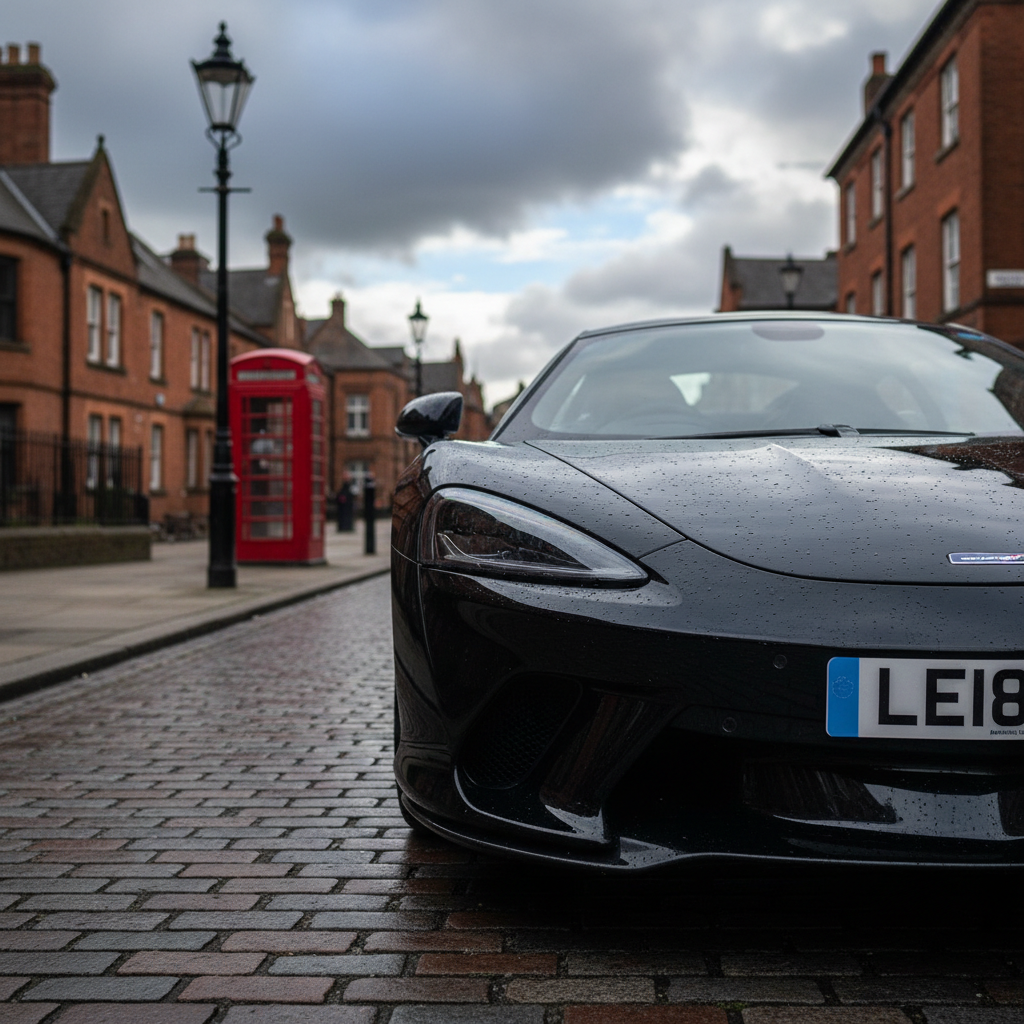
Similarly, the industry is finally waking up to the aerodynamic drag of the traditional SUV box. In a surprising design pivot, the upcoming Range Rover GT will debut as a high-end EV that eschews the traditional high-riding SUV silhouette in favour of a sleeker, low-slung grand tourer. As reported by Ars Technica, this "not-SUV" design represents a major shift toward aerodynamic optimisation. Slicing through the air with less resistance is the single easiest way to boost real-world highway range without adding a single gram of battery weight.
Pragmatic Power: The Hybrid Bridge
Of course, the pure EV transition isn't happening in a vacuum. For many motorists, a full battery-electric vehicle isn't quite practical yet. That is where highly optimised hybrid technology steps in. The 2026 Toyota RAV4 Plug-in is a prime example. As Ars Technica notes, its beefy traction battery means that everyday local drives can be completed on pure electricity alone, essentially sparing drivers from frequent trips to the fuel pump while offering petrol backup for longer journeys. It is a pragmatic, highly sustainable solution for the current state of our charging infrastructure.
Even at the budget end of the market, the push for clever packaging is clear. The upcoming Kia Seltos, highlighted by Ars Technica as offering high value for a compact footprint, is slated to receive a hybrid variant next year. However, bringing these affordable, future-proof platforms to market is proving difficult for legacy brands. Volkswagen is currently locked in tense negotiations with trade unions over streamlining plans to reduce their model portfolio by half, according to Ars Technica, as they struggle to balance rising development costs with the need for affordable green mobility.
What This Means for UK Drivers
If you're considering making the switch to a cleaner vehicle in the UK, this shift in engineering philosophy is fantastic news. Up until now, British buyers have faced a tough choice: pay a massive premium for a heavy, long-range EV, or settle for a smaller vehicle with limited motorway range. The rise of space-efficient packaging and highly capable plug-in hybrids solves this dilemma.
However, challenges remain. The UK’s public charging infrastructure is improving, but reliability and peak pricing still cause headaches. By choosing vehicles designed with aerodynamic and mechanical efficiency in mind, you reduce your reliance on public rapid chargers. An aerodynamic EV or a smart plug-in hybrid with a realistic electric-only commute range will slash your running costs while minimising your carbon footprint.
Key Takeaways for Future Buyers
- Aerodynamics Matter: Sleeker silhouettes like the upcoming Range Rover GT prove that shape is just as important as battery capacity for highway range.
- Packaging is Key: Vehicles like the Lucid Gravity prove that compact electric motors can unlock massive cabin space without requiring a larger, heavier vehicle footprint.
- The PHEV Sweet Spot: Modern plug-in hybrids like the Toyota RAV4 Plug-in offer a genuine zero-emission daily commute without the range anxiety of a pure EV.
- Market Streamlining: As legacy brands like VW consolidate their line-ups, expect future models to be more focused, sharing highly efficient, standardised platforms.
The Verdict
The future of sustainable motoring isn't about bragging rights over battery capacity; it is about engineering elegance. While tech giants chase AI-driven headlines, the real environmental victories are being won in the wind tunnels and chassis packaging bays. By choosing cars that prioritise aerodynamic efficiency and compact drivetrain design, we can transition to a cleaner, zero-emission future without compromising on space, comfort, or practicality.