

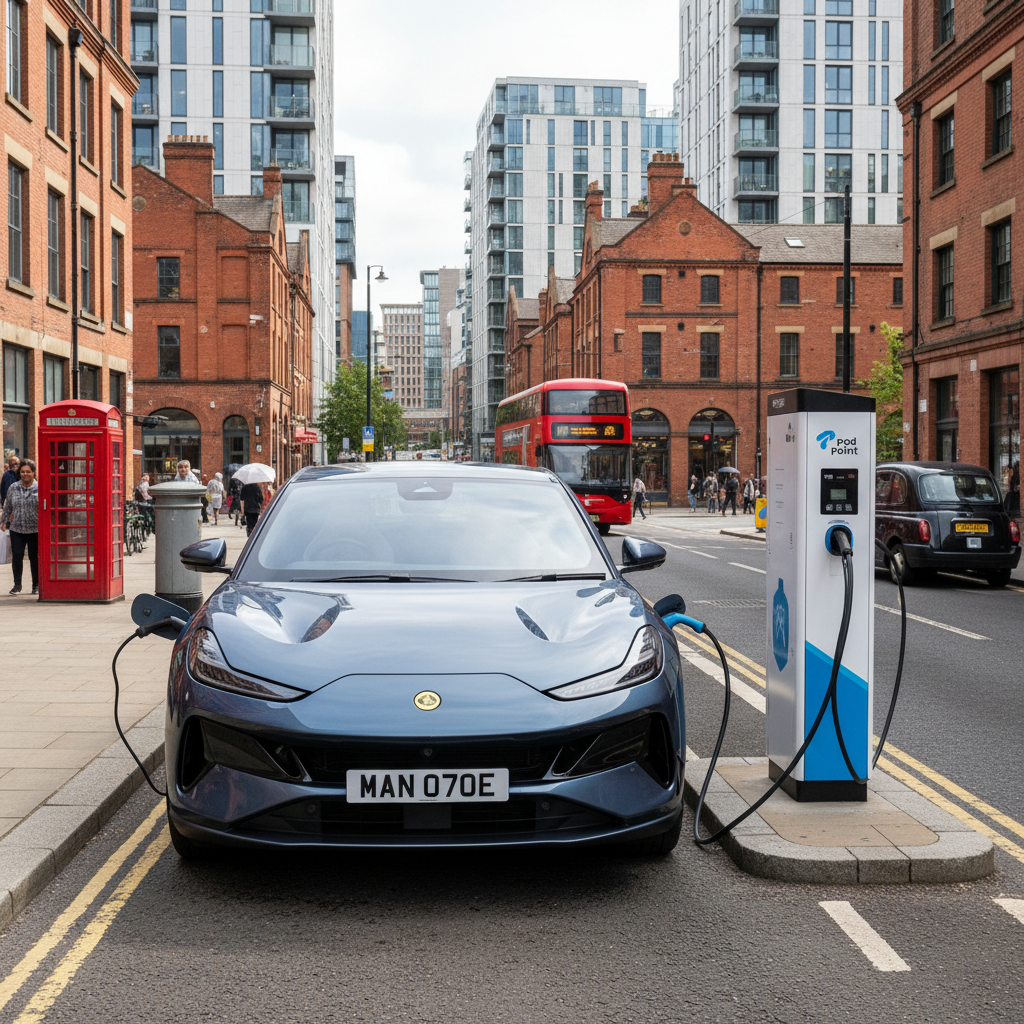
The electric vehicle honeymoon is over. The early adopters have had their fill, and we are now left staring at the cold, hard reality of the ledger book. Tech bros still dribble over autonomous driving, robotics and artificial intelligence. But for my money, the real battle for our motoring future rages in the boring, beautiful details of battery efficiency, vehicle packaging and keeping the bloody things affordable.
Car makers spent years assuming that high-end, long-range EVs would somehow trickle down to the rest of us. They were wrong. Instead, we have a market clogged with obscenely heavy, overpriced electric SUVs that the average family cannot afford. To fix this mess, we need to rethink both policy and engineering. We have to solve a simple equation: how to offer decent, everyday zero-emission driving without bankrupting the buyer.
The Policy Shift: Democratising the Plug
We must change how we coax people out of their petrol cars. For years, tax breaks and clean-air subsidies basically bribed wealthy buyers into premium EVs whilst leaving everyone else behind. It was a bit of a faff, frankly. Now, things are shifting. According to Ars Technica, California has launched a new rebate scheme targeting first-time EV buyers, alongside a separate incentive for used electric cars. Both have strict price caps.
This makes complete sense. Supporting the second-hand market and lower-income families builds a self-sustaining ecosystem. In my book, British policymakers need to steal this idea immediately, especially since private EV sales over here have flatlined. Instead of subsidising £80,000 electric cruisers for company directors, we must help normal buyers on normal wages. This aligns well with the broader need for micro-subsidies and modular platforms rewriting the EV transition playbook.
The Hardware Reality: Right-Sized Batteries and Clever Packaging
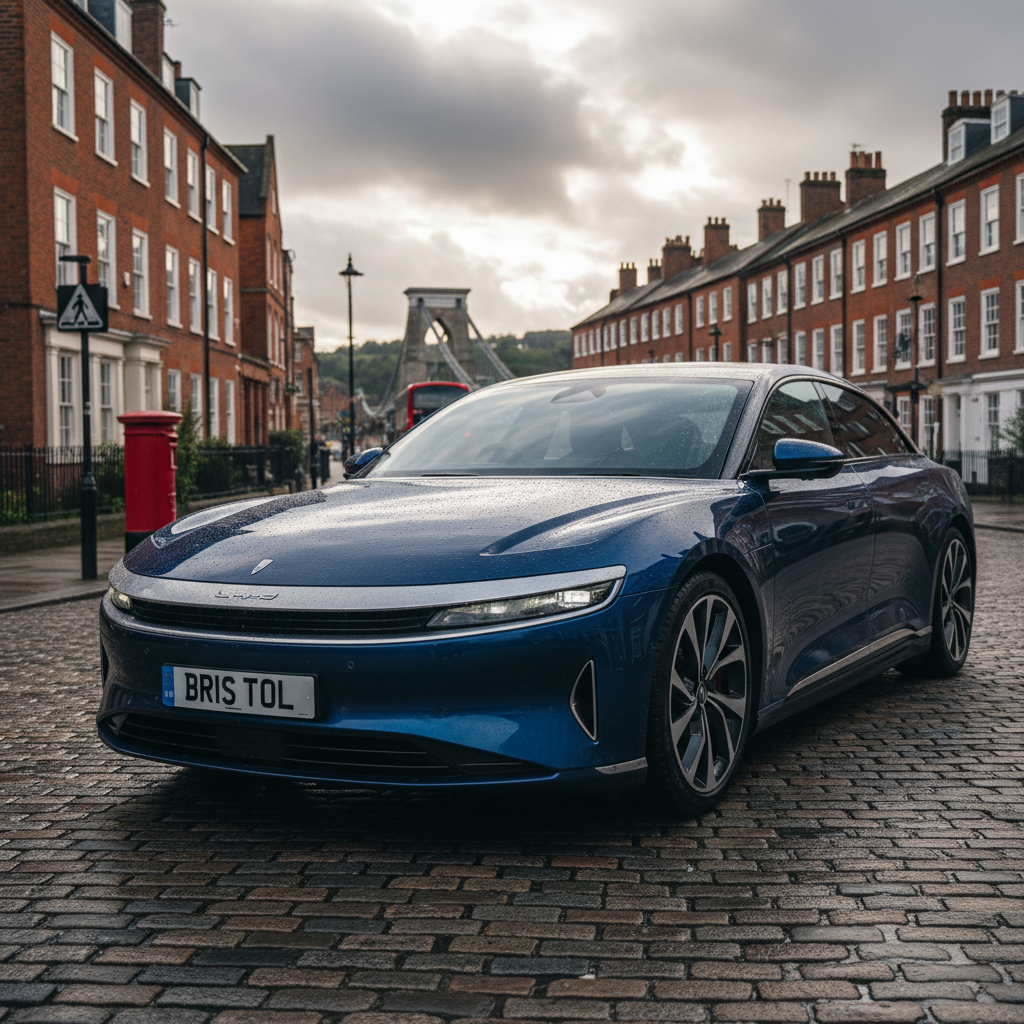
Under the metal, smart engineers are abandoning massive, heavy batteries in favour of clever aerodynamics and thermal management. Take the Lucid Gravity Touring. As detailed in a review by Ars Technica, this three-row electric SUV offers agile handling, immense space and serious range without carrying a bloated battery. By refining the motors and packaging the cabin brilliantly, Lucid proves that clever thinking beats brute force every single time. This focus on sleeker platforms and smart engineering is demystifying the electric family SUV, moving past the idea that bigger is always better.
What if you are not ready for a pure EV? Fair play. There is a pragmatic middle ground. Take the latest Toyota RAV4 Plug-in. According to Ars Technica, its beefy hybrid battery handles the school run and daily commute entirely on electricity. Petrol station visits become rare, yet you still have an engine for long motorway schleps. I reckon it is the perfect bridge for buyers hesitant to make the full electric leap just yet.
A Shakeup in Manufacturing
This electric shift is forcing traditional car giants to gut their own operations. Volkswagen, for instance, is battling its trade unions. As reported by Ars Technica, VW wants to halve its model lineup to slash complexity and production costs. They have to do this. If legacy brands cannot build cheap, mass-market EVs, incoming global rivals will simply eat their lunch.
Meanwhile, the market champion is distracted. Ars Technica reports that Tesla squeezed its own Q2 2026 profits by dumping billions into artificial intelligence and supercomputers rather than updating its aging cars. This pivot away from affordable transport leaves an open goal. Traditional brands and agile startups can now swoop in to win over sensible drivers with highly efficient, honest electric cars. This marks a power of the pivot, rewriting the EV roadmap for practicality and price, moving away from luxury and towards the everyday consumer.
What This Means for You
If you are looking to buy an electrified car right now, the tide is turning in your favour. The industry has finally moved past the experimental gimmick phase. Rationality, reliability and real-world running costs are back in fashion.
When choosing your next car, ignore the silly horsepower figures on the brochure. Look at real-world efficiency instead. You want to know exact miles-per-kilowatt-hour figures. Opting for a car with a sensible, efficient battery, or a modern plug-in hybrid, will save you a fortune at the chargers and do less harm to the planet during its manufacture.
Key Takeaways
- Targeted Subsidies are Crucial: Swapping to a mass market means offering incentives to first-time and used buyers, rather than subsidising luxury cruisers.
- Efficiency over Size: Cars like the Lucid Gravity prove that brilliant packaging and aerodynamics beat carrying a heavy, oversized battery every day.
- PHEVs as a Real Tool: Smart plug-in hybrids with decent electric range, like the Toyota RAV4 Plug-in, easily cover the daily commute without petrol.
- Industry Realignment: While Tesla chases AI, traditional brands like VW are trimming the fat to build affordable, practical electric options.
The Verdict
A sensible motoring future does not belong to Silicon Valley hype, self-driving dreams or expensive electric sports cars. If we want real progress, we need honest pricing, leaner manufacturing and clever engineering. By buying cars with right-sized batteries and genuine efficiency, British drivers can force the industry to build what we actually need.