

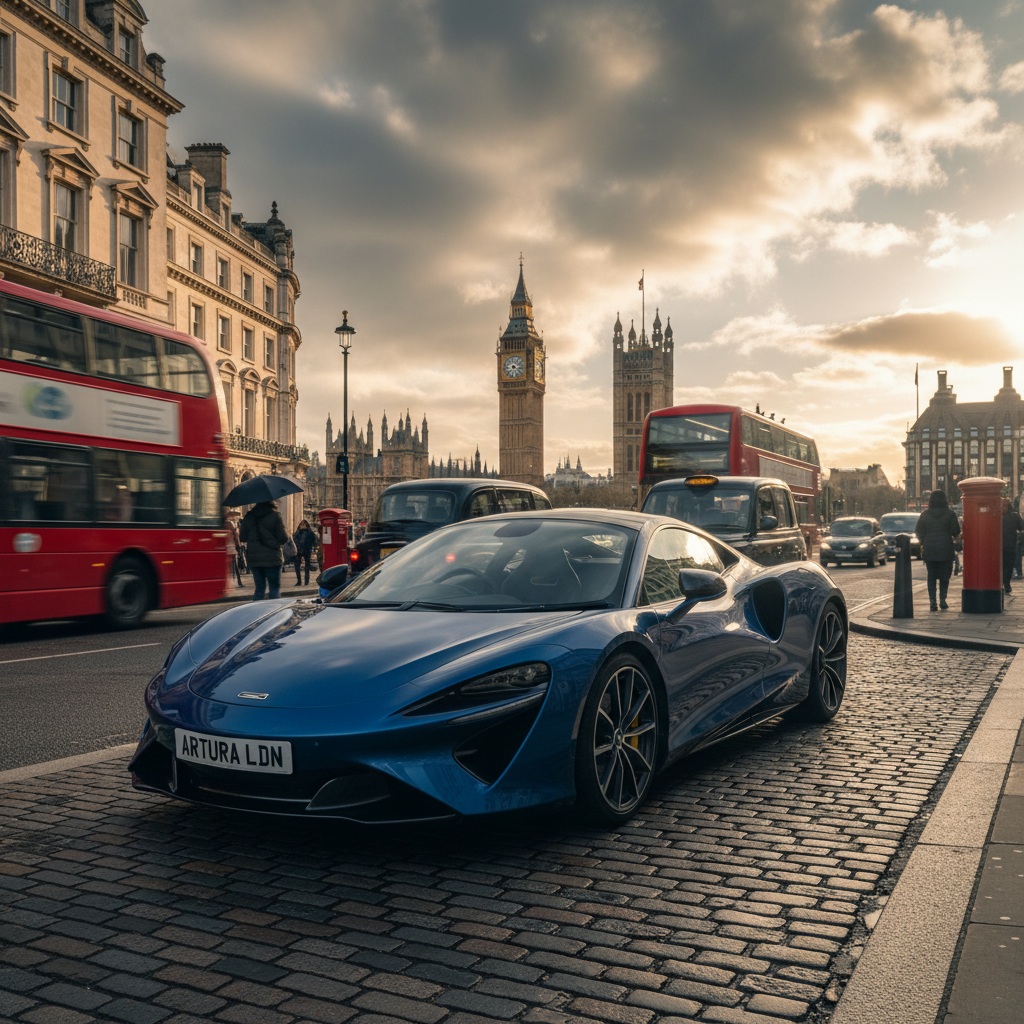
For years, the electric vehicle revolution has been measured by a single, blunt metric. Tailpipe emissions. Or rather, the lack of them. But as we edge closer to an electric-only horizon, the conversation is finally maturing. It is no longer just about what comes out of the back of the car, but how the entire machine is built, used, and recycled. Personally, I think this shift is long overdue. The next phase of zero-emission motoring isn't just about being green; it’s about clever engineering.
We are currently watching a fascinating collision between old-school British luxury and modern environmental science. Take Bentley’s upcoming leap into the battery-powered arena. According to a recent report by Ars Technica, the Crewe-based brand has teased its first-ever battery-electric vehicle, named the Torcal, ahead of a full reveal in late September. For British buyers on the fence about plugging in, this is a major moment. It proves that electric power is no longer a compromise, but the ultimate expression of refinement. Mind you, building a multi-tonne luxury cruiser requires massive battery packs, which brings us to the real problem: weight.
The Efficiency Equation: Clearing the Yards
To make a real difference, EVs must sell in serious numbers, and the latest market data suggests the appetite is stronger than the sceptics claim. Ars Technica recently reported that Tesla’s sales jumped by 25% in Q2 2026, with deliveries actually outstripping production. This means the American giant has cleared out its older, parked-up inventory. For British drivers, this is good news indeed. Better stock flow and scaled production eventually mean more stable pricing and easier access to tech on the used market. No surprises there.
But building more cars means we must look at how we manage them. In the petrol era, tuning was about squeezing more fuel and air into physical cylinders. Today, as Ars Technica highlighted in an investigation into ECU tuning, the battleground has shifted to software and silicon. Car firms lock down chips; tuners try to crack them. In the EV world, this "tuning" is actually about thermal management and battery longevity. To be fair, a future-proof EV isn't just one with a massive battery. It is one with clever, secure software that guards every single kilowatt-hour of energy. This focus on intelligent management of power and resources reflects the broader trend of how silicon, software, and luxury are redefining road authority, prioritizing efficiency and advanced features over sheer power. Additionally, advancements in track-bred thermal tech are unlocking next-gen EV range and rapid charging, emphasizing that managing heat effectively is crucial for both battery life and performance.
The Manufacturer Shake-up
This transition was never going to be easy. Legacy giants are feeling the pain of retooling their empires. As reported by Ars Technica, the VW Group and its unions are locked in a bitter dispute over restructuring. While the plan aims to halve the number of models to boost efficiency, it tries desperately to avoid mentioning factory closures or job cuts. For the customer, this cull is actually a positive trend. Fewer models mean manufacturers can focus their cash on perfecting battery chemistry and charging, rather than spreading themselves thin across dozens of niche cars that nobody buys. This strategic realignment, coupled with the influence of geopolitics and market realities, is refining your next electric car, ensuring that global and economic factors play a significant role in developing more focused and efficient vehicle lineups.
If you're hesitating about going electric, these board-room battles will ultimately deliver more reliable, better-engineered, and cheaper family cars. The industry is trimming the fat. What remains will be a much leaner, electric-first sector. In my book, that can only be a good thing.
Key Takeaways for Future EV Buyers
- Software is King: Look beyond horsepower; battery management software and over-the-air updates will determine your car's future resale value and range.
- Streamlined Lineups: Legacy brands like VW reducing their model ranges means better software support and parts availability for the core electric models that remain.
- Luxury Goes Green: High-end arrivals like the Bentley Torcal prove that ultra-luxury and zero-emission drivetrains are now synonymous.
- Robust Demand: Tesla’s 25% sales leap proves the transition is far from stalling; infrastructure and market confidence continue to mature.
The Verdict
The green credentials of tomorrow's transport look strong, but only because carmakers are finally sorting out their messy internal structures. By killing off pointless models, securing vehicle software, and proving that even Bentley can go electric, the industry is building a proper, sustainable future. If you are ready to make the jump, the message is simple: the tech is ready, the brands are focused, and the cars are only getting better, trading digital hype for driver-first engineering.