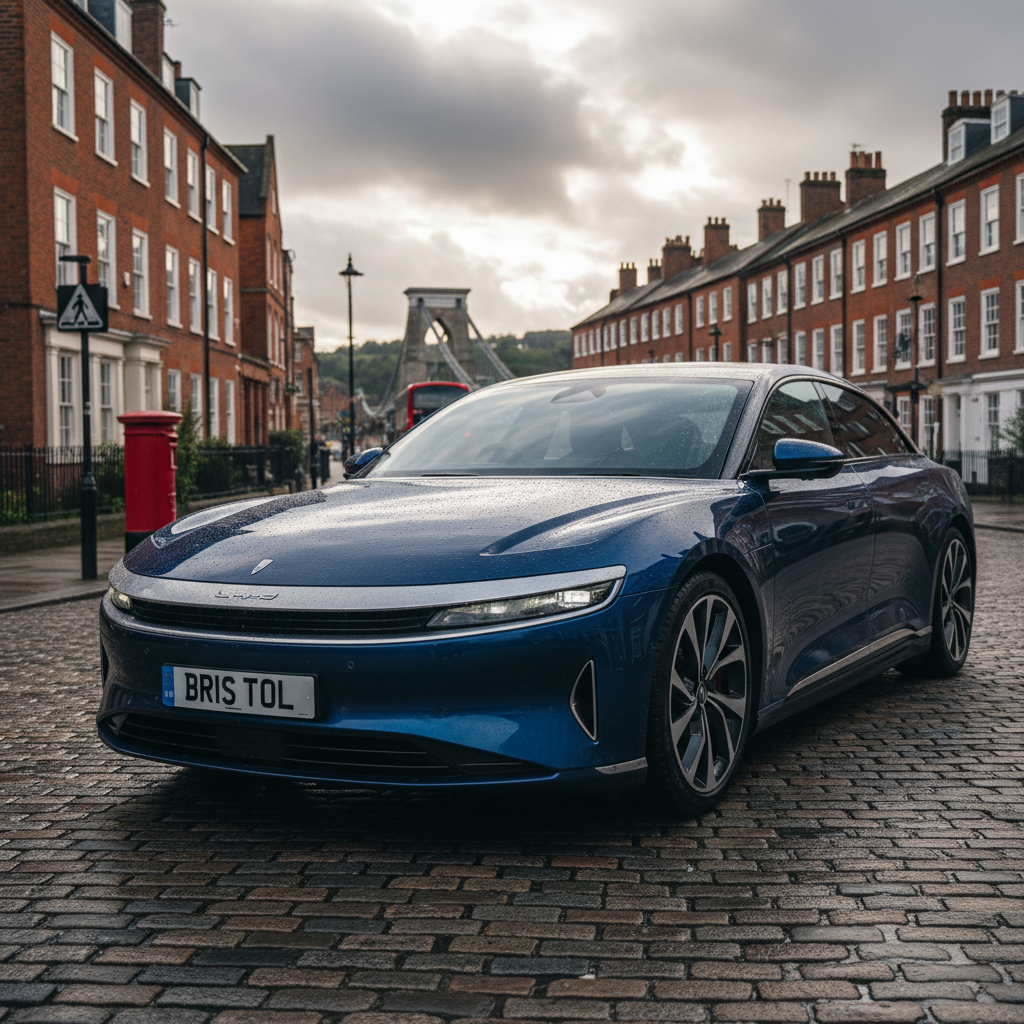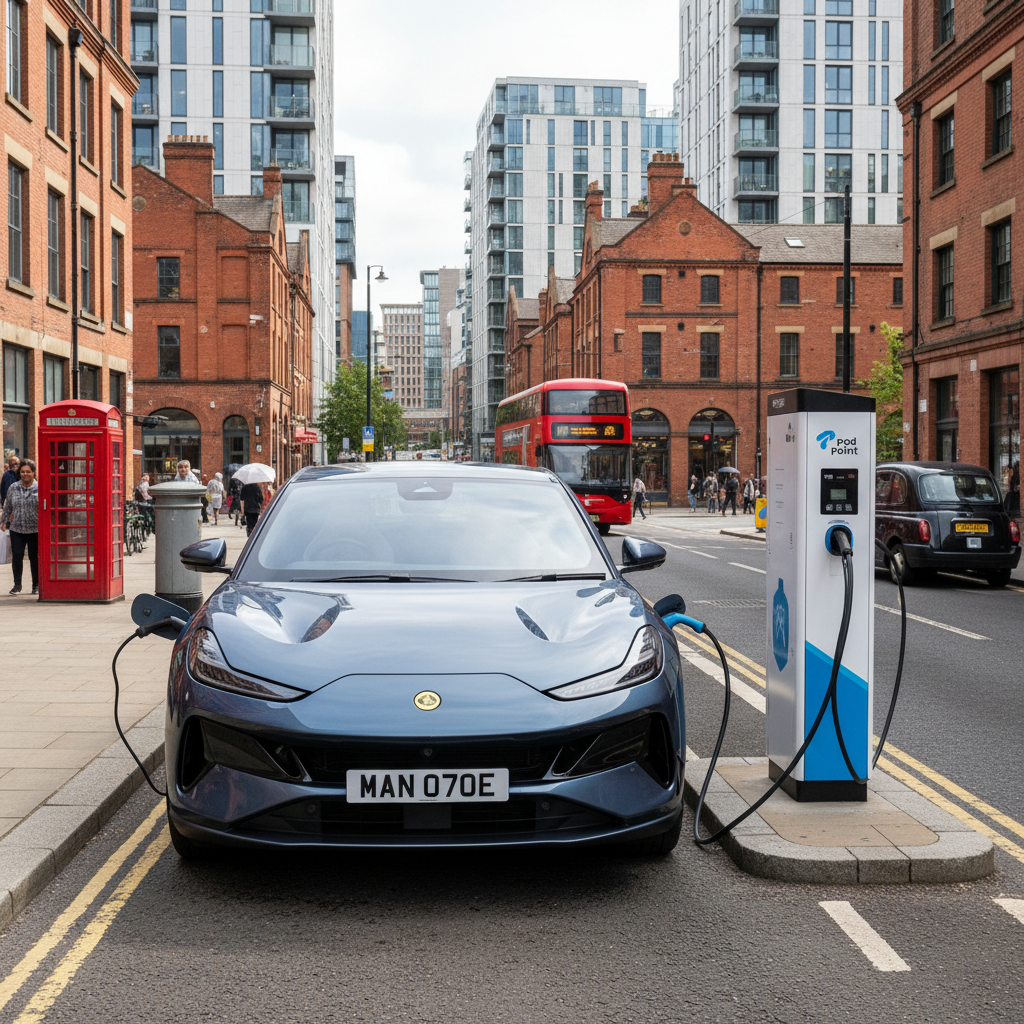


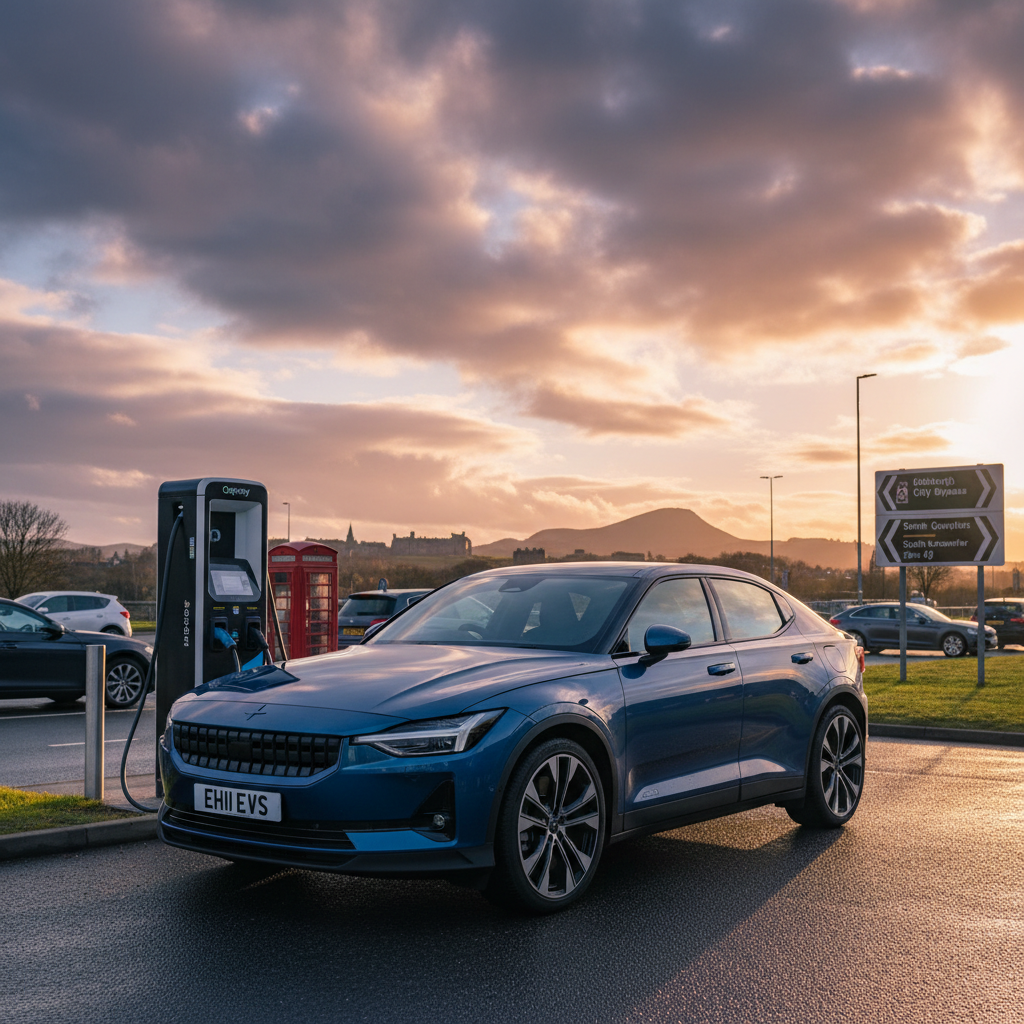
Walk into a modern car showroom today and you would be forgiven for thinking you have wandered onto a sci-fi film set. It is a wild time to be a motorist. High-end electric vehicles now boast fighter-jet performance, cinema-sized screens, and self-learning artificial intelligence. Yet, as someone who champions the green transition, I see a worrying divide. The car industry is splitting in two. On one side, we have hyper-advanced, premium showcases. On the other, a struggling mass market where making zero-emission driving affordable is proving a massive headache.
The Premium Tech Arms Race
No one can deny that top-tier electric cars are spectacular bits of kit. Take the newly launched Lucid Gravity Touring, for instance. A review by Ars Technica suggests this hulking electric SUV manages to be quick, comfortable, spacious, and remarkably agile all at once. In my book, it is a masterclass in modern powertrain engineering. Similarly, luxury icon Land Rover is breaking its own mould with the upcoming Range Rover GT. This low-slung, non-SUV EV is designed to take the fight to premium electric saloons before eventually offering a hybrid variant.
Developing this stuff costs a fortune. Indeed, the industry's biggest players are throwing cash at artificial intelligence rather than the simple business of building cars. Ars Technica reports that while Tesla’s Q2 revenues rose, profits took a proper beating as Elon Musk redirected capital toward massive AI computing infrastructure. Thrilling as intelligent tech might be, it raises an important question. Is this heavy spending on autonomous coding delaying the arrival of the cheap, eco-friendly hatchbacks and family estates that normal buyers actually need? I reckon it is.
The Mass-Market Bottleneck
While premium brands push boundaries, the road for everyday motorists is a bit of a faff. The cheaper end of the market desperately needs viable options, yet manufacturers find the profit margins incredibly tight. The Volkswagen Group is currently locked in tense negotiations with trade unions. As reported by Ars Technica, VW plans to cut its model lineup in half to remain competitive against cheaper rivals, showing the immense pressure legacy brands face in the electric era.
If you are on a tight budget, prepare to compromise. The new, ultra-budget 2027 Kia Seltos petrol SUV offers a handsome package for under $25,000 in North America, but the highly anticipated hybrid version has been delayed. This leaves eco-conscious, budget-focused buyers in a holding pattern. Until clean drivetrains are as cheap to build as old-fashioned petrol engines, millions of motorists will simply be priced out.
Thankfully, sensible halfway houses do exist. Take the Toyota RAV4 Plug-in hybrid, reviewed by Ars Technica. It features a decent battery that handles the daily commute entirely on electric power. For families wanting to slash emissions without the angst of the public charging network on long trips, plug-in hybrids represent a brilliant, highly practical bridge.
What This Means for UK EV Buyers
If you are thinking of making the switch, you probably find yourself weighing high upfront costs against long-term fuel savings. In the UK, the premium price of a new EV remains the biggest roadblock to widespread adoption. While some regions offer targeted support (such as California’s new rebates for first-time and used EV buyers reported by Ars Technica), our government’s incentives are hopelessly weak. To be fair, we sorely need stable, long-term support to supercharge the second-hand market and get everyday drivers out of petrol and diesel cars.
We also have to talk about software. Buying a tech-heavy EV means trusting a manufacturer to support its digital architecture for a decade or more. For electric motoring to actually work, cars must be built to last. Physically, yes, but digitally too.
Key Takeaways
- The Premium Boom: High-end EVs like the Lucid Gravity and Range Rover GT show off brilliant engineering, but they remain far too expensive for most.
- AI vs. Affordability: Tesla and others are pouring billions into AI, squeezing margins and potentially slowing down the arrival of cheap electric cars.
- Corporate Pressures: Legacy giants like VW are hacking back model lineups just to survive against low-cost rivals.
- PHEVs as a Pragmatic Bridge: Plug-in hybrids with decent electric range, such as the Toyota RAV4 Plug-in, are the best real-world option for daily zero-emission driving.
The Verdict
The electric transition cannot succeed if it remains a luxury club. While we should praise the impressive technology trickling down from premium SUVs, the real test is how we make this tech affordable for everyone. True progress is not measured by how many six-figure electric grand tourers we sell. It is measured by how quickly we can put clean, affordable, and durable cars onto the driveways of ordinary working families. This is why demystifying the low-cost EV is so crucial, looking at how budget utility and autonomous fleets are redefining zero-emission mobility. Moreover, the focus should shift towards the power of the pivot, with automakers rewriting the EV roadmap for practicality and price.