

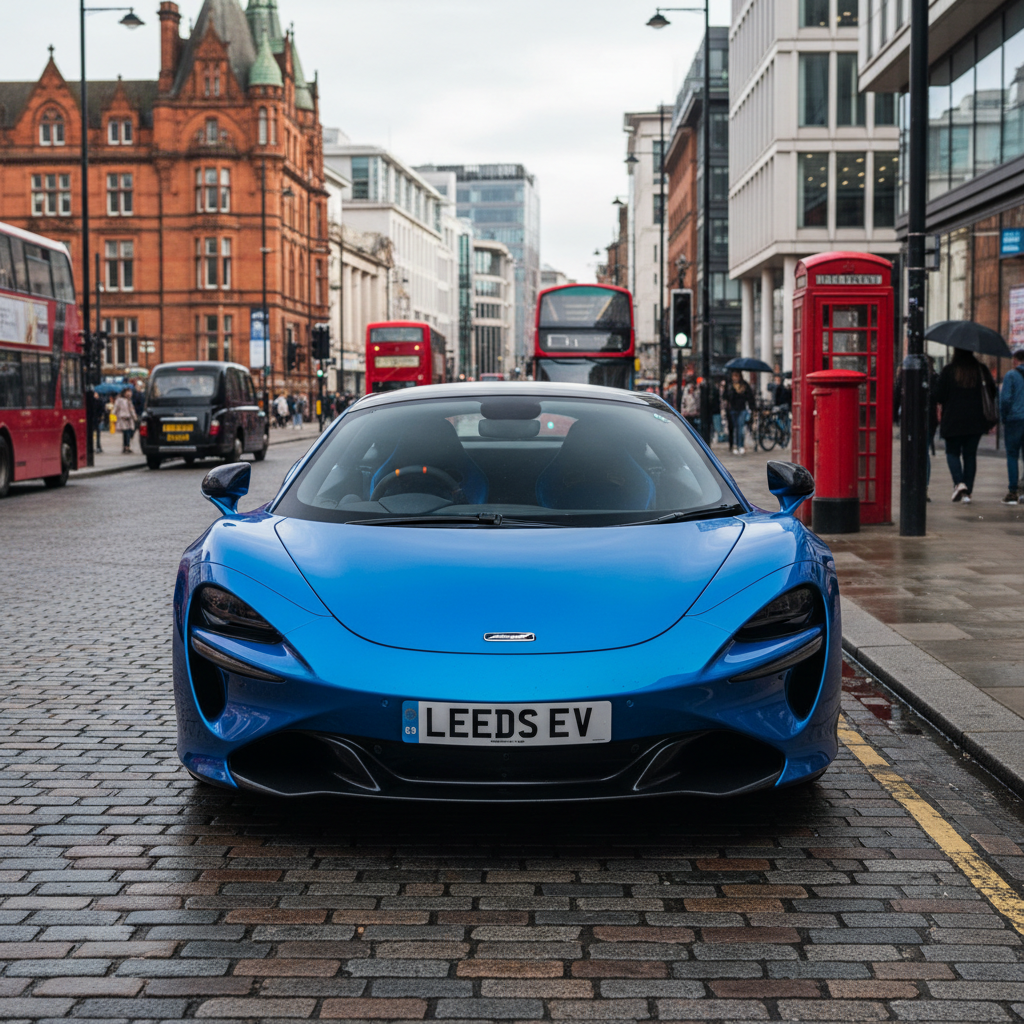
For years, the electric vehicle transition was defined by raw chemistry. We obsessed over lithium-ion cell density, debated the merits of solid-state research, and calculated range figures down to the single mile. But the battlefield has fundamentally shifted. The modern EV is no longer just a battery on wheels. It is a highly sophisticated, software-defined computer on tyres that dictates how the vehicle behaves, how it is regulated, and how it protects itself.
This transition into the "intelligence era" of motoring brings a frustrating paradox. On one hand, we get brilliant, self-monitoring systems. On the other, the traditional relationship between driver and machine is being completely rewritten by proprietary code and locked silicon. Crucially, I reckon that if you are considering making the switch to an electric vehicle today, understanding this software ecosystem is just as vital as knowing your kilowatt-hours.
The Software Lock: Why Your Next EV is a Digital Fortress
In the traditional automotive world, extracting more performance was a matter of oily hands, larger turbos, and mechanical ingenuity. Today, as explored in an investigation by Ars Technica into ECU tuning, we are locked in an intense digital arms race. Manufacturers are securing their vehicles' Engine Control Units and powertrain microchips with military-grade encryption, whilst aftermarket specialists scramble to crack them. In the EV space, this dynamic is amplified tenfold.
Because an electric motor's output, torque delivery, and thermal limits are entirely governed by lines of code, manufacturers can easily gate performance behind digital paywalls. For the British motorist, this raises critical questions about ownership. When you buy a modern EV, do you actually own the hardware, or are you merely leasing the right to run the manufacturer's proprietary software? This shift makes future-proofing your vehicle less about physical maintenance and more about securing long-term software support from the mothership.
Predictive Safety and the Autonomous Guardian
Yet, the benefit of this absolute digital control is an unprecedented level of safety. Consider a bizarre but telling real-world incident reported by Ars Technica, in which two teenagers attempting a toy gun drive-by shooting from inside a Waymo robotaxi found themselves immediately thwarted. The vehicle's onboard sensors and software instantly recognised the threat, safely came to a halt, automatically dialled the emergency services, and waited for local police to arrive.
This is the true promise of future mobility. It is zero-emission transport that doubles as an active guardian. For everyday drivers, this level of sensor integration means your vehicle isn't just reacting to crashes; it is actively reading the environment to prevent them entirely. For my money, pairing zero-emission drivetrains with high-level cognitive computing is the single biggest step forward in road safety we will see this decade.
High-End Validation: Luxury Goes Fully Electric
If there is any lingering doubt that electric propulsion is the ultimate expression of automotive refinement, the luxury sector is putting it to bed. Bentley has officially teased its very first battery-electric vehicle, the Torcal, set for a full reveal in late September. According to Ars Technica, this highly anticipated launch signals that the pinnacle of British luxury motoring is officially transitioning to a zero-emission, silent-torque future.
This matters to the everyday consumer because luxury technology eventually trickles down. It is a bit of a faff waiting for it, admittedly. But the advanced thermal management systems, noise-cancelling cabin algorithms, and ultra-rapid charging architectures engineered for a high-end Bentley Torcal today will inevitably refine the family hatchbacks and compact SUVs of tomorrow.
Key Takeaways for Future EV Buyers
- Software Matters More Than Ever: Modern EVs are digital-first. Ensure your chosen brand offers long-term, over-the-air (OTA) updates to maintain performance and battery health.
- The Safety Dividend: Integrated sensor suites do more than assist parking; they represent a massive leap forward in active pedestrian and driver security.
- Trickle-Down Tech: High-end luxury EV developments by prestigious marques like Bentley will ultimately drive down cost and boost efficiency for mass-market cars.
The Verdict: A Smarter, Greener Road Ahead
As we transition away from petrol and diesel, our relationship with cars is evolving. The green credentials of today’s electric vehicles are already superb, but their rising intelligence makes them truly future-proof. By locking down code to protect battery longevity, integrating active safety smarts, and bringing ultra-refined engineering to the luxury space, the modern EV is proving that the future of mobility isn’t just cleaner. It is simply much smarter.