

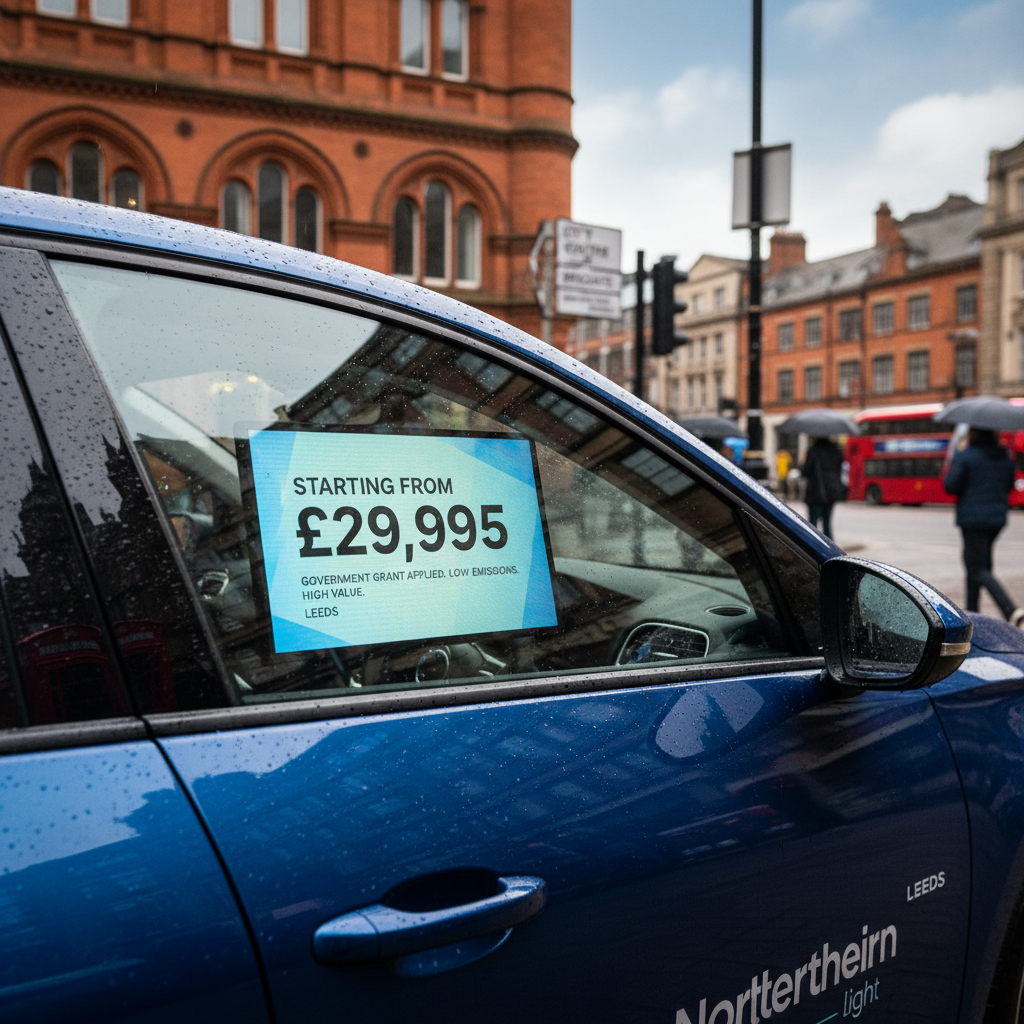
For years, the electric vehicle transition has felt a bit like a high-end tech showcase. We’ve marvelled at multi-million-pound hypercars and ultra-luxury cruisers, but for the average motorist standing on a forecourt, the reality of making the switch has often been halted by one nagging question: “When does this technology actually become affordable for me?”
Fortunately, we are reaching a critical tipping point. The conversation is rapidly shifting away from raw, unbridled horsepower and towards something far more valuable: democratic accessibility, manufacturing efficiency, and clever regulatory workarounds. If you are considering making the switch to electric motoring today, the landscape is becoming fairer, smarter, and infinitely more practical.
Targeted Incentives: Lowering the Barrier to Entry
The biggest hurdle to widespread EV adoption has always been upfront cost. While early adopters were happy to pay a premium, bringing the next wave of motorists on board requires pragmatic financial solutions. We are starting to see highly targeted policy shifts designed to do exactly that, focusing on those who need it most rather than subsidising luxury lifestyle choices.
A prime example of this targeted approach can be seen in North America. According to a report by Ars Technica (“First-time EV buyers in California can now claim a new rebate”), a fresh incentive scheme has been launched specifically targeting first-time EV buyers, offering substantial rebates on both new and used electric vehicles, provided they fall under strict price caps. By focusing support on affordable models and used stock—including a dedicated rebate for pre-owned electric cars—policymakers are helping to establish a healthy, self-sustaining secondary market. This is exactly the kind of framework we need to see replicated globally to ensure green mobility isn’t reserved solely for the affluent.
The Lean Machine: Simplifying the Factory Floor
But government incentives can only do so much; carmakers themselves must address the cost of production. For too long, legacy manufacturers have bloated their portfolios with minor variations of the same basic vehicles, driving up engineering and supply chain costs. Now, the pressure is on to streamline.
As reported by Ars Technica (“VW Group and unions disagree on plan to streamline the automaker”), Volkswagen is currently locked in negotiations over a sweeping plan to halve its model lineup. While such corporate restructuring often causes friction with trade unions, the core philosophy is undeniable: simplifying vehicle architecture is key to survival in the electric era. By cutting down on unnecessary model variants, legacy brands can free up billions in capital to pour directly into cutting-edge battery research, standardized software platforms, and localized supply chains. For consumers, a streamlined factory floor ultimately translates to a more reliable, future-proof, and affordable vehicle on the driveway.
The Software Paradox: Control vs. Customisation
This drive toward standardization is also transforming how our cars are programmed and maintained. In the internal combustion engine (ICE) era, aftermarket tuning was a rite of passage for car enthusiasts. However, as cars become essentially computers on wheels, a new battleground has emerged.
According to an investigation by Ars Technica (“Like a cheat code for your car: We investigate ECU tuning”), there is an ongoing “arms race” between original equipment manufacturers (OEMs) locking down vehicle chips and independent tuners trying to crack them. In the EV space, this software-locking has massive implications. While manufacturers lock down software to protect battery longevity, ensure thermal safety, and secure over-the-air (OTA) update pathways, it raises vital questions about the “right to repair” and long-term ownership. As consumers, we must advocate for a balance where software security protects our investments without stripping away our autonomy to service our own eco-friendly vehicles.
Autonomous Public Transit: A Quirky Glimpse of the Future
While personal ownership is evolving, our relationship with shared, urban transit is also undergoing a quiet, autonomous revolution. Sometimes, this progress comes with a side of regulatory eccentricity.
In California, as highlighted by Ars Technica (“Free Waymo rides in California? You can thank a regulatory quirk”), a bureaucratic delay by state regulators has temporarily allowed passengers to hail free robotaxi rides in Waymo’s new Ojai vehicle. While these self-driving fleets are not without their teething issues—such as another recent Ars Technica report detailing two teenagers who learned the hard way that autonomous vehicles will instantly contact the police when subjected to anti-social behaviour—they represent a vital pillar of future urban mobility. A zero-emission, autonomous ride-hailing network could drastically reduce the need for multi-car households, easing urban congestion and slashing localized emissions in one fell swoop.
Key Takeaways for Future-Proof Motoring
- Targeted Subsidies Matter: New incentive schemes focusing on price-capped and used EVs are essential to making zero-emission transport accessible to everyday drivers.
- Streamlined Manufacturing: Automakers are slashing model variations to reduce overheads, directly lowering the retail price of next-generation electric cars.
- Software Ownership: The shift to highly secure, software-reliant platforms protects battery health but challenges the traditional right to repair.
- Autonomous Integration: Self-driving, electric ride-sharing fleets will play a crucial role in reducing urban congestion and personal car dependency.
The Verdict
The green transition is maturing. The automotive industry is moving past the initial phases of flashy, high-cost proof-of-concepts and entering the hard, practical phase of mass-market optimization. By streamlining production, targeting subsidies where they are needed most, and utilizing software to manage vehicle lifespans, the industry is paving the way for a truly sustainable motoring future. If you’ve been waiting on the sidelines for EVs to become a sensible, cost-effective choice, the wait is very nearly over.