

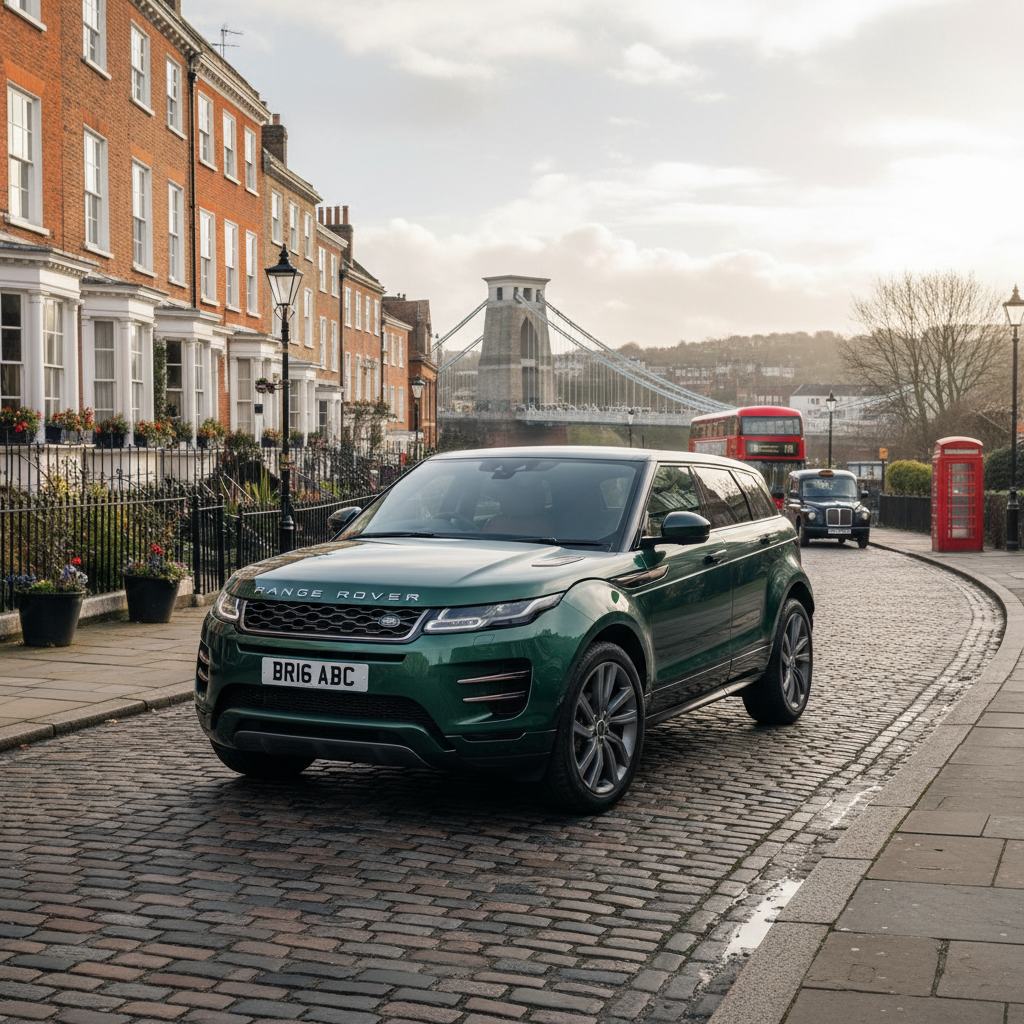
When we talk about electric vehicles, the conversation often steers towards range, charging times, and upfront costs. But peel back the layers, and you'll find a silent revolution brewing – one driven by artificial intelligence and increasingly intelligent infrastructure. This isn't just about bigger screens in our dashboards; it's about pioneering design, smarter energy management, and ultimately, a more sustainable and accessible electric future.
The AI Engine: Sculpting the Next Generation of EVs
For too long, AI in cars has been synonymous with driver-assist features or voice commands. While systems like GM's Super Cruise, which recently logged a billion miles on geofenced highways, are certainly impressive advancements in hands-free, eyes-on autonomy, the true impact of AI is now reaching even deeper into the automotive design process. We're seeing it in the very genesis of new vehicles.
Consider the radical approach taken by autonomous vehicle developers like Zoox, who reportedly start with the sensors and then design the rest of the robotaxi around them. This sensor-first strategy, driven by AI's insatiable need for data, allows for a bidirectional design that offers clear advantages for future mobility services. This isn't just about where cameras go; it's about how the vehicle fundamentally interacts with its environment.
And it's not just concept vehicles. Even in the high-stakes world of motorsport, AI is described as becoming a new CFD (Computational Fluid Dynamics) tool, multiplying limited computational resources to refine aerodynamic efficiency. This cutting-edge application of AI to complex simulations means that future EV designs, from battery cooling to vehicle body shapes, will be optimised to an unprecedented degree for efficiency, range, and performance – translating directly into more eco-friendly and longer-range daily drivers.
There's also a rising tide of innovation from the East. Reports from Arstechnica.com highlight that China wants its cars not just 'full of screens,' but also 'packed with AI.' This push indicates a strong focus on integrating advanced AI for everything from enhanced user experience to predictive maintenance and energy management, driving forward the tech race and ultimately benefiting consumers globally with more sophisticated and sustainable vehicles.
Smart Charging, Smarter Choices: Powering the UK's EV Transition
Of course, a brilliantly designed EV is only as good as the infrastructure supporting it. And here in the UK, we're seeing concerted efforts to bridge the gap. Imperial College London recently noted that current EV battery ranges now reach almost 300 miles for the newest models, a significant step forward thanks to innovations in energy density. This increased range directly tackles 'range anxiety,' making EVs a more practical option for a wider audience.
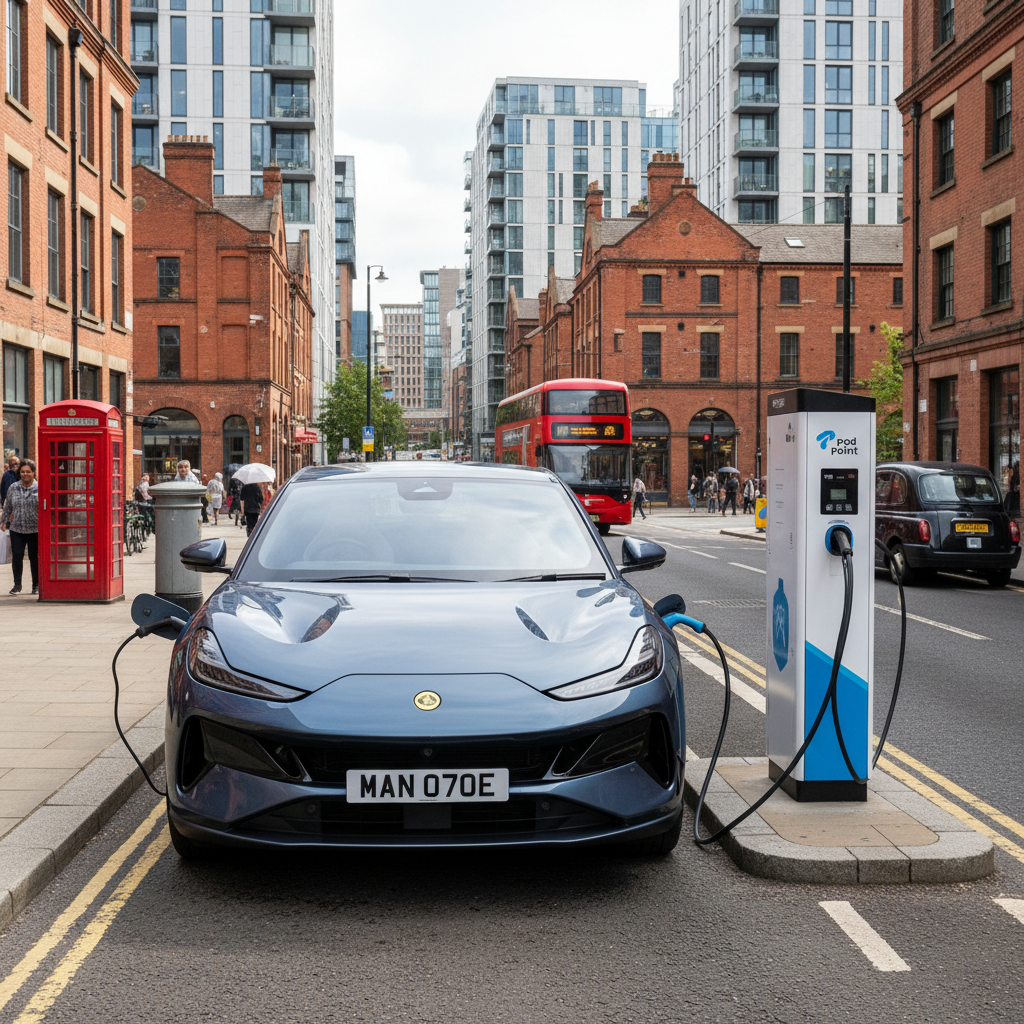
However, the rapid uptake of EVs requires an equally rapid expansion and modernisation of our charging network. The government's recent consultation on extending permitted development rights for EV charging infrastructure, which ran from November 2025 to January 2026, aims to reduce strain on local planning authorities and accelerate deployment. This is crucial for addressing the 'two-tier system' of charging access that has unfortunately emerged in some areas, as reported by EVInfrastructureNews.com.
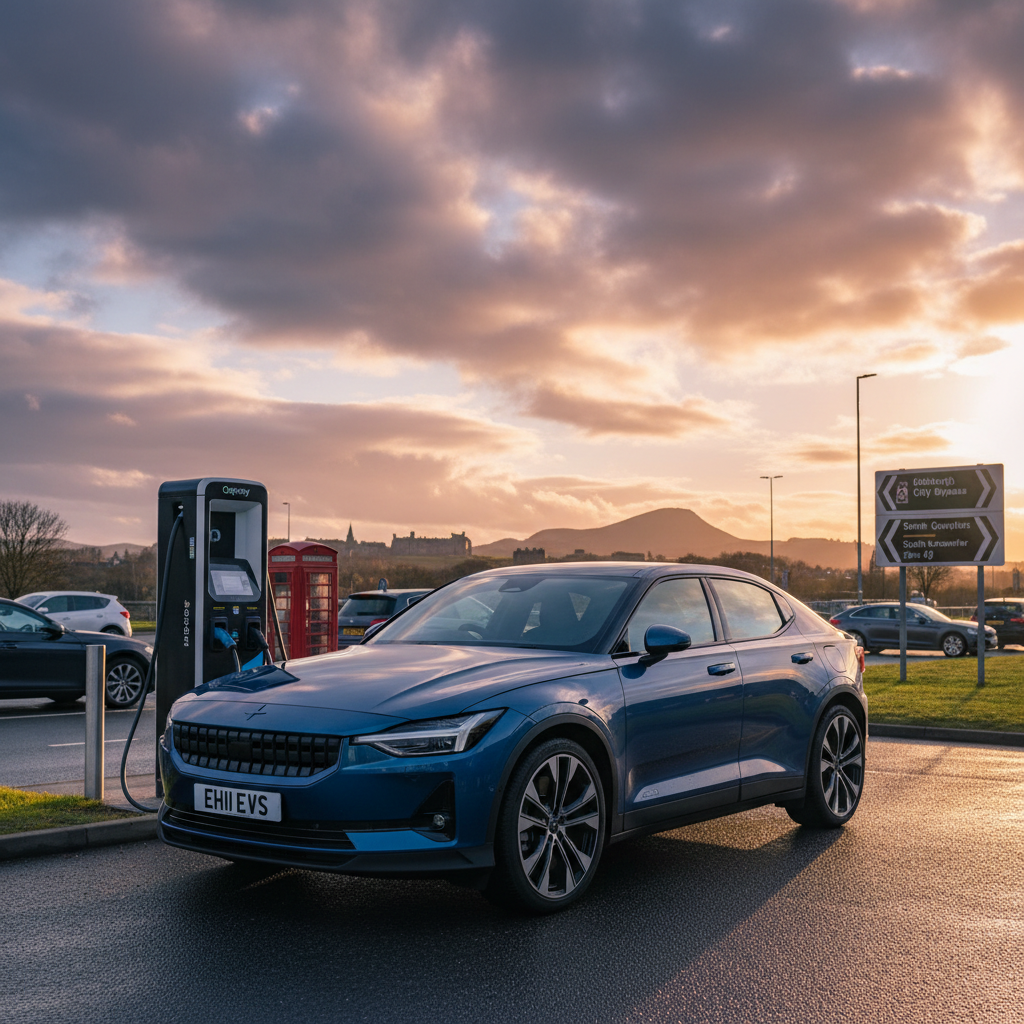
The good news? The UK saw 14,097 new EV charge points installed across the UK in 2025 alone, bringing the total to over 46,000 locations with nearly 120,000 connectors, according to RAC Drive data. Projections for mid-2026 suggest over 5,000 ultra-rapid chargers nationwide, with charging speeds up to a blistering 500kW at select locations – that's enough to add 100 miles of range in under three minutes! This kind of rapid progress, coupled with grants for home and workplace charge points and the relaxation of some ZEV mandate rules in April 2025 (House of Commons Library), paints a promising picture.
Emerging technologies like Vehicle-to-Grid (V2G) solutions and smart charging systems are also enhancing grid efficiency and reliability, transforming a simple charge point into a dynamic energy asset. These innovations are vital for sustainability, ensuring that our rapidly expanding EV fleet integrates seamlessly into our national energy infrastructure without overload.
The Road Ahead: Practicality Meets Sustainability
For potential EV buyers, these advancements mean something very tangible: a future where electric driving is more convenient, more efficient, and more integrated into our lives. While some traditional brands, like Porsche, have reportedly sold their stake in Bugatti and Rimac Group, perhaps signalling a recalibration of their electric aspirations in certain segments, the broader industry continues its strong push into electrification. BMW, for instance, is offering its 2027 7 Series with an all-new battery and as a pure EV, alongside PHEV and inline-six options, demonstrating a clear commitment to diversified, sustainable powertrains.
Tesla, still a bellwether for the EV market, reported continued profitability in Q1 2026, with car sales up, even as battery sales and emissions credits fluctuated (Arstechnica.com). This resilience underscores the growing maturity of the EV market.
If you're considering making the switch, rest assured that the future is brighter and greener than ever. The fusion of AI-driven design and a rapidly evolving smart charging ecosystem is creating vehicles that aren't just eco-friendly, but genuinely superior to their fossil-fuel counterparts in many respects. It's an exciting time to be on the road.
Key Takeaways for Future-Proof Driving:
- AI is Redefining Design: From aerodynamic optimisation in motorsport to sensor-first robotaxis, AI is fundamentally shaping tomorrow's eco-friendly vehicles for efficiency and intelligence.
- Range Anxiety is Fading: New EVs offer nearly 300 miles of range, making longer journeys more feasible and everyday driving hassle-free.
- Charging is Speeding Up: The UK is expanding its ultra-rapid charging network, with speeds up to 500kW meaning minutes, not hours, for significant range boosts.
- Infrastructure is Getting Smarter: Government reforms and emerging V2G technologies are building a more robust, efficient, and reliable charging network.
- Sustainability Through Innovation: Advanced battery tech and smart charging are crucial steps towards a truly sustainable, zero-emission transport system.
The journey towards truly sustainable motoring is a dynamic one, constantly evolving with innovations in technology and infrastructure. The synergy between advanced AI design and a robust, intelligent charging network isn't just hype; it's the solid foundation upon which our green future is being built. And frankly, I can't wait to drive it.