

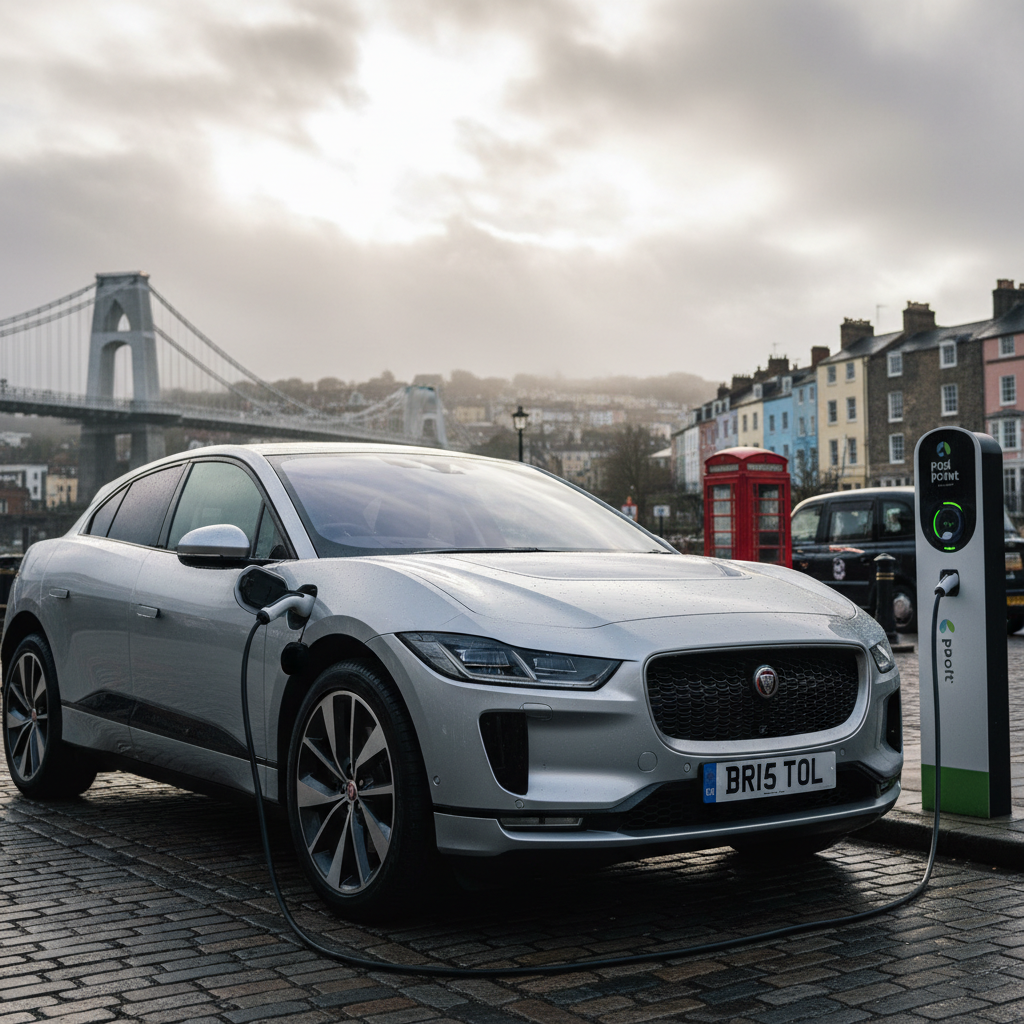
Forget the sleek lines and silent hum for a moment; the true revolution in electric vehicles isn't just under the bonnet, it's often invisible. We're witnessing a fascinating convergence of high-stakes motorsport innovation and ground-up urban mobility design, all powered by advancements in AI and sensor technology. This isn't just about faster cars; it's about fundamentally rethinking how we interact with our vehicles and indeed, our entire transport ecosystem.
The AI Edge: Crafting Efficiency from the Racetrack
It might seem a leap from the roar of a Formula E track to the quiet hum of your daily commute, but the lessons learned in motorsport are profoundly impacting the efficiency and design of future EVs. As Ars Technica highlighted, in motorsport, there's no hiding place for inefficiencies, and AI is becoming an indispensable tool. Computational Fluid Dynamics (CFD), traditionally a massive undertaking, is getting an AI-powered boost. This means engineers can iterate and refine aerodynamic designs at speeds previously unimaginable, optimising everything from drag reduction to battery cooling.
What does this mean for the everyday driver? It translates directly into enhanced range and performance. Every percentage point of efficiency gained through smarter aerodynamic design, perfected with AI, means fewer charging stops and more miles from your battery. It's about squeezing every electron for maximum utility, making EVs even more practical and eco-friendly.
Sensors First: The Blueprint for Autonomous Mobility
While AI optimises performance, another quiet revolution is happening in how vehicles perceive their surroundings. Take Zoox's approach to its robotaxi, as described by Ars Technica: they built the vehicle starting with its sensors. This 'sensors-first' philosophy is radical and critical for the development of truly autonomous, safe, and efficient mobility solutions. Imaging and LiDAR arrays aren't just tacked on; they're integral to the vehicle's very architecture, enabling a comprehensive, 360-degree understanding of its environment.
This level of sensor integration isn't just for taxis. It's paving the way for advanced driver-assistance systems (ADAS) in our personal vehicles that will redefine safety and convenience. GM's Super Cruise, which has already clocked a staggering billion miles, showcases the practical application of such systems on geofenced highways, as reported by Ars Technica. This isn't just 'hands-free'; it's about reducing driver fatigue and increasing road safety through sophisticated sensor fusion and AI interpretation.
Powering the Future: Batteries and Charging Evolution
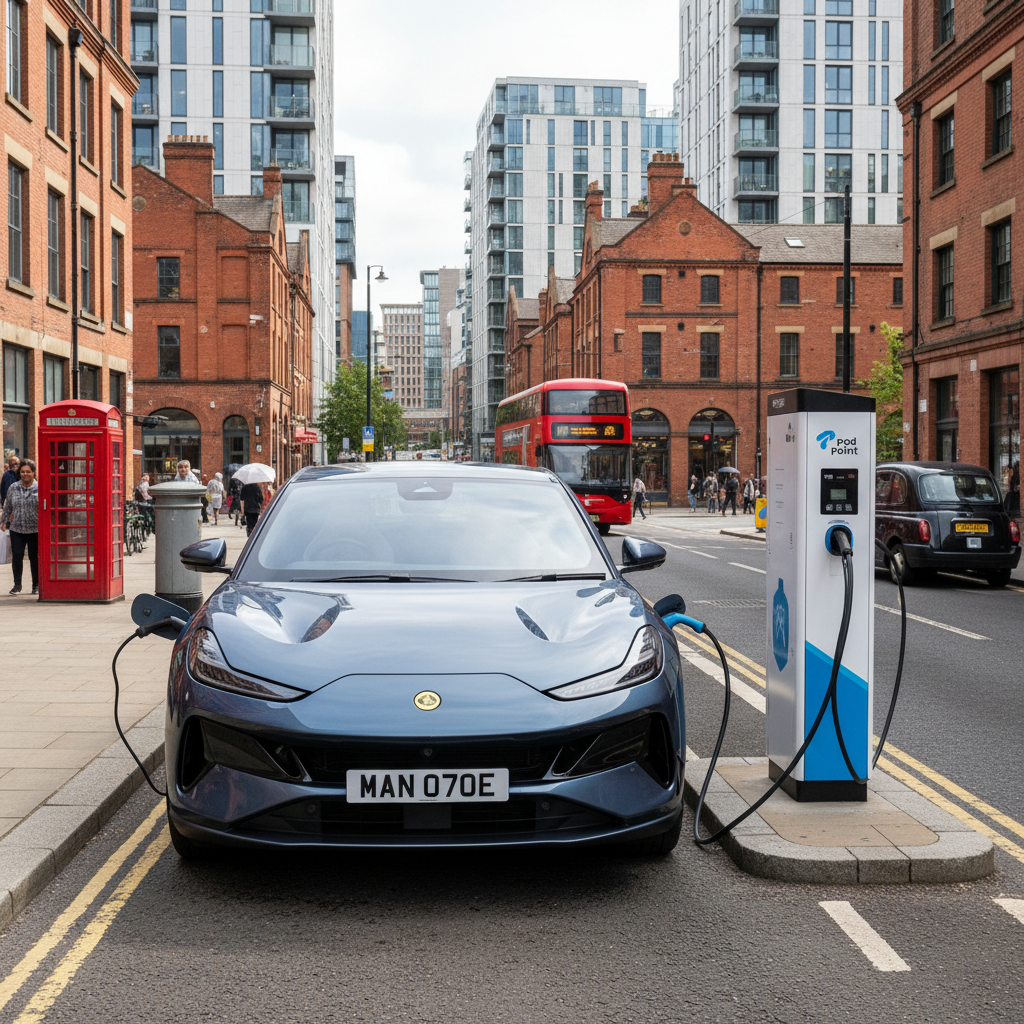
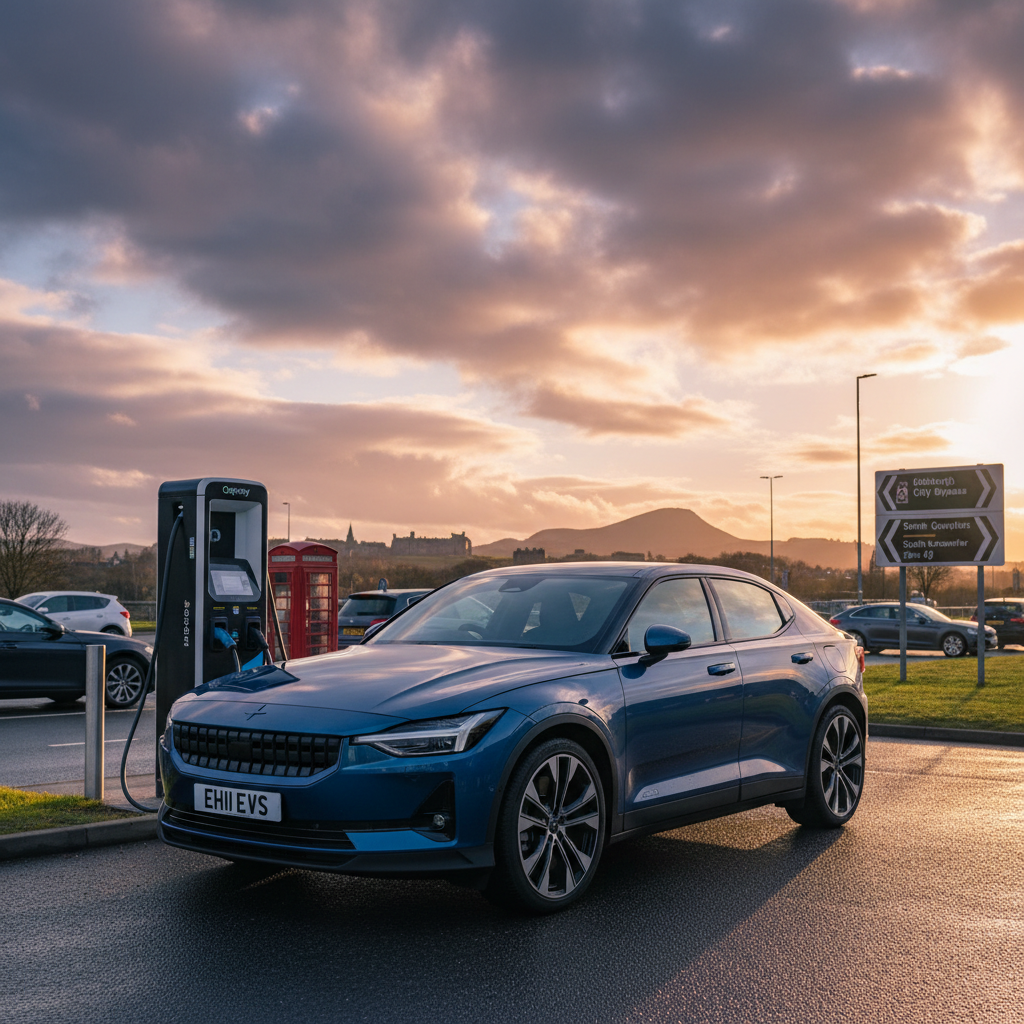
Of course, none of this progress matters without the power to back it up. The continuous evolution of battery technology remains central to the EV story. The latest EVs boast ranges nearing 300 miles on a single charge, a testament to innovations in energy density, as highlighted by Imperial College London's Grantham Institute. And as batteries improve, so does the charging infrastructure. ChargePoint recently unveiled a 600 kW fast charger, a significant leap forward that promises to add 100 miles of range in mere minutes at select locations by mid-2026, according to analysis by Electric Car Scheme. This rapid charging capability, coupled with more efficient battery chemistry, directly addresses range anxiety – a common concern for potential EV buyers.
The UK is also making strides in this area. While there have been some slowdowns in charger installation due to grid connection delays, as noted by EV Infrastructure News, the government is actively working to address a 'two-tier system' in charging provision through reforms. The House of Commons Library also points to government grants supporting chargepoint installation at homes and workplaces, indicating a clear push towards a more robust and accessible charging network. Smart charging systems and Vehicle-to-Grid (V2G) solutions are also emerging, promising to make the grid more efficient and resilient.
The Broader Picture: Sustainability and Practicality
If you're considering making the switch to an EV, these technological advancements translate into tangible benefits. Batteries are getting better, charging is getting faster and more widespread, and the vehicles themselves are becoming smarter and safer. Even established brands like BMW are doubling down on their EV offerings, with the 2027 7 Series available with an all-new battery, as reported by Ars Technica, showing an unwavering commitment to zero-emission motoring despite some market shifts.
While Porsche's decision to sell its stake in Bugatti and Rimac Group might seem like a step back for some electric aspirations, as Ars Technica observed, the overall trajectory for mainstream EV adoption remains strong. Tesla's continued profitability, as noted by Ars Technica, further underscores the commercial viability and growing demand for electric vehicles.
The convergence of AI-driven design, advanced sensor arrays, and ever-improving battery and charging tech isn't just exciting; it's fundamental to building a truly sustainable and practical motoring future. The future of driving will be cleaner, smarter, and more integrated than ever before, making the transition to electric not just an environmental choice, but a genuinely superior motoring experience.
Key Takeaways for the Future of Motoring:
- AI and Efficiency: AI in motorsport is directly optimising EV aerodynamics and battery management, leading to greater range and performance for consumers.
- Sensor-First Design: Ground-up integration of advanced sensors is crucial for safer, more reliable autonomous features and enhanced driver assistance.
- Rapid Charging & Battery Tech: Innovations like 600 kW fast chargers and higher energy density batteries are effectively tackling range anxiety.
- UK Infrastructure Boost: Government reforms and grants are set to accelerate the rollout of accessible public and private charging solutions across the UK.
- Sustainable & Smart: The synergy of these technologies is making EVs increasingly practical, environmentally friendly, and cost-effective for everyday drivers.