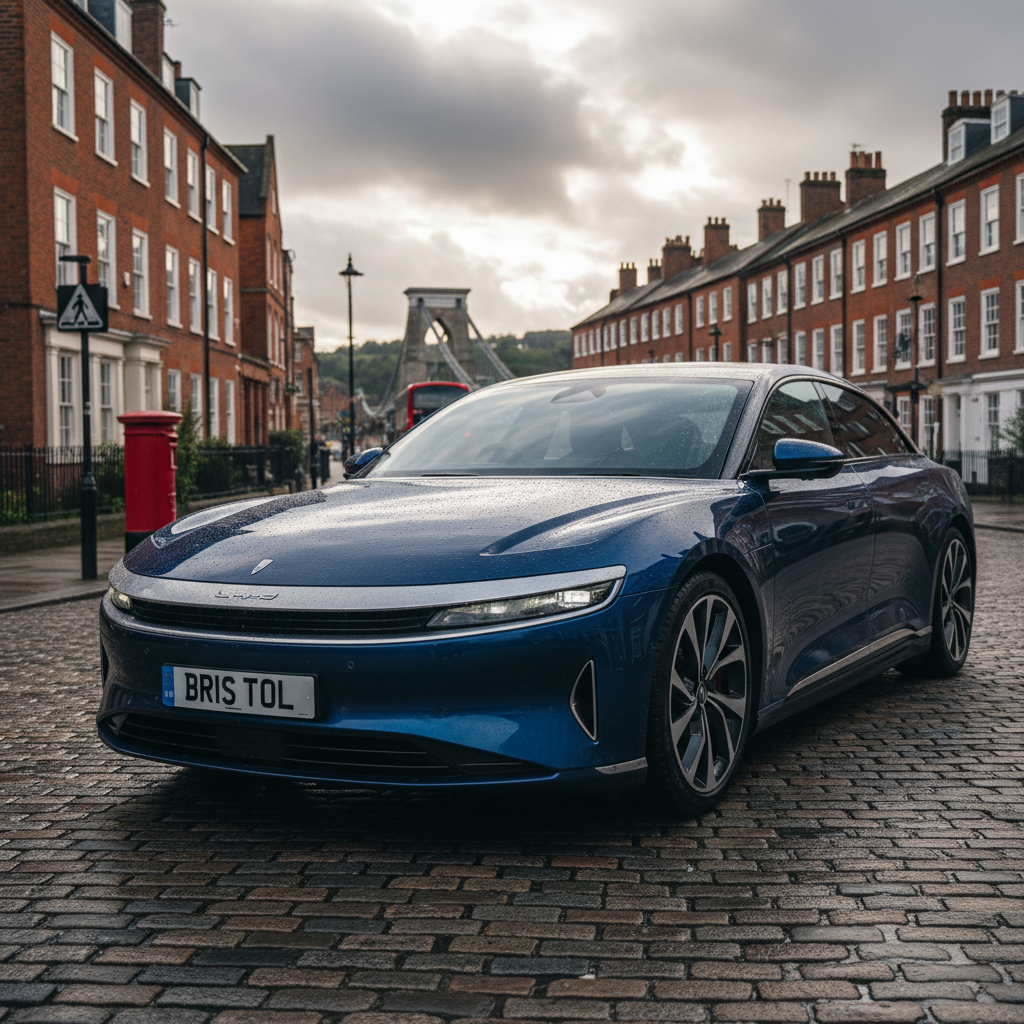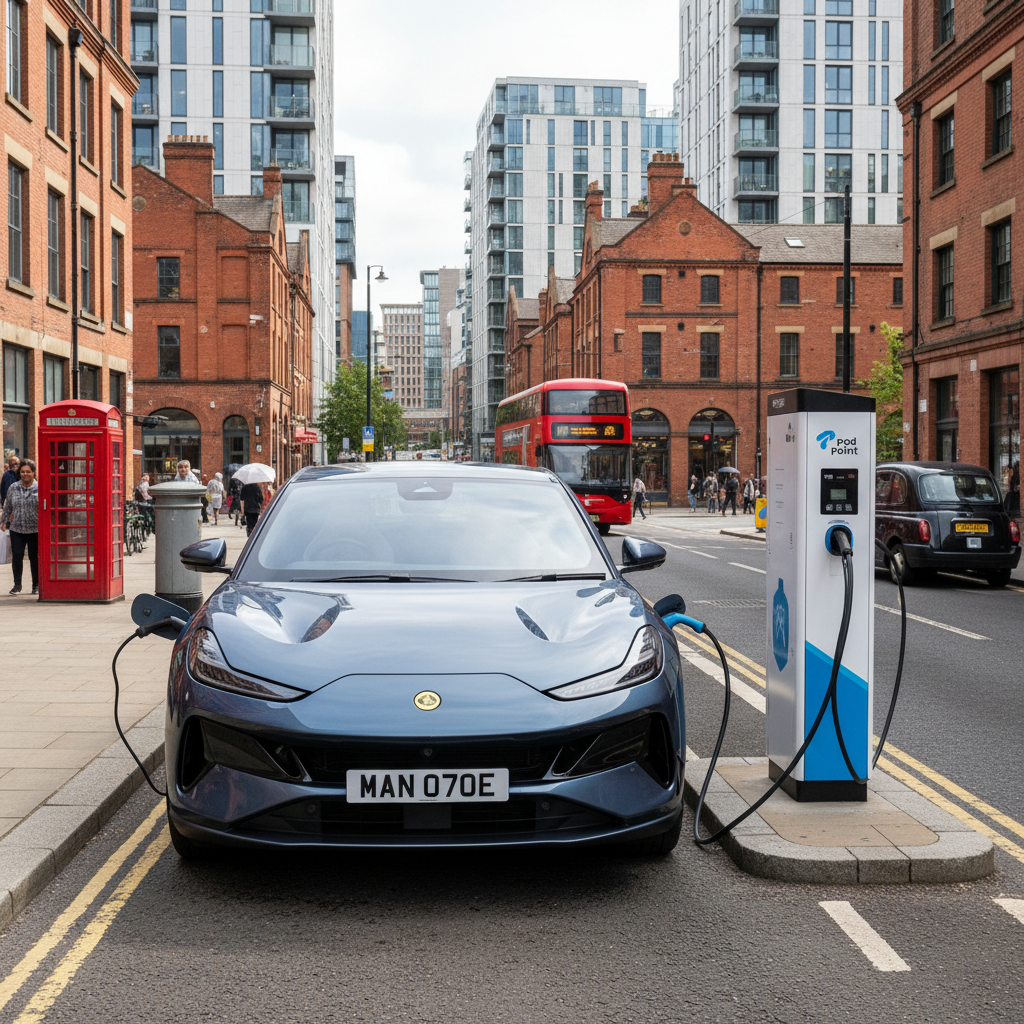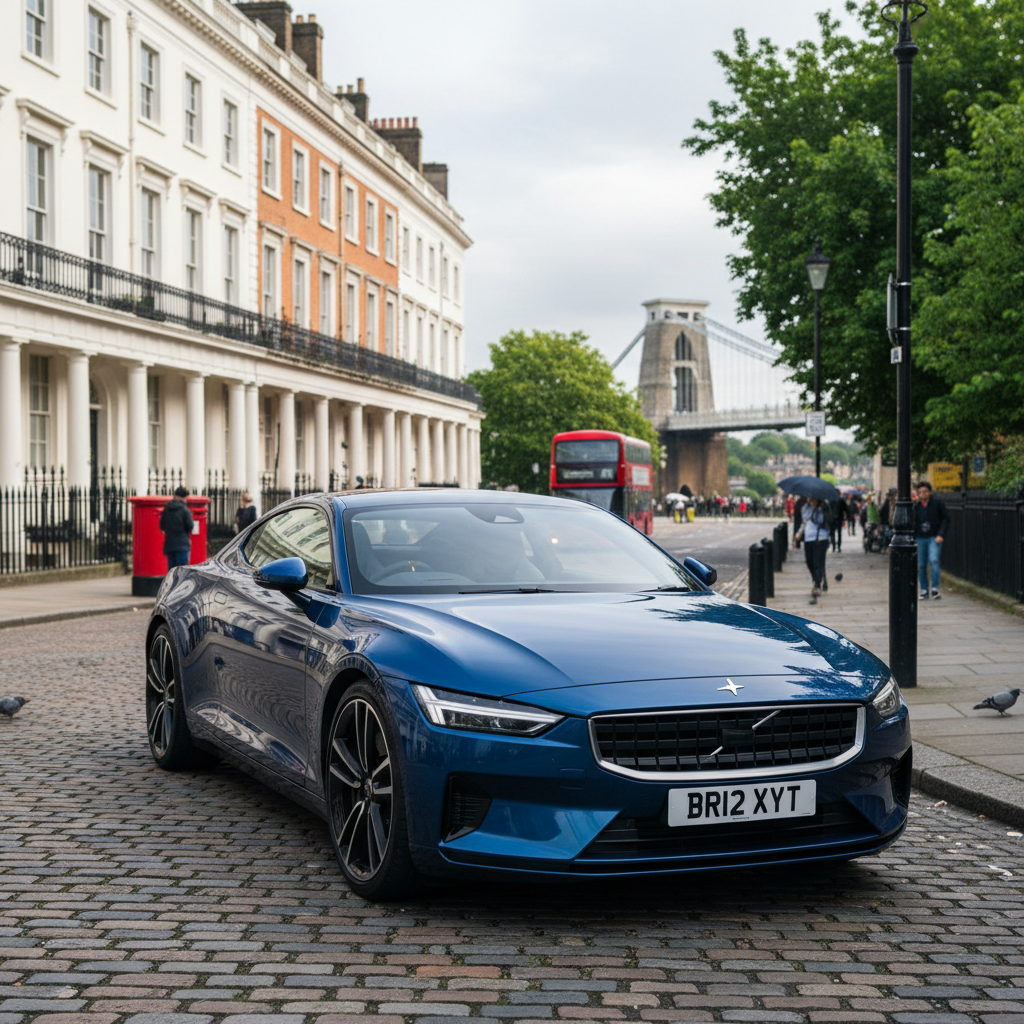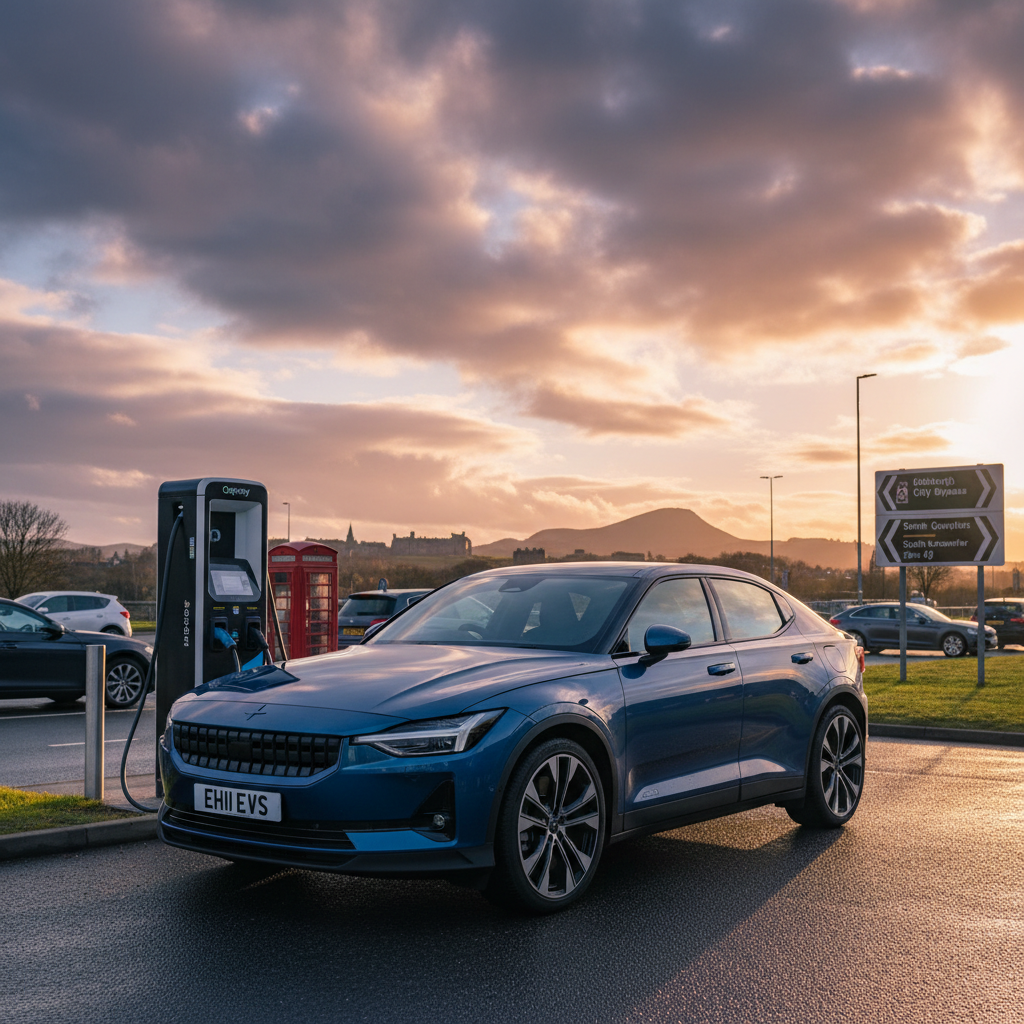



The hum of an electric motor used to be a niche sound, but now it's becoming the soundtrack to our motoring future. As an EV specialist, I’m constantly looking at the cutting edge, and what's truly exciting isn't just the sheer number of electric vehicles hitting the roads, but the intelligent infrastructure rising to meet them. We're moving past simple charging points; we're talking about smart grids, predictive modelling, and a holistic approach to sustainable motoring that makes owning an EV more practical and desirable than ever before.
The Smart Grid: Backbone of the EV Future
One of the biggest hurdles to widespread EV adoption has always been the charging infrastructure – or the perceived lack thereof. But the narrative is rapidly shifting. Recent studies, like the one highlighted in Scientific Reports, are using 'clustering and predictive modelling' to map out optimal charging infrastructure in regions like the West Midlands and North East UK. This isn't just about throwing chargers everywhere; it's about strategic placement based on future demand, ensuring a sustainable and efficient rollout.
And it's not just academics. Companies like InstaVolt are making significant investments – a reported £2.5 million into five new battery energy storage systems (BESS), with plans for 20 more this year, as reported by GB News. These BESS units are game-changers, acting as buffers against grid fluctuations and protecting consumers from rising energy costs. It’s a brilliant example of how innovation in energy storage directly translates to tangible benefits for drivers. The House of Commons Library also notes that the government is relaxing some ZEV mandate rules, showcasing a dynamic policy landscape working to support infrastructure growth.
Grid connection delays have, admittedly, been a stumbling block, contributing to a slowdown in charge point installation in 2025, according to EVInfrastructureNews. But the industry is responding, with initiatives like unified digital interfaces designed to streamline the approval and development process for charging stations. This responsiveness is key as we push towards a future where, by mid-2026, we expect over 5,000 ultra-rapid chargers nationwide, with speeds up to 500kW at select locations – adding 100 miles of range in under 3 minutes, as predicted by The Electric Car Scheme. This kind of speed fundamentally changes the 'range anxiety' conversation.
Beyond Range: Performance and Practicality for Every Driver
While infrastructure is crucial, the vehicles themselves continue to evolve at a blistering pace. Ford, for instance, is reportedly working on a $30,000 electric pickup, as seen in Arstechnica. This focus on accessible, everyday EVs, designed from the ground up in a 'skunkworks' environment, signals a clear shift towards making zero-emission transport a reality for a broader segment of the population. Similarly, Rivian is teasing more R2 variants beyond the SUV – perhaps a pickup and an 'R2X', showing a growing diversification of electric offerings for different lifestyles.
Of course, for those who crave performance, the EV world doesn't disappoint. Manthey's upgrade package for the Porsche Taycan, as reported by Arstechnica, demonstrates how even high-performance EVs are being continually refined to push boundaries. This trickle-down effect of racing-inspired technology, even from the likes of Formula 1 where AI is becoming a new CFD tool (Arstechnica), will inevitably lead to more efficient and capable everyday electric cars.
But what about the current practicalities? The average EV in 2025 achieves around 300 miles on official WLTP tests, according to Zest. With battery technology constantly improving, yielding almost 300 miles for the newest models, as stated by the Grantham Institute, the fear of being stranded is increasingly a thing of the past. If you're considering making the switch, the capability of modern EVs, coupled with the rapidly expanding and intelligent charging network, makes it a highly practical choice.
The Global Race and Environmental Impact
The global landscape for EVs is dynamic, with Chinese EVs garnering significant hype, particularly for their integration of AI, as Arstechnica points out. This competitive environment only accelerates innovation across the board, pushing boundaries in battery tech, charging speeds, and vehicle design. The environmental benefits are clear: reduced tailpipe emissions, cleaner air in our cities, and a move away from fossil fuel dependency. Every EV on the road contributes to a more sustainable future, reducing our carbon footprint and contributing to cleaner air quality across the UK.
Toyota's 'Woven City' project, while an ambitious and potentially privacy-testing experiment, according to Arstechnica, highlights the industry's drive to explore new urban mobility solutions and integrate technology more deeply into our motoring experience. These bold visions, combined with practical infrastructure improvements, paint a compelling picture for the future of sustainable motoring.
Conclusion: A Greener, Smarter Drive Ahead
The journey to an all-electric future is a complex one, but the pace of innovation, particularly in smart charging infrastructure and vehicle development, is incredibly encouraging. We’re not just replacing petrol cars with electric ones; we’re building an entirely new, intelligent, and eco-friendly ecosystem for transport. For the everyday driver, this means more choice, greater reliability, and a genuinely sustainable way to get from A to B. The UK's commitment to expanding its charging network, addressing grid challenges, and fostering innovation, positions us well for a truly green motoring revolution.
Key Takeaways for the Future of EV Motoring:
- Smart Infrastructure is Key: Predictive modelling and battery energy storage systems are optimising charging networks for sustainable growth.
- Range Anxiety is Fading: Average EV range is increasing, and ultra-rapid chargers are reducing charging times significantly.
- Practicality & Performance Converge: Affordable electric pickups and high-performance upgrades demonstrate EVs cater to diverse needs.
- Policy & Investment Drive Change: Government support and private investment are accelerating the transition to a zero-emission future.