

The Shifting Sands of Automotive Power
It’s a fascinating time to be an EV specialist. Just as some legacy manufacturers, like Porsche with its decision to offload its Bugatti stake, appear to be recalibrating their pure-electric aspirations in certain ultra-niche segments (Source 1: arstechnica.com), the core technology powering the everyday electric vehicle is making monumental leaps. This isn't a retreat from electrification; it's a strategic evolution, highlighting where the real innovations – and mass market success – lie. We're witnessing a pivotal moment where cutting-edge battery technology and rapidly evolving charging infrastructure are fundamentally altering the narrative for sustainable motoring.
For years, range anxiety and slow charging times were the twin dragons guarding the gates of widespread EV adoption. But the dragons are looking increasingly toothless. Recent breakthroughs are not just incremental; they're transformative. Take CATL’s new LFP battery, for example. The ability to charge from 10 to 98% in under seven minutes is nothing short of revolutionary (Source 9: arstechnica.com). This isn't just about speed; it's about making the refueling experience for an EV almost indistinguishable from, or even faster than, filling up a petrol tank for most daily commutes. Couple this with its self-heating capabilities, ensuring peak performance even in frigid conditions, and you have a battery that squashes practically every historical concern about cold-weather range degradation.
Beyond the Battery: The Infrastructure Revolution
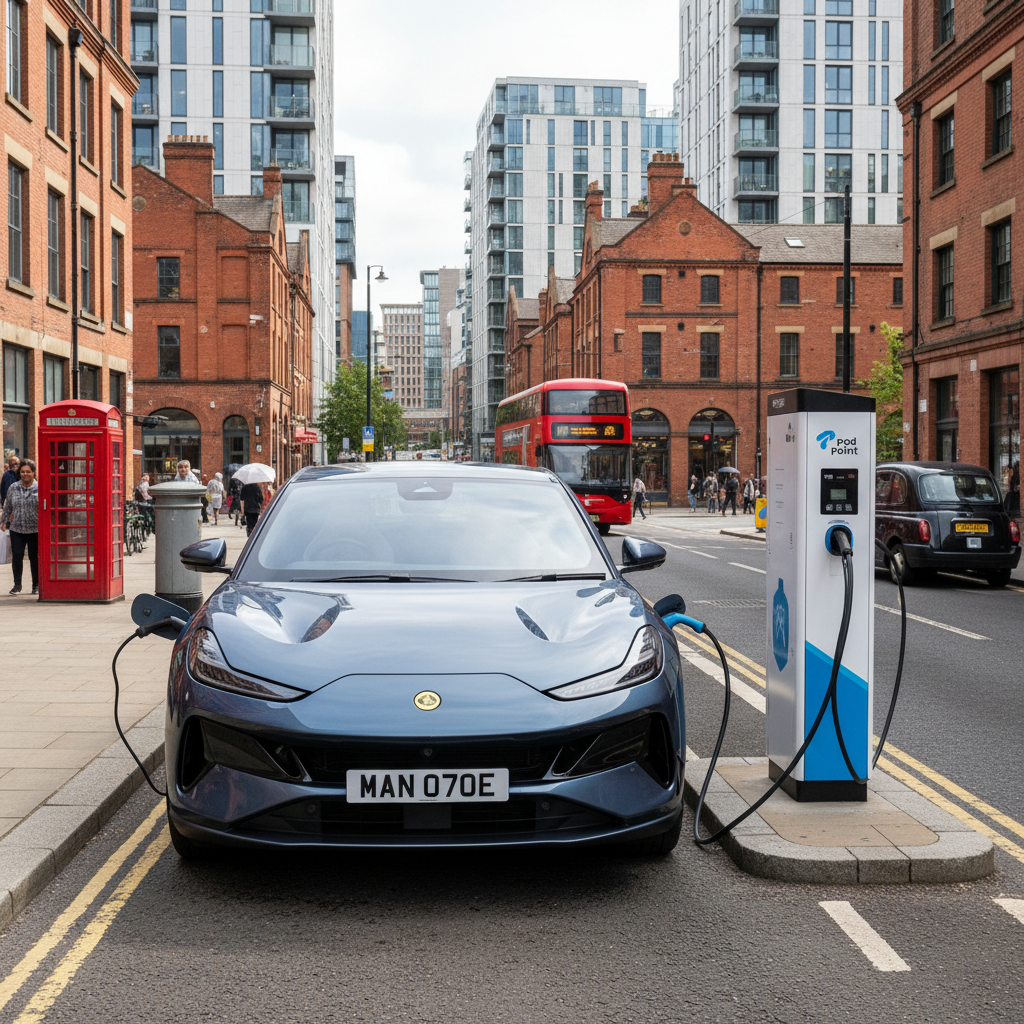
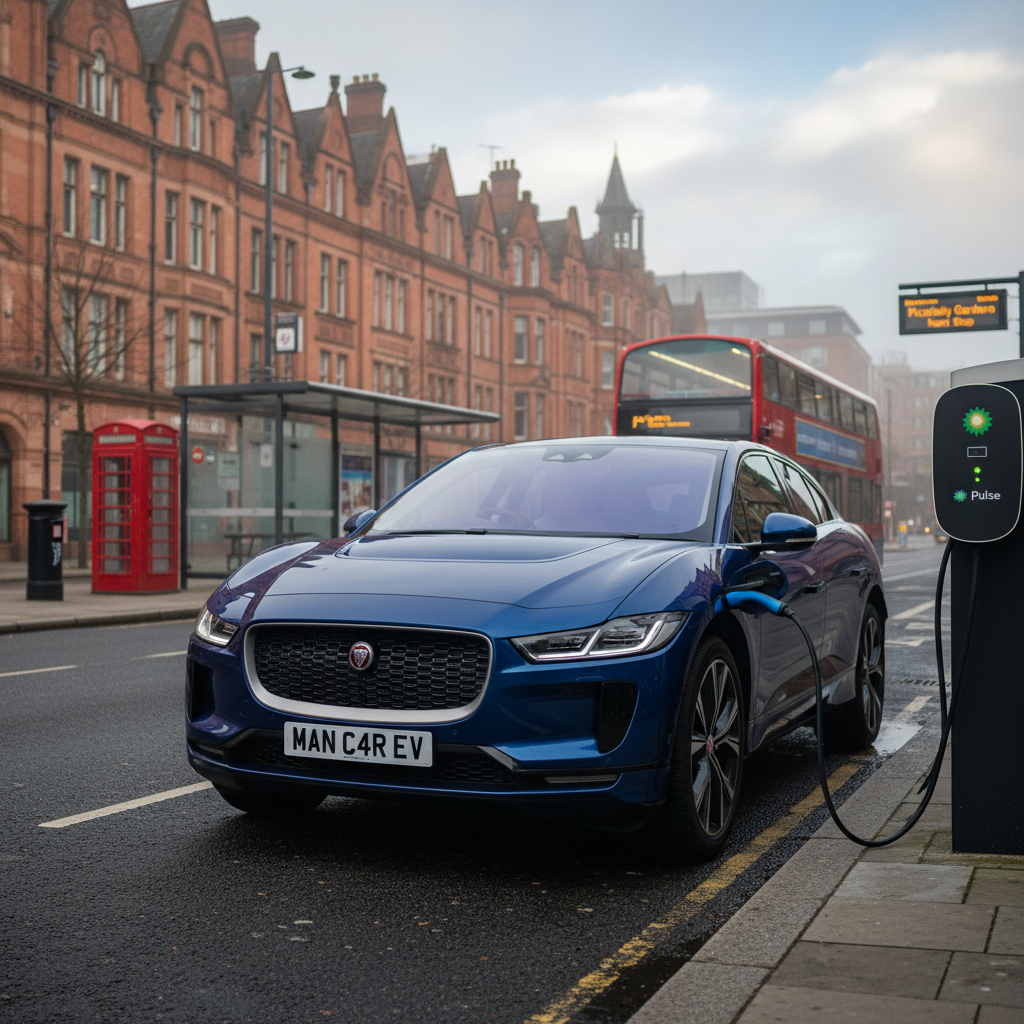
Of course, a lightning-fast battery is only as good as the charger it plugs into. And here, too, the landscape is changing at an unprecedented pace. ChargePoint's debut of a 600 kW fast charger signals a clear direction: ultra-rapid charging is becoming mainstream, designed to be more accessible and even fit into convenience store parking lots (Source 7: arstechnica.com). This is crucial because it addresses the 'where' as much as the 'when' of charging. No longer just a perk for long-distance travel, ultra-rapid charging is becoming an everyday convenience.
In the UK, the focus on infrastructure is particularly acute. The government is actively pushing reforms to address what has been termed a ‘two-tier system’ in charging provision (Source 4: evinfrastructurenews.com). Consultations, such as the one extending permitted development rights for EV charging infrastructure, aim to streamline the rollout process and reduce bureaucratic hurdles. Furthermore, the relaxation of some ZEV mandate rules (Source 5: commonslibrary.parliament.uk) and various grant schemes for charge points outside homes and at workplaces underscore a pragmatic approach to accelerating adoption.
While the UK's charging network has seen significant growth – with predictions of over 5,000 ultra-rapid chargers nationwide by mid-2026, offering speeds up to 500kW at select locations (Source 6: The Electric Car Scheme) – challenges remain. As Imperial College London's Grantham Institute notes, while current EV models boast ranges of almost 300 miles, the charging infrastructure needs to keep pace with this increased vehicle uptake (Source 3: imperial.ac.uk). Grid connection delays have been identified as a factor slowing installation in 2025 (Source 9: evinfrastructurenews.com), highlighting the need for continued strategic investment and coordination.
The Practicality of Progress for Everyday Drivers
If you're considering making the switch to an EV, the future has arguably never looked brighter or more practical. BMW's latest 7 Series, offering an EV option alongside its inline-six and PHEV variants, demonstrates how manufacturers are catering to diverse needs while integrating advanced battery technology (Source 2: arstechnica.com). The average EV in 2025 already achieves around 300 miles on official WLTP tests (Source 3: zest.uk.com), effectively eliminating range anxiety for the vast majority of journeys.
Moreover, the concept of Vehicle-to-Grid (V2G) technology is no longer a futuristic dream; it's becoming a present reality (Source 2: evinfrastructurenews.com). Imagine your EV not just being a mode of transport, but a mobile energy storage unit, capable of feeding power back into your home or the grid during peak demand. This transforms the humble electric car into an active participant in a more resilient and sustainable energy ecosystem, potentially even offering new revenue opportunities for owners (Source 10: nextmsc.com).
Tesla, despite facing a complex market, continues to be profitable, with car sales up (Source 6: arstechnica.com). This underscores a fundamental truth: the demand for compelling EVs remains strong, driven by technological advancements and increasing environmental consciousness.
Key Takeaways for Future-Proof Motoring
- Hyper-Fast Charging: New battery tech reduces charging times to mere minutes, making EV 'refueling' quicker than ever.
- Extended Range: Modern EVs comfortably offer 300+ miles on a single charge, alleviating range anxiety for most drivers.
- Infrastructure Boost: UK government reforms and rapid charger deployments are improving accessibility and network density.
- Smart Grid Integration: V2G technology is emerging, allowing EVs to serve as mobile power banks, enhancing grid stability.
- Sustainable Choice: These advancements solidify EVs as the practical, eco-friendly, and increasingly convenient choice for everyday driving.
The Road Ahead: Greener, Faster, Smarter
The narrative around electric vehicles is shifting from 'if' to 'when' for mass adoption. With battery technology making cars charge faster and go further, and with governments and industry working to rapidly expand and refine the charging infrastructure, the practical barriers are systematically being dismantled. The future of motoring is not just electric; it's smart, efficient, and deeply integrated into our energy ecosystem. For those ready to embrace zero-emission travel, the vehicle options are more diverse, the charging experience more seamless, and the environmental benefits clearer than ever before. The path to a truly sustainable future on our roads is clearer than it's ever been.