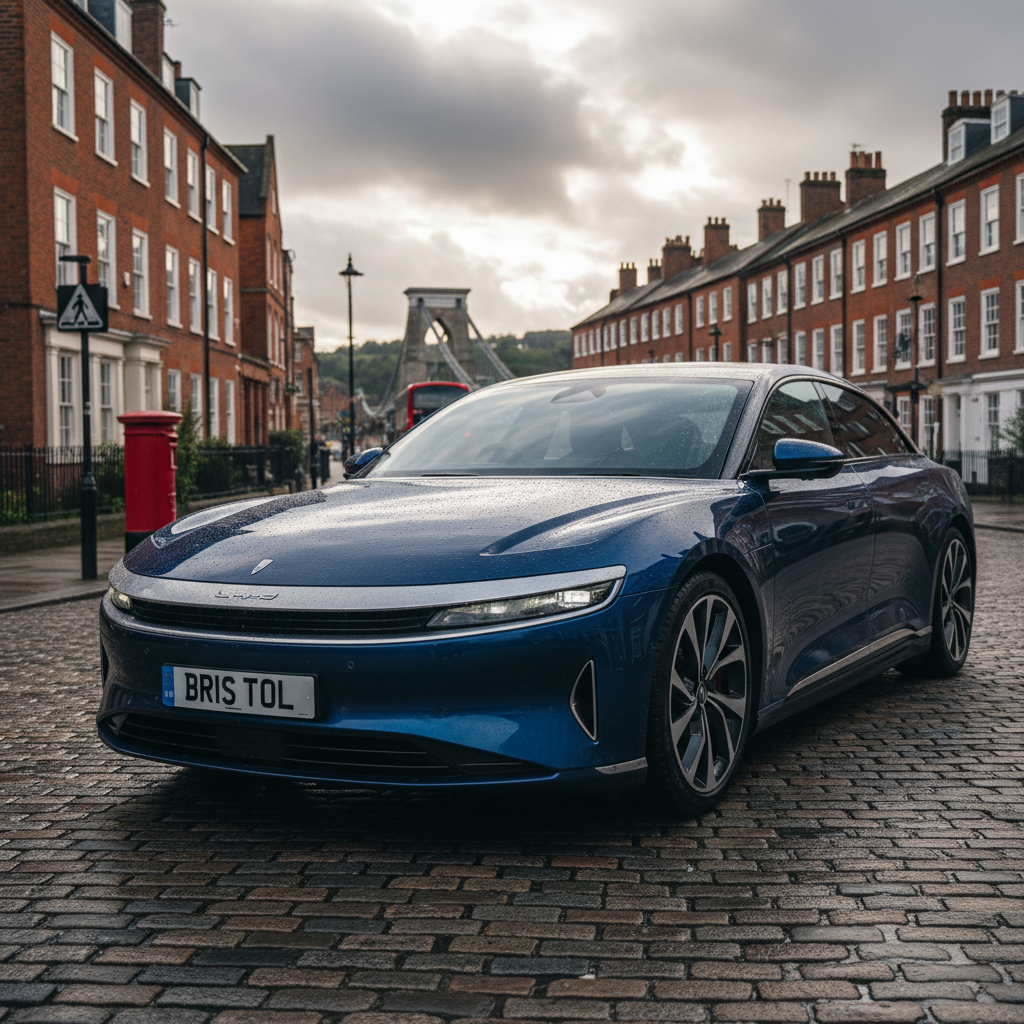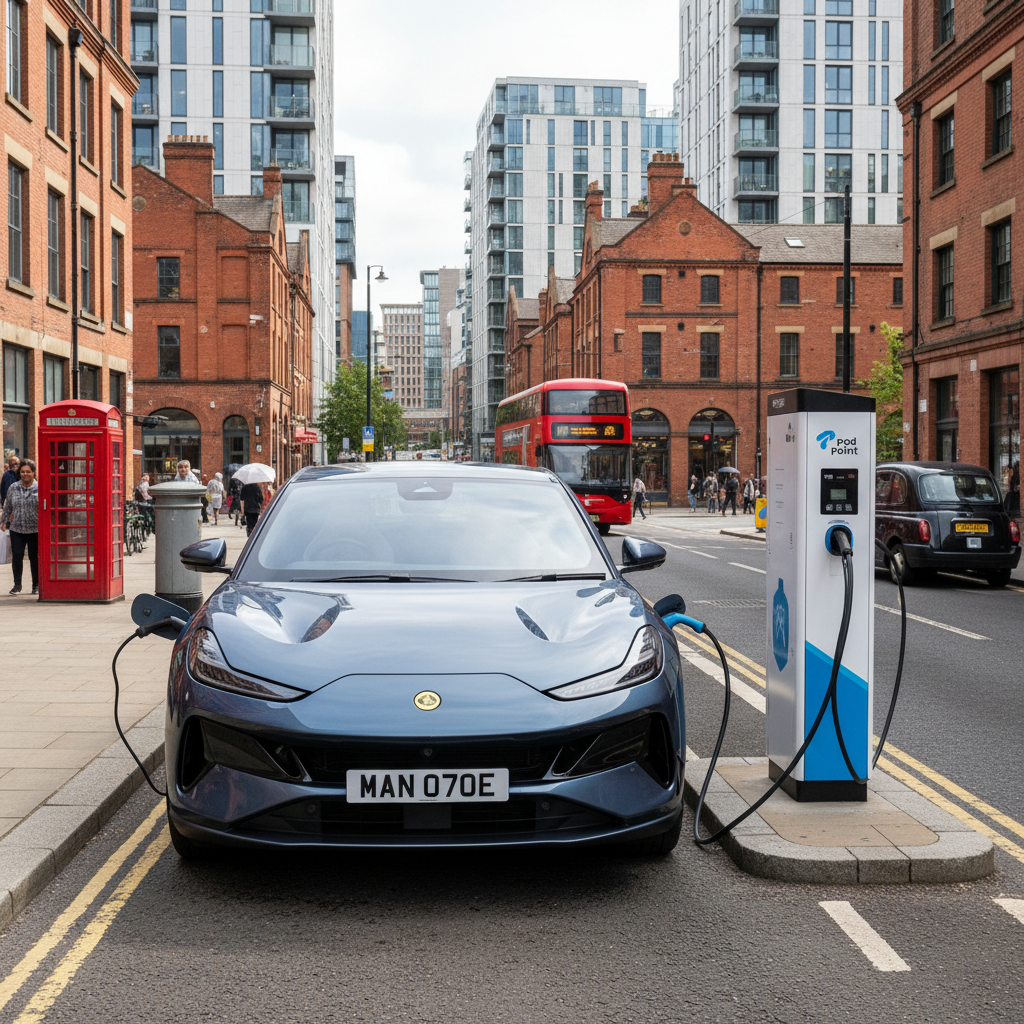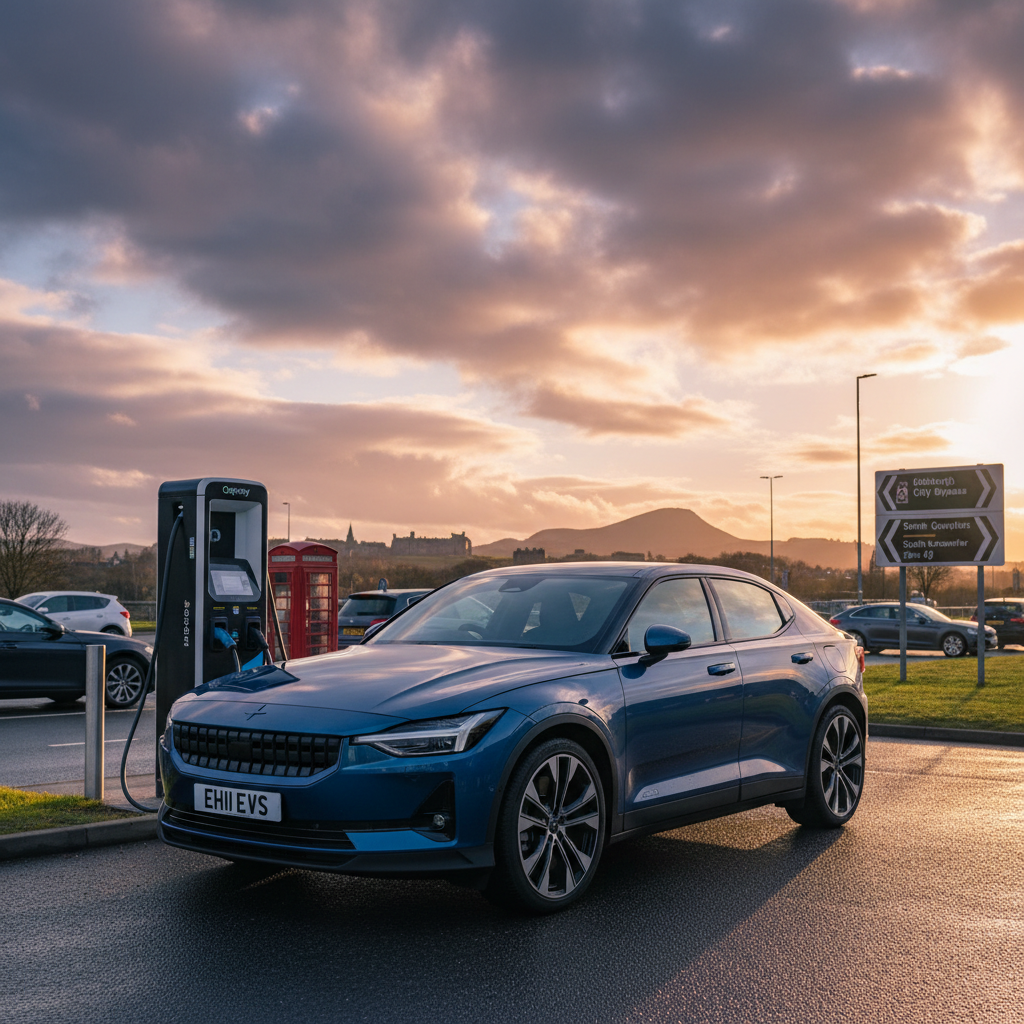



Imagine buying a beautifully engineered, zero-emission car designed to slash your carbon footprint, only to find its smartest features "bricked" ten years later. Why? Because a server in the cloud was quietly switched off. That is the ridiculous paradox of modern motoring. We build physical hardware that easily lasts fifteen years, yet marry it to software with the shelf life of a cheap smartphone. In my book, this digital neglect is a disgrace.
The Looming Cloud Crisis
For years, carmakers have hopped on the "software-defined vehicle" bandwagon. Connected tech promises over-the-air updates, remote battery monitoring, and clever route planning. But as a recent investigation by Ars Technica highlighted, automaker support for these connected platforms does not last. When a vehicle outlives its cloud support, critical features, from cabin pre-conditioning on frosty mornings to smart-charging integration, can simply vanish.
This is more than a minor irritation; it is a direct threat to a sustainable, circular economy. If electric cars are to deliver on their green promise, they must stay on the road as long as possible to offset the initial carbon debt of battery manufacturing. If a vehicle becomes digitally dead before its mechanical parts wear out, the entire green transition fails.
The Threat to the Used EV Market
Mass adoption relies entirely on a healthy, confident second-hand market. We are starting to see some sensible policy ideas emerge. For instance, Ars Technica reports that California has introduced new rebates targeting first-time buyers of used EVs. Fair play to them, that is a great way to democratise green tech. But it only works if those used cars actually function.
If you are considering a pre-owned EV, the state of its digital setup is just as important as battery health. If a buyer worries that a seven-year-old car will lose its sat-nav, its charging-stop planner, or its battery management updates because the brand has migrated to a newer platform, they will steer clear. They will stick to petrol. Nobody wants a disposable tech accessory instead of a durable car.
Engineering Brilliance vs. Digital Fragility
The tragedy is that modern EV engineering has never been better. Take the 2026 Lucid Gravity Touring. In its recent review, Ars Technica praised the luxury SUV as a triumphant "strong act two", citing its superb packaging, agility, and highly efficient battery tech. Similarly, the 2026 Toyota RAV4 Plug-in demonstrates how dependable modern powertrains can be, with a chunky battery allowing most daily drives to stay entirely electric.
These cars are built to last. For my money, physical build quality is at an all-time high, but the digital side remains terrifyingly fragile. As manufacturers streamline operations, legacy models suffer. For example, Ars Technica notes that the VW Group is currently in talks to drastically trim its portfolio and reduce model variants. When car giants consolidate software, legacy codebases are the first things they abandon. Without long-term updates, genius engineering faces premature retirement.
The UK Perspective: Demanding Digital Durability
For British drivers, buying an EV is already a bit of a faff, thanks to high insurance premiums and a public charging network that still induces anxiety. Because of this, software longevity must become a priority. We need to change how we shop. When looking at an EV, do not just ask about the range or the leather. Ask how long the software will be supported.
To future-proof our roads, we need a "digital right to repair." If a carmaker switches off the servers powering a vehicle's connected features, they should face a legal mandate to open-source the code, allowing third-party developers or enthusiast communities to host the services. That is how we keep beautiful pieces of engineering functioning for decades.
Key Takeaways for Future-Proof EV Ownership
- Ask Hard Questions About Software Guarantees: Before buying, ask the dealer how many years of active cloud and security updates are guaranteed.
- Check for Used Car Grants: Look out for second-hand EV grants and rebates that can make high-quality electric cars much more affordable.
- Prioritise Engineering Over Gadgets: Choose cars with excellent battery cooling systems and rapid-charging speeds, which hold physical value even if the digital fluff stops working.
- Demand the Right to Repair: Support policies that force car brands to provide open-source backup plans to keep older connected cars out of the scrapyard.
The Verdict
Electric cars are the future of transport. Make no mistake about that. However, I reckon we cannot let them inherit the wasteful habits of the mobile phone industry. True environmentalism means valuing longevity over planned obsolescence. It is time for automakers to guarantee that their digital architecture is as durable and sustainable as the physical platforms rolling off their production lines.