

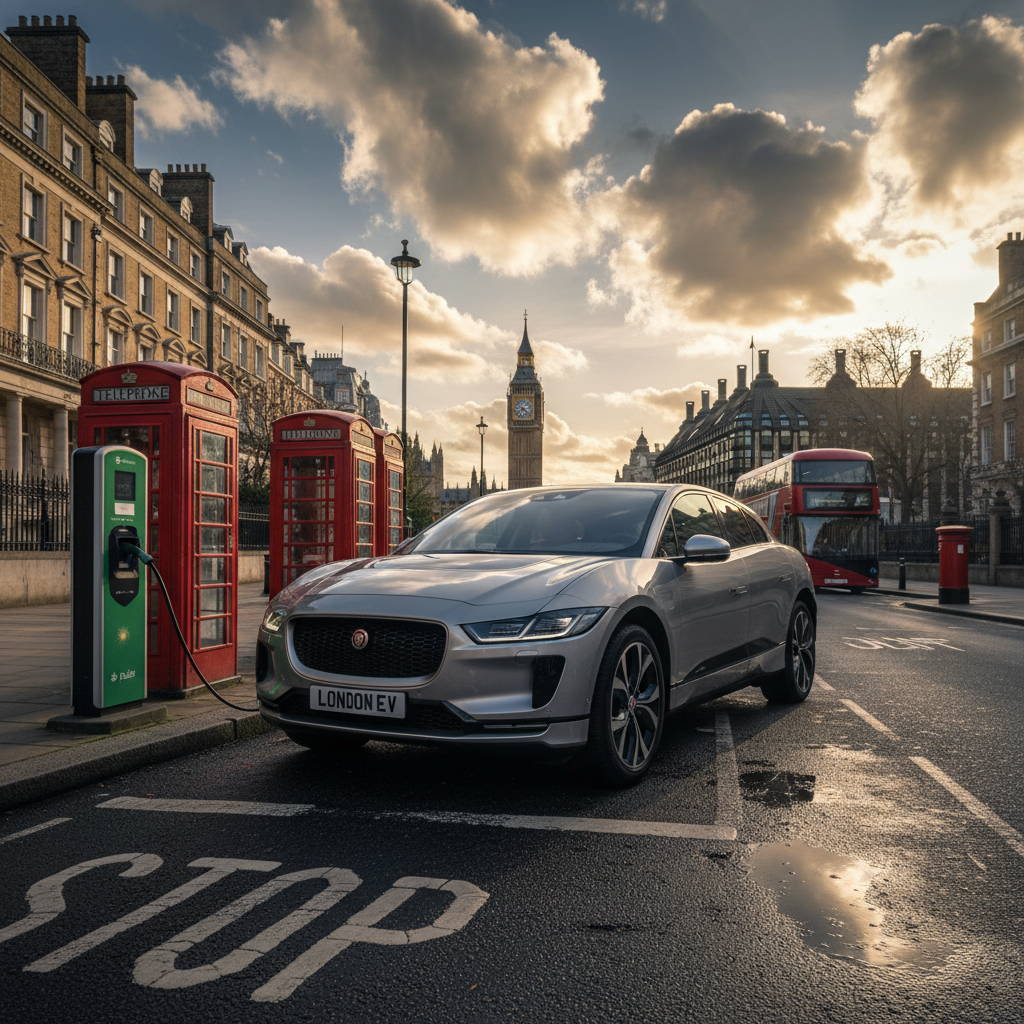
Alright, let's talk about the road ahead, because the pace of change in electric motoring is nothing short of electrifying. We’re not just seeing incremental improvements anymore; we're witnessing a convergence of technologies that are fundamentally reshaping how we drive, especially here in the UK. From hands-free cruising to batteries that sip power at unprecedented speeds, the future is arriving faster than many anticipate.
The Silent Revolution of Autonomous Driving
It’s easy to get caught up in the big, splashy headlines, but sometimes the real story is in the sheer scale of adoption. Take GM’s Super Cruise, for instance. This ‘eyes-on, hands-free’ driver assistance system has just clocked a billion miles in less than a decade. That’s a staggering figure, predominantly on geofenced highways, and it speaks volumes about the growing comfort level with advanced automation. While not fully autonomous, systems like Super Cruise are paving the way, normalising the idea of vehicles taking more control. This tech offers a glimpse into a future where our commutes could be less stressful, freeing up mental bandwidth – a significant quality-of-life upgrade for everyday drivers.
Then we have the radical approach of companies like Zoox, who started their entire vehicle design process with the sensors in mind for their robotaxi. Their bidirectional design isn't just a quirky aesthetic; it’s a fully optimised platform for urban mobility, designed from the ground up for autonomous operation. This 'sensors-first' philosophy is a powerful testament to how deeply interwoven environmental sensing and navigation are becoming with vehicle architecture. It highlights that true autonomy isn't just an add-on; it's a fundamental rethink of vehicle design.
Powering the Future: Battery Breakthroughs and Charging Infrastructure
For many potential EV buyers, range anxiety and charging convenience remain top concerns. But the landscape is shifting dramatically. Current EV models boast impressive ranges, with many new vehicles achieving almost 300 miles on a single charge according to Imperial College London research. This is thanks to continuous innovation in battery energy density, making EVs a practical choice for longer journeys.
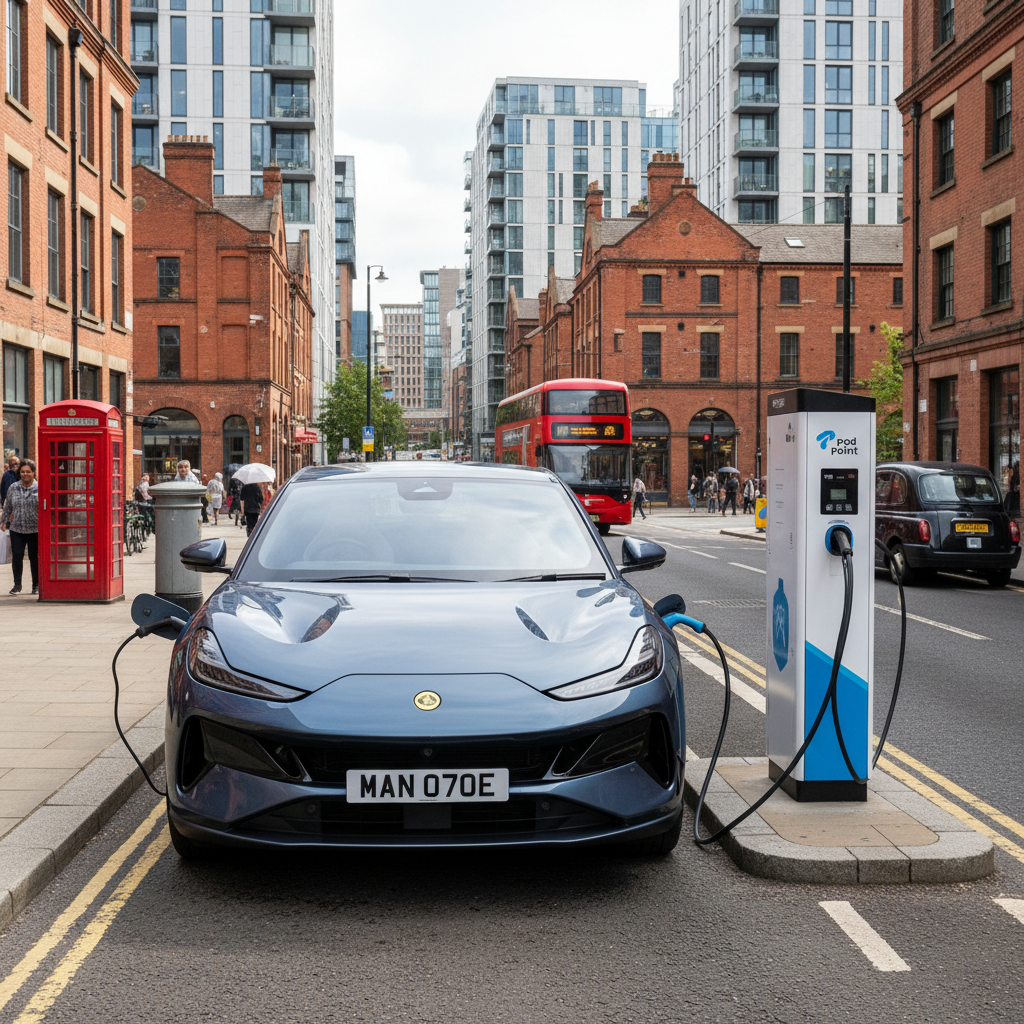
And when it comes to refuelling, the game is changing too. ChargePoint recently unveiled a 600 kW fast charger. To put that into perspective, the goal by mid-2026 in the UK is to see charging speeds up to 500kW at select locations, capable of adding 100 miles of range in under 3 minutes. That’s comparable to a quick petrol stop, completely transforming the convenience factor for drivers. These cutting-edge units are also being designed for more compact footprints, meaning they can slot into everyday locations like convenience store car parks, further dissolving the perceived barrier of finding a charger.
The UK government is also playing its part, relaxing some of the ZEV mandate rules and consulting on extending permitted development rights for EV charging infrastructure. This signifies a proactive approach to tackling the 'two-tier system' of charging access, particularly outside of urban centres. While there have been slowdowns due to grid connection delays, efforts like Project Rapid and the £10 million funding injection from the DfT are critical. This ensures that the infrastructure keeps pace with vehicle uptake, moving towards a future where rural and urban charging disparities are ironed out. For more details on the UK's charging transformation, see our article on the UK's EV charging renaissance.
The Broader Picture: Luxury, Hybrids, and Sustainability
Even at the top end of the market, the shift towards sustainable motoring is evident. BMW's updated 2027 7 Series offers a fascinating spectrum: a pure EV, an inline-six petrol, or an inline-six PHEV. This strategic move highlights that while pure EVs are the ultimate green goal, plug-in hybrids still have a vital role to play as a bridge technology, especially for those not quite ready to commit to full electric. On the other hand, Porsche's decision to sell its stake in Bugatti and Rimac Group to private equity, while complex, hints at a refocusing of resources within the VW Group towards their core electrification strategies, rather than hypercar partnerships. It's a reminder that even automotive giants are constantly recalibrating their trajectory in this rapidly evolving landscape.
If you're considering making the switch, the practicality argument for EVs has never been stronger. With battery ranges that easily cover most daily commutes and ultra-fast chargers becoming more prevalent, the traditional hurdles are dissolving. Add to this the innovation of Vehicle-to-Grid (V2G) technology, which transforms EVs into mobile batteries that can discharge power back to the grid during peak demand, and you see a truly integrated, eco-friendly ecosystem emerging. This isn’t just about getting from A to B; it’s about a smarter, cleaner, and ultimately more efficient way to live.
Tesla, for its part, continues to demonstrate the profitability of the EV sector, reporting Q1 2026 earnings that show continued strength, albeit with a shift in revenue streams. This financial health underpins the ongoing investment in battery tech and charging infrastructure that benefits all EV owners.
Key Takeaways for the Future of Motoring:
- Autonomy on the Rise: 'Eyes-on, hands-free' systems are already covering billions of miles, demonstrating increasing reliability and public acceptance.
- Ultra-Fast Charging is Here: New 600 kW chargers promise significantly reduced charging times, making range anxiety a thing of the past for many.
- Infrastructure Support: UK government initiatives are actively addressing charging disparities and accelerating network expansion, aiming for better geographic distribution.
- Diverse Electrification: From pure EVs to advanced PHEVs, manufacturers are offering varied pathways to sustainable motoring, catering to different needs.
- Beyond the Car: Innovations like V2G technology integrate EVs into the broader energy grid, enhancing sustainability and offering financial benefits.
The journey towards a fully electric, more autonomous future is well underway. The combination of increasingly capable driver assistance systems, significantly improved battery technology, and a rapidly expanding, ultra-fast charging network makes EVs not just an eco-friendly choice, but a genuinely practical and future-proof one for British drivers. The pieces are falling into place for a truly transformative era in sustainable mobility.