

Forget the image of electric vehicles as purely sensible, eco-friendly commuting machines. While that's absolutely a core part of their mission, a fascinating trend is emerging: the hyper-performance segment of the EV market is becoming an unexpected crucible for innovations that will eventually benefit every driver. We're seeing race-bred technology trickle down, making everyday EVs not just greener, but genuinely better to drive and own.
The Performance Playbook: Driving Innovation Beyond the Lap Time
It might seem counter-intuitive to discuss sustainable motoring in the same breath as a Porsche Taycan getting a Manthey Kit for faster laps at the Nürburgring, as reported by Arstechnica. But the truth is, the relentless pursuit of speed and efficiency on the track pushes battery technology, motor design, and thermal management systems to their absolute limits. These extreme conditions demand solutions that are lighter, more powerful, and crucially, more durable.
Consider the developments in battery energy density – a critical factor for both a track-day hero and a family SUV. Innovations born from the demands of high-performance EVs are directly contributing to the extended ranges we're now seeing in mainstream models. As the Grantham Institute notes, modern EVs are regularly achieving nearly 300 miles on a single charge, a testament to these advances.
Mainstream & Mighty: The Evolution of Everyday EVs
Automakers are clearly paying attention to what consumers crave: practicality without compromise. We've seen Audi consult American tastes for their new big three-row Q9 SUV, as highlighted by Arstechnica, indicating a strong move into larger, more family-oriented electric vehicles. But it's not just about size; it's about making electric options viable for every segment. Ford, for instance, is in a 'skunkworks' operation, as Arstechnica reveals, to design a £30,000 electric pickup – a groundbreaking move that could electrify a cornerstone of the automotive market.
Rivian, too, isn't resting on its laurels with the R2 SUV, teasing potential R2 pickup and R2X variants, according to Arstechnica. This expansion into diverse body styles demonstrates a commitment to electric options that fit every lifestyle, not just the early adopters. These aren't just electric versions of existing cars; they're often designed from the ground up to be electric, optimising space, performance, and efficiency in ways conventional vehicles simply can't.
Powering the Future: Smart Infrastructure and Overcoming 'Range Anxiety'
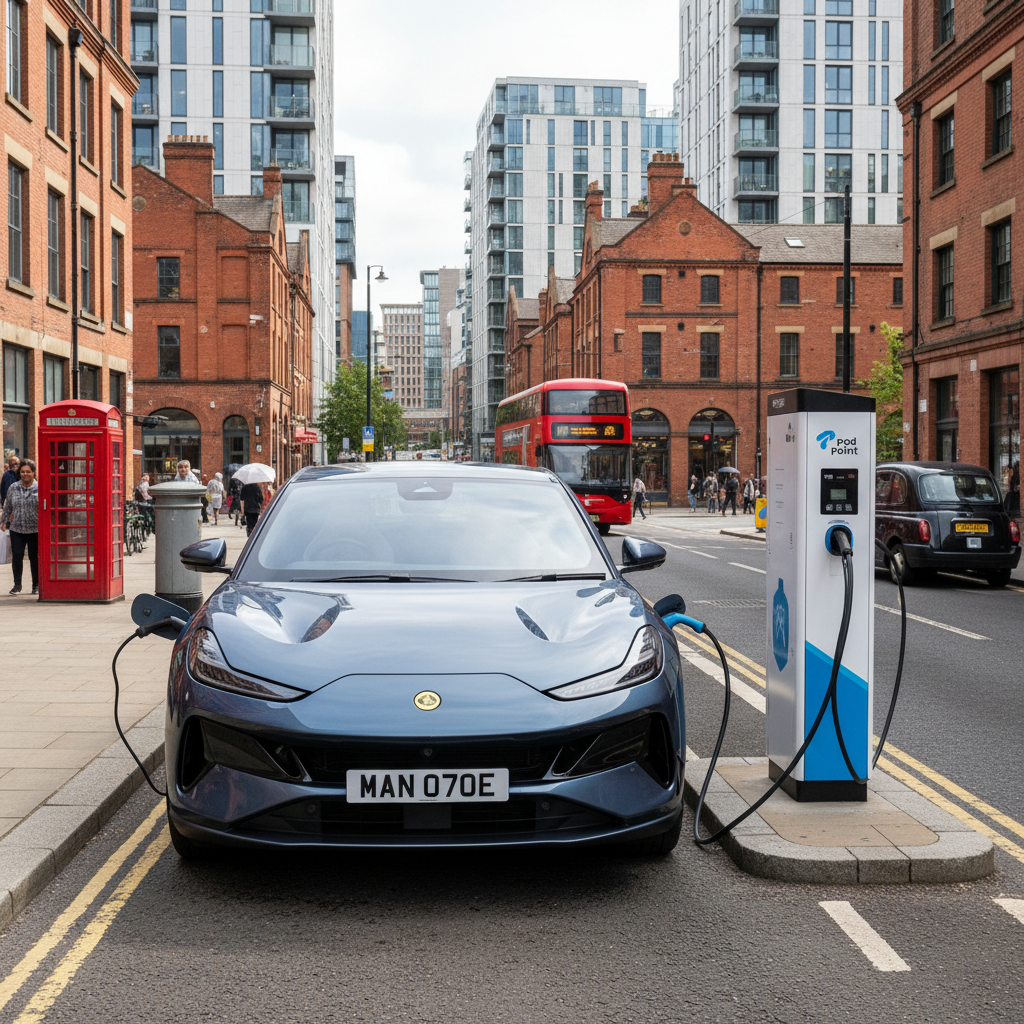
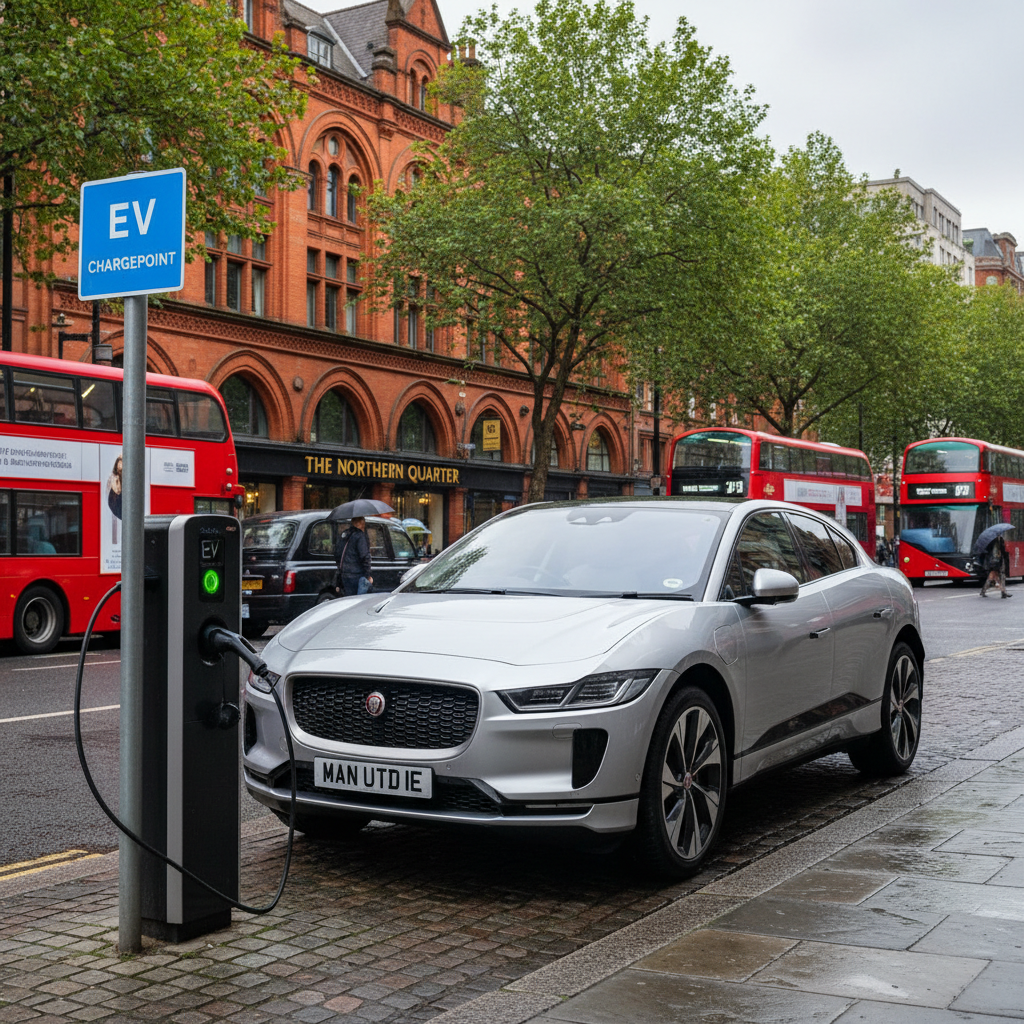
Of course, no matter how good the car, it's only as good as its charging ecosystem. The rapid growth of EV adoption brings significant challenges for charging infrastructure, as a study in Nature's Scientific Reports points out for the West Midlands and North East UK. However, the UK is making strides. The House of Commons Library reported that the government relaxed some ZEV mandate rules in April 2025, showing a willingness to adapt policy to support the transition.
Crucially, the focus isn't just on increasing the number of charge points, but on making them smarter and more resilient. InstaVolt's £2.5 million investment in battery energy storage systems (BESS) is a prime example, aiming to protect against rising grid costs and ensure reliability, as GB News reported. We're talking about smart charging systems, ultra-fast chargers, and Vehicle-to-Grid (V2G) solutions enhancing grid efficiency – technologies that NextMSC.com sees as positioning the UK EV charging market for sustainable and profitable growth.
By mid-2026, we're anticipating over 5,000 ultra-rapid chargers nationwide, with speeds up to 500kW at select locations – adding 100 miles of range in under 3 minutes, according to The Electric Car Scheme. This kind of rapid progress is what will truly put range anxiety to bed for the everyday driver. While the Guardian noted a slowdown in rapid charger rollout, particularly in local areas, there's renewed impetus with delayed local electric vehicle infrastructure (LEVI) funding for councils set to arrive in bulk in 2026 and 2027.
The Road Ahead: Integrated Intelligence and Sustainability
Looking further, concepts like Toyota's Woven City, as described by Arstechnica, might seem futuristic, but they represent a holistic approach to sustainable mobility, integrating smart infrastructure with autonomous vehicle development. While the privacy implications are something to consider, the underlying principle of an interconnected, optimised transport system is highly valuable.
For me, the most exciting aspect is how innovations at the bleeding edge – whether it's F1 proactively fixing engine problems in 2027 (Arstechnica) or Manthey tuning a Porsche Taycan – ultimately contribute to a more robust, efficient, and enjoyable experience for the everyday EV owner. These advancements are not just about raw power; they're about making components more efficient, lighter, and more durable, which directly translates to better range, faster charging, and a lower environmental footprint for all future electric vehicles.
If you're considering making the switch to an EV, rest assured that the technology under the bonnet isn't just becoming more accessible; it's being refined by the very best in the business, ensuring a future-proof investment in sustainable motoring.
Key Takeaways for the Future of EVs:
- Performance Drives Progress: Supercar EV tech is accelerating battery and motor advancements for all electric vehicles.
- Diverse Options Expanding: From full-size SUVs to affordable pickups, EVs are catering to every driver's needs.
- Smarter Charging Networks: Investment in ultra-rapid, V2G, and battery storage solutions is making charging more reliable and efficient.
- UK Infrastructure Boost: Despite past hurdles, significant funding and strategic planning are set to rapidly expand the UK's charging network.
- Holistic Sustainability: The future is about integrated systems, from smart cities to efficient cars, creating a truly green mobility ecosystem.
The convergence of high-performance innovation with strategic infrastructure development paints a very clear picture: the future of motoring is not just electric, it's intelligently engineered, incredibly practical, and undeniably exciting. The green credentials are no longer just a bonus; they're woven into the very fabric of how these vehicles are conceived and sustained.