

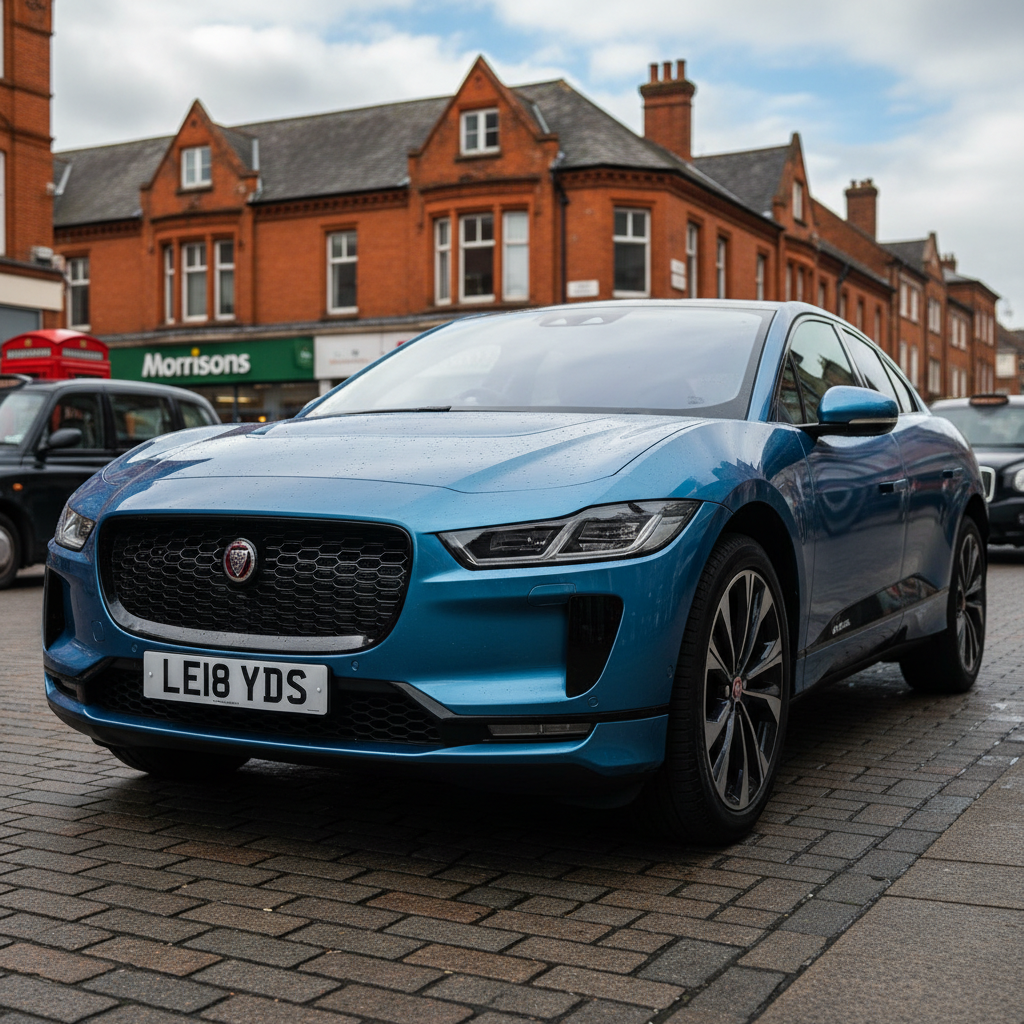
Forget the image of electric vehicles as merely sensible, albeit quiet, urban commuters. The latest advancements in EV technology are shattering preconceived notions, proving that sustainable motoring can also be exhilarating, efficient, and surprisingly accessible. From the adrenaline-pumping world of motorsport to the drawing boards of visionary engineers, we're witnessing a thrilling convergence where high-performance innovation is directly accelerating the shift to a greener, more practical future on our roads.
The Performance Electrification Renaissance
It's fascinating to observe how advancements at the pinnacle of automotive engineering trickle down to benefit everyday drivers. Take Porsche, for instance. For those who feel their Taycan could be 'faster at the Nürburgring', specialist Manthey has developed an upgrade kit. While few of us will ever lap the Nordschleife at breakneck speed, the relentless pursuit of aerodynamic efficiency, thermal management, and battery optimisation in these extreme scenarios directly informs battery tech and range improvements in more humble vehicles. This isn't just about speed; it's about pushing the boundaries of what electric powertrains can achieve in terms of sustained performance and energy recovery.
The synergy between cutting-edge development and practical application is undeniable. Even in the high-stakes world of Formula 1, AI is becoming a new computational fluid dynamics (CFD) tool, multiplying limited resources (Source 9). These AI-driven analytical capabilities, honed in the crucible of motorsport, promise advancements in vehicle design that will enhance the efficiency and range of our future eco-friendly cars. For a deeper dive into how this performance tech is trickling down, read more on how performance tech is supercharging everyday EVs.
The Practicality Push: More Choice, Better Infrastructure
Moving beyond the performance frontier, the industry is clearly focused on making EVs a viable, attractive option for everyone. Ford's 'skunkworks' approach to designing a $30,000 electric pickup (Source 3) is a prime example. This isn't just about bringing down the purchase price; it's about expanding the utility and accessibility of zero-emission vehicles to sectors previously dominated by internal combustion engines. Similarly, Rivian's exploration of more R2 variants, including a potential pickup and R2X (Source 2), shows a commitment to diverse, practical offerings.
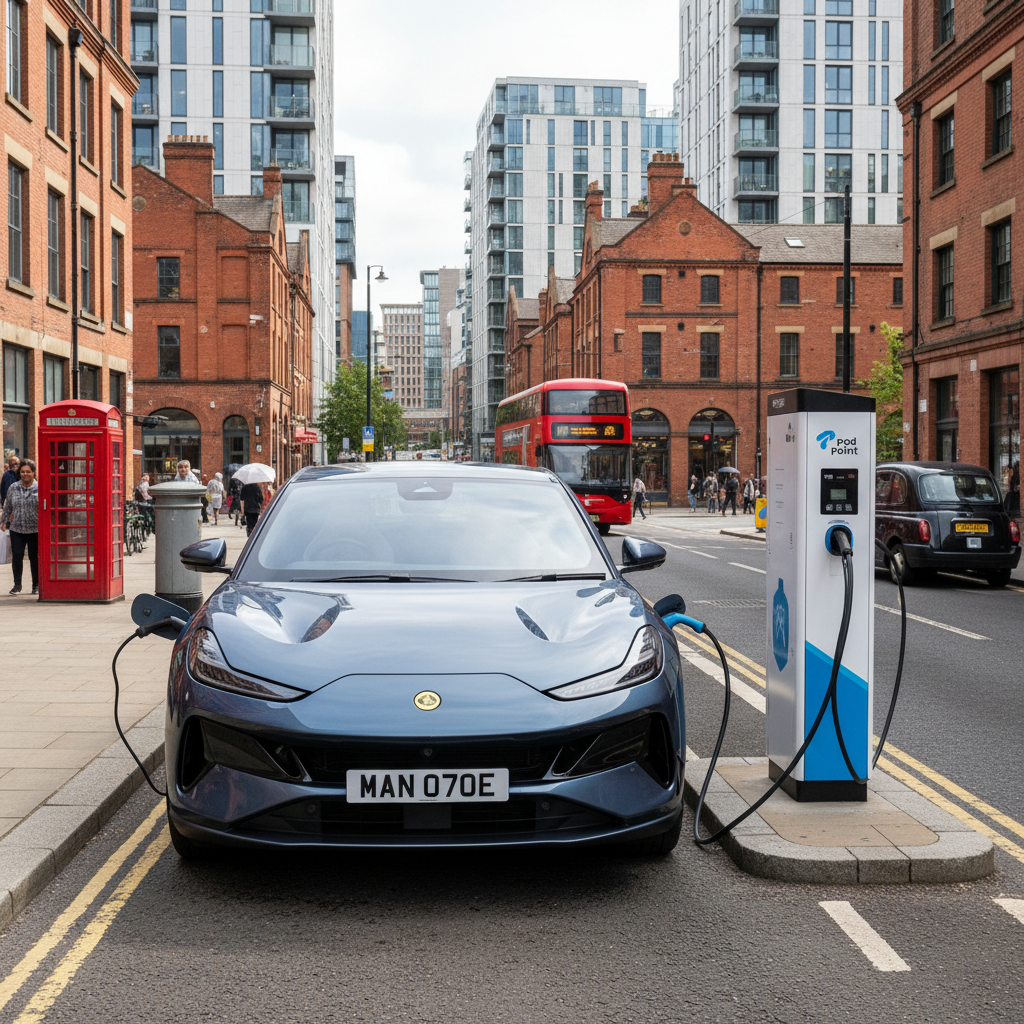
For the everyday driver considering an EV, range anxiety remains a common concern. However, significant progress is being made. The average EV in 2025 is expected to achieve around 300 miles on official WLTP tests (Source 3, Zest.uk.com), directly addressing one of the major barriers to adoption. This increased range, coupled with charging speeds up to 500kW at select locations by mid-2026 – capable of adding 100 miles of range in under 3 minutes (Source 9, The Electric Car Scheme) – paints a picture of a future-proof charging network. To understand more about upcoming practical EVs and the infrastructure supporting them, explore the next wave of practical EVs and the power grid that fuels them.
In the UK, despite some grid connection delays impacting rapid charger installations (Source 6, EVInfrastructureNews.com), there's a strong drive to enhance infrastructure. Companies like InstaVolt are investing £2.5 million into battery energy storage systems (BESS) sites, with more planned, to help protect against rising grid costs and ensure stable power delivery (Source 4, GBNews.com). The goal is clear: increase the number of rapid and ultra-rapid chargers and improve their geographic distribution, especially in areas like Bristol and Belfast, which, despite progress, still need significant investment to meet the growing demand (Source 8, Fleetnews.co.uk). For more on how rapid battery innovations are reshaping EV realities, see our article on charging ahead with rapid battery innovations.
The AI & Autonomy Horizon
Beyond the hardware, software is playing an increasingly critical role. The debate around autonomous driving, exemplified by the situation with Tesla's FSD and European regulators (Source 4), highlights the complexities of integrating advanced AI responsibly. However, GM's Super Cruise passing a billion driven miles since 2017 (Source 10) on geofenced highways demonstrates the maturity and safety benefits of hands-free driver assistance where appropriate. These systems, while not yet fully autonomous, reduce driver fatigue and enhance safety, contributing to a more relaxed and efficient motoring experience.
Even Toyota's 'Woven City' (Source 6) serves as a fascinating, albeit ambitious, testbed for smart city integration, data-driven insights, and mobility solutions that will inevitably influence the design and functionality of our future vehicles and the ecosystems they operate within. The integration of AI and smart infrastructure is key to this evolution, and you can learn more about navigating the AI & infrastructure evolution of UK electric motoring.
Key Takeaways for Future Motorists
- Accelerating Performance: High-end EV development is directly improving efficiency and range for all electric vehicles.
- Expanding Choice: More affordable and diverse EV options, like electric pickups, are on the horizon.
- Infrastructure Progress: Increased charging speeds and a growing network of rapid chargers are tackling range anxiety head-on.
- Smart Mobility: AI and advanced driver-assistance systems are making journeys safer and more efficient.
Conclusion: A Future of Sustainable Thrills
The journey to a fully electrified motoring landscape is dynamic, filled with both exhilarating breakthroughs and pragmatic challenges. The seamless integration of advanced performance tech into accessible, sustainable vehicles is not just a dream; it’s rapidly becoming our reality. If you're considering making the switch, the improving range, expanding and faster charging infrastructure, and the sheer driving pleasure of modern EVs make now a compelling time to embrace zero-emission motoring. The future of driving isn't just green; it's ingeniously efficient, surprisingly powerful, and ultimately, a smarter way to move. We're on the cusp of an era where cutting-edge innovation at the top isn't just about bragging rights; it's about building a better, more sustainable future for us all.