


The Intelligent Grid: AI's Role in Our EV Future
As an EV specialist, I often find myself looking beyond the gleaming new models to the intricate web that makes them practical: the infrastructure. We’re moving past simply adding more charge points; the real game-changer is how intelligently we manage that expansion. Imagine a future where your car doesn't just charge, but actively participates in a smart energy dance – that's the promise of AI and predictive modelling, and it's already shaping the UK's EV landscape.
A recent study, published in Scientific Reports by nature.com, highlights the critical role of "clustering and predictive modelling for optimal charging infrastructure" in regions like the West Midlands and North East UK. This isn't just academic; it’s about strategically placing those vital charging hubs where they'll have the biggest impact, alleviating range anxiety, and ensuring sustainable EV adoption. The goal? To move beyond a reactive approach to a proactive, data-driven one.
Beyond the Battery: Performance & Practicality, AI-Style
While the grid gets smarter, so do our vehicles. The continuous advancements in battery technology mean that by 2025, the average EV is expected to achieve around 300 miles on official WLTP tests (Zest.uk.com). But it's not just about more miles; it's about how those miles are achieved and optimised.
Take the high-performance end of the spectrum. When Porsche Taycan owners can get a Manthey Kit for track-day dominance, as Ars Technica reported, it shows how far EV engineering has come. This trickles down. Performance upgrades often feature lighter materials, better aerodynamics, and more efficient power delivery – all critical for everyday EV practicality and range.
And it's not just hardware. AI is becoming the new CFD (Computational Fluid Dynamics) tool in motorsport, as Ars Technica noted, multiplying limited computational resources. This means more efficient designs, not just for race cars, but for the next generation of eco-friendly, zero-emission road vehicles – faster development, better real-world performance, and ultimately, a more sustainable motoring future. For more on how high-performance tech is influencing everyday EVs, see our article on how performance tech is supercharging everyday EVs.
The UK's Charging Crossroads: Innovation vs. Implementation
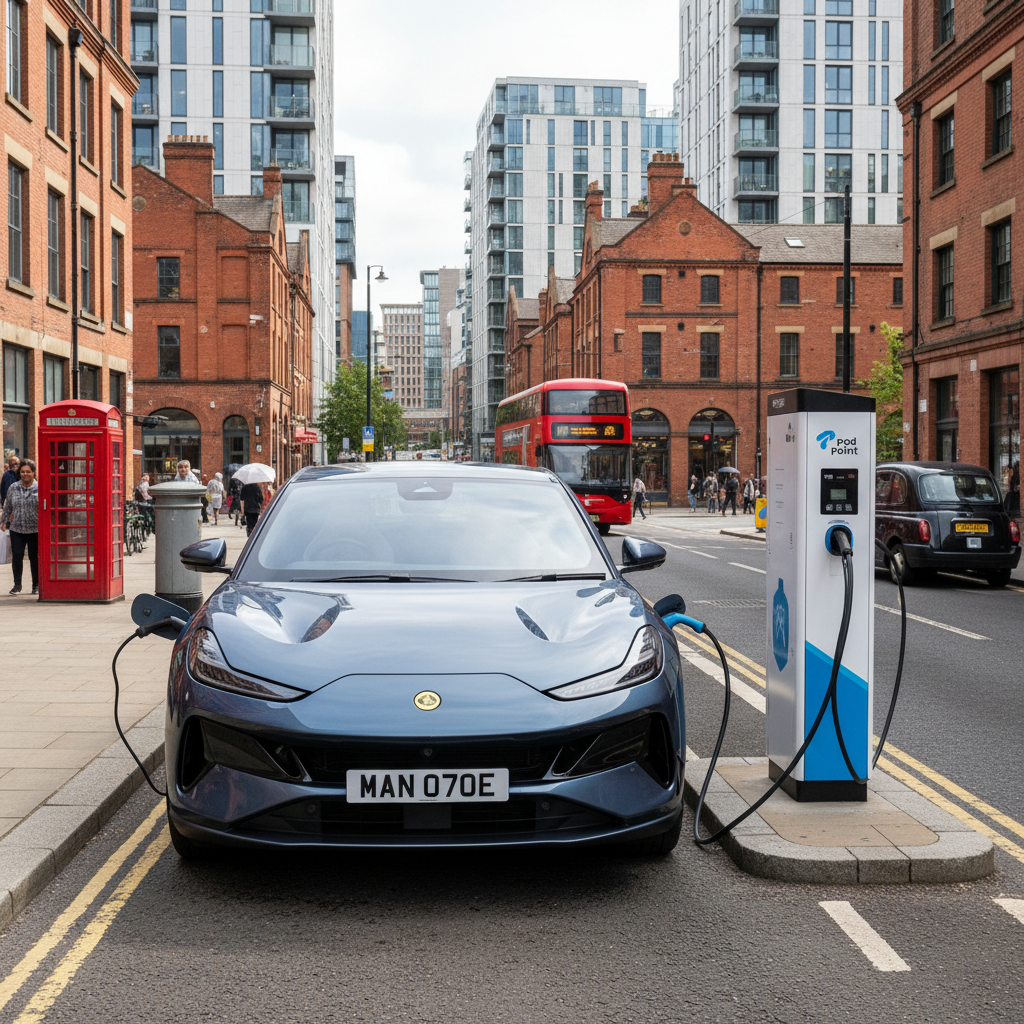
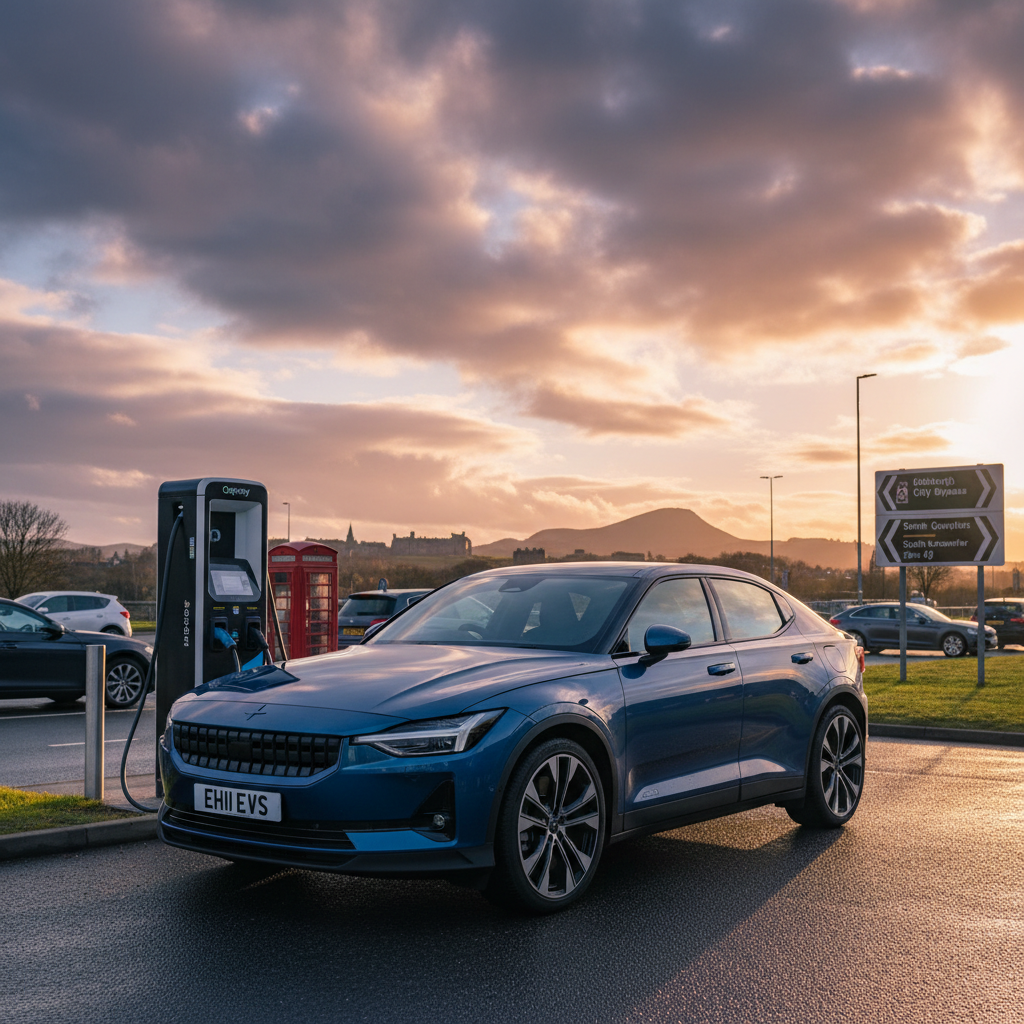
If you're considering making the switch, the charging infrastructure is likely a key concern. The good news is that the UK is investing heavily. We’re anticipating over 5,000 ultra-rapid chargers nationwide by mid-2026, with some locations offering blistering 500kW charging speeds – adding 100 miles of range in under 3 minutes (The Electric Car Scheme). However, Evinfrastructurenews.com points out that grid connection delays have slowed some installations. This is where smart charging systems and Vehicle-to-Grid (V2G) solutions, highlighted by NextMSC, become vital. They enhance grid efficiency and reliability, helping to overcome these very challenges. Learn more about unpacking the next wave of practical EVs and the power grid that fuels them.
The government is also playing its part, relaxing some ZEV mandate rules and offering various grant schemes for charge points (House of Commons Library). Companies like InstaVolt are investing £2.5 million into battery energy storage systems (BESS) to protect against rising grid costs, with more planned (GB News). This decentralised energy storage is a brilliant example of how we can future-proof our charging network. You can delve deeper into how smart charging and modular design are rewiring our EV future.
The Global Picture: Affordability and Advanced Tech
Beyond the UK, the push for affordable, practical EVs is accelerating. Ford’s secretive Electric Vehicle Development Center, working on a $30,000 electric pickup (Ars Technica), and Rivian teasing more R2 variants, including a pickup and an R2X (Ars Technica), signal a more accessible, diverse EV market. Even Chinese EVs are pushing boundaries, not just with screens, but with integrated AI (Ars Technica), demonstrating a global race to innovate.
While the debate around regulatory approval for advanced driver-assist systems like Tesla FSD continues in Europe (Ars Technica), the underlying technologies are constantly refining – making our journeys safer and more efficient. It's a continuous balancing act between cutting-edge innovation and responsible deployment.
KEY TAKEAWAYS:
- Smart Infrastructure is Key: Predictive modelling and BESS are vital for optimal charging network expansion and grid stability.
- AI Drives Performance: AI innovations from motorsport are enhancing vehicle efficiency and design for all EVs.
- Rapid Charging Ahead: Ultra-rapid chargers up to 500kW are becoming more common, drastically cutting charging times.
- Affordability & Diversity: The market is shifting towards more accessible and varied EV models, like electric pickups.
- UK Progress: While challenges remain with grid connections, government support and industry investment are accelerating infrastructure growth.
The Road Ahead: Smarter, Greener, More Accessible
The transformation of motoring is not just about electric powertrains, but about creating an intelligent, interconnected ecosystem. From the micro-management of individual charging sessions to the macro-planning of national grids, AI and data analytics are the invisible engines powering our sustainable transition. The goal remains clear: zero-emission transport that is not only eco-friendly but also practical, affordable, and accessible for everyone. The journey is complex, but the convergence of cutting-edge technology and a real drive for sustainability means the future of motoring is brighter than ever.