

Forget the fantastical renders and whisper-thin concept cars for a moment. While the automotive world often gets swept up in futuristic visions, the real revolution is brewing in the practical, everyday electric vehicles (EVs) hitting our roads and the robust infrastructure evolving to support them. As an EV specialist, I'm always looking beyond the shiny new models to the tangible advancements that truly make a difference to drivers and our planet. This month, it's clear the industry is doubling down on making sustainable motoring genuinely accessible and efficient.
The Practical EV: More Than Just a Pretty Face
The conversation around EVs is shifting from “can they work?” to “how can they work better for everyone?” A prime example is the recent buzz around Rivian. While their R1T pickup and R1S SUV have carved out a niche, CEO RJ Scaringe's tease of additional R2 variants, including a potential R2 pickup and an 'R2X', signals a deeper commitment to diversifying their lineup (Ars Technica). This isn't just about offering more choices; it's about building on a proven, robust electric platform to meet a wider array of consumer needs, potentially at a more accessible price point.
And speaking of accessibility, the idea of an affordable electric pickup isn't just a Rivian dream. Ford's 'skunkworks' approach to designing a £24,000 electric pickup (Ars Technica) is a significant indicator. This isn't about compromising on capability but innovating in manufacturing and battery technology to bring down costs. For the everyday driver, particularly those who rely on a utility vehicle for work or leisure, this represents a massive leap toward practical, zero-emission transportation.
But practicality isn't just about price and body style. It's about fundamental vehicle design. Consider Zoox's approach to their robotaxi, starting with the sensors and designing the vehicle around them (Ars Technica). This might seem niche, but it highlights a paradigm shift. Instead of retrofitting technology, these vehicles are engineered from the ground up for their electric, autonomous purpose. This holistic design philosophy often leads to greater efficiency, enhanced safety, and ultimately, a more reliable sustainable motoring experience.
Powering the Future: Bridging the Infrastructure Gap
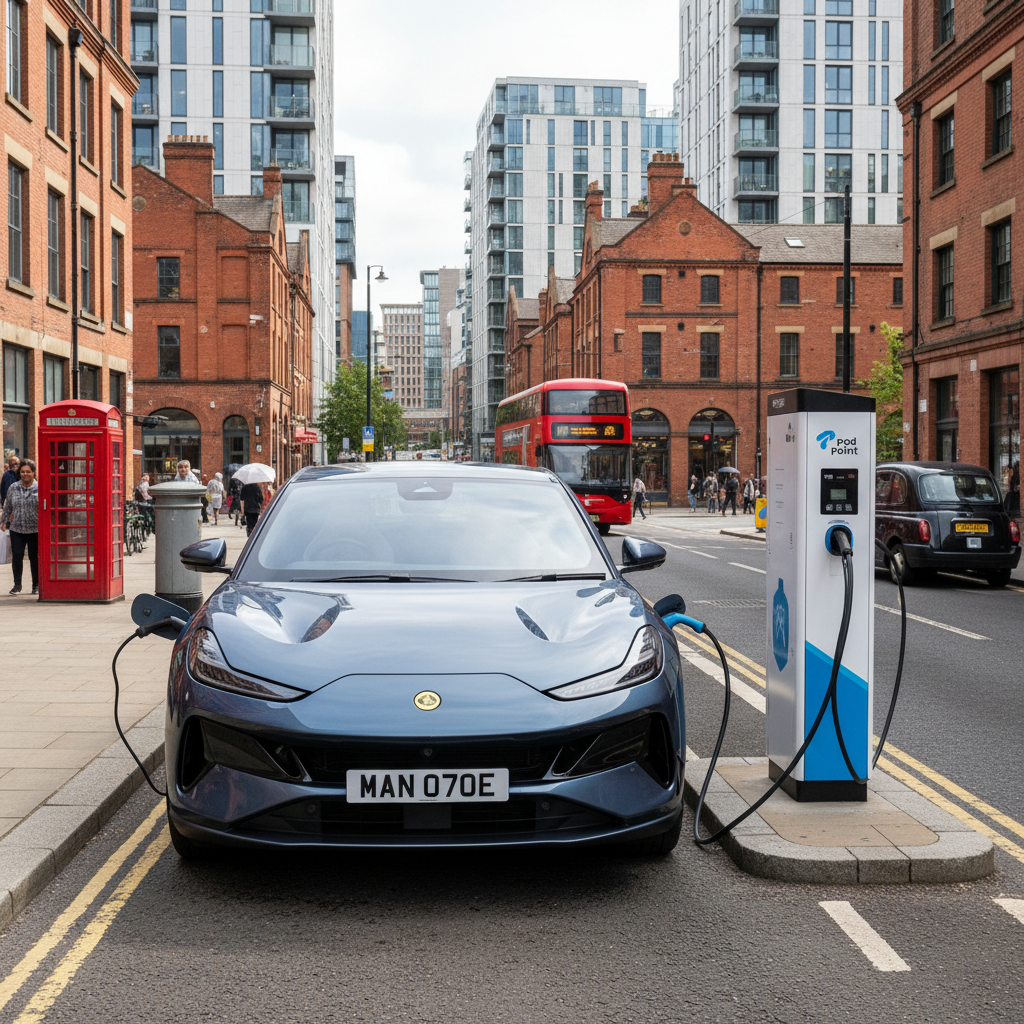
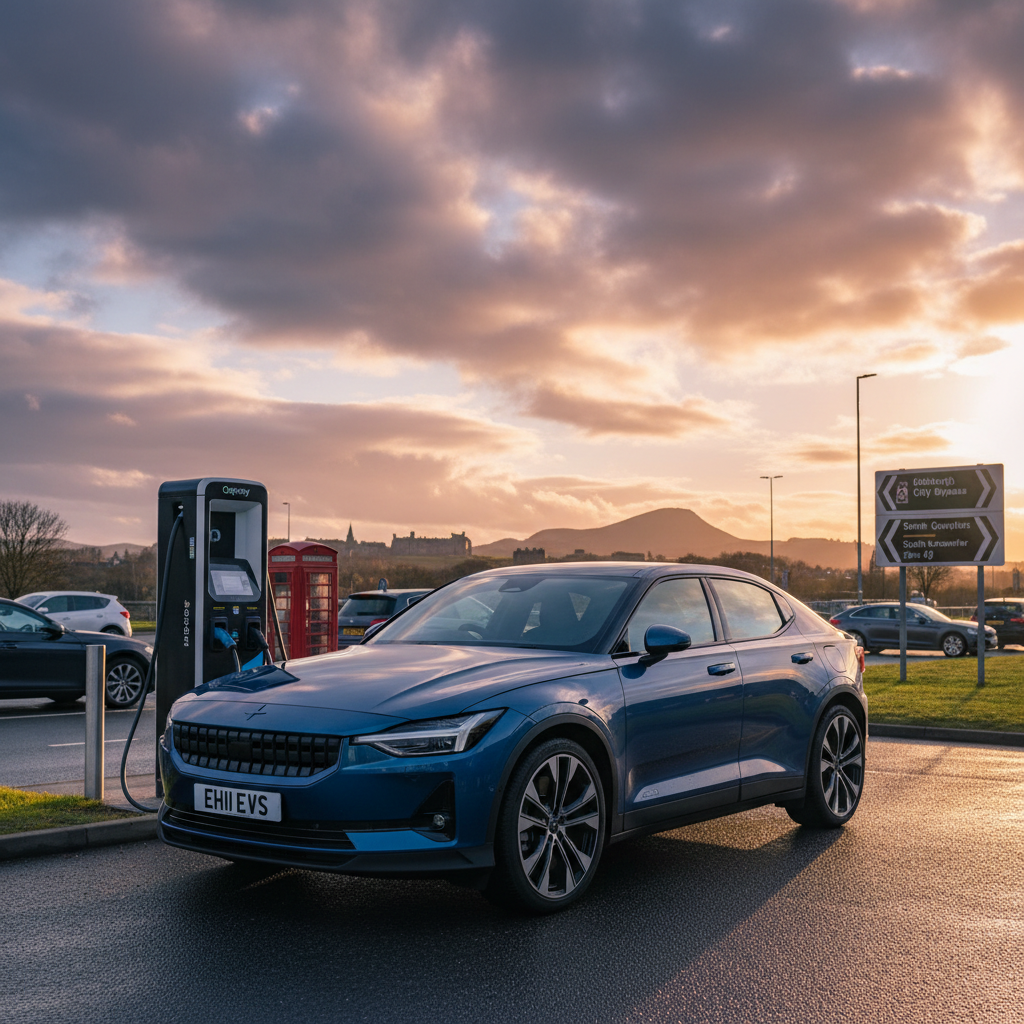
Of course, a fantastic EV is only as good as the charging network that supports it. The UK's charging infrastructure is experiencing rapid growth, yet challenges remain. As of May 2025, there were over 80,000 public charging points in the UK, with more than 8,000 of those being rapid chargers (BBC News). That's impressive, but the push for even faster, more ubiquitous charging continues to be critical for overcoming range anxiety for potential EV buyers.
The good news? Innovation is accelerating here too. We're looking at over 5,000 ultra-rapid chargers nationwide by mid-2026, with speeds reaching up to 500kW at select locations, capable of adding 100 miles of range in under 3 minutes (The Electric Car Scheme). This kind of rapid turnaround is a game-changer, making EV re-fuelling comparable to, or even faster than, a traditional petrol stop for many.
However, the journey isn't without its bumps. Grid connection delays have been noted as a factor in the installation slowdown seen in 2025 (EV Infrastructure News). This underscores the need for continued strategic planning and investment. The government's relaxation of some ZEV mandate rules in April 2025 (House of Commons Library) shows an adaptive approach, aiming to smooth the transition while maintaining ambition. Emerging technologies like smart charging systems and Vehicle-to-Grid (V2G) solutions are also poised to enhance grid efficiency and reliability (NextMSC), creating a more resilient and sustainable charging ecosystem.
The AI Edge: Smarter Mobility for a Greener Tomorrow
Beyond the hardware, artificial intelligence is increasingly becoming the unseen backbone of advanced motoring. We're not just talking about self-driving cars, though that's a part of it. GM's Super Cruise, now with a billion miles driven (Ars Technica), demonstrates the growing maturity of hands-free driver assistance systems on geofenced highways. While European regulators remain cautious about Tesla FSD (Ars Technica), the underlying AI and sensor tech continue to progress, promising safer and more efficient journeys.
Even in the competitive world of motorsport, AI is proving its worth, multiplying computational fluid dynamics resources (Ars Technica) and leading to performance upgrades like those seen at F1 Miami (Ars Technica). This trickle-down effect of AI optimisation will inevitably find its way into consumer EVs, contributing to better aerodynamic efficiency, battery management, and overall vehicle performance.
If you're considering making the switch to an EV, now is an exciting time. The average EV in 2025 achieves around 300 miles on official WLTP tests (Zest.uk.com), making long journeys far less daunting. With the continuous expansion of rapid charging points and the integration of smart technologies, the practicalities of EV ownership are becoming ever more compelling.
- Practicality is King: Automakers are focusing on diverse, affordable EV variants to meet wider consumer needs.
- Charging Breakthroughs: Ultra-rapid charging is expanding dramatically, significantly reducing charging times and anxiety.
- Smart Grid Evolution: Technologies like V2G and smart charging are making the UK's charging infrastructure more robust and efficient.
- AI's Pervasive Influence: AI is enhancing everything from vehicle design and performance to driver assistance and network management.
- Sustainable Future Now: The blend of advanced EVs and intelligent infrastructure makes sustainable motoring more accessible and appealing than ever.
From the ground-up design of new electric models to the ever-smarter network powering them, the future of motoring is not just green; it's ingeniously practical. The innovations we're seeing today are laying the groundwork for a truly sustainable and efficient transportation ecosystem for the UK and beyond. The future is electric, and it's looking brighter and more accessible by the day.