

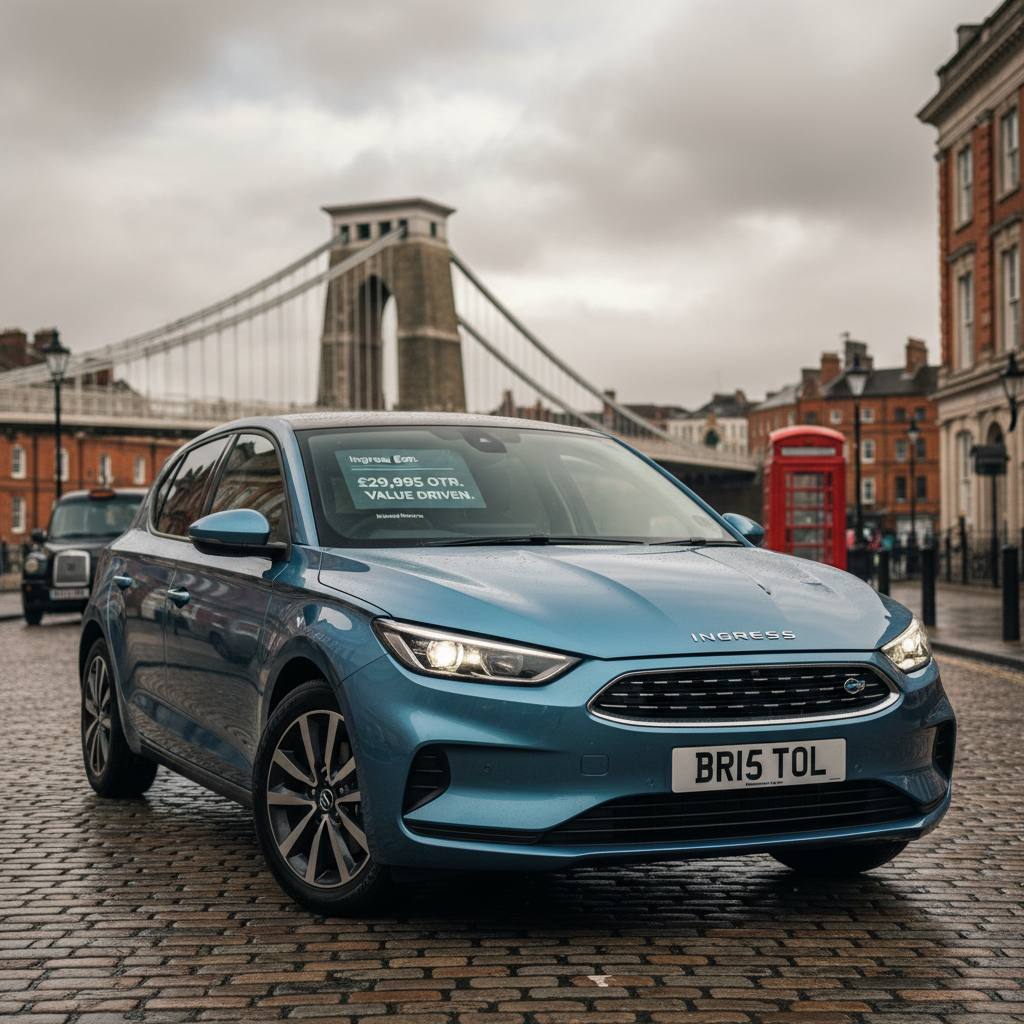
The electric vehicle revolution continues its relentless hum, a symphony of innovation and environmental promise. Yet, as an EV specialist, I'm always looking beyond the shiny new models to the practicalities and policies shaping our sustainable motoring future. This month, the headlines paint a fascinating picture: a sprint towards cutting-edge technology, a battle for robust charging networks, and some speed bumps on the road to widespread adoption.
The Tech Treadmill: Smarter, Faster, Further
It’s hard not to be excited by the sheer pace of technological advancement in the EV space. Rivian, for instance, just rolled out a new onboard AI assistant, integrating seamlessly into their latest software update, available for both Gen1 and Gen2 hardware. This isn't just about voice commands; it's about a more intuitive, connected driving experience, something that moves us closer to truly intelligent vehicles. And let's not forget the sheer audacity of designs like Aptera, which, after years in development, is finally assembling its first validation models. This three-wheel, two-seat marvel, with its focus on extreme efficiency, reminds us that the boundaries of what an EV can be are still being pushed.
Performance isn't just for petrolheads anymore. Volkswagen is making waves with its electric Polo GTI for Europe, an 'ID. Polo GTI' that draws inspiration from the original Golf GTI. This signals a clear intent: EVs can be fun, engaging, and deliver that iconic 'GTI' spirit, but with zero-emissions. This kind of innovative thinking, bringing beloved performance badges into the electric era, is crucial for winning over sceptical drivers. Meanwhile, battery technology has made leaps and bounds. New models boast ranges approaching 300 miles on a single charge according to the Grantham Institute – Climate Change and the Environment, making range anxiety a more distant memory for many.
Charging Ahead, But Not Without Obstacles
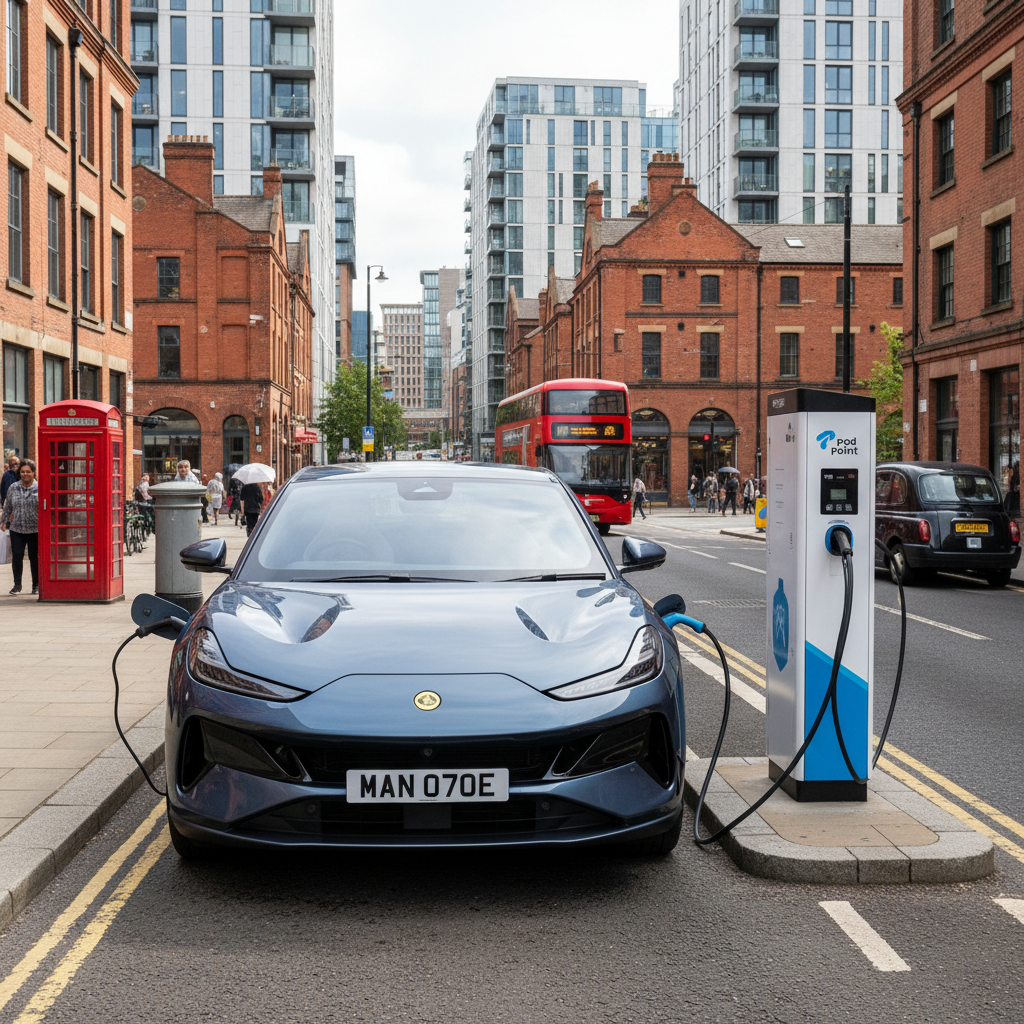
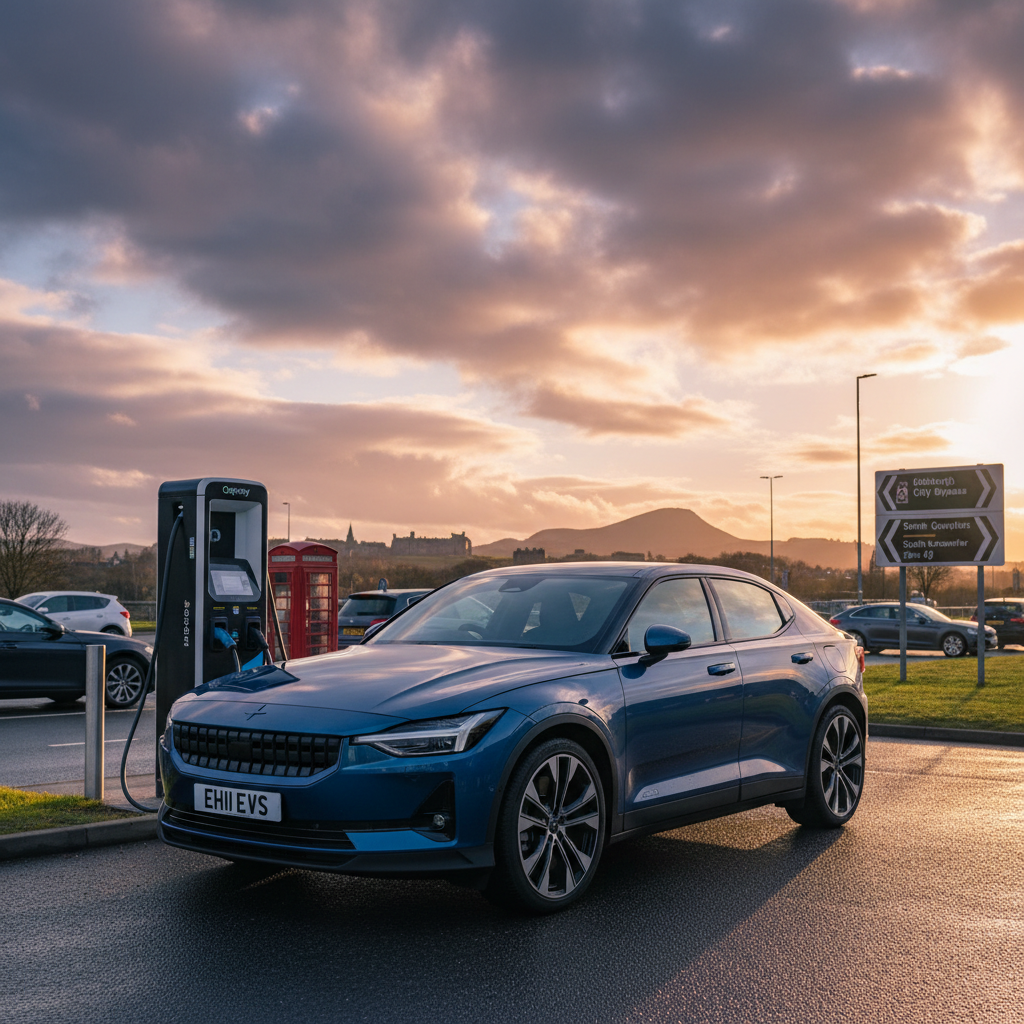
However, the journey to a fully electric future isn't just about the cars; it's fundamentally about the infrastructure supporting them. The UK's public charging network is growing, up by 13%, with over 80,000 public charging points as of May 2025, according to BBC News. Crucially, more than 8,000 of these are 150kW or above, hinting at the ultra-rapid charging speeds needed for quick turnarounds. InstaVolt is also making significant investments with new battery energy storage systems (BESS) sites, aiming to protect customers from rising grid costs, as reported by GB News.
But the picture isn't entirely rosy. The House of Commons Library highlights that despite progress, charge point deployment is still falling behind vehicle uptake in certain regions. Grid connection delays have also been identified as a significant factor in slowing down installations, a challenge the Department for Transport and Office for Zero Emission Vehicles are trying to tackle with funding, as discussed by EV Infrastructure News. We're seeing innovative solutions emerge, like smart charging systems and Vehicle-to-Grid (V2G) solutions, which promise to enhance grid efficiency and reliability, as detailed by NextMSC. These are critical for truly sustainable EV adoption, managing the demands of a growing electric fleet without overwhelming our power networks. The need for strategic planning for 2025-2030, as outlined by Zest, is paramount to prevent bottlenecks.
The Cost of Going Green: A New Debate
Perhaps the most significant new development impacting potential EV buyers is the proposed $130 annual EV registration fee in a bipartisan bill in the US Congress. While this is currently a US proposal, it reflects a growing global debate: how do EVs contribute their 'fair share' to road maintenance if they aren't paying fuel duty? While we in the UK already have Vehicle Excise Duty for EVs, this US proposal signals a potential shift in how governments view EV taxation. If you're considering making the switch, it's a reminder that the cost-saving benefits of EVs are constantly evolving, and a full picture includes not just charging costs but also potential future road usage charges.
For some manufacturers, the transition to pure EVs has been a bumpy road. Honda, for example, is absorbing a significant $9 billion EV loss, leading them to focus on new hybrids for the American market. This underscores a crucial point: the transition isn't instantaneous, and hybrid technology still plays a vital role as a bridge to a fully electric future, offering a blend of eco-friendly driving with the familiarity of an internal combustion engine.
Tom's Takeaways:
- Innovation Accelerates: From AI co-pilots to performance electric hot hatches, EV technology is making huge strides in driving experience and efficiency.
- Infrastructure is Key: While the UK's charging network is expanding, strategic planning and addressing grid connection issues are vital for seamless adoption.
- Costs Evolve: Be aware that while EVs offer significant savings, governments are exploring new ways to tax electric vehicles for road usage, a factor for future budgeting.
- Hybrids Remain Relevant: For some, hybrid vehicles continue to offer a practical, eco-friendly stepping stone to fully electric motoring during this transition phase.
- Sustainability is Holistic: True green motoring encompasses not just the vehicle, but also the smart infrastructure and policies that support it.
The future of motoring is undeniably electric, but it's also complex. We're seeing incredible innovation push the boundaries of what's possible, from cutting-edge battery tech enabling longer ranges to AI making our journeys smarter. Yet, the foundations – our charging infrastructure and the economic models supporting it – are still under construction. For those of us passionate about sustainable motoring, it’s a dynamic period filled with both immense promise and realistic challenges. But make no mistake, the drive towards a cleaner, greener road ahead is irreversible, and with the right investment and policy, it's a future we can all look forward to.