

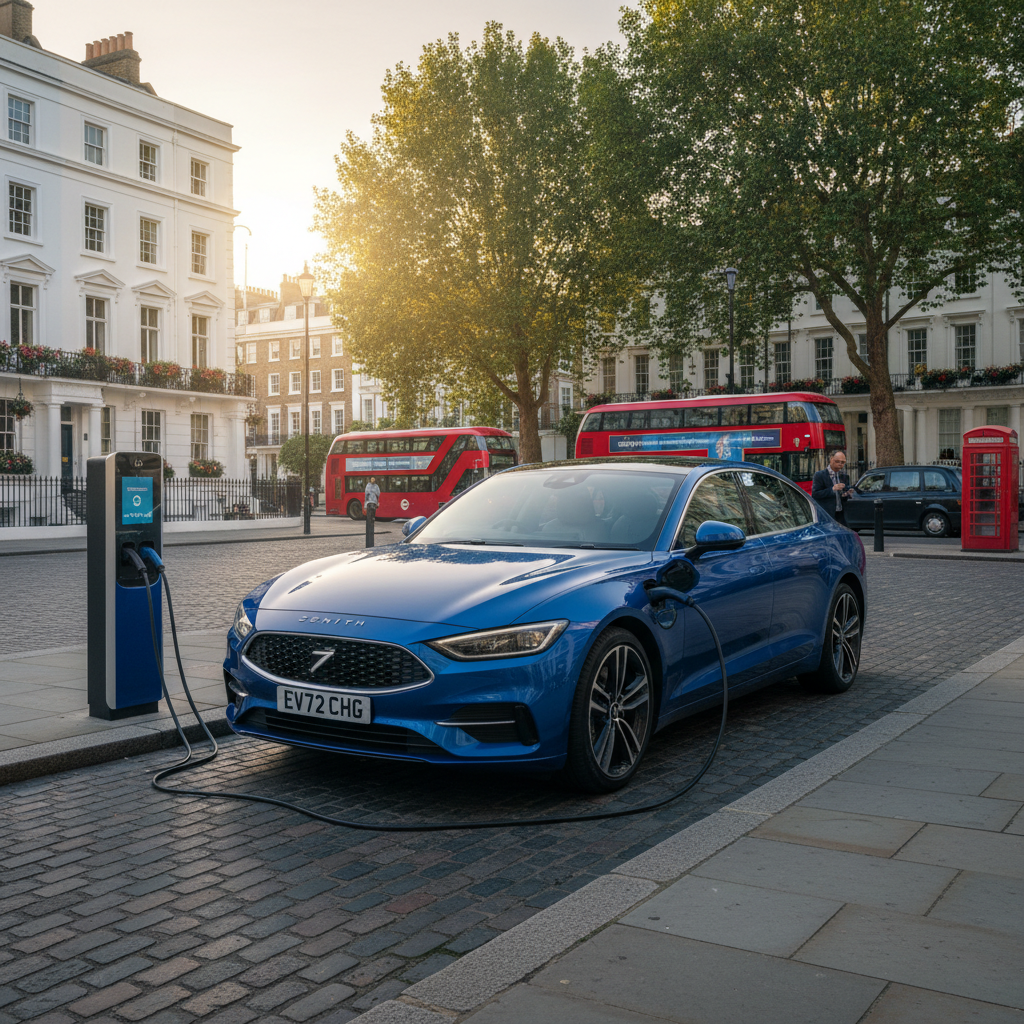
Forget everything you thought you knew about electric vehicles. We're well beyond the early days of niche models and range anxiety. The landscape is shifting dramatically, with innovation not just in the vehicles themselves, but in the intelligent ecosystems supporting them. As an EV specialist, I'm genuinely excited by the pace of change, and the implications for every driver considering a greener path.
The Cutting Edge: Radical Designs and Intelligent Cruising
While the mainstream EV market continues to mature with familiar body styles, a few outliers are pushing the boundaries of efficiency and design. Take Aptera, for instance. After years in development, this striking three-wheel, two-seat EV is finally assembling its first validation models, as reported by Ars Technica. It's a bold, aerodynamically optimised vision that promises extreme efficiency, a testament to what's possible when you rethink conventional automotive design from the ground up. This isn't just about a unique aesthetic; it's about maximising range through radical design principles – something truly eco-friendly.
Closer to home, the practicality of everyday EVs is being supercharged with smart tech. Rivian, a brand I admire for its adventurous spirit and commitment to sustainability, is rolling out a new onboard AI assistant. Available for both Gen1 and Gen2 hardware, as Ars Technica highlights, this isn't just a fancy voice control system. It's about a more intuitive, personalised driving experience, potentially optimising routes for charging, managing vehicle functions, and even learning driver preferences. This kind of integration signals a future where our cars are not just transport, but intelligent, helpful companions on our sustainable journeys. For more insights into how AI is shaping the future of EV infrastructure and performance, explore the AI-driven future of EV infrastructure and performance.
The Power Grid: Smart Solutions for UK Drivers
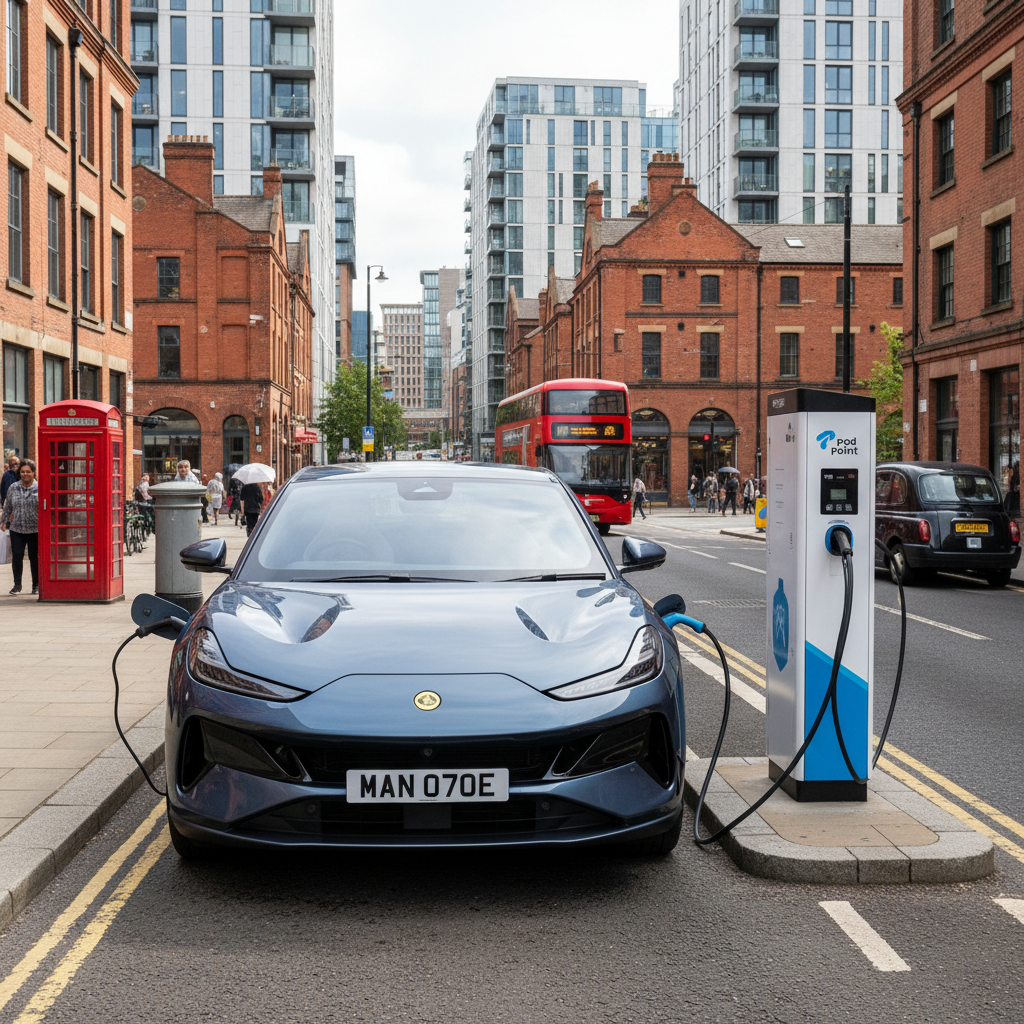
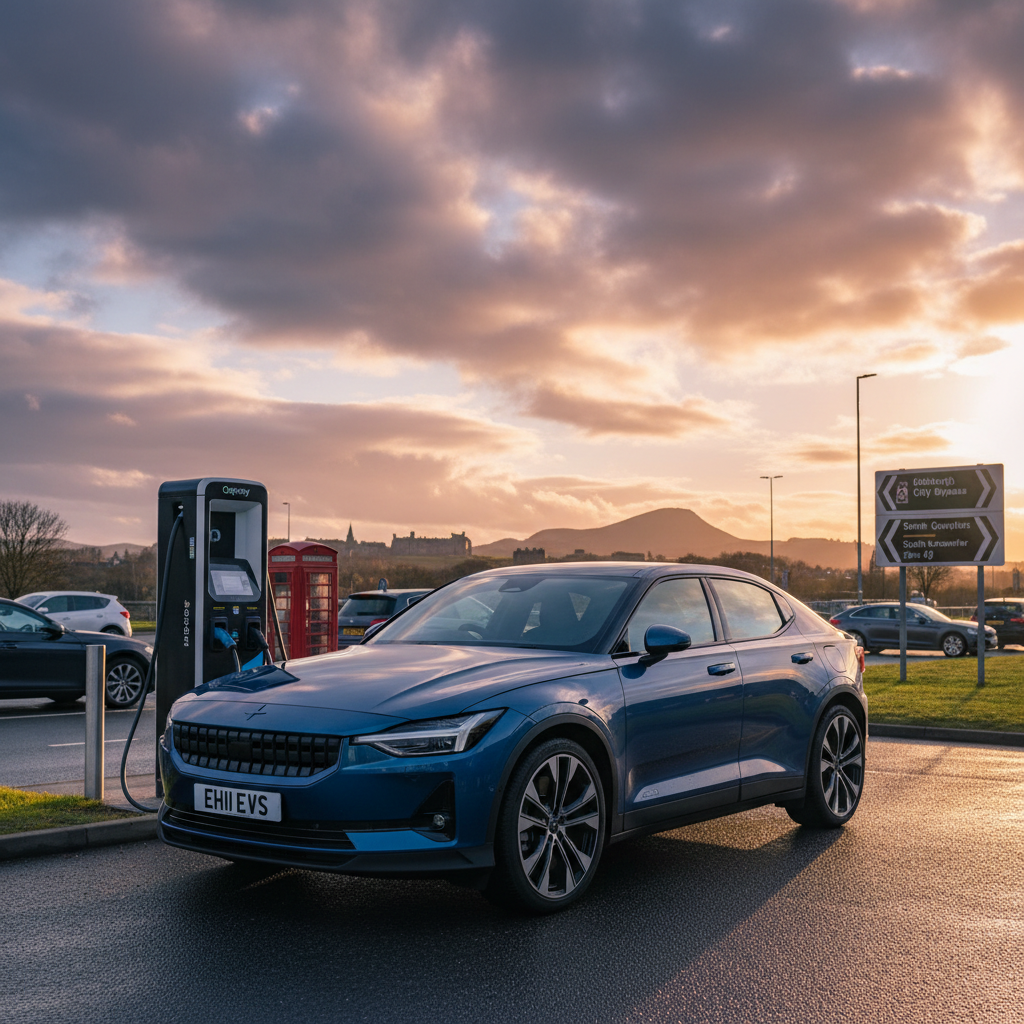
One of the biggest hurdles for widespread EV adoption, particularly here in the UK, has always been charging infrastructure. But exciting developments are emerging that directly address these concerns, making the switch to electric more practical and stress-free for everyday drivers. According to Scientific Reports from Nature.com, predictive modelling and clustering are being used to optimise charging infrastructure in regions like the West Midlands and North East UK. This isn't just about throwing up more chargers; it's about smart placement to genuinely meet demand.
The latest Zapmap data, covering Q1 2024 to Q4 2025, reveals stable charger utilisation, suggesting that network growth is beginning to match demand, which is fantastic news for consumer confidence. Furthermore, innovations like battery energy storage systems (BESS) are making real inroads. InstaVolt, for example, is investing heavily in these systems, with a £2.5 million investment in five new sites and plans for 20 more this year, as reported by GB News. These BESS units, now offering up to 300kWh thanks to 800V battery architecture as seen in EV Infrastructure News, help buffer the grid, ensuring reliable power and even protecting drivers from rising energy costs. This kind of forward-thinking investment in smart charging, ultra-fast chargers, and Vehicle-to-Grid (V2G) solutions, as highlighted by Nextmsc.com, is absolutely crucial for a robust, future-proof charging network. Discover more about unlocking EV's full potential through intelligent infrastructure and design.
For those considering making the switch, the good news keeps coming. The average EV in 2025 boasts around 300 miles of WLTP range (Zest.uk.com), largely thanks to innovations in battery energy density (Imperial College London). This effectively eliminates range anxiety for most daily commutes and even longer trips. While grid connection delays have a slight impact on installation rates (Evinfrastructurenews.com), the overall picture is one of rapid, intelligent improvement.
Performance Meets Practicality: Ford & Porsche Lead the Charge
It's not just about efficiency and infrastructure; the sheer enjoyment of driving an EV is expanding too. On one end, we have the exhilarating performance of vehicles like the Porsche Taycan, which can be further enhanced with Nürburgring-specialist Manthey's upgrade package, as Ars Technica reports. This demonstrates that performance EVs are not just fast, but highly tuneable machines, pushing the boundaries of electric motoring on the track.
On the other end of the spectrum, Ford is making tremendous strides in democratising electric vehicles. Ars Technica took a tour inside Ford's skunkworks, revealing their ambition to design a $30,000 electric pickup. This focus on affordable, practical, and versatile EVs, alongside Rivian's teased R2 pickup and R2X variants (Ars Technica), signals a future where electric power isn't just for luxury or niche segments, but for the workhorse vehicles of our economy. This combination of affordability and utility will be a game-changer for sustainable motoring. Explore how performance EV tech is redefining everyday sustainable motoring.
While topics like F1 engine tweaks and the evolution of driver-assist systems like Tesla FSD (Ars Technica) are fascinating, the real revolution for everyday drivers lies in these combined efforts – innovative vehicle design, robust and intelligent charging infrastructure, and a relentless drive towards practical affordability.
Key Takeaways for UK EV Drivers
- Radical Efficiency: Keep an eye on designs like Aptera pushing the limits of range through aerodynamics.
- AI Integration: Smart assistants like Rivian's are making EVs more intuitive and personalised.
- Smarter Charging: UK infrastructure is rapidly improving with predictive modelling and BESS, making charging more reliable and efficient.
- Extended Range: New EVs offer around 300 miles WLTP range, effectively tackling range anxiety.
- Affordable Options: The push for sub-$30,000 electric pickups signals a future of accessible, practical EVs for all.
The Green Horizon
The future of motoring is undeniably electric, and it's evolving at an astonishing pace. From the cutting-edge designs of ultralight, aerodynamic vehicles to the intelligent, AI-powered charging networks sprouting across the UK, we're seeing the pieces of a truly sustainable transport system fall into place. The focus is increasingly on making EVs not just an eco-friendly choice, but a practical, affordable, and deeply integrated part of our daily lives. This is a future I'm proud to champion – one where leading-edge tech meets environmental responsibility for a cleaner, smarter ride for everyone.