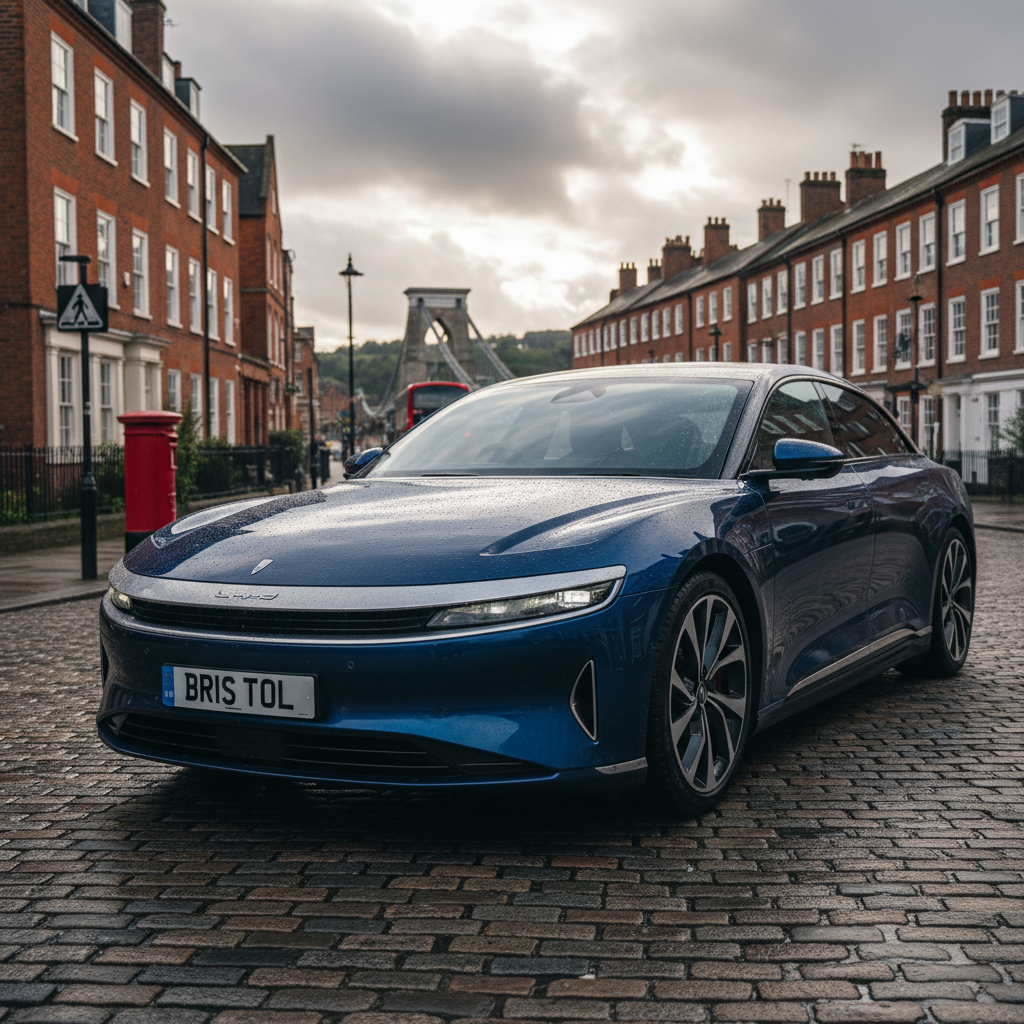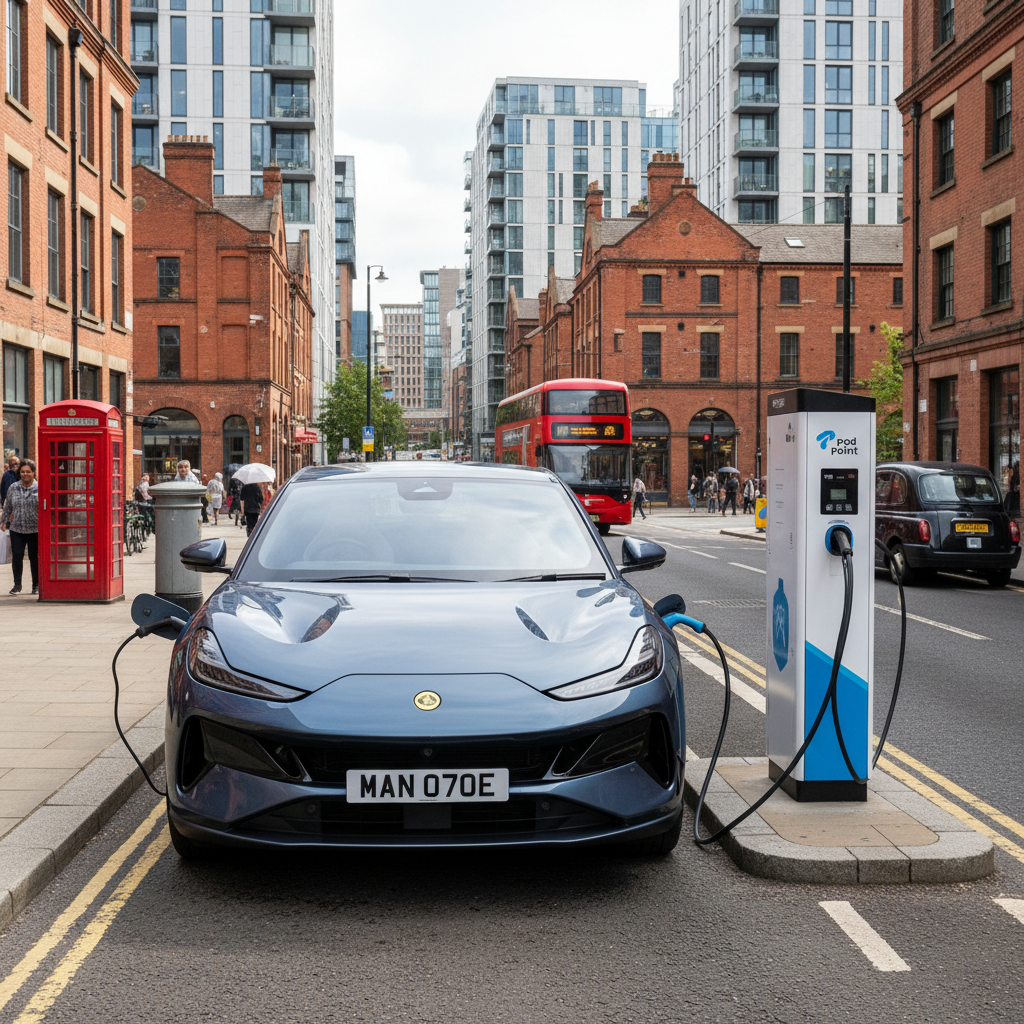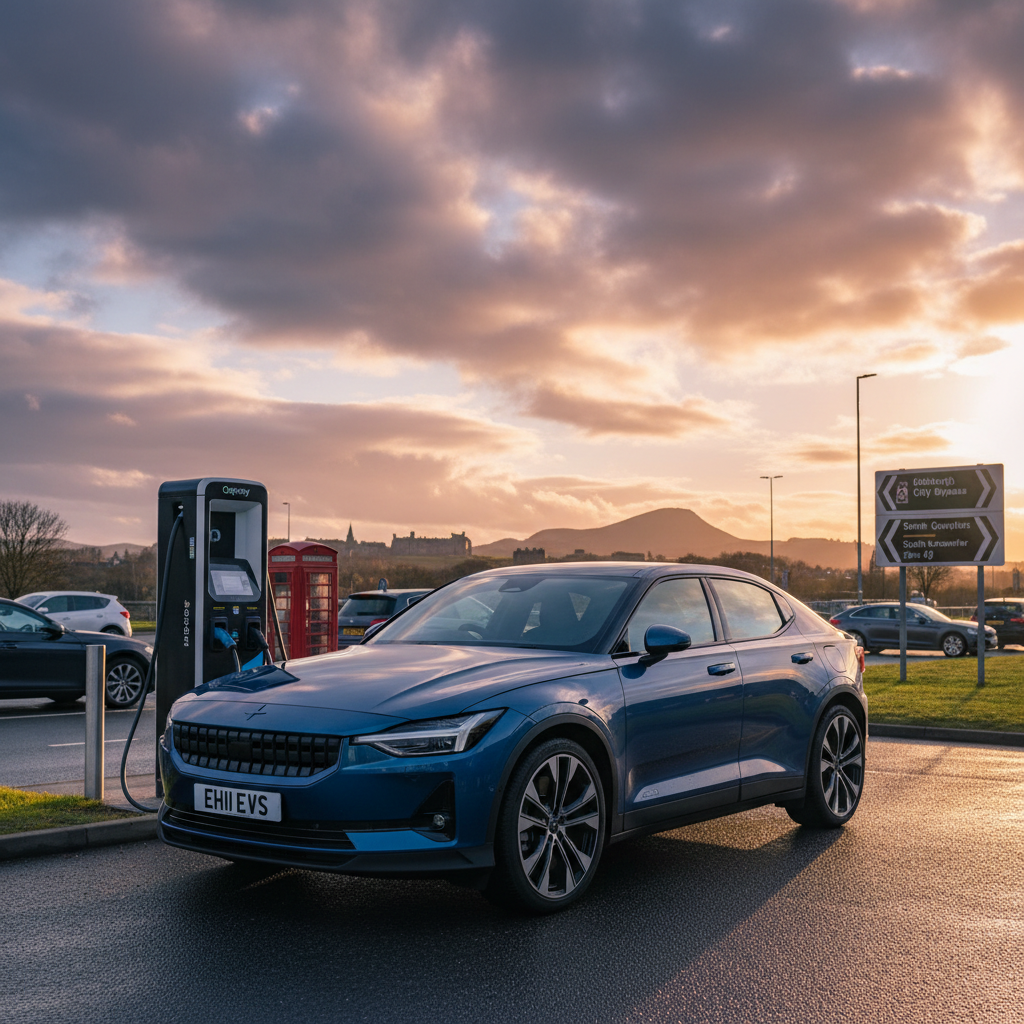



For decades, traditional petrolheads measured automotive progress in horsepower, displacement, and cylinder count. But as we transition to a zero-emission future, the most critical battlefield isn’t under the bonnet—it’s inside the silicon. We have officially entered the era of the Software-Defined Vehicle (SDV), where sophisticated lines of code dictate everything from how many miles you can squeeze out of a battery to how your car behaves in an emergency.
From cutting-edge battery management algorithms to autonomous safety overrides, software is quietly revolutionising the driving experience, making vehicles cleaner, safer, and inherently more sustainable.
The Silicon Arms Race Under the Bonnet
Modern vehicles are essentially high-performance computers on wheels. This digital evolution has triggered a fascinating tug-of-war between manufacturers securing their digital architecture and aftermarket tuners. As reported by Ars Technica, we are currently witnessing a high-stakes "arms race" between automotive OEMs locking down their onboard chips and tuners trying to crack them.
In the electric vehicle (EV) sector, this software lock-down isn’t just about stopping drivers from boosting track speeds; it’s about preserving battery health, managing complex thermal dynamics, and protecting over-the-air (OTA) update pathways. When software controls the powertrain, an unauthorised tweak could compromise the delicate chemistry of a multi-thousand-pound battery pack.
This hardware-software synergy is perfectly illustrated by the 2026 Lucid Gravity Touring. In their hands-on review, Ars Technica praised the large, luxury electric SUV for being remarkably quick, comfortable, and agile. What makes the Gravity a triumph of sustainable engineering isn’t just its compact electric motors, but the ultra-efficient software managing its 900-volt platform. By managing energy flow with mathematical precision, Lucid proves that real-world range doesn’t require carrying a heavy, eco-unfriendly battery pack.
Even in the transitionary hybrid market, software acts as the ultimate arbiter. Ars Technica’s review of the 2026 Toyota RAV4 Plug-in highlights how its sizeable battery, paired with intelligent energy-routing software, allows everyday drivers to complete their daily commutes entirely on electricity. By reserving petrol usage strictly for long-distance journeys, smart coding helps eliminate routine trips to the petrol station.
Safety, Autonomy, and the Self-Governing Car
Software doesn’t just manage efficiency; it is also redefining vehicle safety. A compelling example of this is unfolding in the autonomous vehicle sector. According to reports from Ars Technica, a regulatory quirk in California temporarily resulted in free Waymo robotaxi rides for residents in Ventura County, highlighting how quickly autonomous tech is integrating into daily life.
More impressive, however, is how these software-driven vehicles react to human unpredictability. When two teenagers attempted a toy-gun drive-by shooting at a driverless Waymo vehicle in San Mateo, the car’s onboard spatial-awareness algorithms didn’t panic. As documented by Ars Technica, the robotaxi immediately came to a safe stop, initiated a 911 emergency call, and waited for the police to arrive. This calm, automated decision-making highlights how future-proof software can enhance safety on public roads far more reliably than an easily startled human driver.
What This Means for UK Drivers
If you're considering making the switch to an electric vehicle here in the UK, this software revolution offers immense practical benefits, though some unique challenges remain.
On the plus side, software-centric EVs are designed to get better with age. Thanks to OTA updates, your car’s range, charging speed, and safety features can be optimised while you sleep, directly combating range anxiety and protecting your car's residual value.
However, British buyers still face hurdles regarding infrastructure and upfront costs. Unlike the US—where, as reported by Ars Technica, California has introduced new direct rebates for first-time new and used EV buyers to make clean transport more equitable—the UK currently lacks equivalent targeted subsidies for used EV buyers. To truly democratise sustainable motoring, British policymakers must look at these international incentive frameworks to lower the barrier to entry.
The transition to sustainable motoring in the UK could also benefit from exploring how smart grid buffers and local battery storage can help secure the UK's EV future, especially concerning the charging infrastructure.
Key Takeaways
- Efficiency via Code: Smart software, like that in the Lucid Gravity, optimises energy flow to deliver massive range without the need for excessively heavy, resource-intensive batteries.
- The ECU Lock-down: Automakers are increasingly securing vehicle chips to protect battery health and ensure the safety of over-the-air updates.
- Zero-Emission Commuting: Modern plug-in hybrids like the Toyota RAV4 use advanced battery-routing software to ensure daily drives remain 100% electric.
- Onboard Safety: Autonomous vehicles are proving that software-led security and emergency protocols can handle real-world threats calmly and efficiently.
The Verdict
The future of sustainable motoring is undeniably digital. While mechanical engineering and aerodynamics still play vital roles, it is the code running behind the scenes that will ultimately determine how green, safe, and durable our cars will be. If you want a truly future-proof ride, look past the body panels and ask what’s running the operating system, as the EV intelligence era is redefining road authority.