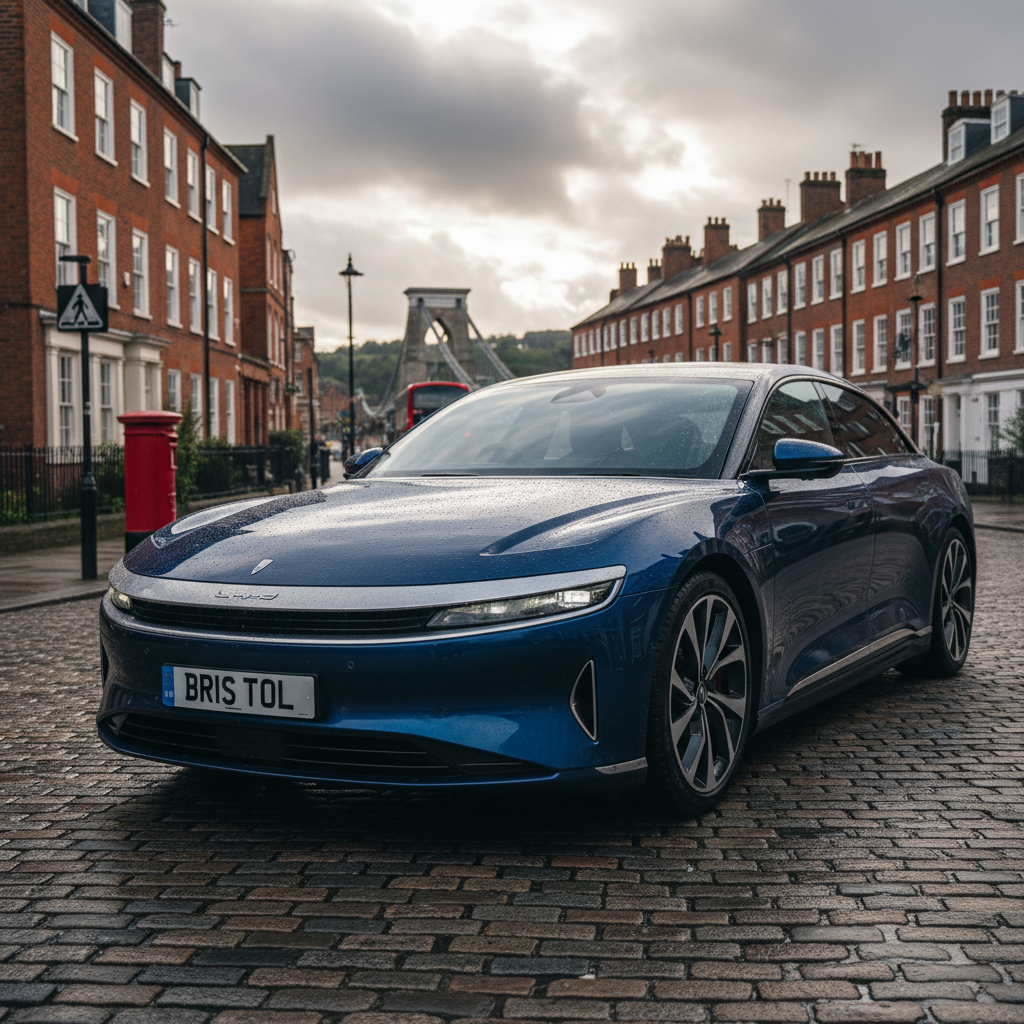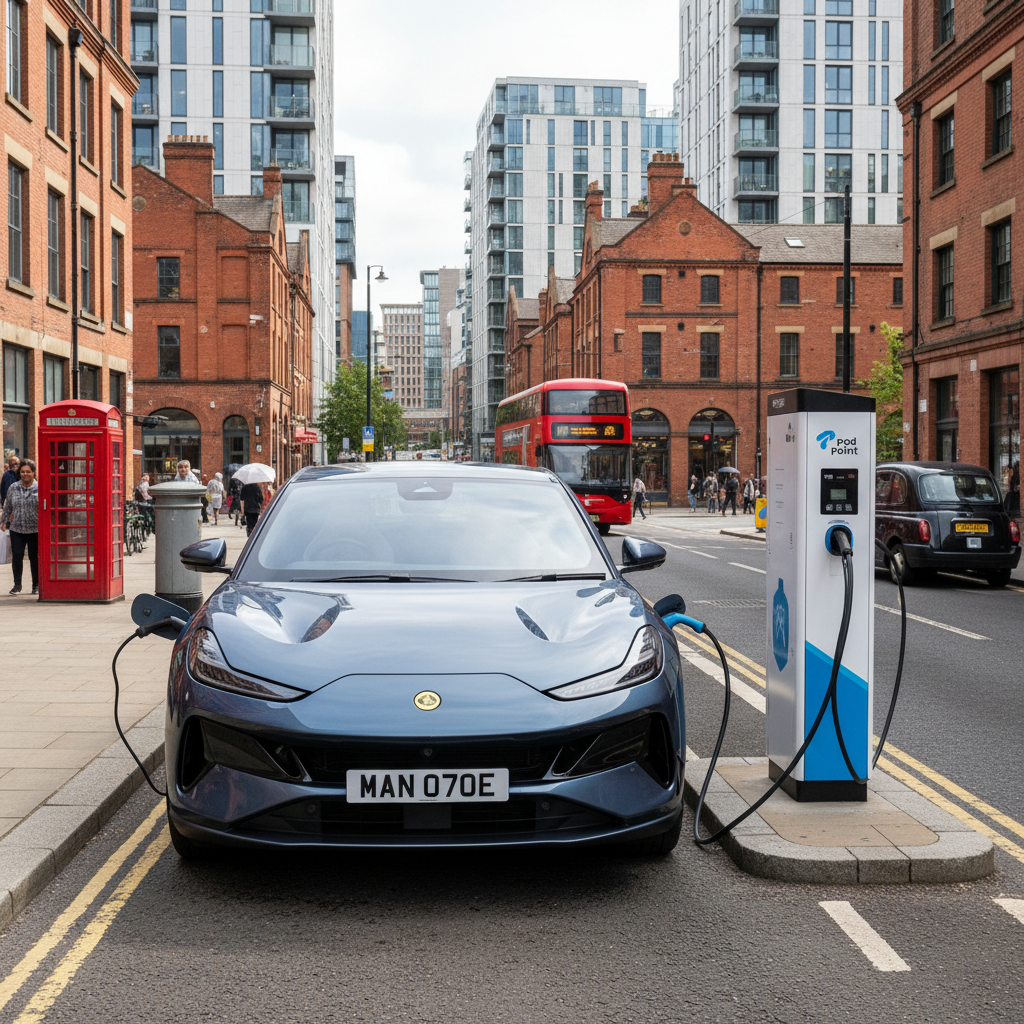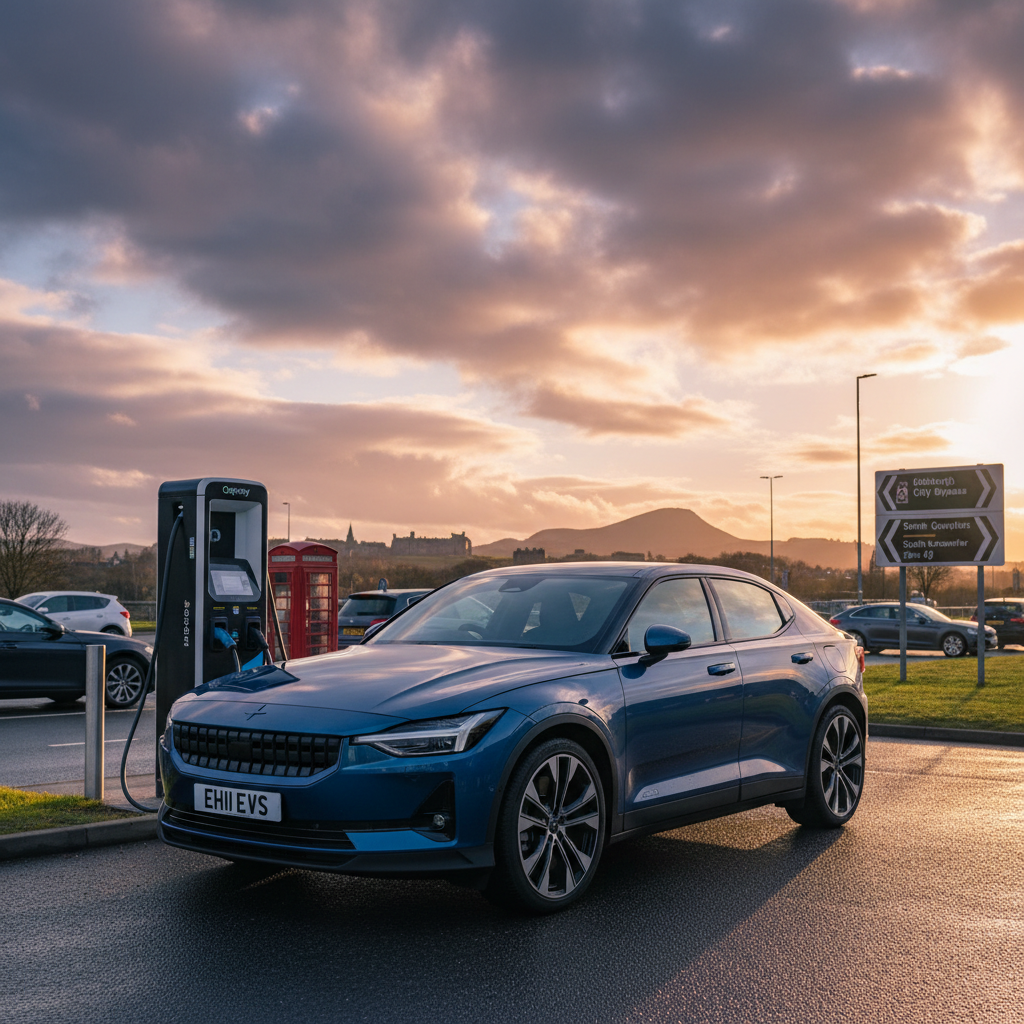


For decades, the car industry lived by a delightfully simple rule: more is always better. More cylinders, more niche model offshoots, and endless, baffling complexity. That era is dead. As we head into the electric age, the industry is going through a massive, overdue detox. For my money, the cleverest green motoring breakthroughs aren't about bolting more heavy kit onto cars, but stripping things back to basics.
Just look at the current boardroom scrap at Volkswagen. According to reports by Ars Technica, the VW Group is locked in tense union talks over a drastic plan to slim down. The headline? Halving its model range. Quite right too. Legacy car companies simply cannot afford to keep selling a bloated mess of overlapping petrol, diesel, and electric variants. If you want to build affordable EVs at scale, you have to simplify.
Then there is Lucid. With the 2026 Lucid Gravity Touring, we are seeing what happens when you engineer an EV platform for sheer efficiency rather than brute force. Ars Technica recently reviewed the heavy-hitting SUV, finding it remarkably spacious, agile, and properly quick, despite its bulk.
How? By using Lucid's own tiny, ultra-compact drive units. Lesser brands just cram in a massive, heavy battery to chase driving range, which ruins both the handling and the planet. Lucid focused on aerodynamic shape and brilliant motor efficiency instead. It proves that a big, family-sized EV does not have to handle like a listing barge, nor does it need to carry the carbon footprint of a small country before it even leaves the factory.
The Consumer Shift: What This Means for Everyday Drivers
If you are thinking of making the switch to electric, this shift is spot on. It means tomorrow's EVs will be lighter, more spacious, and crucially, more energy-efficient. In the UK, where roads are narrow and parking spaces are notoriously tiny, we need clever interior packaging. The Gravity proves you can have cavernous three-row seating without a gargantuan exterior footprint. This focus on smarter packaging is key to future-proofing our roads and reducing the overall footprint of vehicles.
At the same time, clever policy is finally chipping away at the cost of buying an electric car. While the UK government is still faffing about looking for the right incentives, we could learn a thing or two from abroad. Take California, where Ars Technica highlighted a rebate scheme giving first-time buyers up to $4,000 for a new electric car, and a separate $1,750 for a used one. Crucially, the scheme uses strict price caps. That means the cash helps normal drivers rather than subsidising rich people's luxury toys. These types of micro-subsidies and modular platforms are rewriting the EV transition playbook, making them more accessible to the general public.
As the cars become more obtainable, the software powering them is embedding itself into our transport systems. Driverless cars are no longer just science experiments; they are becoming part of daily life. Indeed, Ars Technica noted that Waymo is expanding its driverless ride-hailing services in California, even handing out free rides in some areas thanks to weird local regulations.
It turns out these autonomous systems are harder to fool than you might think. During a bizarre incident reported by Ars Technica, two teenagers who tried to fire toy guns from a Waymo taxi learned this the hard way. The robotaxi simply stopped, locked its doors, and automatically dialled the police. I reckon that is exactly the sort of predictable, built-in safety we need before the public will ever truly trust driverless transport.
Key Takeaways
- Streamlined Platform Design: Axe the model bloat. Killing off redundant model variants is key to lowering production costs and making EVs affordable for regular buyers.
- Efficiency Over Battery Size: Smaller is better. Tiny, highly efficient motors offer plenty of cabin space and performance without the huge carbon footprint of giant batteries.
- Targeted Financial Incentives: Cap the prices. Handing out rebates with strict vehicle price limits ensures EV subsidies help proper drivers, not just the wealthy.
- Ecosystem Maturity: Clever software. Autonomous vehicles are proving they can handle erratic human behaviour, which is vital for building public trust.
The Verdict
The car industry is finally shedding its bloated past. Whether it is old-guard giants like VW binning redundant models to cut costs, or fresh faces like Lucid proving that small, efficient motors are the real secret to family-sized practicality, the pattern is obvious. Less is finally more. By choosing clever packaging over raw, heavy battery power, the future of motoring looks a whole lot lighter, cleaner, and more sensible for all of us.