

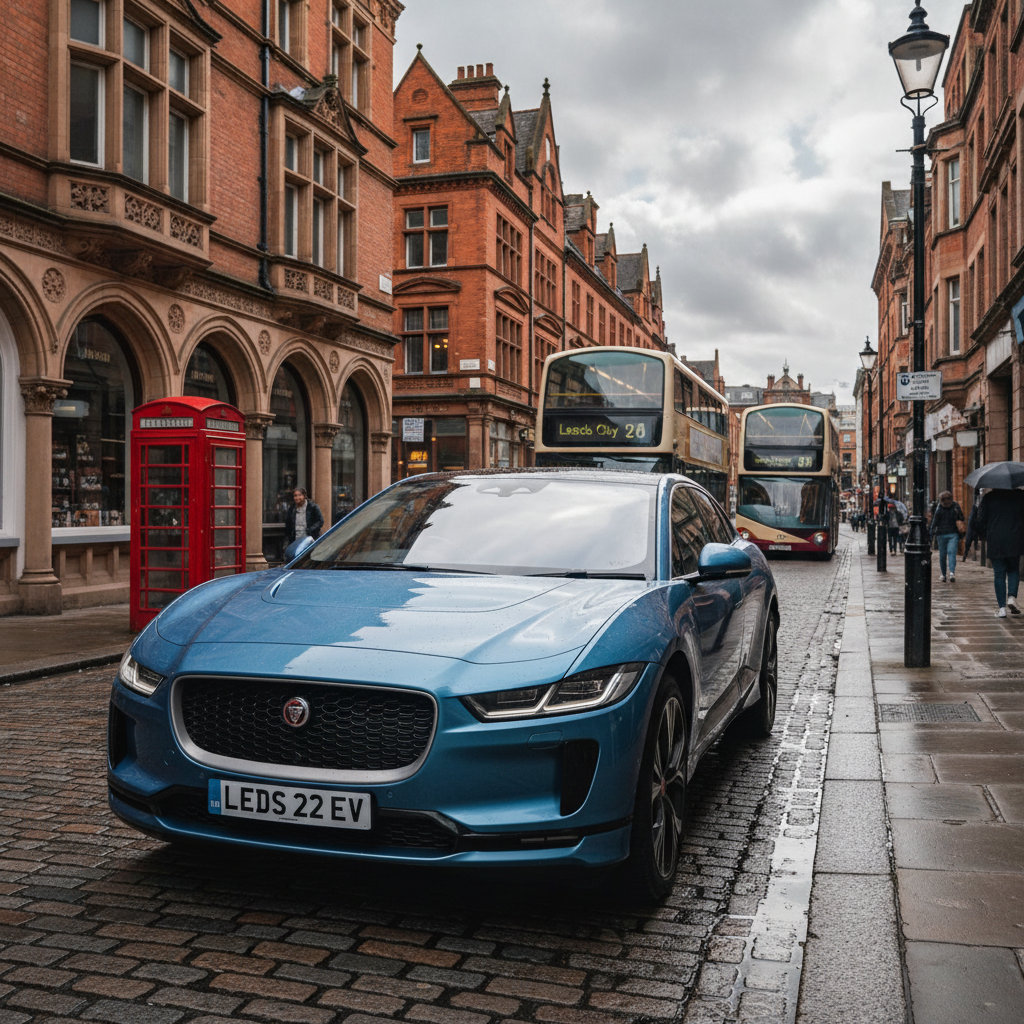
The hum of an electric motor is becoming an increasingly common soundtrack on UK roads, but beneath the surface, something far more profound is taking shape: a confluence of AI, advanced battery tech, and clever infrastructure that's rapidly evolving our entire EV ecosystem. It's not just about swapping petrol for electrons anymore; it's about a smarter, more sustainable, and ultimately more practical way to drive.
Let's talk about the brainpower behind the beauty. AI, once confined to the realm of science fiction and supercomputers, is now a silent partner in the development and deployment of electric vehicles. In motorsport, for instance, we're seeing AI become a new computational fluid dynamics (CFD) tool, multiplying limited resources for aerodynamic design (as reported by Arstechnica.com). This isn't just about shaving seconds off lap times; it’s about optimising vehicle efficiency, from drag reduction to thermal management – crucial elements for extending real-world EV range.
And it's not just design. Think about the intelligent co-pilot many of us are already experiencing. GM's Super Cruise, for example, has logged a billion miles of hands-free, eyes-on driver assist on geofenced highways (Arstechnica.com). While autonomy remains 'eyes-on' for now, this relentless accumulation of data, processed by powerful AI, is paving the way for safer, more relaxed journeys. For the everyday driver, this translates to reduced fatigue and a more enjoyable motoring experience, especially on long stretches of motorway.
The Power Beneath Your Feet: Battery Breakthroughs & Charging Evolution
Range anxiety, that nagging worry about running out of juice, is becoming a relic of the past. Imperial College London highlights that even now, the newest EV models boast ranges approaching 300 miles on a single charge thanks to innovations that have increased battery energy density. This is a game-changer for those considering making the switch, offering genuine long-distance capability.
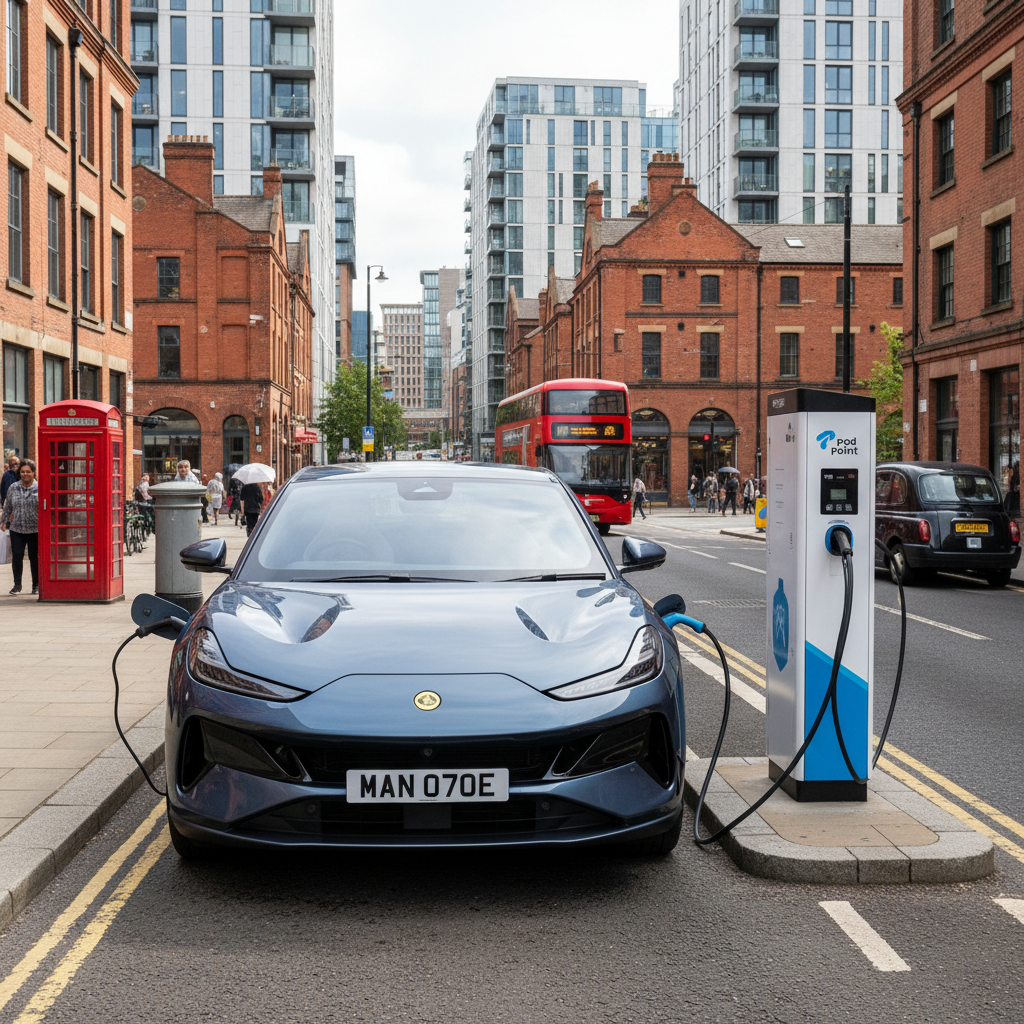
But a great battery needs a great charging network. The UK government is acutely aware of this, announcing reforms to address a 'two-tier system' in charging provision, with a consultation on extending permitted development rights demonstrating a clear intent to accelerate infrastructure rollout (Evinfrastructurenews.com). The House of Commons Library also notes the relaxation of some ZEV mandate rules in April 2025 and ongoing grant schemes to support new charge points at homes and workplaces.
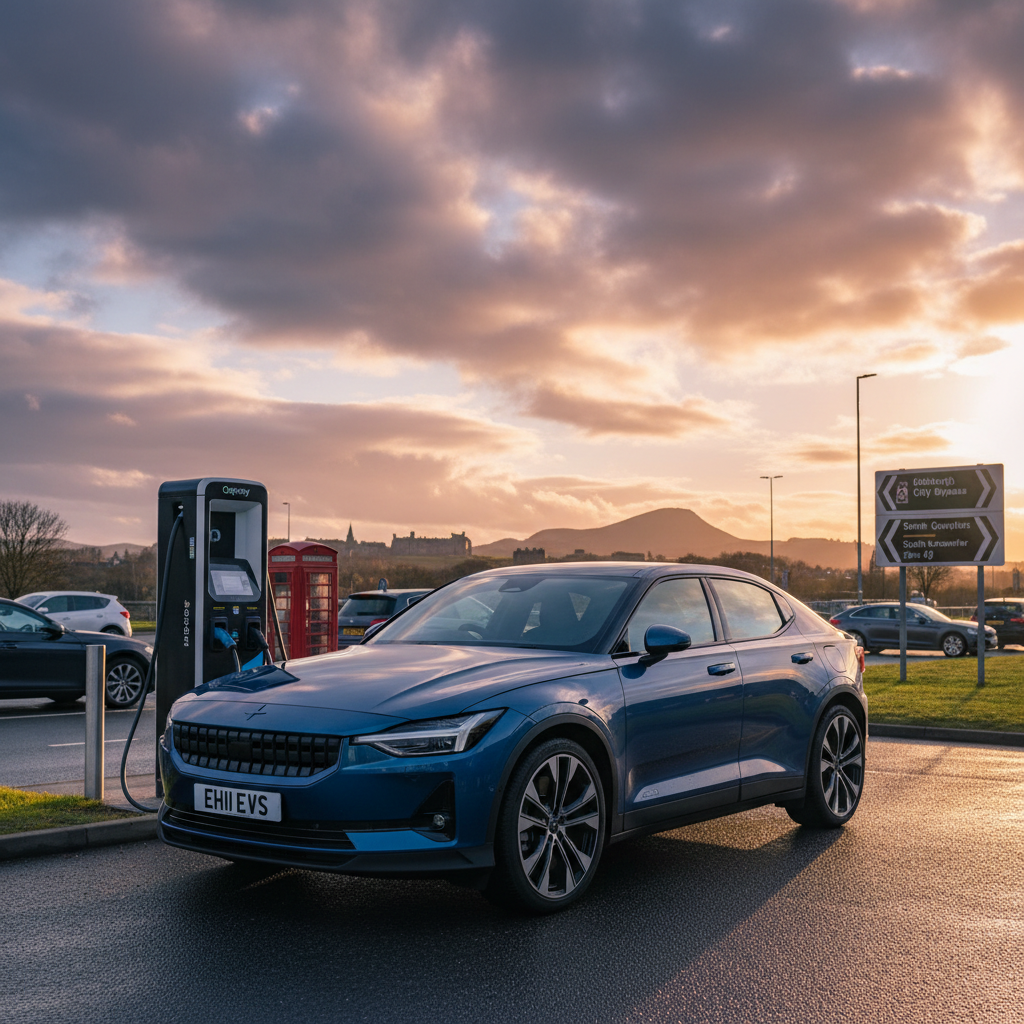
The pace of change is impressive. We're expecting over 5,000 ultra-rapid chargers nationwide by mid-2026, with speeds up to 500kW at select locations – that's 100 miles of range added in under three minutes (The Electric Car Scheme)! This isn't just about speed; it's about integrating smart charging systems, ultra-fast chargers, and Vehicle-to-Grid (V2G) solutions to enhance grid efficiency and reliability, as highlighted by NextMSC.com. These are the cutting-edge solutions that will truly future-proof our charging experience.
Beyond the Hype: Practicality Meets Sustainability
The future isn't just about bespoke robotaxis like Zoox's bidirectional design, which optimises for urban mobility (Arstechnica.com). It's also about a more diverse and accessible EV market. While some premium brands like Porsche are re-evaluating their pure electric aspirations in certain segments, evidence from BMW’s 2027 7 Series offering an EV alongside hybrid and ICE options shows a pragmatic approach to electrification, providing choice for consumers (Arstechnica.com). Even Ferrari is wading into the EV waters, with its first all-electric model on the horizon (Arstechnica.com), proving even the most traditional marques see the writing on the wall.
But are we keeping up? The UK saw 14,097 new EV charge points installed in 2025 (RAC Drive), bringing the total to over 46,000 locations. While this is progress, there are still regional disparities, and grid connection delays impacted installation slowdowns in 2025, according to Evinfrastructurenews.com. This highlights the ongoing need for strategic planning and investment – making sure the infrastructure matches the ambition.
For me, the exciting part is how this tech-forward transformation is underpinned by a genuine commitment to greener motoring. Every innovation, from more energy-dense batteries to AI-optimised aerodynamics, ultimately contributes to a more sustainable footprint. If you're considering making the switch, know that the ecosystem supporting your zero-emission journey is getting smarter, faster, and more robust by the day.
Key Takeaways for the Future of UK EV Motoring:
- AI is everywhere: From optimising vehicle design to enhancing driver assistance, AI is making EVs smarter and more efficient.
- Range anxiety is fading: Battery innovations are pushing typical EV ranges to 300 miles and beyond, making long journeys feasible.
- Charging is getting seriously fast: Ultra-rapid chargers are expanding, with 500kW speeds adding significant range in minutes.
- Infrastructure is catching up: Government reforms and strategic investment are addressing regional disparities and expanding the charging network.
- The EV market is diversifying: More choices from mainstream to luxury brands mean an EV option for almost every driver.
The Verdict: The UK's EV landscape is undergoing a silent revolution, driven by smart technology and a clear vision for a sustainable future. While challenges remain, particularly in rapid infrastructure scale-up and equitable distribution, the advancements in vehicles, batteries, and charging solutions paint a compelling picture. We're moving beyond simple electrification to a truly intelligent and eco-friendly motoring experience.