

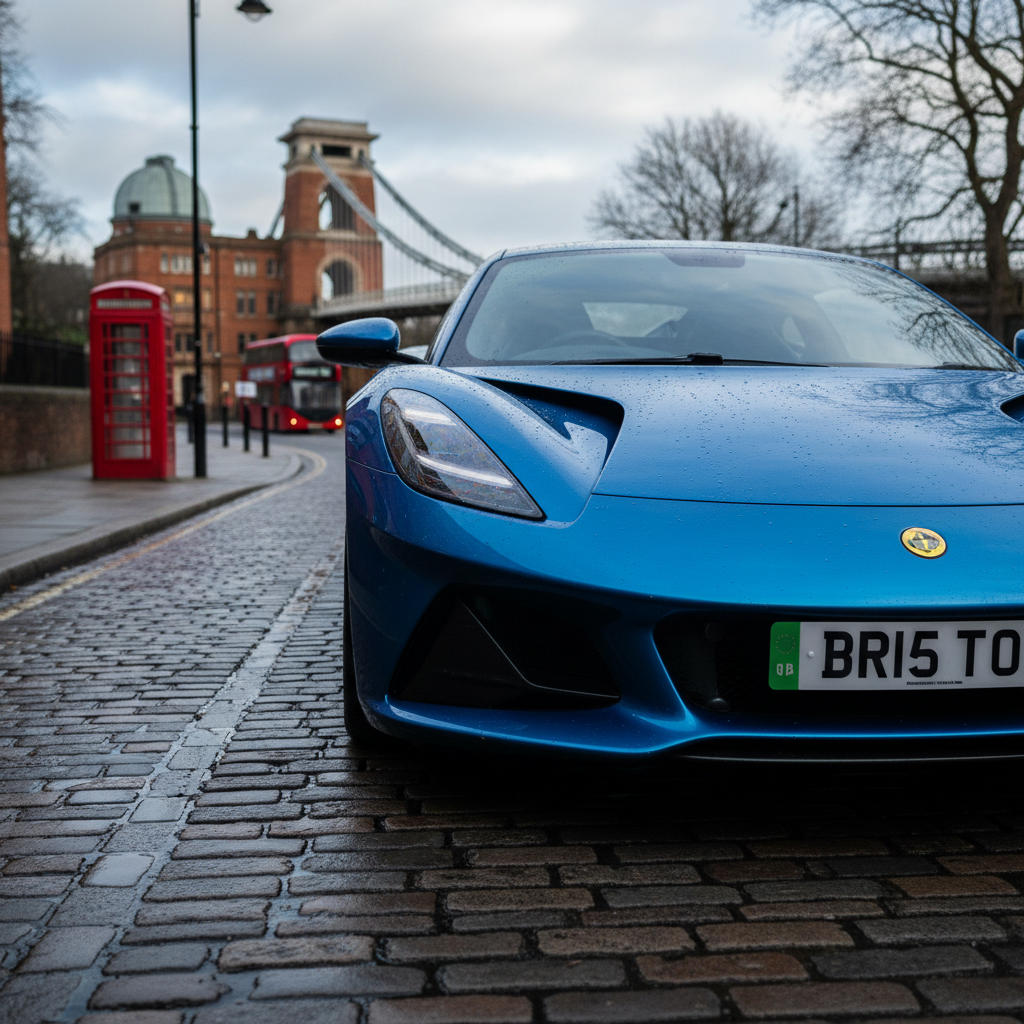
The Road Ahead: Unpacking the UK's Electric Revolution
As an EV specialist, I spend my days tracking the pulse of electric motoring – from groundbreaking battery tech to the charging infrastructure that fuels our collective green ambition. It’s a dynamic landscape, and nowhere is that more evident than right here in the UK. We're not just witnessing a shift; we’re in the thick of a transformative era, where innovation, practicality, and environmental responsibility are converging to redefine our daily drive.
For many years, the conversation around EVs often revolved around 'range anxiety' and a perceived lack of charging points. While these were valid concerns, the narrative is rapidly evolving. We're seeing average EV ranges now reaching almost 300 miles on a single charge for newer models, a testament to the incredible advancements in battery energy density, as highlighted by Imperial College London. This isn't just about covering longer distances; it's about making electric vehicles a genuinely viable and stress-free option for the vast majority of motorists.
Charging Ahead: A Network in Progress
The charging infrastructure, particularly in the UK, has been a hot topic. The good news? Things are moving. The UK government, recognising the need to address a 'two-tier system' in charging accessibility, has been busy implementing reforms. A consultation on extending permitted development rights for EV charging infrastructure concluded recently, with strong industry backing, according to EVInfrastructureNews. This is crucial for streamlining the deployment of new charging points and reducing planning bottlenecks. Furthermore, the government relaxed some of the Zero Emission Vehicle (ZEV) mandate rules in April 2025, demonstrating a flexible, yet committed, approach to fostering EV adoption, as reported by the House of Commons Library.
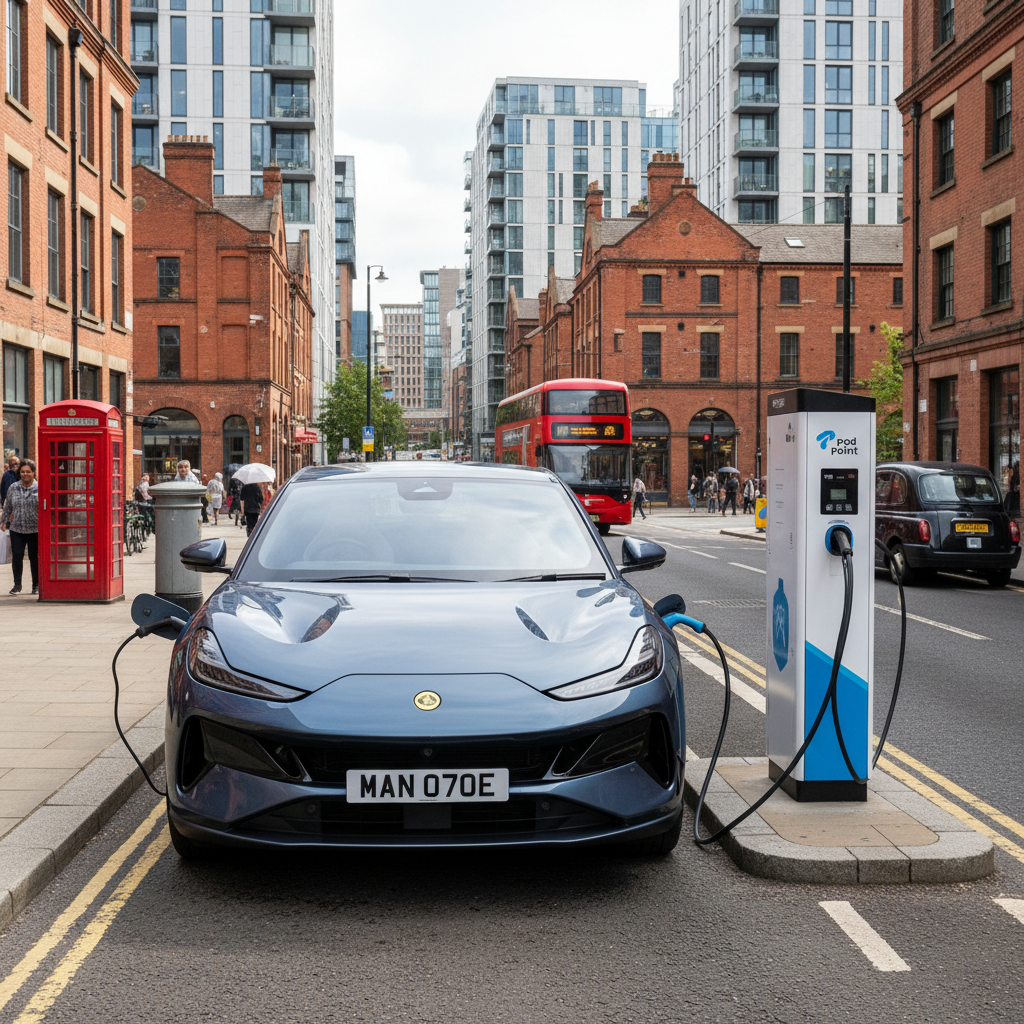
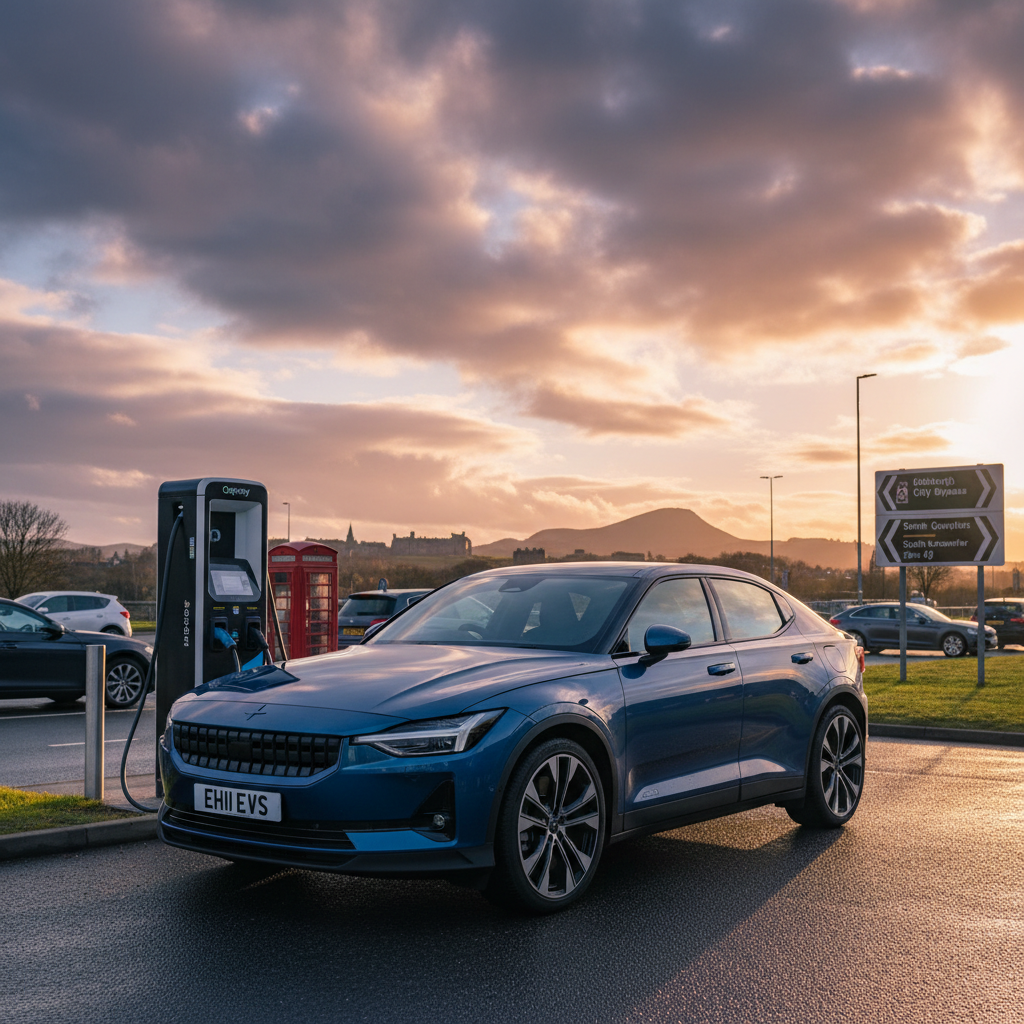
The pace of deployment is accelerating. In 2025 alone, 14,097 new EV charge points were installed across the UK, bringing the total to over 119,080 connectors across 46,107 locations, according to RAC Drive. The ambition is clear: by mid-2026, we anticipate over 5,000 ultra-rapid chargers nationwide, capable of delivering up to 500kW—that's enough to add 100 miles of range in under three minutes at select locations, as predicted by The Electric Car Scheme. This kind of speed makes 'topping up' almost as quick as a petrol stop, utterly transforming the charging experience. For more insights on how rapid charging is revolutionizing EV adoption, read our article Beyond the Hype: Is Ultra-Fast Charging the Key to Unlocking Our EV Future?
Beyond the Battery: Intelligent Mobility
But the EV revolution isn't just about powertrains and plugs. It's about intelligent integration. Companies are rethinking vehicle design from the ground up. Take Zoox, for example, which designed its robotaxi with sensors as the starting point, leading to a bidirectional vehicle with clear advantages for urban mobility. This 'sensors-first' approach allows for optimal integration of autonomous capabilities, a glimpse into future commuting.
Automotive intelligence is also making its way into our everyday cars. GM's Super Cruise, their hands-free, eyes-on driver assist system, has already clocked over a billion miles since 2017. While it’s currently geofenced to specific highways, this massive dataset feeds into the continuous refinement of assisted driving, making our journeys safer and less fatiguing. This isn't full autonomy yet, but it's a vital step on the path toward truly self-driving vehicles.
Artificial intelligence, often seen as a futuristic concept, is already influencing current vehicle development. In motorsport, AI is proving invaluable as a new computational fluid dynamics (CFD) tool, multiplying limited resources and pushing the boundaries of aerodynamic efficiency. These advancements on the track inevitably trickle down to consumer vehicles, leading to more aerodynamically efficient, and therefore more energy-efficient, EVs.
The Global and Local Picture
On the global stage, we’re seeing fascinating shifts. Chinese EVs are making waves, often coming packed not just with screens but with advanced AI, challenging established players. Even luxury performance brands are embracing electrification, with Ferrari set to unveil its first EV soon, despite also offering more traditional V12 models like the Purosangue SUV. Meanwhile, BMW continues to innovate, with their 2027 7 Series offering an EV variant with an all-new battery alongside traditional combustion and PHEV options, showcasing a strategic hedging against market shifts and consumer preferences.
However, the journey isn't without its complexities. Porsche, for instance, recently sold its stake in Bugatti and Rimac Group, a move that some interpret as a recalibration of their electric aspirations. These high-level strategic decisions underscore the intricate balance between bold innovation and market realities.
Key Takeaways for the Everyday Driver:
- Increased Range: New EVs regularly offer nearly 300 miles, making them highly practical for most journeys.
- Faster Charging: Ultra-rapid chargers are expanding, cutting charging times significantly.
- Smarter Cars: AI and advanced driver-assist systems are making vehicles safer and more efficient.
- Infrastructure Growth: The UK is actively improving its charging network with government reforms and increased investment.
- Diverse Options: From luxury performance to urban robotaxis, the EV market is diversifying rapidly.
If you're considering making the switch to an EV, the landscape has never been more promising. The advancements in battery tech, the aggressive expansion of the charging network, and the intelligent integration of AI are all working in harmony to make sustainable motoring not just a choice, but an increasingly effortless and enjoyable reality. We're moving beyond the early adopter phase; electric vehicles are firmly establishing themselves as the future-proof option for drivers who care about innovation, practicality, and our planet. For a deeper dive into the UK's EV landscape and charging game, explore our article Beyond the Buzz: Unpacking the EV Revolution’s Real-World Impact and UK's Charging Game.