

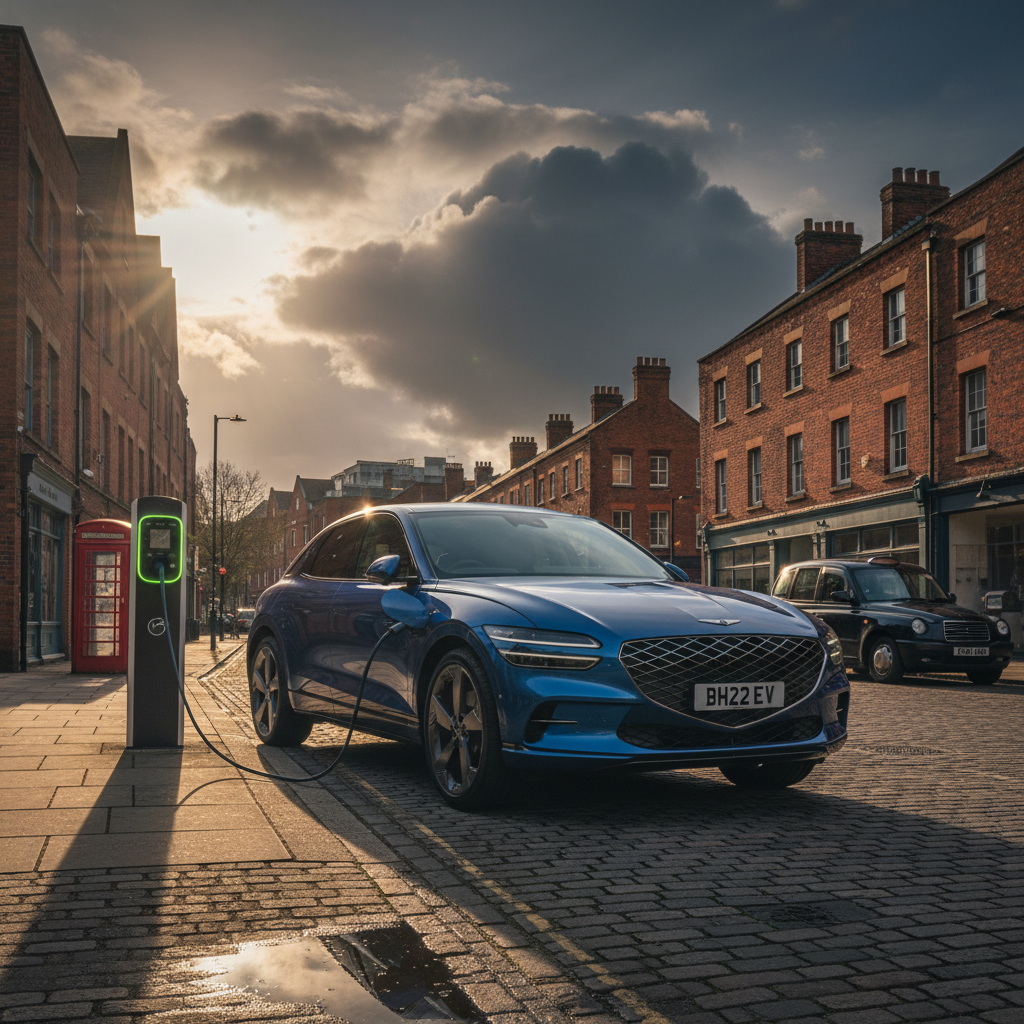
The hum of an electric motor is quickly becoming the soundtrack to modern motoring. But what truly defines the next wave of electric vehicles isn't just the absence of tailpipe emissions; it's the relentless innovation humming beneath the surface, specifically within the battery packs that power them. As an EV specialist obsessed with green technology, I see a future where the battery isn't just a component, but the very heart of sustainable mobility, constantly evolving to deliver more range, faster charging, and a lighter environmental footprint.
The Cell at the Centre of the Revolution
Gone are the days when 'EV battery' was a monolithic term. Today, we're witnessing a fascinating arms race in battery chemistry and architecture. Consider the upcoming 2027 BMW 7 Series, for instance. It's not just getting an update; it's sporting an all-new battery. This isn't merely about more kilowatt-hours; it's about increased energy density, improved thermal management, and longer lifespans – all crucial for pushing EVs further and making them more economically viable for the everyday driver. These advancements mean that the impressive ranges we're seeing today – with many new models boasting almost 300 miles on a single charge – are becoming the new baseline, as noted by the Grantham Institute – Climate Change and the Environment.
And it's not just about traditional lithium-ion. While high-performance vehicles like Ferrari's upcoming first EV are undoubtedly pushing boundaries with sheer power, the broader focus is on sustainable and efficient energy storage. We're seeing tantalising prospects like sodium-ion batteries entering the conversation, potentially easing the supply challenges facing the EV industry and offering a more accessible, eco-friendly alternative for certain applications, as highlighted by EV Infrastructure News. For a deeper dive into the rapid advancements in battery technology, explore how rapid battery innovations are reshaping EV realities.
Beyond the Battery: Intelligent Energy Management
A phenomenal battery is only as good as the system that manages it. This is where artificial intelligence and advanced software come into play, transforming how we interact with our electric vehicles and the grid. In the high-stakes world of motorsport, AI is already proving its mettle, becoming a critical tool for computational fluid dynamics (CFD) analysis. This isn't just about tweaking aerodynamics on an F1 car; it's about optimising energy flow, predicting battery degradation, and maximising efficiency – lessons that rapidly trickle down to road cars.
Imagine your EV not just telling you its range, but intelligently predicting the optimal charging stops based on traffic, elevation, and even your driving style. This is the promise of AI integration. We're even seeing the emergence of smart charging systems and Vehicle-to-Grid (V2G) solutions, enhancing grid efficiency and offering revenue potential for EV owners, according to NextMSC. This isn't sci-fi; it's the cutting-edge reality of a 'smart' power ecosystem – one where your car isn't just a consumer of energy but an active participant.
Charging Ahead: Infrastructure and Accessibility
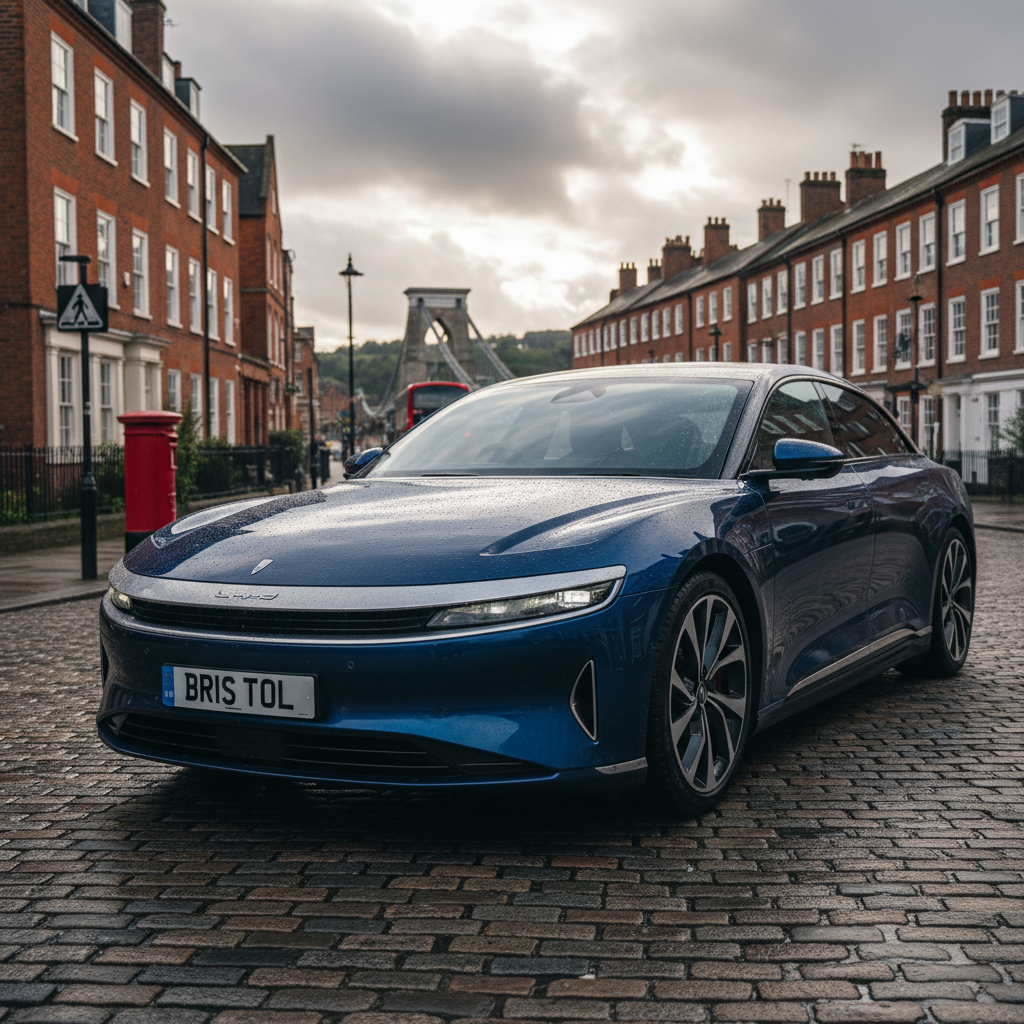
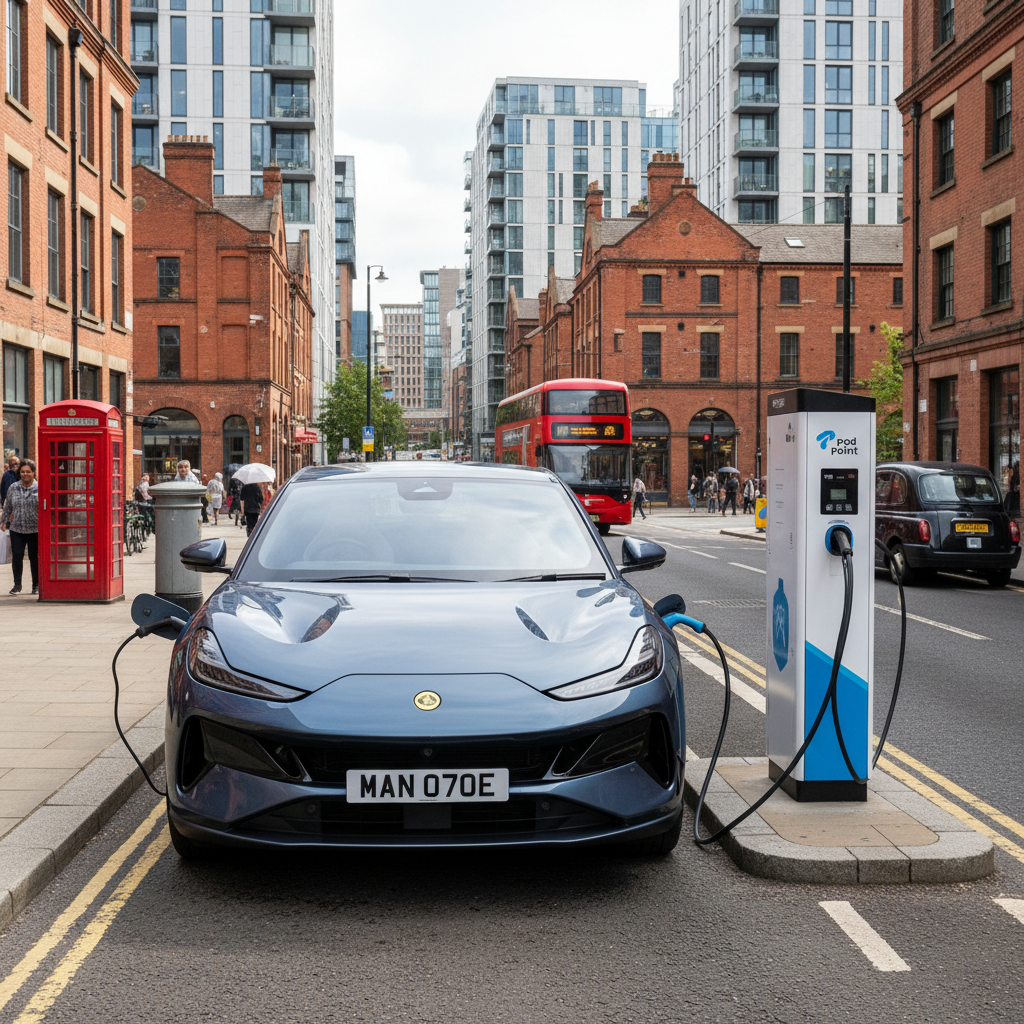
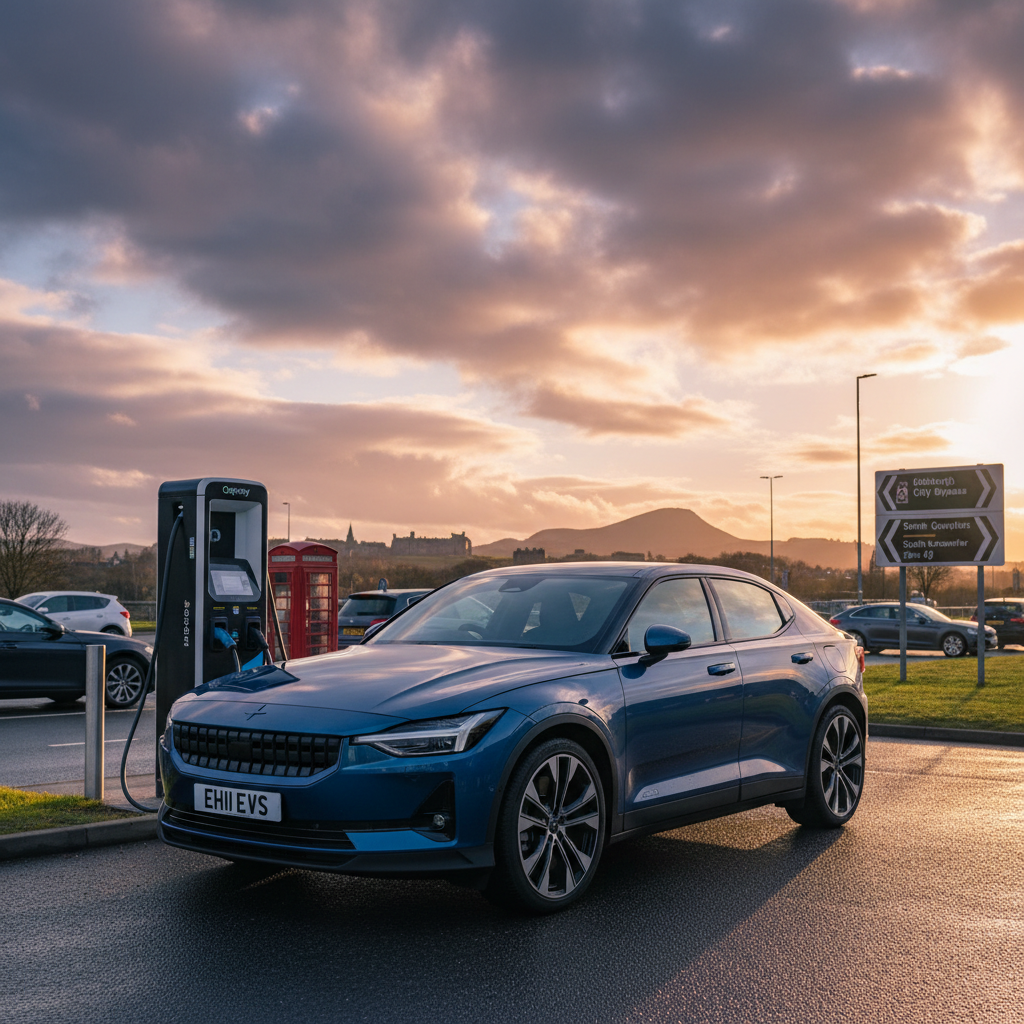
Of course, all this battery innovation needs a robust charging backbone. For potential EV buyers in the UK, range anxiety is morphing into 'charger anxiety'. While the UK saw a 19% growth in public charge points in 2025, with over 80,000 public charging points available as of May 2025, according to the BBC, there are still undeniable disparities. Areas like Bristol, despite having a significant proportion of rapid chargers, still require substantial investment to meet growing demand, as FleetNews reported.
The good news is that the UK government is actively moving to address these gaps, with the House of Commons Library noting that some ZEV mandate rules have been relaxed. There's also a significant push towards ultra-fast charging. By mid-2026, we're expecting over 5,000 ultra-rapid chargers nationwide, capable of delivering 100 miles of range in under 3 minutes at select locations, according to The Electric Car Scheme. This kind of rapid power delivery, coupled with better geographical distribution, is precisely what's needed to make EV ownership seamless and truly future-proof for everyone. For more on how rapid charging is transforming the EV experience, delve into whether ultra-fast charging is the key to unlocking our EV future.
The Road Ahead: A Balanced View
While the allure of a $10 billion smart city like Toyota's Woven City showcases futuristic possibilities, the real magic happens when technology meets practicality. The core challenge remains making advanced EV tech accessible and appealing to the masses. Companies like Zoox, with their focus on sensor-first design for robotaxis, are demonstrating how purpose-built electric vehicles can redefine urban mobility with clear advantages in efficiency and sustainability.
The conversation around Chinese EVs, often characterised by their advanced screen-filled interiors and AI integration, underscores a global push for innovation. The hype, as Ars Technica questions, often comes with promises of groundbreaking AI features. While we need to separate genuine innovation from marketing, the pace of development is undeniable.
For those of you considering making the switch to an electric vehicle, rest assured: the technology is maturing at an incredible pace. From the battery chemistries powering them to the intelligent systems managing energy and the infrastructure supporting them, the ecosystem is evolving rapidly. Porsche's decision to sell its stake in Bugatti to focus on its own electric aspirations further underlines the industry's shift. The future of motoring is undeniably electric, and it's looking brighter, greener, and more connected than ever before.
Key Takeaways for Future EV Drivers:
- Battery Innovation is Accelerating: Expect greater range (300+ miles becoming standard), faster charging, and new, more sustainable battery chemistries.
- AI is Enhancing Efficiency: Intelligent battery management and smart charging systems will optimise your range, charging experience, and even integrate with the grid for cost savings.
- Charging Infrastructure is Maturing: Ultra-rapid chargers are expanding rapidly, promising significantly reduced charging times and better geographic coverage.
- Sustainability is Paramount: The drive for eco-friendly materials and energy-efficient designs is central to the EV revolution.
- Practicality is Improving: With evolving tech, EVs are becoming more practical, cost-effective, and versatile for everyday use.
Verdict: A Powerful, Green Future on the Horizon
The advancements in battery technology and the intelligence woven into EV ecosystems are not just incremental improvements; they represent a fundamental shift. We're moving towards a truly sustainable, future-proof motoring experience where range anxiety becomes a distant memory and charging is as seamless as refuelling. The path isn't without its bumps, but the direction is clear: a cleaner, smarter, and more electrifying journey awaits.