

We often talk about the promise of electric vehicles and green technology, but what about the crucible where these innovations are truly tested? It’s not just about what’s announced in a press release; it’s about the tangible, real-world deployments and the colossal data sets they generate. This is where the rubber truly meets the road, quite literally, for our sustainable motoring future. As an EV specialist, I’m constantly looking at how these ambitious projects translate into practical benefits for everyday drivers and ultimately, our planet.
Smart Cities and Sentient Sensors: The Living Labs of Mobility
Imagine a city built from the ground up to test and integrate future mobility solutions. Toyota’s Woven City, as highlighted by Arstechnica, is precisely that – a living laboratory. While the concept of a ‘privacy nightmare’ with ubiquitous cameras raises valid questions, the underlying goal is to create a dynamic ecosystem for autonomous vehicles and smart infrastructure. For car manufacturers like Toyota, such an environment could be invaluable for refining everything from autonomous driving algorithms to efficient energy management systems before they hit mainstream roads. It's a bold vision for integrating smart technology into our lives, offering unprecedented data for optimising traffic flow, energy consumption, and even pedestrian safety.
On the flip side, consider how something as fundamental as sensor design is shaping the next generation of transport. Zoox's approach to its robotaxi, meticulously detailed by Arstechnica, puts sensors at the very core of its design. This isn't just about adding cameras and lidar; it's about building the vehicle around its perception systems, ensuring unparalleled understanding of its surroundings. Such a 'sensors-first' philosophy is crucial for achieving true autonomy, promising a future where shared, electric mobility is both safer and more efficient. These bi-directional designs, in particular, offer clear advantages for urban taxi services, reducing the need for U-turns and improving operational efficiency – a tangible step towards a more sustainable urban transport network.
AI on the Asphalt: Redefining Performance and Efficiency
Artificial Intelligence isn't just for the digital realm; it's rapidly transforming the physical world of motoring. In motorsport, for instance, Arstechnica notes that AI is becoming an indispensable tool, multiplying the limited resources of computational fluid dynamics (CFD). This isn't just about shaving seconds off lap times; it's about optimising aerodynamics and energy management with unprecedented precision. The lessons learned from these high-stakes environments, where every joule of energy and every gram of drag counts, will inevitably trickle down into production EVs, leading to more aerodynamic, more efficient, and ultimately, longer-range electric cars for us all. This track-to-road technology transfer is a powerful accelerator for eco-friendly design.
The rise of Chinese EVs, with their undeniable hype, is another area where AI is central. As Arstechnica points out, these vehicles are not only packed with screens but also increasingly with AI. This isn't solely for infotainment; it's about intelligent energy management, predictive maintenance, and sophisticated driver assistance systems. For the everyday driver, this translates into a smarter, more responsive vehicle experience, potentially extending battery life and improving overall efficiency – crucial factors for sustainable mobility.
Powering the Future: Infrastructure and Innovation
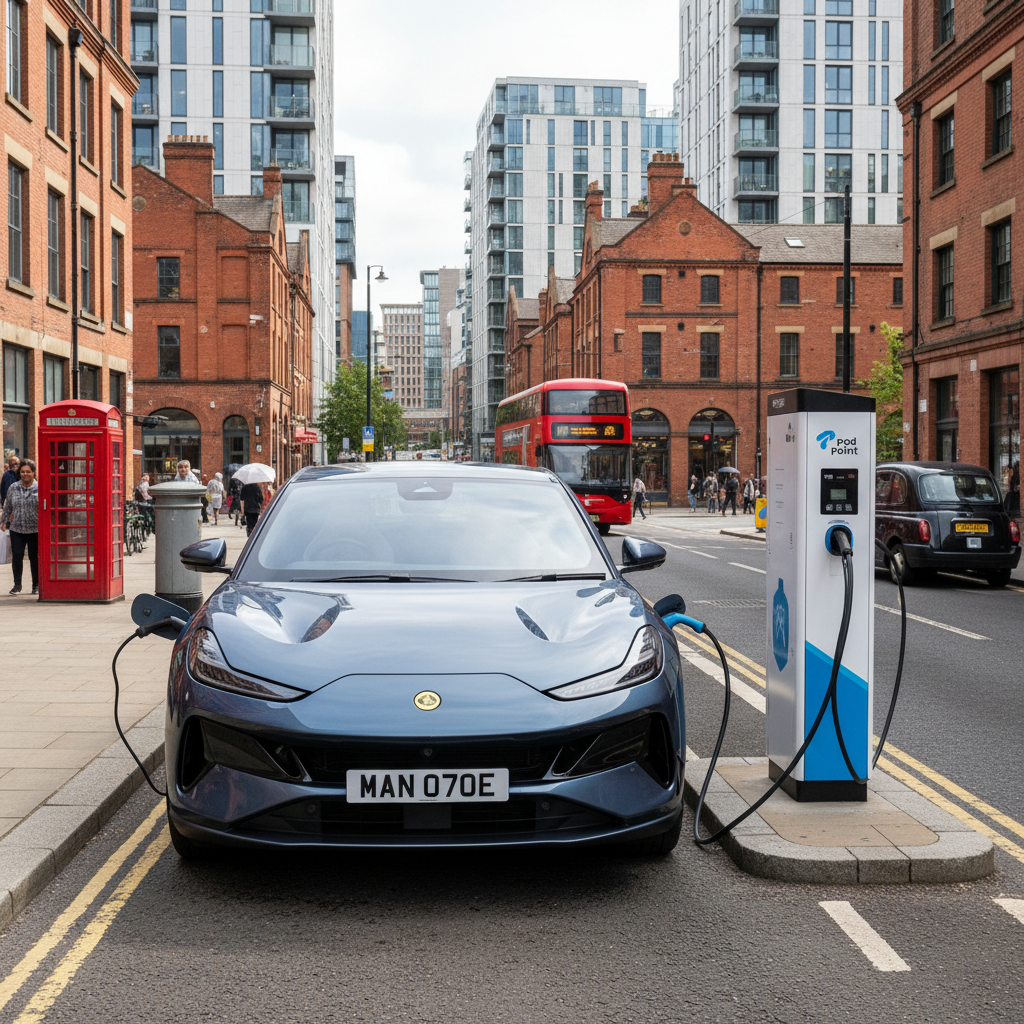
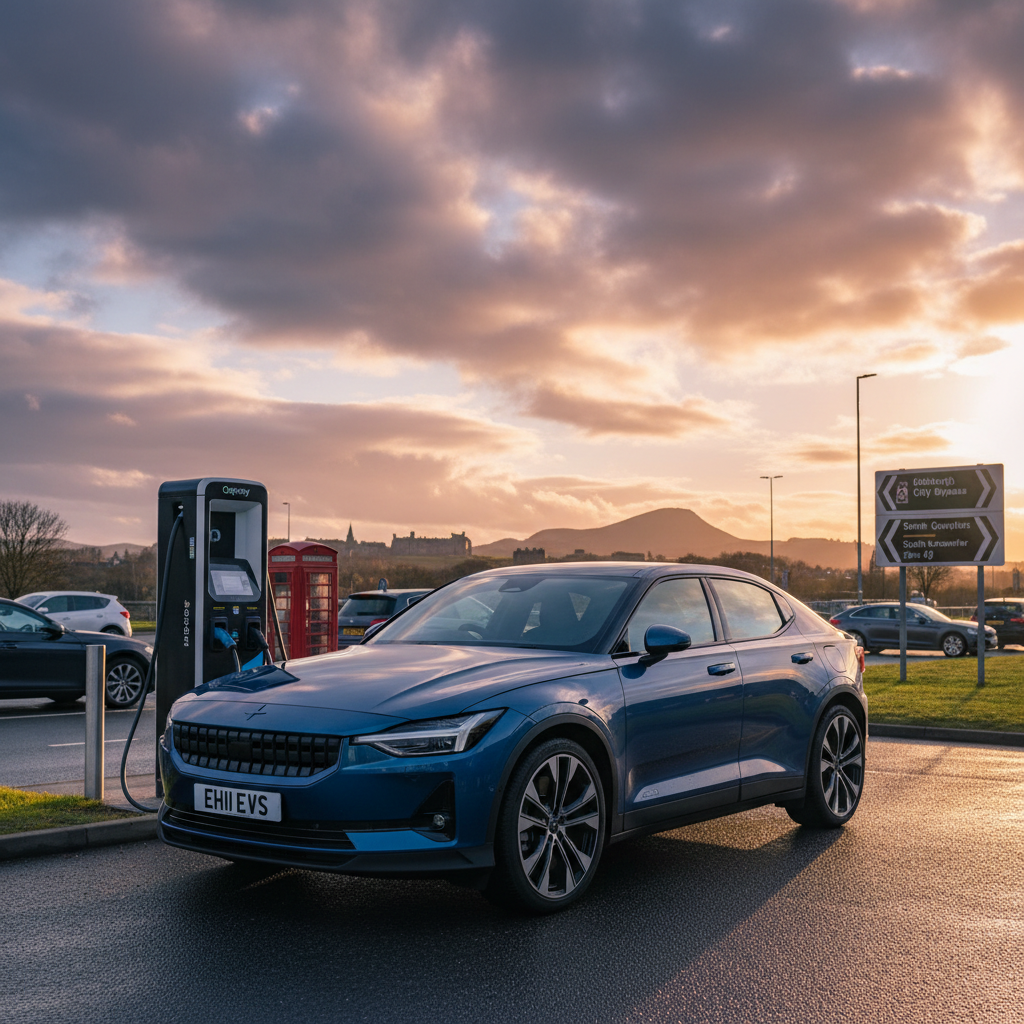
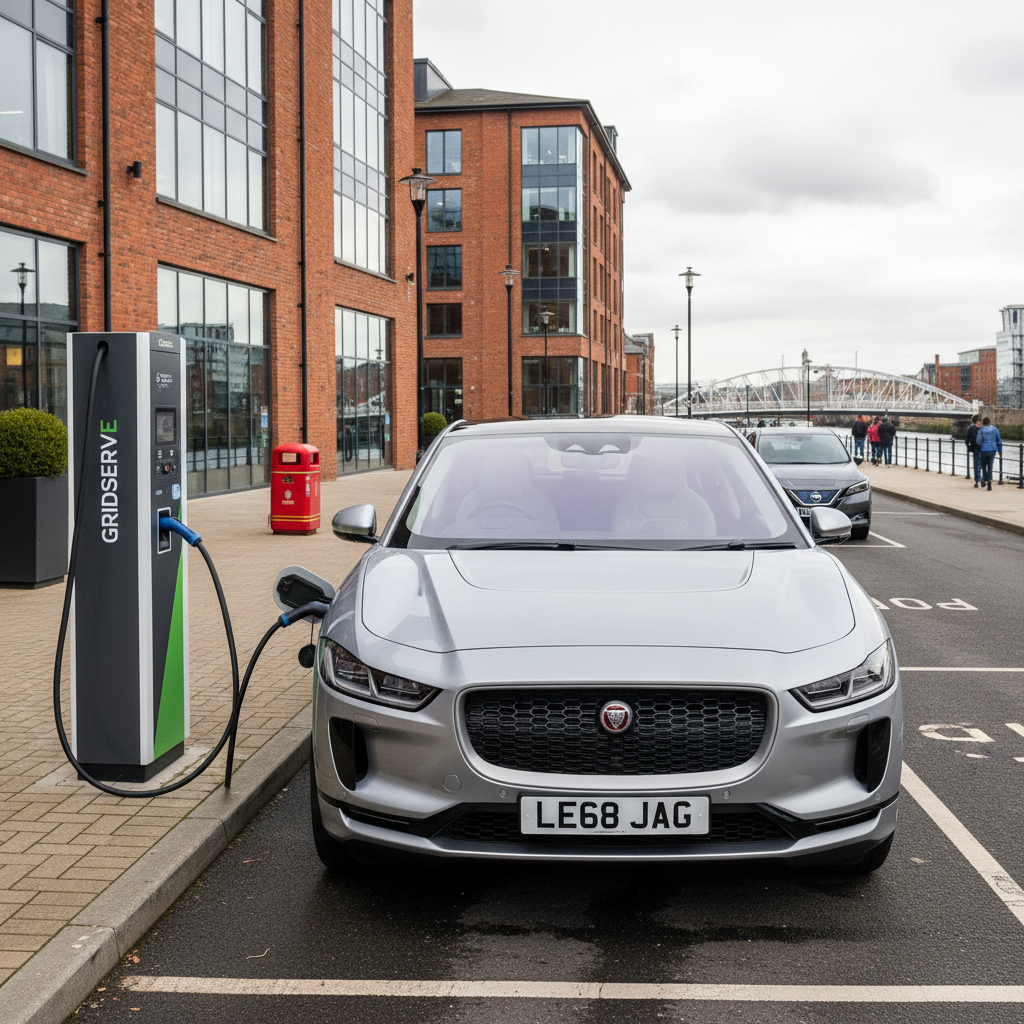
The backbone of any widespread EV adoption remains robust charging infrastructure. The UK, like many nations, is in a critical phase of development. Imperial College London highlights that even with newer EV models boasting ranges of almost 300 miles, the charging infrastructure needs to keep pace. The good news is that innovations in battery energy density mean greater distances on a single charge are becoming the norm. However, as EV Infrastructure News details, the UK government is actively addressing a 'two-tier system' in charging access through reforms, including speeding up the planning process for chargepoints. The House of Commons Library also notes that grant schemes are in place to support new chargepoints at homes and workplaces, indicating a concerted effort to remove barriers to widespread adoption.
Looking ahead, we're seeing an ecosystem that’s becoming increasingly intelligent. Emerging technologies like smart charging, ultra-fast chargers capable of adding 100 miles of range in under 3 minutes, and Vehicle-to-Grid (V2G) solutions are enhancing grid efficiency and reliability (NextMSC). While grid connection delays have been an issue in the past, as noted by EV Infrastructure News, continued investment and reforms are set to accelerate deployment. With over 80,000 public charging points in the UK as of May 2025, and a projected 5,000 ultra-rapid chargers nationwide by mid-2026 (The Electric Car Scheme), the charging landscape is evolving rapidly. For those considering an EV, the range anxiety issue is diminishing by the day.
The Journey Ahead: Realism and Responsibility
While the excitement for cutting-edge tech like GM's Super Cruise, which has now reached a billion miles driven (Arstechnica), is palpable, it reminds us that these advanced driver-assist systems still require 'hands-free, eyes-on' vigilance and operate on geofenced highways. The path to fully autonomous vehicles is a marathon, not a sprint. Even Porsche's decision to sell its stake in Bugatti and Rimac (Arstechnica) hints at a strategic recalibration in the high-performance EV market, suggesting that even the biggest players are constantly assessing the practicalities and profit points of their electric aspirations. Meanwhile, BMW is pushing ahead with its 2027 7 Series offering, featuring all-new battery technology alongside PHEV and inline-six options, illustrating a pragmatic approach to bridging the transition for consumers.
The world of motoring is undergoing a profound transformation, driven by an insatiable appetite for innovation and a growing imperative for sustainability. From the foundational sensor design of robotaxis to the AI-driven aerodynamics of race cars, and from urban planning for smart cities to government reforms for charging infrastructure, every piece of the puzzle is being meticulously engineered and tested in the real world. The future of sustainable, intelligent mobility isn't just being dreamt up in boardrooms; it's being built, tested, and iterated upon in living laboratories and on open roads, ensuring our journey towards a zero-emission future is truly future-proof.
Key Takeaways:
- Real-World Testing is Critical: Projects like Toyota's Woven City and Zoox's sensor-first robotaxi design are vital proving grounds for future mobility.
- AI is Driving Efficiency: From motorsport aerodynamics to smart Chinese EVs, AI is optimising performance, range, and driver experience.
- UK Charging Infrastructure is Growing: Government reforms and increased investment are addressing past disparities and accelerating charge point deployment, with ultra-rapid options becoming more common.
- Battery Tech is Advancing Rapidly: Newer EVs offer impressive ranges, and breakthroughs like those in the BMW 7 Series signify continuous improvement in energy density and efficiency.
- Sustainable Mobility Requires Holistic Development: Success hinges on integrating vehicle technology, smart infrastructure, and supportive policies.
The verdict is clear: The push for green credentials in motoring is not just theoretical. It’s happening now, across diverse real-world scenarios, delivering tangible improvements for efficiency, convenience, and our planet. If you're considering making the switch to an EV, rest assured that the advancements behind the scenes are making that decision increasingly practical and rewarding.