

We often talk about electric vehicles in terms of miles per charge, charging times, or even the joy of instant torque. But what if the true revolution isn't just on the road, but how EVs integrate into and strengthen our entire energy landscape? This month, it's clear the EV story is deepening, moving beyond just personal transport to a more holistic, sustainable future.
One of the most exciting developments isn't about new cars at all, but the ingenious repurposing of their essential components: batteries. Imagine the power packs from autonomous robotaxis, after years of shuttling passengers, finding a second life bolstering our national power grids. That’s precisely what’s happening, with used Waymo robotaxi batteries now bolstering energy storage projects in places like California and Texas. This is a game-changer for sustainability, extending the lifecycle of high-value components and providing critical flexibility for renewable energy sources. This kind of circular economy thinking is precisely what I mean when I talk about 'future-proof' technology – it’s about making every watt count, twice over.
The UK's Charging Renaissance: Speed and Scale
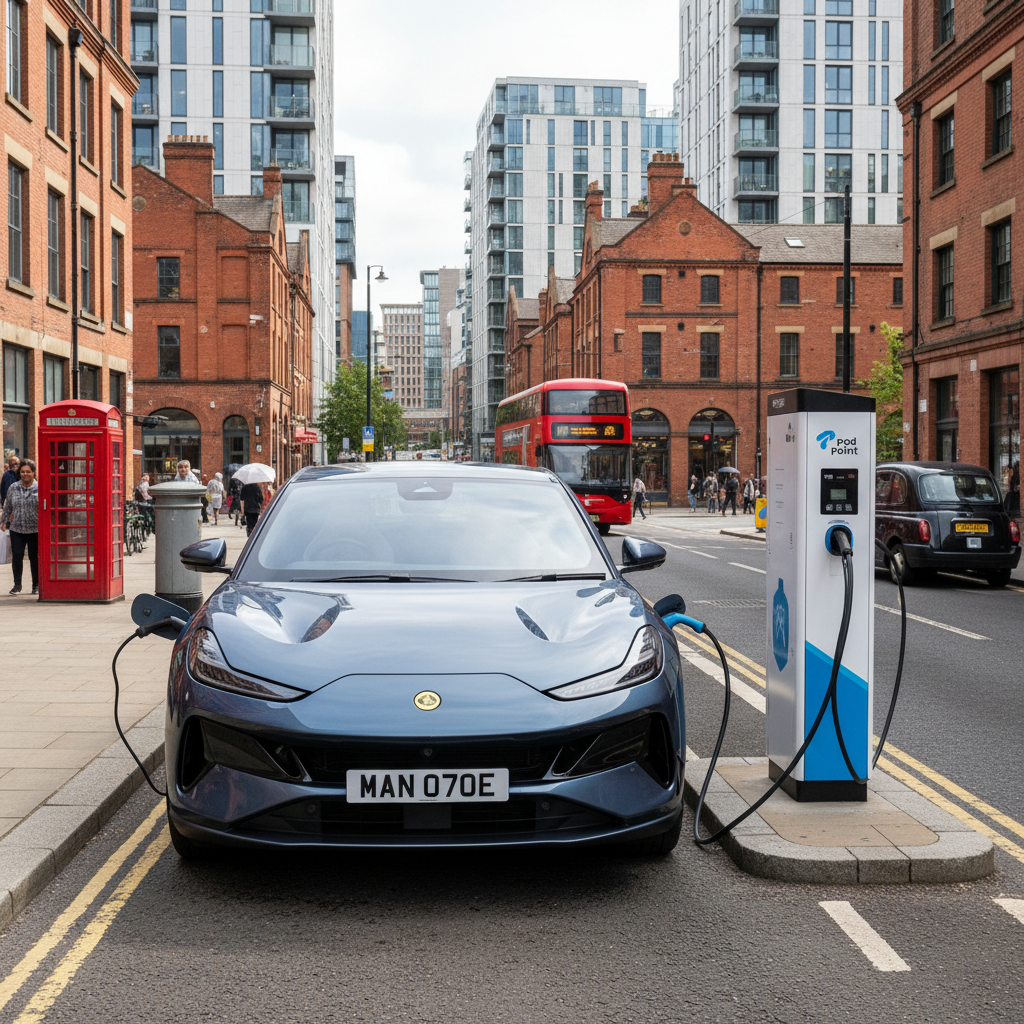
Closer to home, the UK is witnessing a significant surge in charging infrastructure development, moving from nascent stages to a robust network designed for the mass market. The commitment is bold: a massive £176 million, 15-year contract has been secured by EZO (formerly EasyGo) to deploy and manage EV charging infrastructure across four Midlands councils. This isn't just about putting more plugs in the ground; it’s about strategic, long-term investment that will make range anxiety a relic of the past for countless drivers. According to EV Infrastructure News, these kinds of regional rollouts are critical for equitable access.
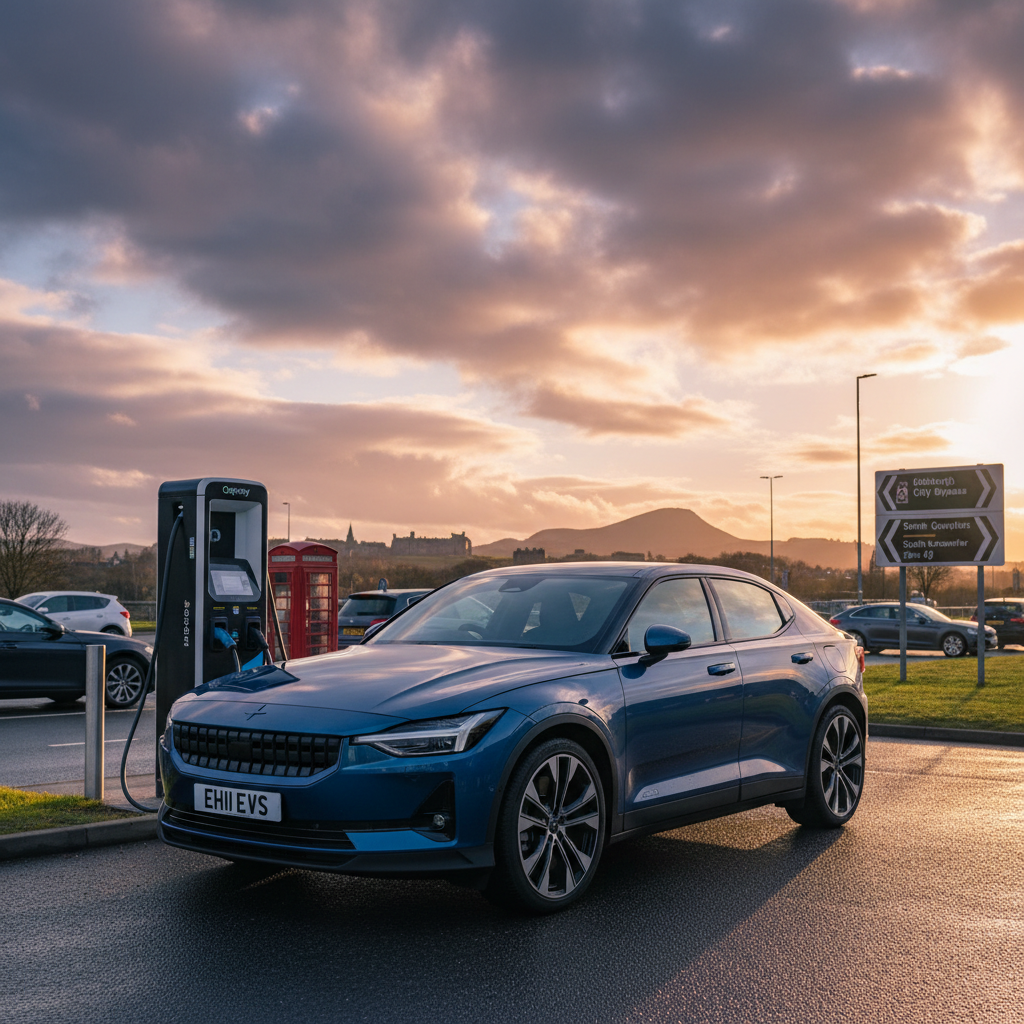
And let's talk about speed! The charging landscape is accelerating faster than a performance EV off the line. We’re seeing dedicated investments, like InstaVolt's £2.5 million into new battery energy storage systems (BESS) sites, designed to future-proof charging operations and even offer savings to drivers by managing grid fluctuations. Some locations are already boasting 350kW chargers, delivering up to 200 miles of range in a mere 20 minutes, while others are aiming for ludicrous 500kW speeds, adding 100 miles of range in under 3 minutes. If you're considering making the switch, these figures should put any lingering range anxiety to bed. The average EV in 2025 achieves around 300 miles on official WLTP tests, meaning those ultra-rapid chargers are truly transformational.
Innovation Beyond the Battery: Performance and Privacy
While charging is crucial, innovation permeates every corner of the EV world. Take the upcoming 2027 Audi RS5, for instance. It's a performance Plug-in Hybrid Electric Vehicle (PHEV) that, as Ars Technica notes, features an entirely new electric torque-vectoring rear differential. This isn't just about raw power; it's about sophisticated control and efficiency, showcasing how green technology can enhance performance, not dilute it. This blending of electric power for precision and a reliable engine for extended range truly offers drivers the best of both worlds, particularly for those not yet ready for a full EV.
Then there's an intriguing counter-narrative emerging around vehicle connectivity. In an age where almost every car is a 'connected car,' constantly sending data, Slate's electric pickup takes a decidedly different route, promising never to track you thanks to its lack of an embedded modem. This 'privacy-first' approach, highlighted by Ars Technica, is a fascinating development for those who value digital autonomy as much as sustainable motoring. It raises important questions about what consumers truly want from their vehicles – ultimate connectivity or complete privacy.
The Broader Picture: Efficiency and Environmental Impact
Even the development process for new vehicles is becoming more sustainable and efficient. General Motors, for example, is leveraging AI and Machine Learning to dramatically speed up development times, turning tasks that once took 15 hours into one-minute operations. This digital twin approach, as reported by Ars Technica, means fewer physical prototypes, less material waste, and a faster pathway to market for cutting-edge, eco-friendly vehicles. It's an invisible revolution, but one with profound environmental benefits.
However, the journey isn't without its bumps. A recent study, also cited by Ars Technica, indicates that robotaxis, despite their futuristic appeal, don't necessarily cut traffic any more than traditional ride-hailing services, often driving empty for almost half their miles. This underscores the need for thoughtful implementation of autonomous technologies to ensure they genuinely contribute to urban efficiency and reduced congestion, rather than just shifting the problem.
The landscape of electric and sustainable motoring is dynamic and thrilling. From second-life batteries reinforcing our grids to hyper-fast charging making long journeys effortless, and even a renewed focus on privacy, the future of driving is looking increasingly intelligent, sustainable, and consumer-centric.
KEY TAKEAWAYS:
- Battery Repurposing: Used EV batteries are gaining a second life in grid-scale energy storage, enhancing sustainability and grid stability.
- UK Charging Boom: Significant investment is rapidly expanding and accelerating the UK's charging infrastructure, with ultra-rapid chargers becoming more common.
- Performance Meets Green: Innovations like advanced PHEVs demonstrate that eco-friendly motoring doesn't mean compromising on driving dynamics.
- Privacy-First EVs: A new trend of unconnected vehicles offers consumers a choice for enhanced data privacy.
- AI in Development: Artificial Intelligence is streamlining vehicle design and production, leading to faster, more efficient, and potentially greener manufacturing.
In conclusion, the EV journey is far more than just swapping fuel for electrons. It's about a complete reimagining of our energy systems, our urban environments, and our relationship with technology. The advancements we're seeing today are laying the groundwork for a truly integrated, zero-emission future, where every aspect, from power generation to end-of-life battery solutions, works in harmony. The road ahead is electric, and it’s getting smarter and greener with every mile.