

The whir of an electric motor replacing the roar of an engine – that’s the sound of progress. But beneath the sleek lines of our latest EVs, there's another revolution quietly unfolding. It’s a digital one, powered by artificial intelligence and machine learning, and it’s radically reshaping how our sustainable vehicles are conceived, designed, and ultimately, driven.
As an EV and Future Mobility Specialist, I’m constantly looking at what’s next, and frankly, the pace of innovation is breathtaking. We’re moving beyond just electrifying existing platforms; we’re fundamentally reimagining the car itself, and AI is right at the heart of it. Take GM, for example. We're hearing how they're leveraging AI and machine learning to slash development times. What once took 15 hours for complex simulations like Computational Fluid Dynamics (CFD) or Finite Element Analysis (FEA) can now be crunched in mere minutes. This isn't just about speed; it's about iteration and perfection. Developers can explore countless design variations, optimising everything from battery cooling to aerodynamic efficiency, long before a single physical prototype is built. This virtualisation, often through 'digital twins', means more refined, safer, and ultimately more efficient electric vehicles hitting our roads sooner. It's a game-changer for green technology.
This digital-first approach extends beyond the factory floor. The cutting-edge technology we’re seeing in performance hybrids, like the new 2027 Audi RS5 with its entirely new electric torque-vectoring rear differential, isn't just a feat of engineering; it's a testament to the power of precise, data-driven development. These systems, designed for optimal performance and efficiency, benefit immensely from rapid simulation and AI-driven fine-tuning. Even something as seemingly small as headlights is getting a smart upgrade. The 2027 Audi Q9's clever active beam headlights, designed to minimise glare, showcase how advanced algorithms are being applied to enhance safety and comfort for everyday drivers.
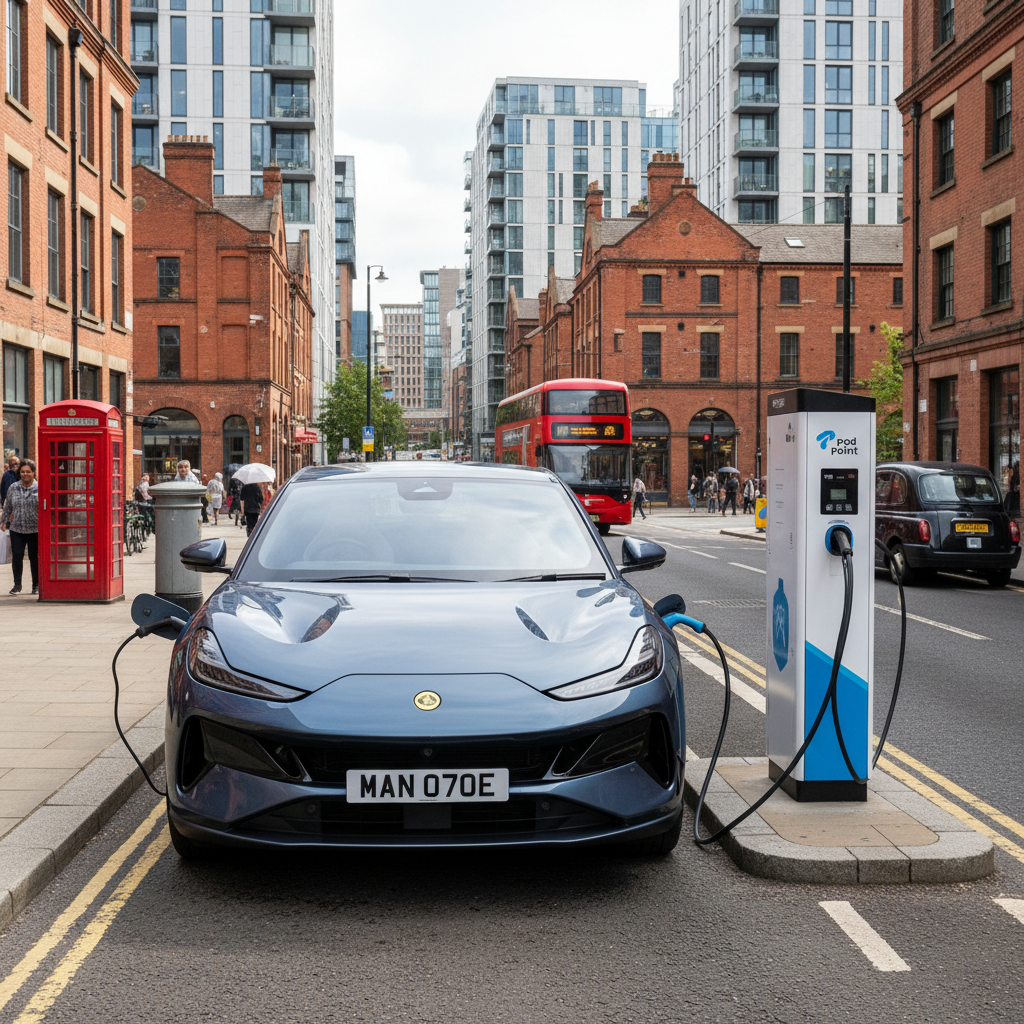
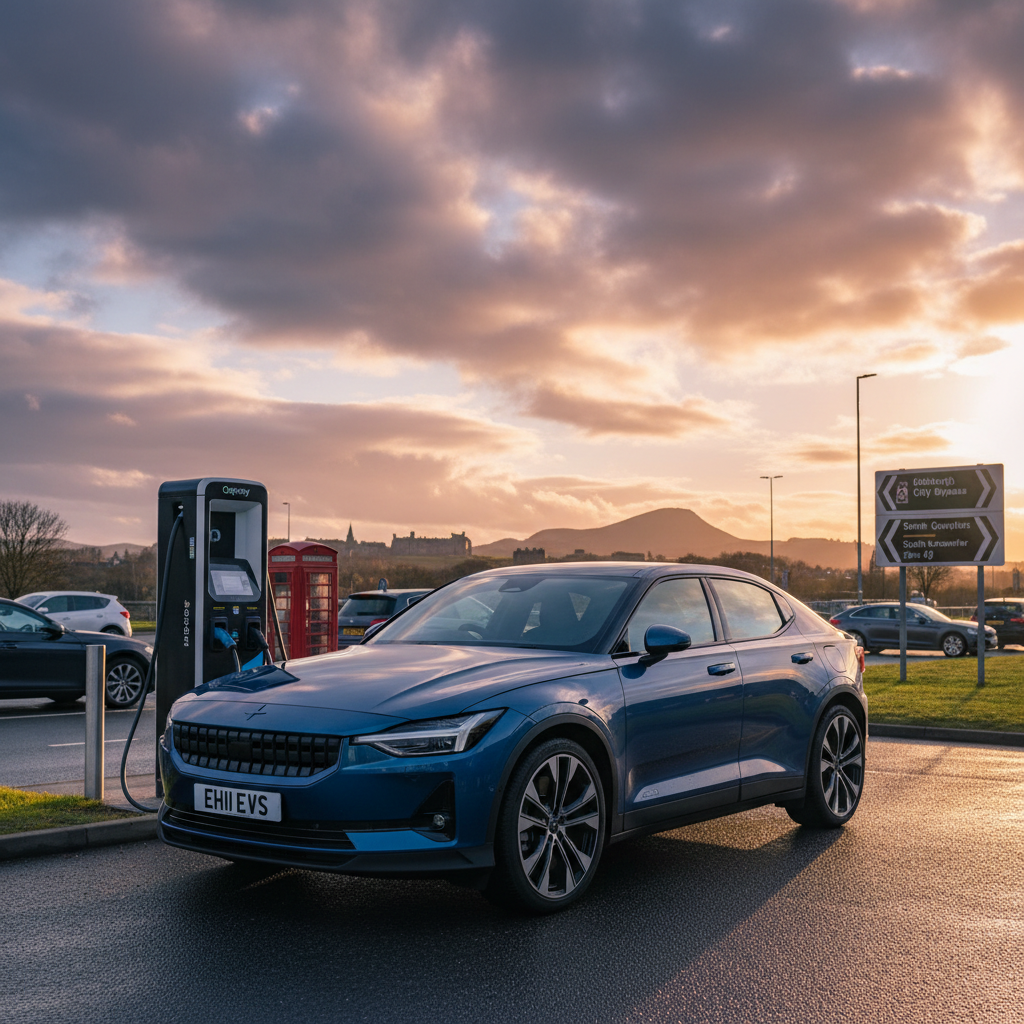
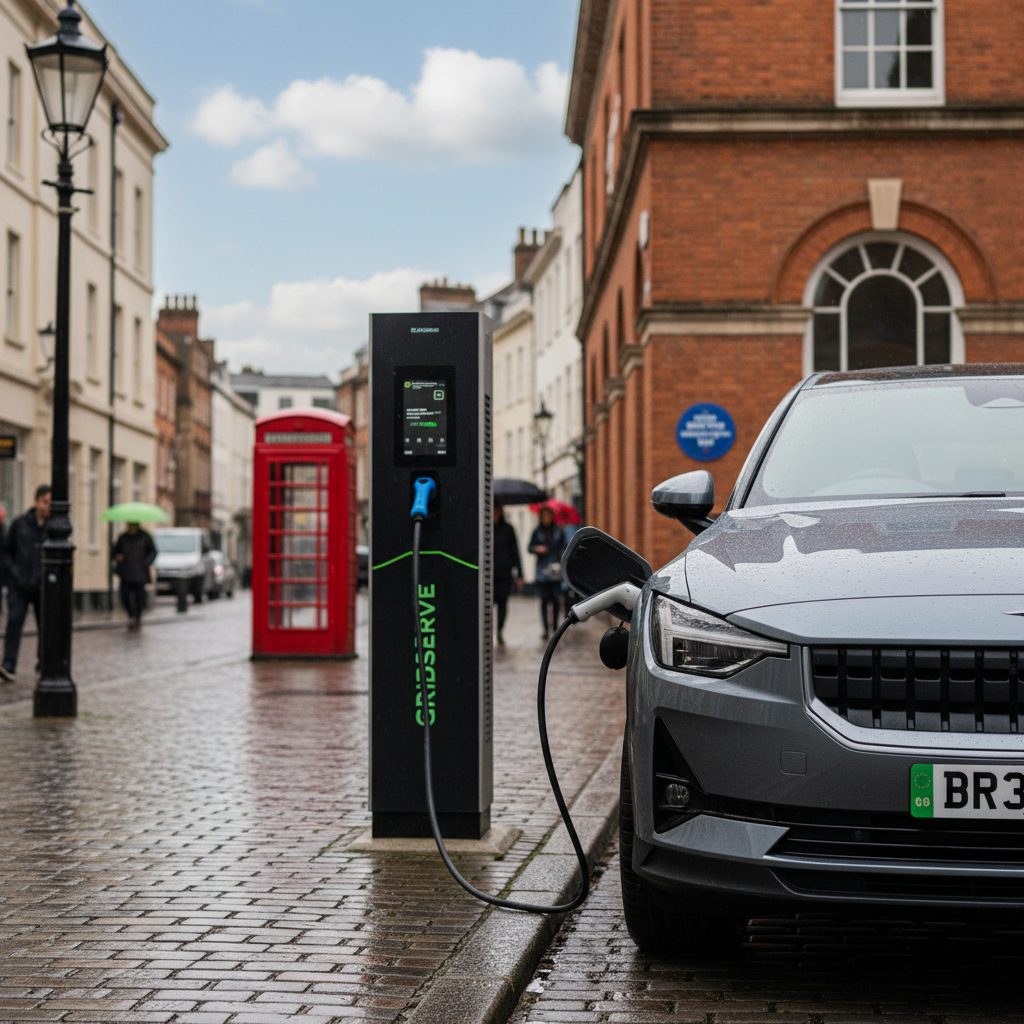
But innovation isn't just about what's under the bonnet or in the chassis; it's also about infrastructure. Our journey towards a fully electric future relies heavily on robust and intelligent charging networks. Here in the UK, we're seeing significant strides. InstaVolt, for instance, is making a substantial investment in battery energy storage systems (BESS). These systems don't just provide resilience; they protect drivers from fluctuating grid prices by storing energy when it’s cheap and releasing it when demand is high, effectively passing the savings directly to us. This move is a fantastic example of future-proofing our charging infrastructure, making it more reliable and affordable, which is crucial for encouraging wider EV adoption.
If you're considering making the switch to an EV, or perhaps upgrading your current model, the advancements in both vehicle technology and charging infrastructure should be hugely reassuring. Range anxiety, once a significant hurdle, is rapidly diminishing. Modern EVs offer impressive ranges, often around 300 miles on a single charge according to Imperial College London. And with ultra-rapid chargers, capable of adding 100 miles of range in under three minutes, becoming more prevalent across the UK, long journeys are becoming increasingly seamless. Organisations like Zest.uk.com are predicting that the next five years will see more change in EV charging infrastructure than the previous decade, incorporating smart charging and Vehicle-to-Grid (V2G) solutions to enhance grid efficiency and reliability.
The synergy between advanced vehicle design and intelligent infrastructure is creating a truly sustainable motoring ecosystem. While there will always be challenges – grid connection delays, for example, have impacted charger rollout in some areas – the overall trajectory is positive and accelerating. From the digital sandboxes where future Ferrari EVs like the Luce are born, to the powerful Porsche Cayenne Coupe Electric bringing Formula E tech to the autobahn, and the encouraging reports of how frequently plug-in hybrid owners are actually plugging in, the landscape of motoring is evolving at an incredible pace.
The future of mobility is not just electric; it’s intelligent, interconnected, and inherently more efficient thanks to the relentless march of AI and smart technology. It’s an exciting time to be on the road.
Key Takeaways:
- AI Accelerates EV Development: Digital twins and machine learning are dramatically speeding up vehicle design and optimisation, leading to more refined and efficient EVs.
- Smart Infrastructure is Key: Investments in battery energy storage systems (BESS) are making EV charging more affordable and reliable for drivers.
- Range Anxiety is Fading: Increased battery ranges and faster charging speeds are making EVs more practical for everyday and long-distance travel.
- Hybrids are Playing Their Part: Performance PHEVs like the Audi RS5 demonstrate how hybrid technology continues to innovate, bridging the gap to full electrification.
- Connectivity Enhances Safety: Advanced features like active beam headlights, driven by smart tech, are improving road safety for everyone.
Conclusion: The integration of AI and smart technology into both EV design and charging infrastructure marks a pivotal moment for sustainable motoring. This digital revolution isn't just about making cars; it's about creating a smarter, greener, and more accessible future for all drivers.