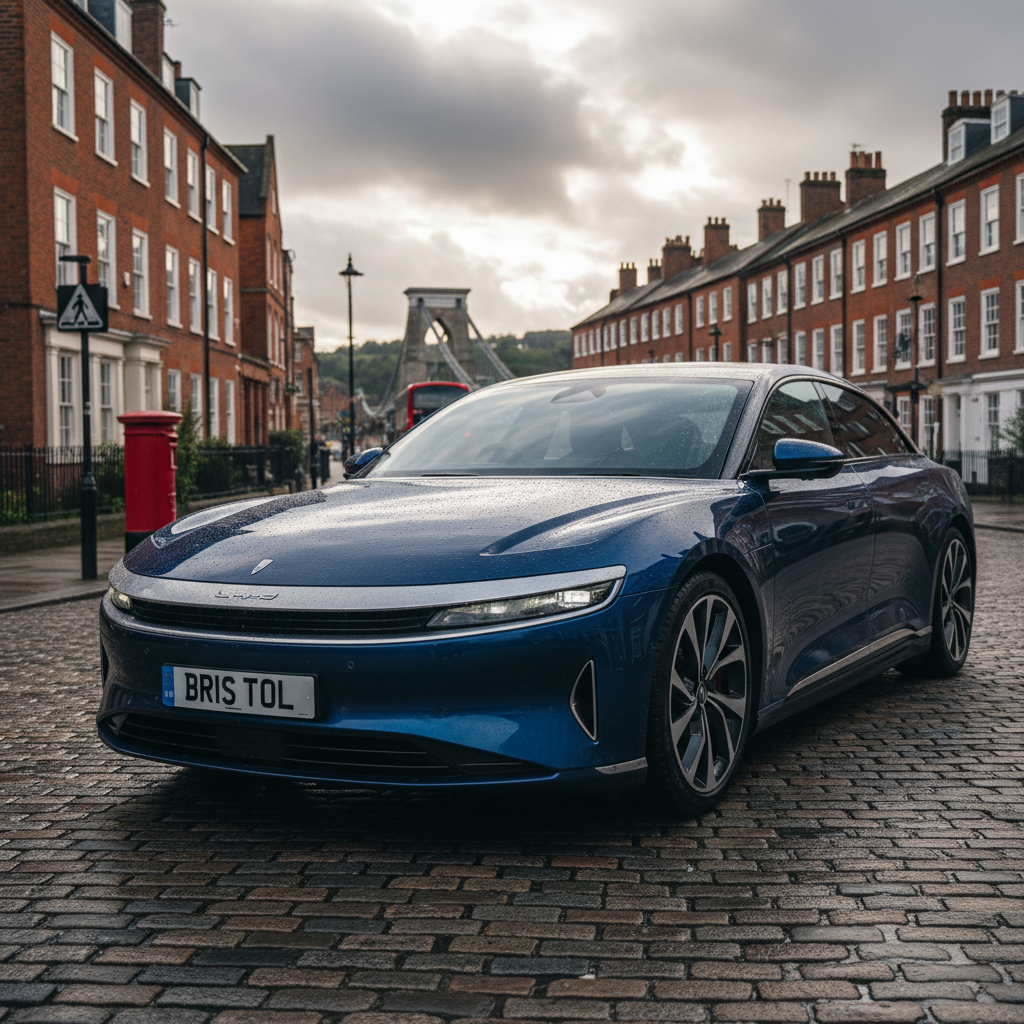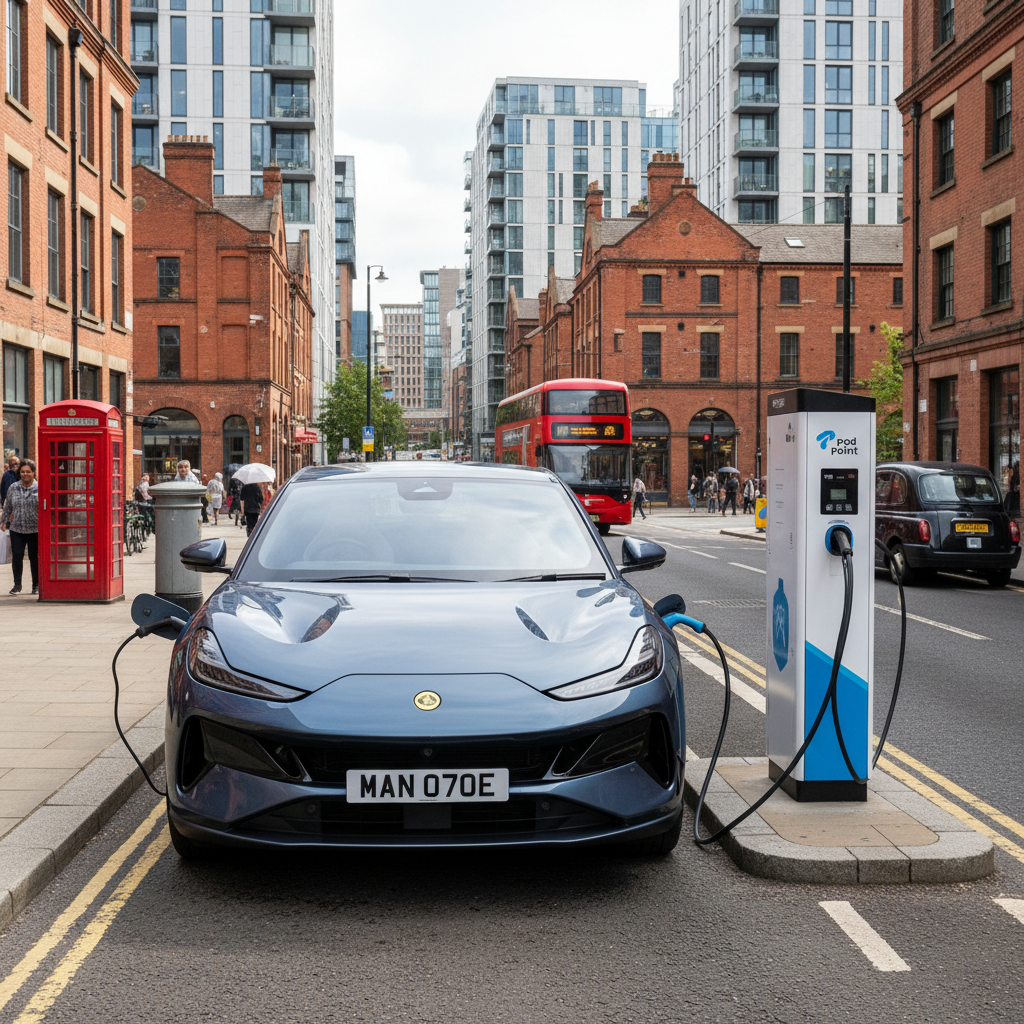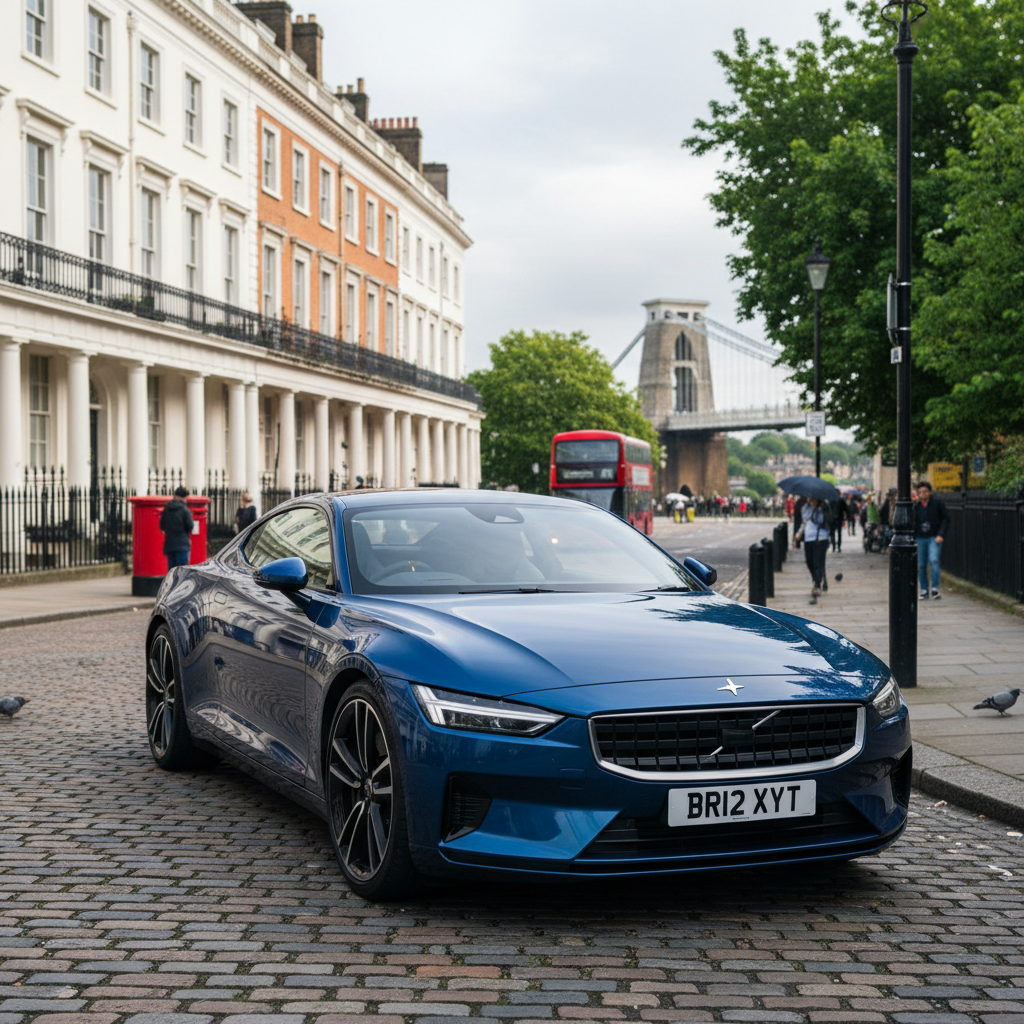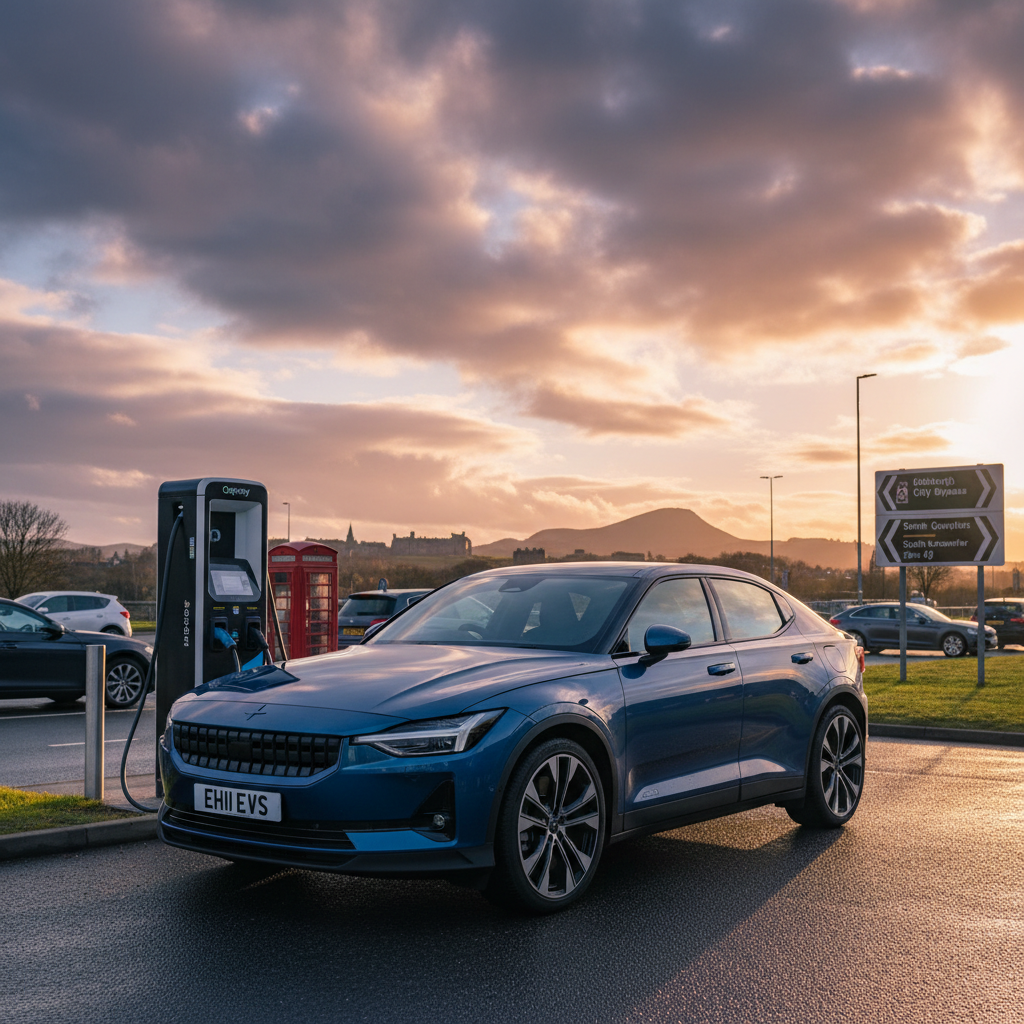


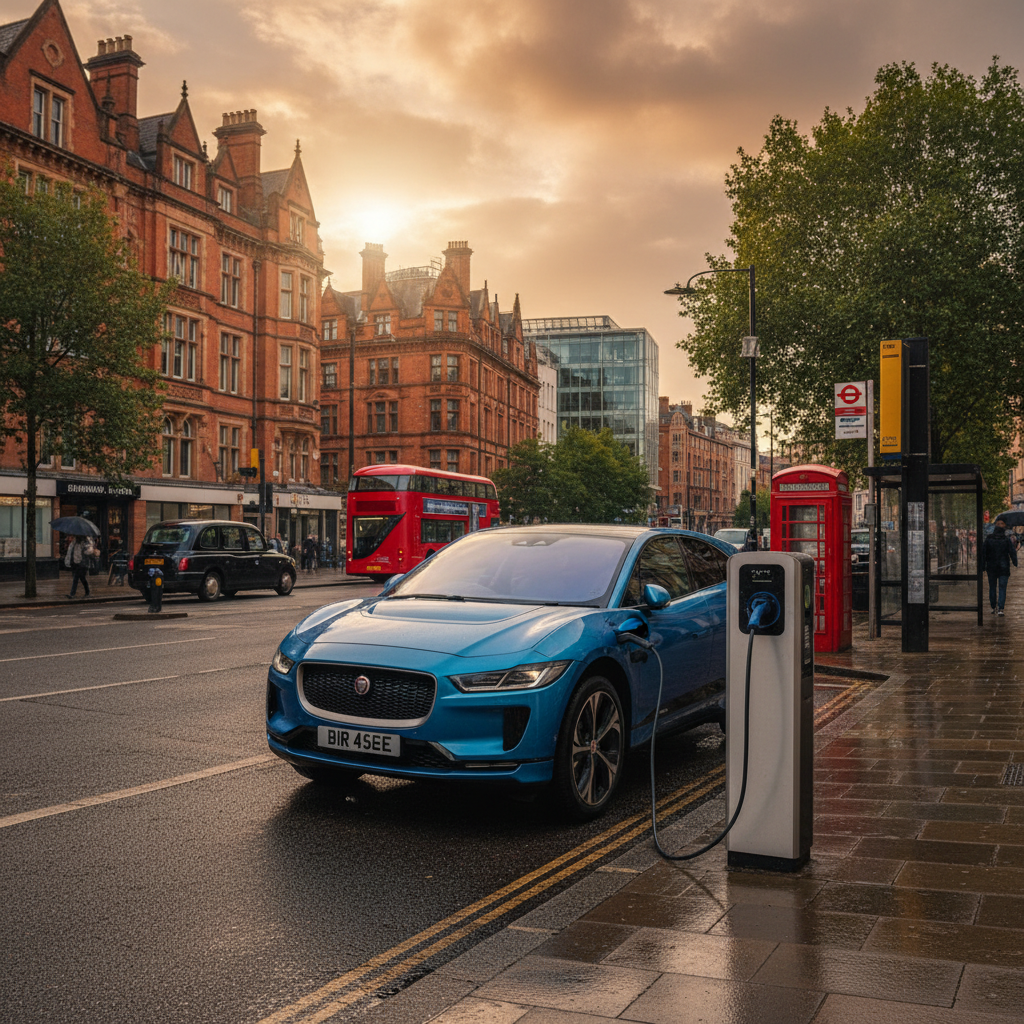
The hum of an electric motor used to be a distant future; now, it’s the soundtrack to our daily commute. But for many, the promise of sustainable motoring has been tempered by anxieties around charging. Range anxiety, charging times, and the baffling array of connectors have been common refrains. Yet, a quiet revolution is underway beneath the surface of our public charging infrastructure, one that promises to make powering up your EV as seamless and cost-effective as filling up a petrol tank – perhaps even more so.
The Smart Grid's Secret Weapon: Battery Energy Storage
No longer just about adding more charge points, the real game-changer in EV infrastructure is intelligence. We're seeing a significant shift towards integrating Battery Energy Storage Systems (BESS) directly into charging hubs. InstaVolt, for instance, has recently committed a substantial £2.5 million investment into five new BESS sites, with plans for 20 more by year-end. This isn't just about 'more' chargers; it's about 'smarter' chargers. These BESS units act like giant power banks, storing energy when demand is low (and electricity is cheaper) and then discharging it quickly when vehicles need a top-up, shielding drivers from peak grid prices and ensuring consistent power delivery, even in areas with fragile grid connections. This innovative approach is key to making charging more affordable and reliable for every driver. As Simon Smith, CEO of a prominent charging network, highlighted, we're witnessing rapid advancements in both vehicle and infrastructure technology. You can learn more about how smart storage is supercharging the UK's EV future.
This development is crucial for two reasons if you're considering the switch. Firstly, it addresses the 'efficiency gap' identified by transportandenergy.com, ensuring that the kW rating advertised actually translates to real-world charging speed. Secondly, it future-proofs the investment in our charging network. With next-generation EVs pushing charging speeds to blistering levels – some sites are already offering up to 500kW, capable of adding 100 miles of range in under 3 minutes – a robust and intelligent power supply is non-negotiable. This isn't just about convenience; it's about removing one of the biggest practical barriers to mass EV adoption. Discover how next-gen charging is redefining the EV experience.
Beyond the Charger: The Wider EV Ecosystem
While infrastructure evolves, the vehicles themselves continue to astound. Porsche’s latest offering, a 1,139 horsepower electric Cayenne Coupe, showcases the raw power and sophistication achievable in the electric realm, boasting 400 kW charging capabilities. Mercedes-AMG is also swapping the V8 for an all-electric GT 4-Door, demonstrating impressive 0-60 times and even more impressive miles-per-kWh figures. Even Ferrari, traditionally a bastion of petrol purism, is entering the fray with its first-ever EV, the Luce – a testament to the undeniable direction of the automotive world. These vehicles aren't just fast; they're pushing the boundaries of what's possible with sustainable powertrains.
For everyday drivers, range anxiety is also becoming a relic of the past. The average EV in 2025 is already achieving around 300 miles on official WLTP tests, with battery innovations continuously improving energy density. This increased range, coupled with an expanding and more intelligent charging network, means longer journeys are becoming less of a planning expedition and more of a spontaneous adventure.
The Role of PHEVs and Policy
It’s not just pure EVs making strides. Plug-in hybrids (PHEVs) are also proving their worth. Recent data, including reports from Toyota, indicate that PHEV owners are plugging in more frequently than many assumed. This challenges the old narrative and underscores their vital role as a transitional technology, allowing drivers to experience electric motoring for daily commutes while retaining the flexibility of a petrol engine for longer trips. They're a practical, eco-friendly stepping stone towards a fully electric future.
On the policy front, the UK government is adapting to the evolving landscape, relaxing some Zero Emission Vehicle (ZEV) mandate rules, and councils are set to receive Delayed Local Electric Vehicle Infrastructure (LEVI) funding in 2026 and 2027 to accelerate local charge point installations. While there’s a new bipartisan bill in the US Congress proposing an annual EV registration fee to ensure EVs pay their 'fair share' for road use, similar discussions in the UK highlight the ongoing adaptation required for sustainable funding models as we transition away from fuel duty. These conversations are a sign of a maturing EV market, where the focus shifts from novelty to integration.
A Greener Future, Closer Than You Think
If you're considering making the switch, the future of motoring is undeniably electric, and it’s becoming increasingly practical. From cutting-edge vehicles like the moose-proof Volvo EX60 with its efficient megacasting production, to the intelligent infrastructure being rolled out across the UK, the pieces are falling into place for a truly sustainable transport system. The focus on smart charging, improved battery tech, and expanding network reliability means that the environmental benefits of zero-emission driving are now more accessible, more convenient, and more cost-effective than ever before.
Key Takeaways for Future EV Owners:
- Smarter Charging: New Battery Energy Storage Systems (BESS) are making public charging cheaper and more reliable.
- Rapid Power: Charging speeds up to 500kW are becoming available, drastically cutting charging times.
- Extended Range: Average EV ranges are now around 300 miles, mitigating range anxiety.
- PHEV Power: Plug-in hybrids are proving to be effective, practical bridges to full EV adoption.
- Infrastructure Growth: Government funding and private investment are accelerating the rollout of charge points.
The journey towards a greener, more sustainable automotive future is accelerating. With innovation at every turn, from the vehicles themselves to the very way we power them, the road ahead for electric motoring in the UK looks bright, efficient, and truly future-proofed. Learn more about unlocking EV's full potential through intelligent infrastructure and design, and how sustainable motoring is becoming a reality.