


When you think of high-octane racing, do you picture a silent revolution? Perhaps not yet, but the lines between the futuristic grit of Formula E and the driveways of everyday motorists are blurring faster than ever. As an EV specialist, I'm constantly thrilled by how lessons learned at the absolute limits of performance are directly translating into more efficient, more powerful, and ultimately more sustainable vehicles for us all.
Consider the raw power emerging from the likes of Porsche. We're seeing production vehicles like their new electric Cayenne Coupe boasting an astonishing 1,139 horsepower and 400 kW charging capabilities. This isn't just about headline-grabbing numbers; it’s about bringing Formula E-derived tech to the autobahn, and soon, to our local roads. This brutal efficiency, the ability to pack such a punch while charging incredibly quickly, is a direct trickle-down from the relentless pursuit of speed and endurance on the track.
It's not just about raw power, though. The sophistication of electric powertrains is reaching new heights. Take Audi’s performance PHEV, the RS5. Its new electric torque-vectoring rear differential is a game-changer. This isn't just a nod to performance; it's about intelligent power delivery, enhancing handling, and improving efficiency. Such advancements illustrate a fascinating 'split personality' – the ability to be a track demon one moment and a refined, eco-friendly commuter the next. This kind of nuanced power management is exactly what we need for a future-proof motoring landscape.
The Great Electrification: Performance Meets Practicality
The transition is equally evident in luxury performance. Mercedes-AMG, for instance, is confidently leaving the V8 in the past with its all-electric GT 4-Door. The impressive 0-60 times are expected, but it's the miles per kWh number that truly excites me. This reflects a deep commitment to energy efficiency, showing that high performance doesn't have to come at the cost of environmental responsibility. Even Ferrari, that bastion of internal combustion, is entering the arena with its first-ever EV, the Luce. While sparking debate among purists, it signifies an undeniable shift – even the most iconic brands are embracing zero-emission performance.
So, what does this mean for the everyday driver considering an EV? It means the technology is maturing rapidly, making electric cars more appealing than ever. We're seeing average EV ranges in the UK around 300 miles on official WLTP tests, providing ample peace of mind for longer journeys. And for those bridging the gap, plug-in hybrids are proving their worth, with recent data from Toyota showing that they are genuinely being plugged in more often, meaning more electric miles and lower emissions for drivers.
Charging Ahead: Strengthening the UK's EV Backbone
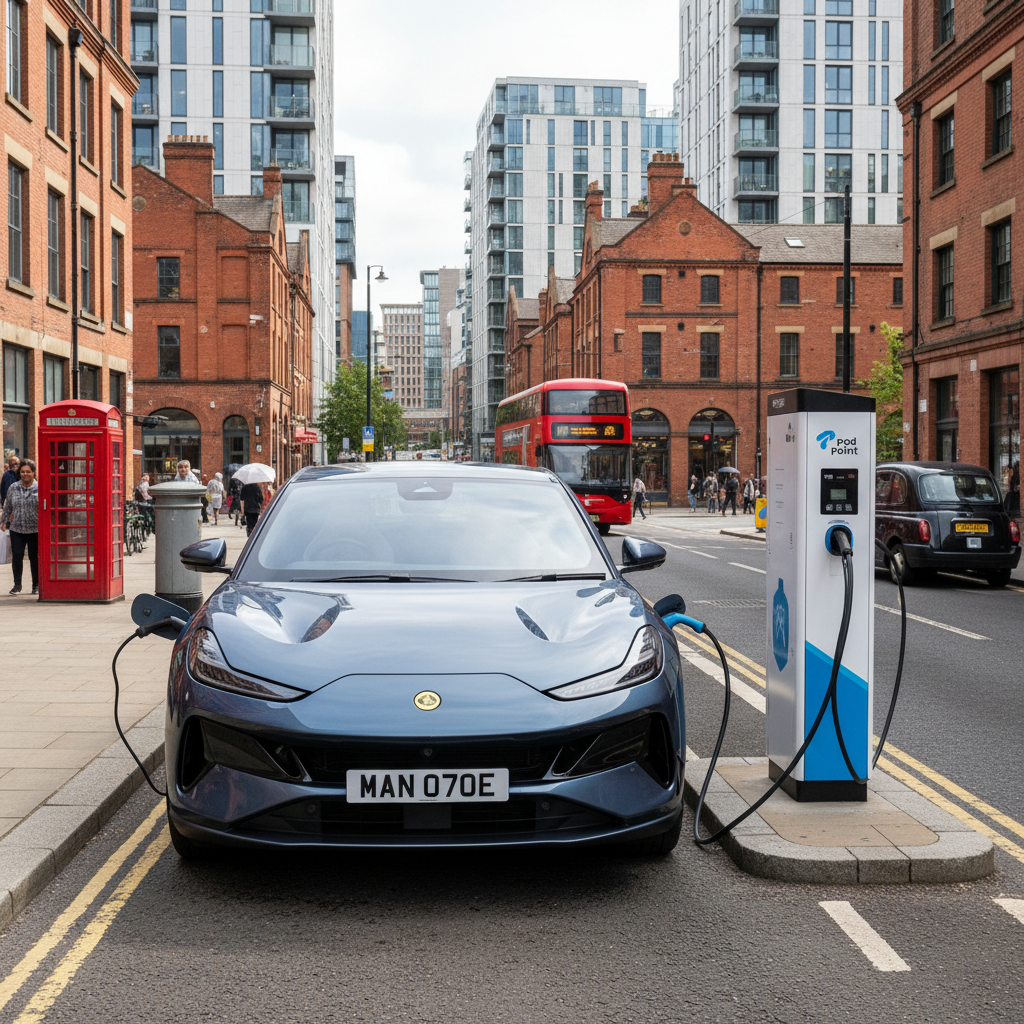
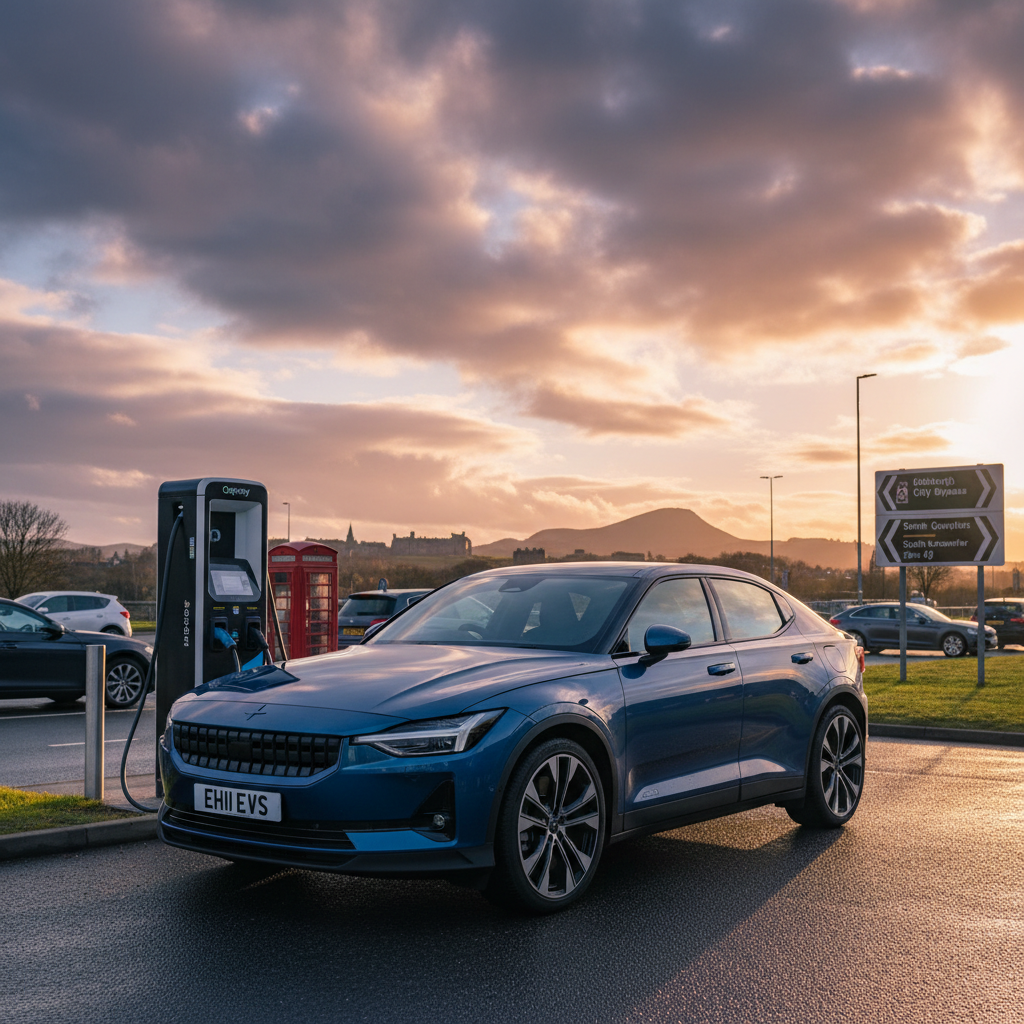
Of course, innovation in vehicles needs to be matched by infrastructure. The good news is that the UK is making strides. Companies like InstaVolt are investing significantly in battery energy storage systems (BESS) at charging sites. This innovative approach helps protect consumers from rising grid costs and ensures a more stable, reliable charging experience. Such installations are crucial for strengthening our national charging backbone, especially as we anticipate over 5,000 ultra-rapid chargers nationwide by mid-2026, with some offering speeds up to 500kW – that's 100 miles of range in under 3 minutes!
The government is also playing its part, relaxing some ZEV mandate rules and providing grant schemes for home and workplace charge points. While there have been some slowdowns in installations due to grid connection delays, the commitment to expanding the network, particularly through initiatives like the delayed Local Electric Vehicle Infrastructure (LEVI) funding for councils, signals a robust long-term strategy.
Finally, let's not overlook the smaller, yet impactful, innovations. Active beam headlights, like those on the 2027 Audi Q9, are finally coming to America, promising better visibility with minimal glare. These are the kinds of clever, tech-forward features that make driving safer and more enjoyable for everyone.
If you're considering making the switch to electric or hybrid, the message is clear: the future of motoring is not just green, it's exhilarating. The cutting-edge performance tech developed for racing circuits and high-end models is rapidly becoming accessible, driving down costs, improving efficiency, and making sustainable motoring a truly compelling proposition.
Key Takeaways for the Future Motoring Enthusiast:
- Performance Evolution: Motorsport tech is making EVs incredibly powerful and efficient.
- Smart Charging: Investments in battery energy storage (BESS) are stabilising costs and improving reliability.
- Range Confidence: Average EV range is hitting 300 miles, with ultra-rapid charging drastically cutting wait times.
- Hybrid Harmony: PHEVs are effectively bridging the gap, proving their eco-credentials.
- Infrastructure Growth: UK charging networks are expanding rapidly, becoming more capable and widely distributed.
The era of zero-emission vehicles is upon us, and it's far from a compromise. It's a leap forward in innovation, performance, and environmental responsibility, making our driving future brighter and much more sustainable.