

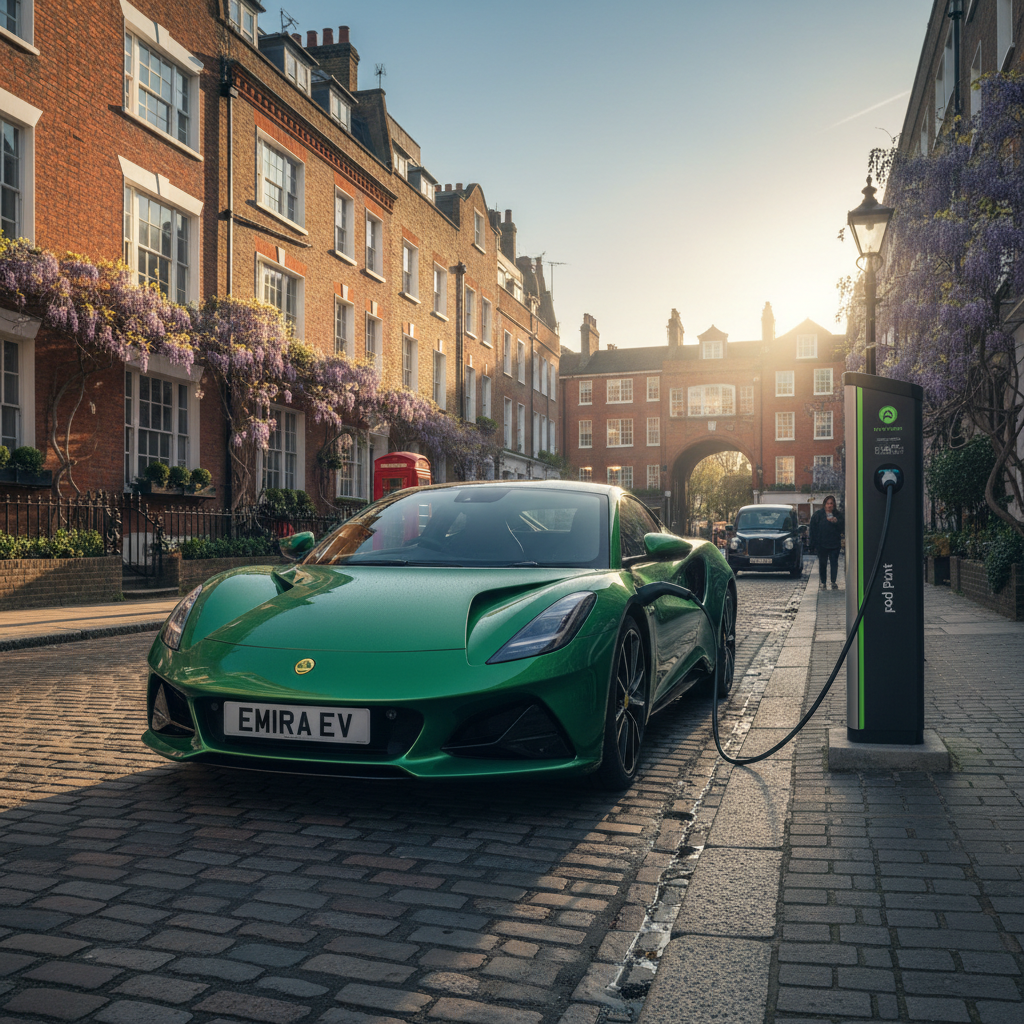
The Invisible Revolution Powering Your Next Charge
As an EV specialist deeply embedded in the world of green technology and future mobility, I'm often asked about the biggest hurdles facing electric vehicle adoption. While range anxiety and upfront costs get a lot of airtime, the backbone of a robust EV ecosystem — reliable, affordable charging infrastructure — is arguably the most critical. And it's here that a quietly revolutionary technology is making significant waves: battery energy storage systems (BESS).
Imagine a world where your rapid EV charger isn't just pulling power directly from the grid, but is instead buffered by its own local power bank, ensuring a consistent, powerful, and crucially, cheaper charge. This isn't a futuristic dream; it's happening right now across the UK, and it's set to fundamentally reshape the economics and practicality of owning an EV.
Smart Storage: The Unsung Hero of EV Infrastructure
InstaVolt, a prominent name in the charging network, is pioneering this charge with a substantial £2.5 million investment in five new BESS sites, with plans for another 20 before the year's end. As reported by GBNews.com, these systems are designed to protect both the company and its customers from escalating grid costs. But how exactly do they work their magic?
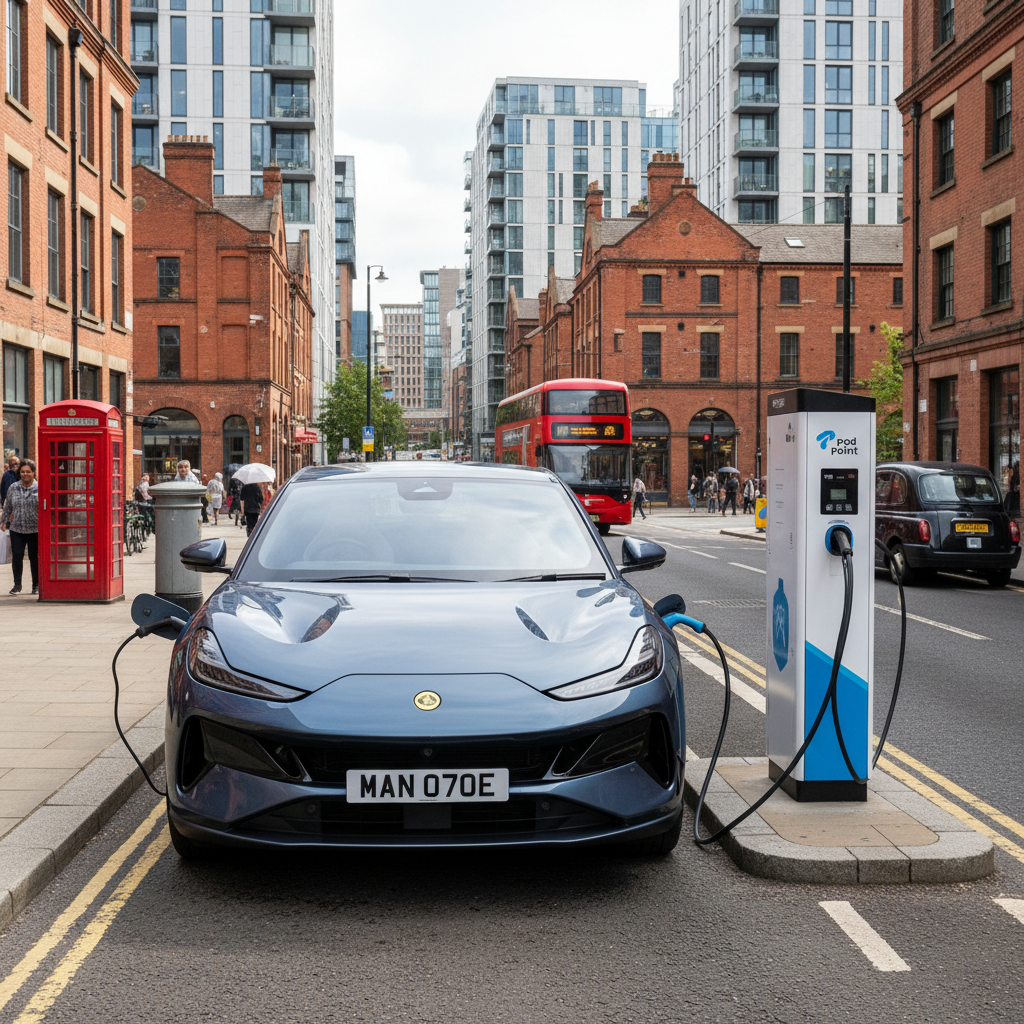
In essence, BESS units act like giant power reservoirs. They store electricity during off-peak hours when demand (and thus cost) is lower, or even from renewable sources like solar if available on-site. When an EV pulls up for a rapid charge – let's say at a blistering 350kW – the BESS system can supplement the grid's immediate supply, delivering that powerful punch without causing a sudden surge on the local network. This smooths out demand, reduces strain on the grid, and most importantly for you, the driver, translates into lower operational costs for the charging provider, which can then be passed on as savings.
This “efficiency gap” between stated power ratings and real-world delivery is something that financial models for decarbonisation are increasingly focusing on, as highlighted by Transport and Energy. The judicious use of battery buffering and on-site energy storage makes the business case for these charging hubs incredibly strong and “future-proofed for the next generation of vehicles.”
Beyond the Charger: A Holistic View of Green Motoring
This tech-forward approach to charging infrastructure arrives at a pivotal moment. We're seeing extraordinary advancements in the vehicles themselves. Mercedes-AMG is leaving the V8 in the past with the all-electric GT 4-Door, demonstrating impressive 0-60 times and even more remarkable miles/kWh figures (Ars Technica). Volvo, with their new EX60, is showcasing efficient production techniques like megacasting, which not only streamlines manufacturing but also reduces the environmental footprint of each vehicle (Ars Technica).
Even plug-in hybrids, often debated for their 'green' credentials, are proving their worth. Toyota's latest data, as reported by Ars Technica, indicates that PHEVs are being plugged in more often than many might assume, reinforcing their role as a transitional, sustainable motoring option.
The average EV in 2025 is already achieving around 300 miles on official WLTP tests (Zest.uk.com and Imperial College London), effectively quashing many range anxiety concerns for everyday driving. And with ultra-rapid chargers projected to offer speeds up to 500kW at select UK locations by mid-2026, adding 100 miles of range in under 3 minutes (The Electric Car Scheme), charging is becoming less of a stop and more of a pause.
The Road Ahead: Navigating Challenges and Opportunities
Of course, it's not all smooth sailing. The UK's charging infrastructure, while growing, has faced some slowdowns, partly attributed to grid connection delays (EV Infrastructure News). However, funding like the delayed Local Electric Vehicle Infrastructure (LEVI) is expected to accelerate installations in 2026 and 2027 (The Guardian). This commitment, alongside innovations like BESS, is crucial for bridging the infrastructure gap and ensuring equitable access to charging across the nation.
For those considering making the switch to an EV, understanding the evolving landscape of charging – from the increasing prevalence of BESS to the sheer speed of next-gen rapid chargers – is essential. It's not just about the car you buy, but the ecosystem that supports it. While concerns like the proposed £130 annual EV registration fee (Ars Technica) highlight the evolving financial landscape, the long-term benefits of lower running costs, environmental impact, and a superior driving experience remain compelling.
The future of motoring is undeniably electric, and with smart innovations like BESS making charging more efficient and affordable, that future is arriving faster, and more smoothly, than ever before.
Key Takeaways for UK Drivers:
- Cheaper Charging: Battery Energy Storage Systems (BESS) are helping charging providers reduce costs, potentially leading to lower prices for you.
- Reliable Power: BESS smooths out demand on the grid, ensuring consistent, high-power charging even during peak times.
- Faster Charging: With technologies like BESS supporting ultra-rapid chargers, adding significant range in minutes is becoming the norm.
- Growing Infrastructure: Despite challenges, the UK’s commitment to expanding and improving its charging network, bolstered by smart tech, is accelerating.
- Sustainable Future: These innovations make EV ownership more practical and eco-friendly, strengthening the case for zero-emission motoring.
Conclusion: Powering Progress, One Charge at a Time
The integration of battery energy storage systems into our charging infrastructure is a game-changer. It's a prime example of how cutting-edge technology, when applied smartly, can address real-world challenges, making the transition to sustainable motoring not just a dream, but a practical, cost-effective reality for everyday drivers. This isn't just about faster charging; it's about building a more resilient, efficient, and truly green foundation for the future of transport.