

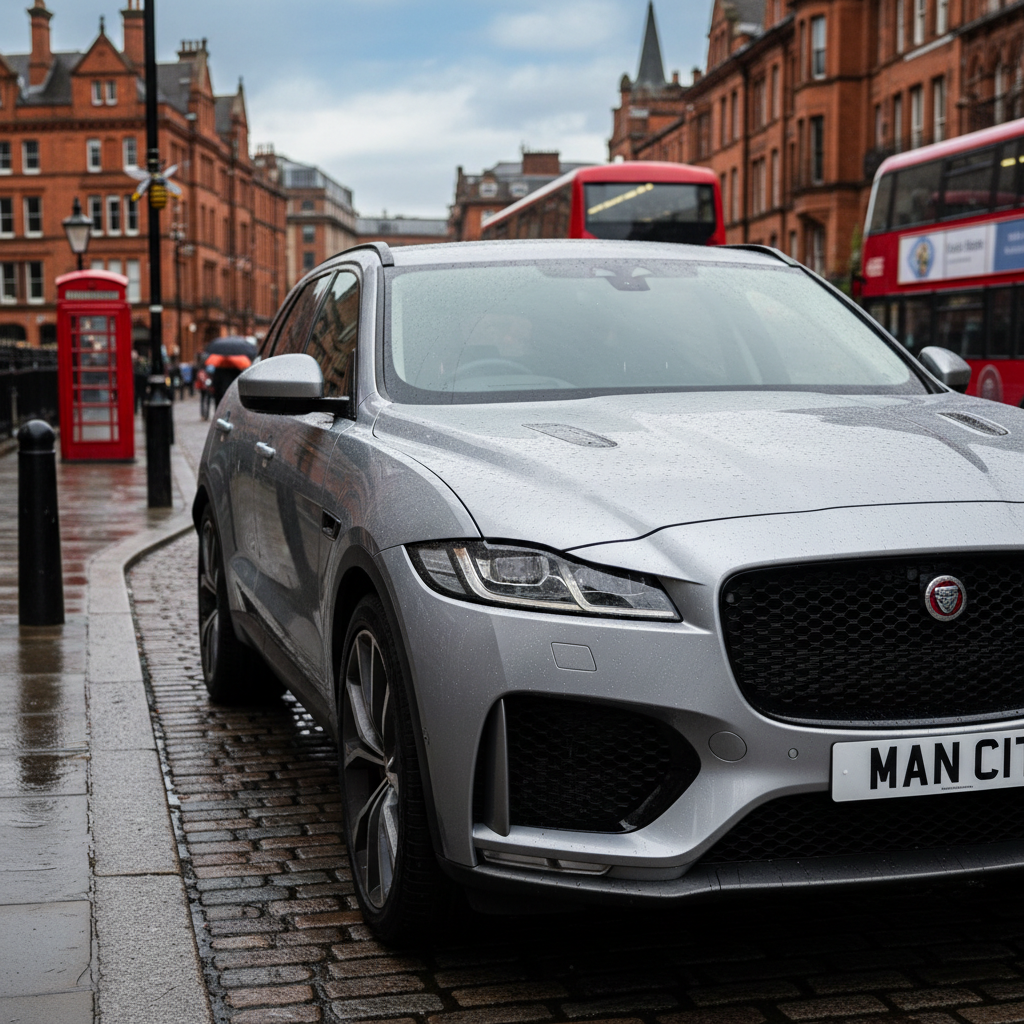
Forget simply swapping petrol for electric. We're on the cusp of a profound shift in how we power and design our personal transport. The conversation around electric vehicles (EVs) is rapidly evolving from range anxiety and charging speeds to something far more intricate: intelligent integration. It's about how the car, the grid, and even the very roads we drive on, will soon operate as one seamless, sustainable ecosystem.
The Smart Grid: Brains Behind the Brute Force
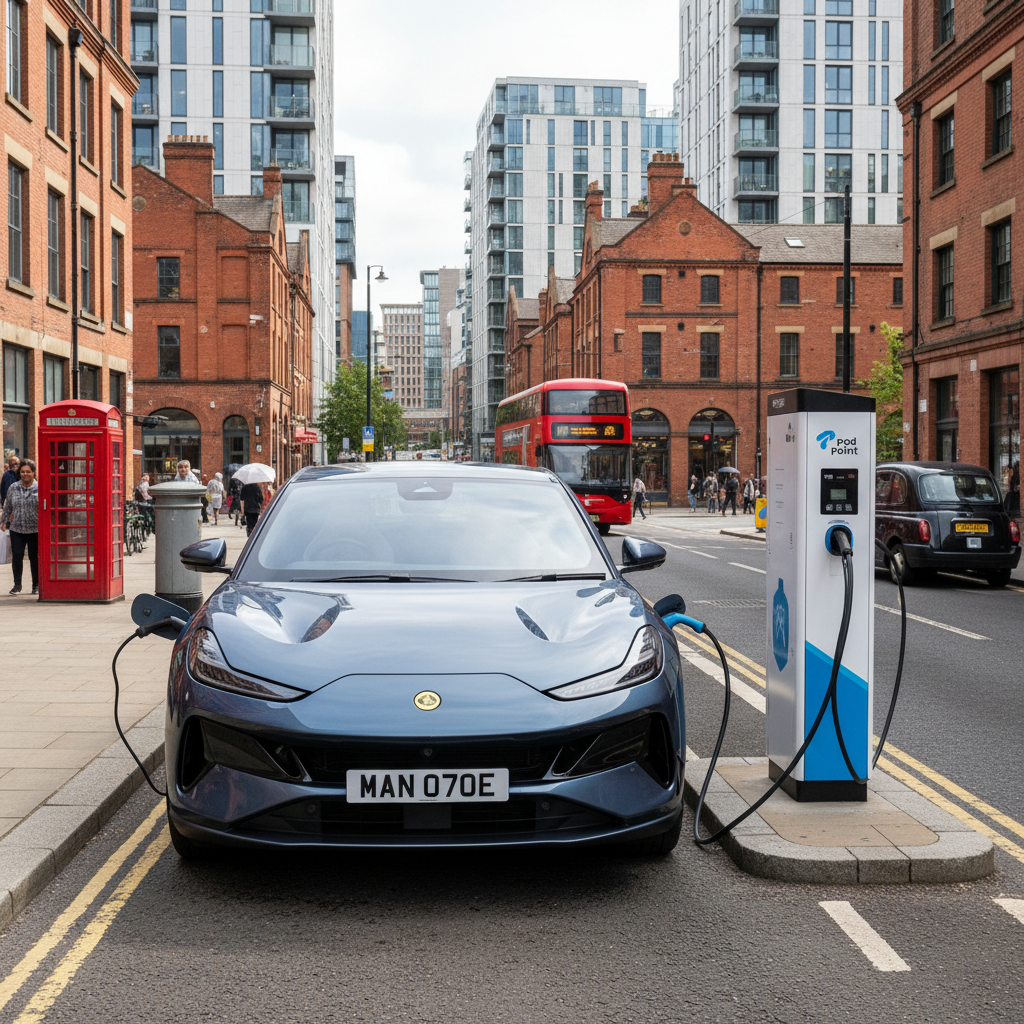
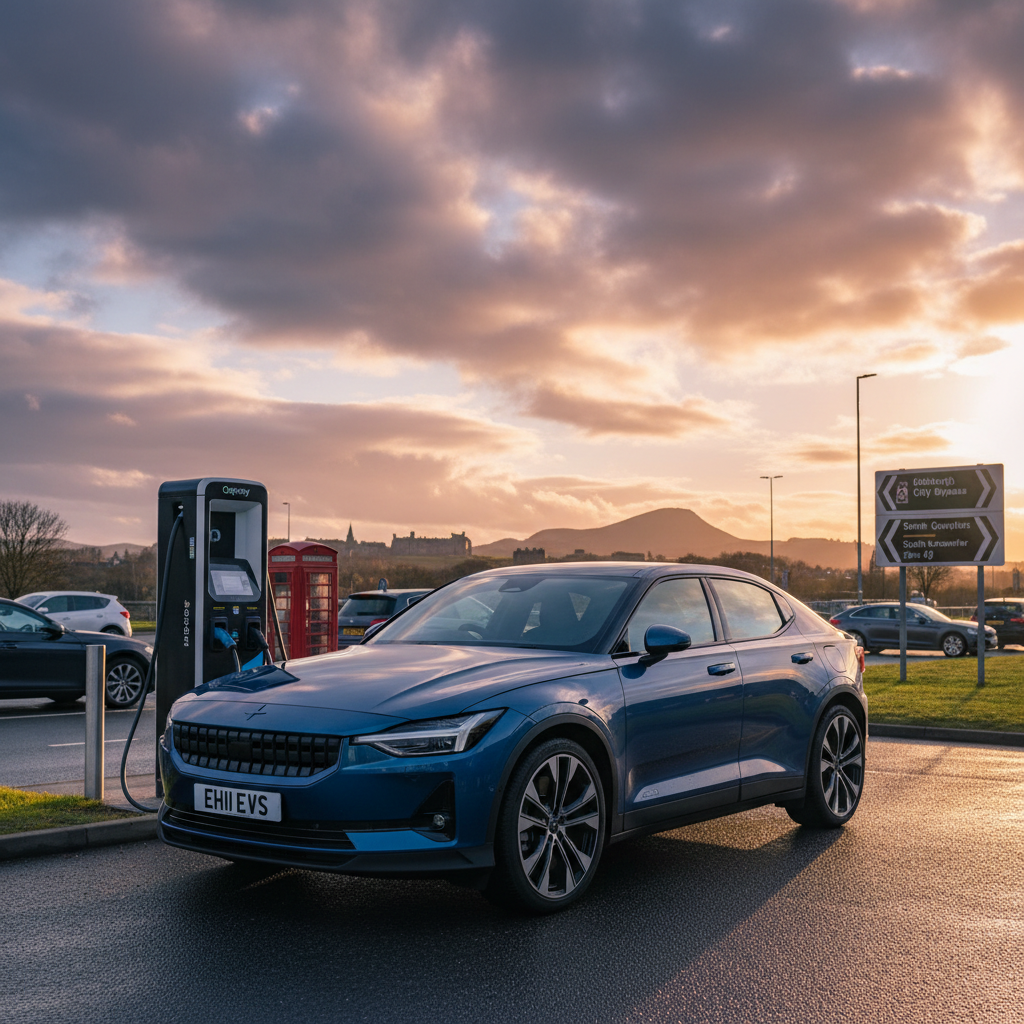
For years, the chatter around EV infrastructure focused on sheer numbers of charge points. While critical – and thankfully, we're seeing positive movement with projections of over 5,000 ultra-rapid chargers nationwide by mid-2026, offering speeds up to 500kW at select spots (The Electric Car Scheme) – the real game-changer is intelligence. Researchers are increasingly using advanced techniques like clustering and predictive modelling to strategically place these charging stations, especially in areas like the West Midlands and North East UK, ensuring sustainable adoption and avoiding bottlenecks. This isn't just about avoiding queues; it's about optimising grid stability and energy distribution.
Imagine a world where your car isn't just a consumer of electricity, but an active participant in the energy grid. Emerging technologies such as smart charging systems and Vehicle-to-Grid (V2G) solutions are making this a reality. These innovations are poised to enhance grid efficiency, reliability, and even generate revenue potential for energy providers, ultimately supporting the transition to sustainable transportation (NextMSC). This is the future-proof infrastructure we need, moving beyond simply 'more chargers' to 'smarter energy management'. As the House of Commons Library notes, the government is already adapting its policies, relaxing some ZEV mandate rules in April 2025, which shows a responsive approach to the evolving landscape. For more on the bigger picture of how smart grids are enabling this shift, read Beyond the Hype: Unlocking Smarter Grids and the Everyday EV Revolution.
From the Drawing Board to the Driveway: Designing for a Green Tomorrow
Meanwhile, the vehicles themselves are undergoing a silent revolution in design and capability. While some are pushing the performance envelope, like Porsche's Taycan getting a Nürburgring-focused Manthey Kit (Ars Technica) or Ferrari honing its V12 Purosangue (Ars Technica) before its first EV, the real innovation for most drivers lies in practicality and accessibility. Ford's skunkworks, for example, is diligently working on a $30,000 electric pickup, demonstrating a clear focus on making EVs attainable for the masses (Ars Technica). This kind of strategic design, aimed at everyday utility and affordability, is crucial for widespread eco-friendly adoption.
Rivian, too, is expanding its vision, teasing R2 variants beyond the SUV, including a potential R2 pickup and R2X (Ars Technica). This diversification speaks to a broader understanding that sustainable motoring isn't one-size-fits-all. It's about offering a compelling electric alternative for every lifestyle and need, from family haulers to workhorses. And let's not forget the ever-improving battery tech. While solid-state batteries might not disrupt charging infrastructure anytime soon, innovations are continually increasing battery energy density, meaning current models already achieve around 300 miles on a single charge (Grantham Institute, Zest.uk.com). This directly addresses what many prospective EV buyers worry about: range. To dive deeper into these advancements, check out Powering Tomorrow: Decoding the Battery Breakthroughs Fueling Our Electric Future.
AI: The Unseen Co-Pilot in Sustainable Mobility
Beyond the hardware, artificial intelligence (AI) is rapidly becoming an indispensable tool. In motorsport, AI is already multiplying limited computational fluid dynamics resources (Ars Technica), meaning faster, more efficient development of aero and thermal management for high-performance EVs. This kind of cutting-edge simulation trickles down, accelerating the development of more efficient and sustainable road cars. We're seeing Chinese EVs, for instance, embracing AI-packed interiors, pushing the boundaries of in-car technology and connectivity (Ars Technica).
Even for autonomous driving systems, like Tesla's FSD, AI is at the core. While regulatory bodies in Europe are still scrutinising such systems (Ars Technica), the continuous evolution of AI promises safer, more efficient, and ultimately, smarter journeys. Toyota's ambitious Woven City, a living laboratory for advanced mobility and AI (Ars Technica), further underscores the massive investment and belief in AI's role in shaping future transport ecosystems. Discover more about this, and the infrastructure evolution of UK electric motoring in our article, Road to Tomorrow: Navigating the AI & Infrastructure Evolution of UK Electric Motoring.
The Consumer View: Bridging the Gap
If you're considering making the switch to an EV, the landscape is looking increasingly robust. The challenges of charging infrastructure, particularly regional disparities like those seen in Belfast and Bristol (Fleet News), are being actively addressed with strategic investment and innovative solutions. The emphasis is shifting from simply having *a* charger, to having the *right* charger, in the *right* place, at the *right* time, powered intelligently. Grid connection delays, which caused some installation slowdowns in 2025, are also being tackled with dedicated funding (EV Infrastructure News).
The average EV range of 300 miles means most daily commutes are easily handled, and with ultra-rapid charging, adding significant range during a quick stop is becoming a reality. The future of sustainable motoring isn't just about the car; it's about the entire intelligent, interconnected framework that supports it. This holistic approach ensures practicality, cost-saving, and a genuinely eco-friendly driving experience. You can learn more about how ultra-fast charging is crucial to unlocking this EV future by reading, Beyond the Hype: Is Ultra-Fast Charging the Key to Unlocking Our EV Future?
Key Takeaways:
- Intelligent Infrastructure: Beyond just more charge points, smart charging and V2G technologies are building a resilient, efficient energy grid to support EVs.
- Accessible Design: Manufacturers are focusing on practical, affordable EVs and diverse body styles to accelerate mainstream adoption.
- AI as an Enabler: Artificial intelligence is optimising everything from vehicle design and performance to navigation and autonomous driving, making EVs smarter and safer.
- Extended Range & Speed: Average EV ranges are now around 300 miles, with ultra-rapid chargers capable of adding 100 miles in under 3 minutes at select locations.
- UK Progress: Despite past challenges, the UK is making strides in strategic charge point deployment and policy adaptation to support EV growth.
Verdict: The Dawn of Truly Smart, Sustainable Motoring
The journey to a fully electric future is not without its bumps, but the direction is clear and inspiring. The green credentials of modern EVs extend far beyond zero-tailpipe emissions. They encompass the innovative ways we generate, distribute, and consume electricity, the thoughtful design that makes them accessible, and the cutting-edge AI that makes them intelligent. We're transitioning from standalone electric cars to an integrated, future-proof mobility ecosystem that genuinely reshapes our environmental impact and driving experience. The future of motoring isn't just electric; it's brilliantly, intelligently sustainable.