

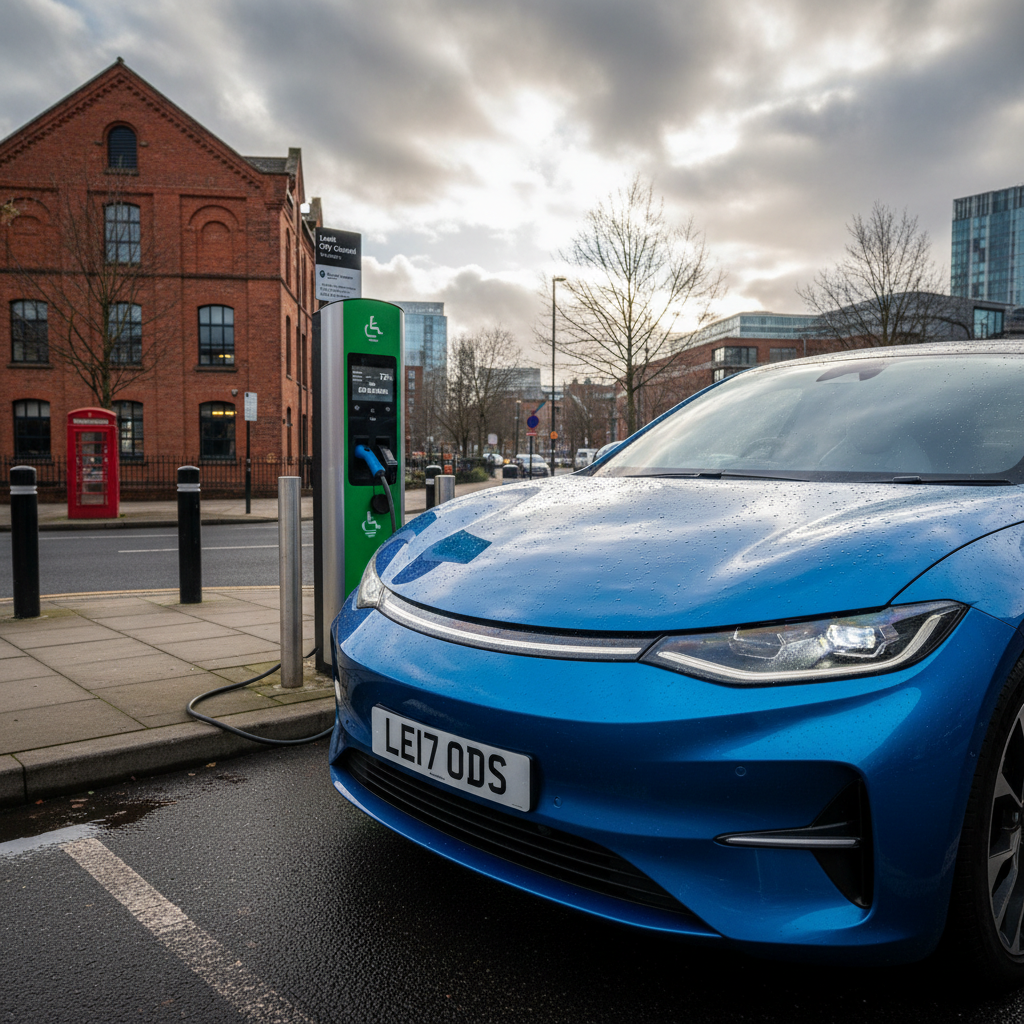
Forget the old worries about lengthy charging times and stranded journeys. The narrative around electric vehicles is undergoing a seismic shift, and it's all thanks to an accelerating pace of innovation in charging infrastructure. As an EV specialist, I'm watching this evolution with genuine excitement, because it's transforming EVs from a niche choice into a truly viable, and often superior, option for the masses.
The Need for Speed: Ultra-Rapid Charging Takes Centre Stage
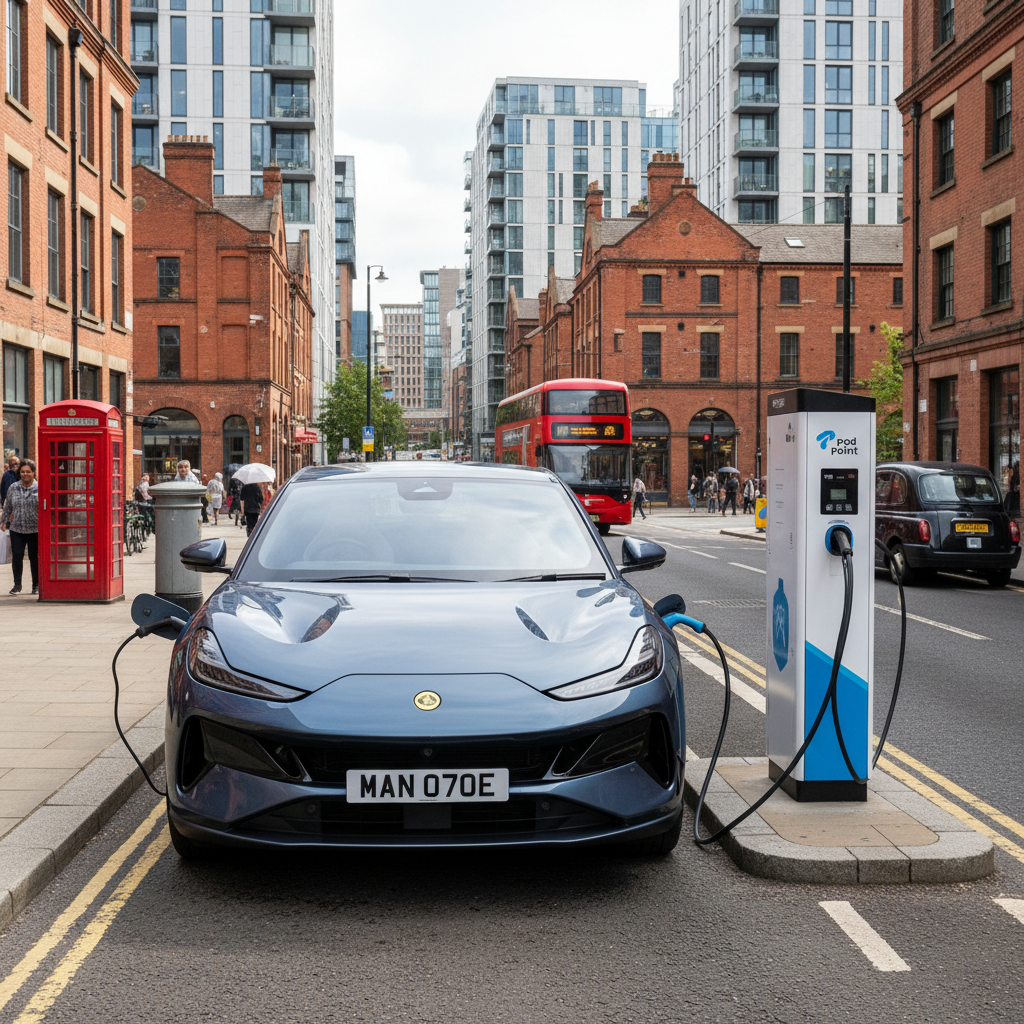
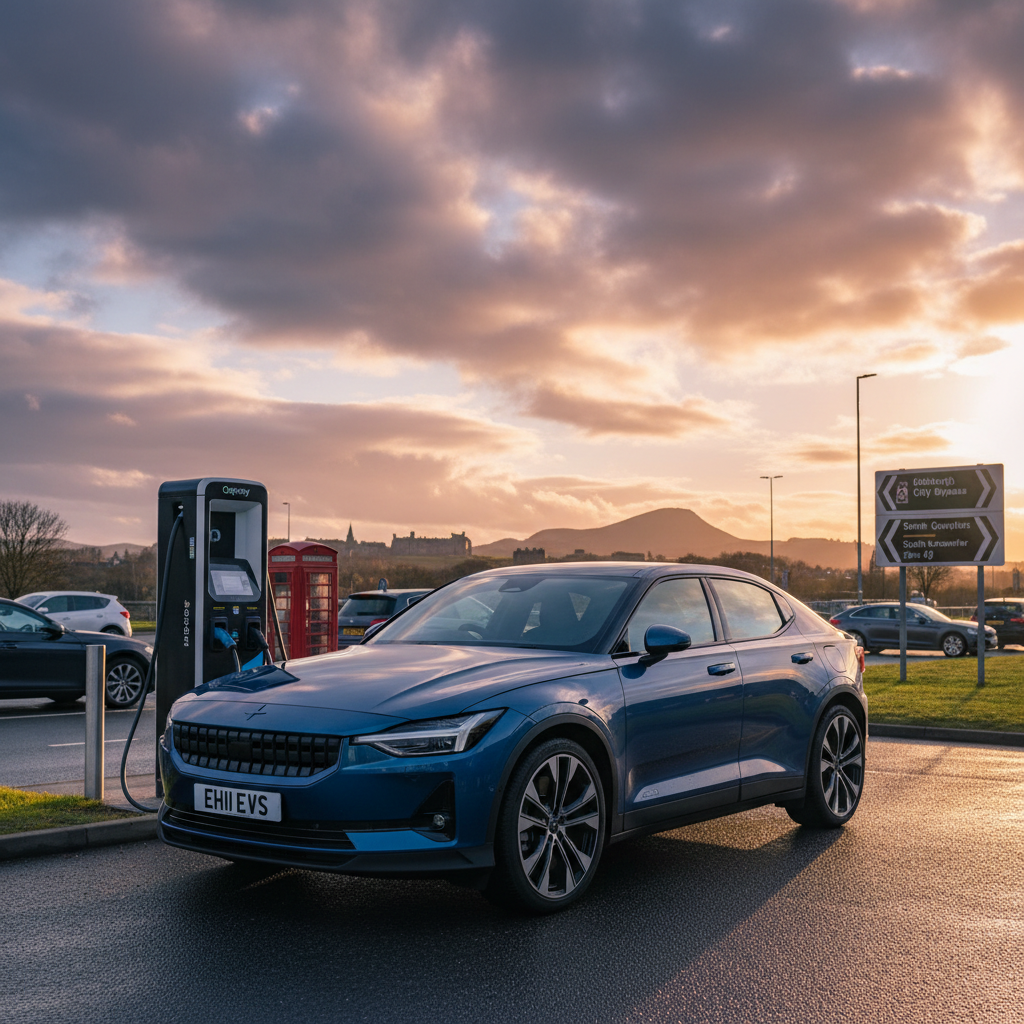
For years, range anxiety and charging convenience have been the twin dragons guarding the gates of widespread EV adoption. But those dragons are rapidly being tamed. We're now seeing astonishing advancements in charging speeds. Imagine adding 100 miles of range in under three minutes – that's the kind of performance we can expect at select locations, with charging speeds soaring up to 500kW by mid-2026. This isn't just a number; it's a game-changer for practicality, making long-distance journeys in an EV as seamless as a petrol stop.
This isn't just about raw power, though. It's about smart deployment. The UK’s public charging network is growing, with over 80,000 public charging points as of May 2025, and a significant portion of those being 150kW or above. Critically, we're seeing strategic investments like InstaVolt’s £2.5 million into battery energy storage systems (BESS) sites. These BESS installations are a brilliant piece of green tech, helping to buffer the grid, manage demand efficiently, and ultimately protect drivers from rising energy costs – a win-win for sustainability and your wallet.
Beyond the Socket: Intelligence in Infrastructure
The future of EV charging isn't just about faster chargers; it's about smarter ones. We're moving towards an infrastructure that’s responsive, predictive, and integrated. For instance, research in Scientific Reports highlights the importance of clustering and predictive modelling for optimal charging infrastructure. This kind of data-driven approach ensures that charging points are placed where they're most needed, reducing congestion and maximising efficiency. If you're considering making the switch, knowing that the infrastructure is intelligently designed to support your journey is a huge confidence booster.
The UK government is also playing its part, relaxing some of the ZEV mandate rules in April 2025 and launching funding initiatives to address grid connection delays, which have sometimes slowed charger rollout. This proactive stance, combined with innovations like phased capacity and on-site energy storage, strengthens the business case for charging providers and ensures a more robust network for us all. The average EV in 2025 already boasts around 300 miles on official WLTP tests, meaning that cutting-edge charging simply enhances an already capable vehicle.
The Evolving Landscape: A Blend of Old and New
While the EV revolution sprints ahead, it's fascinating to observe the wider motoring landscape. Honda, for example, is doubling down on new hybrids for America, even as it navigates significant EV investment losses. This shows that the transition isn't always linear, but hybrid technology plays a crucial role in bridging the gap for drivers who might not be ready for a full EV yet, or where infrastructure is still scaling up.
On the performance front, we’re seeing incredible innovation. Porsche Taycan owners can now upgrade with a Manthey Kit for even more Nürburgring prowess, demonstrating how electric power is pushing the boundaries of performance. And for everyday commuting, innovations like Velotric's Discover 3 e-bike offer a compelling eco-friendly alternative to the car, further diversifying our sustainable mobility options.
A Realistic Look Ahead
The journey to a fully electric future isn't without its bumps. There are still hurdles, particularly with the initial rollout of local electric vehicle infrastructure (LEVI) funding for councils, with acceleration expected in 2026 and 2027. However, the overarching trend is undeniably positive. With advancements in battery tech, a rapidly expanding and intelligent charging network, and an increasing range of eco-friendly vehicle choices from the humble e-bike to high-performance EVs, the future of sustainable motoring is brighter than ever.
Key Takeaways for Future-Proof Motoring:
- Ultra-Rapid Charging is Now a Reality: Expect significantly shorter charging times, making long journeys more viable.
- Smart Infrastructure is Key: Predictive modelling and battery storage systems are optimising charger placement and efficiency.
- Range Anxiety is Dwindling: With average ranges of 300 miles and rapid charging, worry-free EV driving is here.
- Diverse Sustainable Options: From full EVs to advanced hybrids and e-bikes, there's an eco-friendly solution for every need.
- Government & Industry Collaboration: Policy support and private investment are accelerating infrastructure growth.
As we move forward, the focus isn't just on getting more EVs on the road, but on making the entire 'electric vehicle experience' effortless and enjoyable. This combination of cutting-edge technology and thoughtful infrastructure development means that if you're considering making the switch, there's never been a better, or more sustainable, time to do so.