


We talk a lot about the exhilarating performance of new electric vehicles – and rightly so. The all-electric Mercedes-AMG GT 4-Door, for instance, promises an electrifying 0-60mph time, but what genuinely excites me, an EV specialist with a focus on green technology, is its impressive miles/kWh number, hinting at deeper efficiencies beneath the surface. Yet, what often goes overlooked, but is utterly critical to the future of sustainable motoring, is how these vehicles are actually made.
It’s not just about what comes out of the tailpipe (or lack thereof); it's about the entire lifecycle. And in 2026, we’re seeing some truly cutting-edge manufacturing processes that are set to redefine the green credentials of our electric future. Take Volvo, for example. Their new EX60 isn't just about 'moose-proofing' and sleek design; it's a masterclass in efficiency, leveraging innovative techniques like 'megacasting'. This advanced method, where large sections of the car's chassis are cast as single pieces, significantly reduces the number of components and steps in assembly. This not only streamlines production but also slashes material waste and energy consumption. Fewer parts mean fewer welds, less tooling, and a lighter, more rigid structure – a win for both the environment and driving dynamics.
The Unsung Heroes: Production Innovation and Infrastructure
While the headlines often focus on battery ranges – and with good reason, as the average EV in 2025 is achieving around 300 miles on official WLTP tests – the story of EV sustainability is far broader. The shift to electric isn't without its growing pains, of course. Honda, for instance, recently absorbed a substantial $9 billion EV loss, highlighting the significant investment required to pivot a global automotive giant towards an all-electric future. This also explains why they're still focusing on new hybrids for markets like America, acting as a crucial bridge while the EV transition matures.
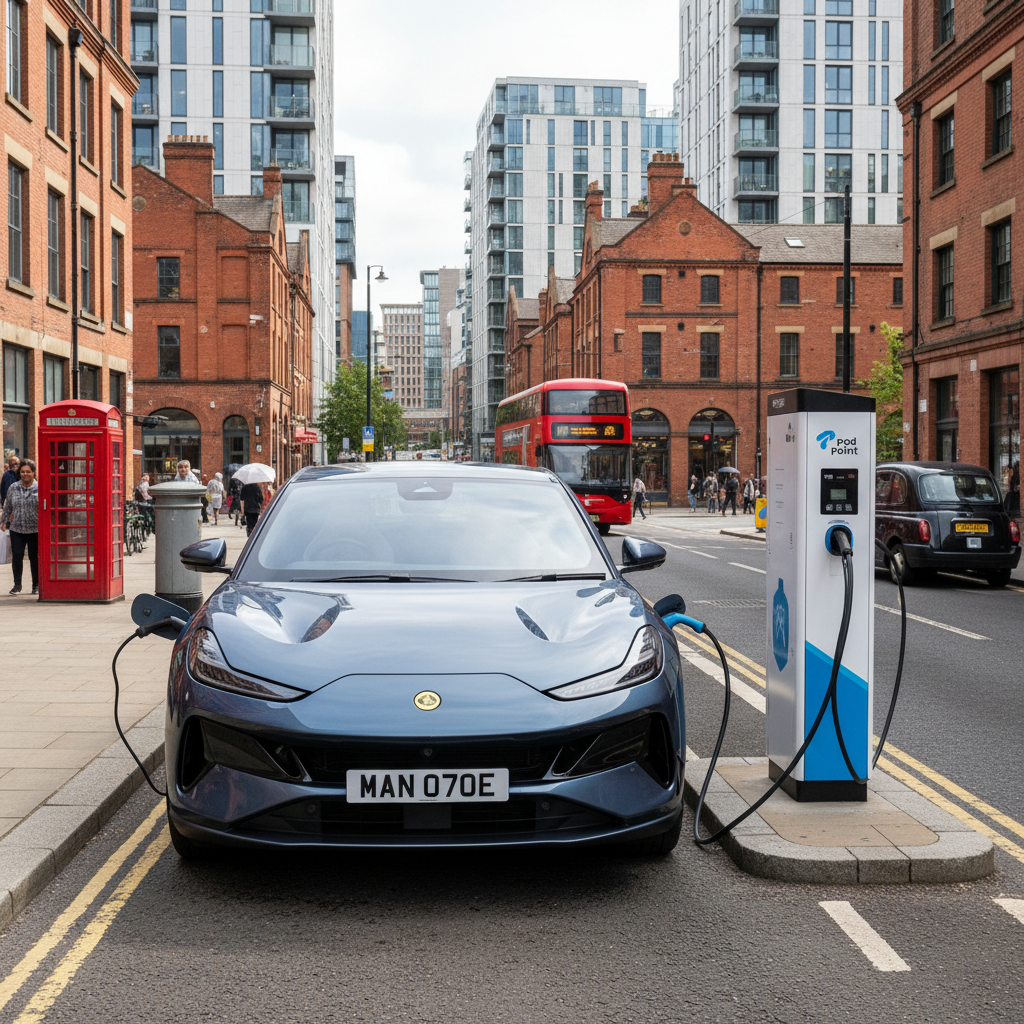
But the progress is undeniable. On the infrastructure front, the UK is making strides, albeit with some bumps in the road. While some reports indicated a slowdown in charger installations in 2025, partly due to grid connection delays, there's a strong push to overcome these hurdles. The UK government has relaxed some ZEV mandate rules and is investing in charging infrastructure. More importantly, private companies like InstaVolt are deploying battery energy storage systems (BESS) at charging sites. This innovative approach helps buffer the grid, manage peak demand, and ultimately, protect drivers from rising electricity costs – a smart, future-proof solution for sustainable motoring. You can learn more about how next-gen charging is redefining the EV experience.
By mid-2026, we're anticipating over 5,000 ultra-rapid chargers nationwide, with speeds reaching up to 500kW at select locations – adding 100 miles of range in under 3 minutes. That's a game-changer for practicality and range anxiety solutions!
Practicality and Policy: Addressing the Realities of EV Ownership
If you're considering making the switch, it's not just about the car itself, but the ecosystem around it. The rise of sophisticated AI assistants, like Rivian's new onboard AI, makes the driving experience more intuitive and connected. And for those who love a bit of performance without the V8 roar, the electric VW ID. Polo GTI for Europe shows that eco-friendly motoring can still be exhilarating, taking inspiration from the original Golf GTI. Even niche, highly efficient vehicles like Aptera, assembling its first validation models after years of development, hint at a diverse and innovative future. This demonstrates how performance EVs are navigating the UK's evolving green mobility landscape.
However, we must be realistic. The journey isn't entirely smooth. A bipartisan bill in Congress proposing a $130 annual EV registration fee highlights an ongoing debate about how EVs will contribute their 'fair share' to road maintenance. While the principle of road usage charges for all vehicles is understandable, implementing such fees fairly while still incentivising EV adoption is a delicate balance. It's a reminder that the shift to zero-emission transport involves policy and economic considerations as much as technological advancements. This is part of the road ahead, navigating the crossroads of EV innovation, infrastructure, and the cost of green driving.
Even as the world embraces electric, there's a fond farewell to the petrol legends. BMW's send-off for the 6th-gen M3 CS with a manual gearbox and rear-wheel drive is a poignant reminder of the motoring heritage we're leaving behind, even as we accelerate towards a cleaner, quieter future.
Key Takeaways for the Future Motoring Enthusiast:
- Production Prowess: Advanced manufacturing techniques like 'megacasting' are making EVs greener and more efficient to build.
- Infrastructure Innovations: Battery energy storage systems and ultra-rapid charging are boosting grid stability and reducing charging times significantly.
- Policy & Progress: While political discussions around EV road taxes continue, the overall trend points to a robust, growing EV ecosystem in the UK.
- Diverse Options: From performance EVs to innovative micro-mobility solutions and even three-wheeled breakthroughs, the EV market is expanding rapidly.
Ultimately, the story of electric vehicles in 2026 is one of relentless innovation, not just under the bonnet, but throughout the entire production and ownership experience. From the factory floor to the charging station, every aspect is being re-imagined for an eco-friendly future. The environmental impact of EVs extends far beyond their zero-emission tailpipes; it's embedded in their very creation and the infrastructure that supports them. And that, for me, is the real revolution.