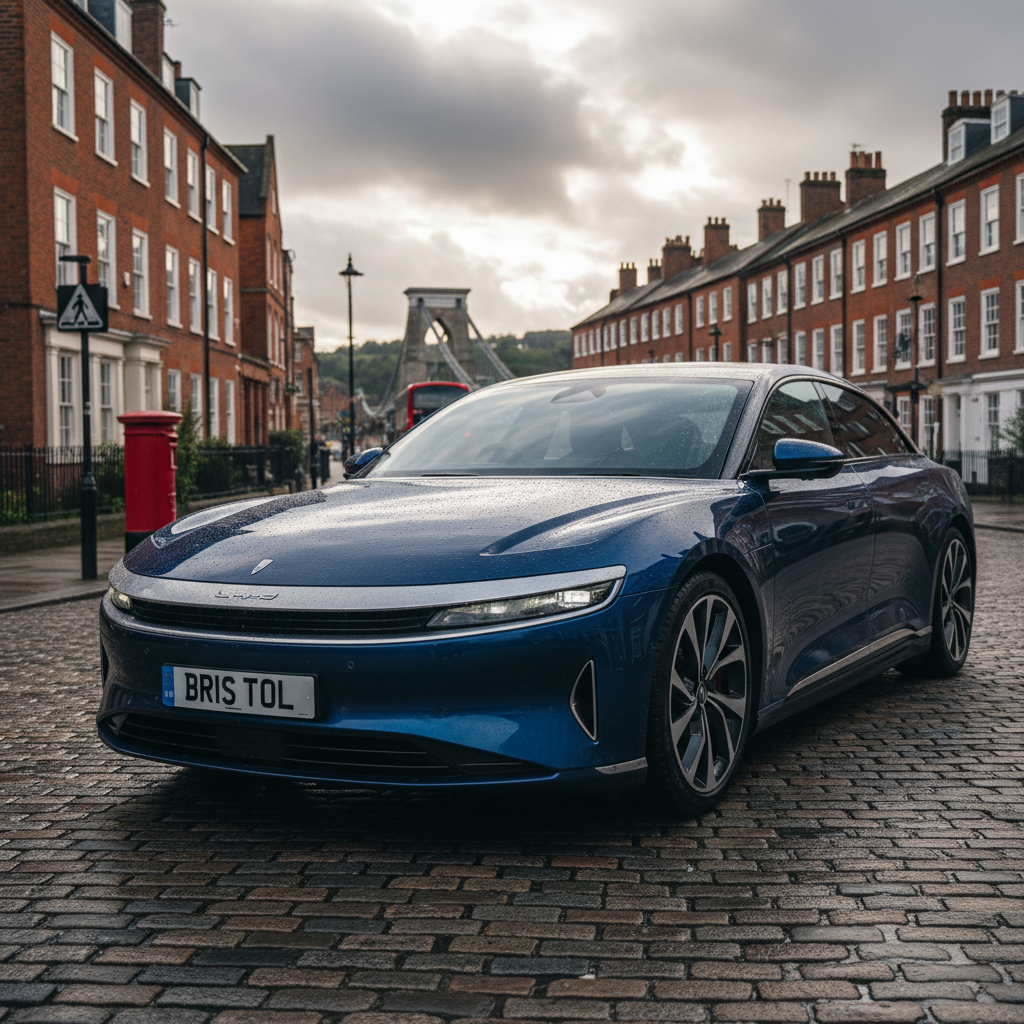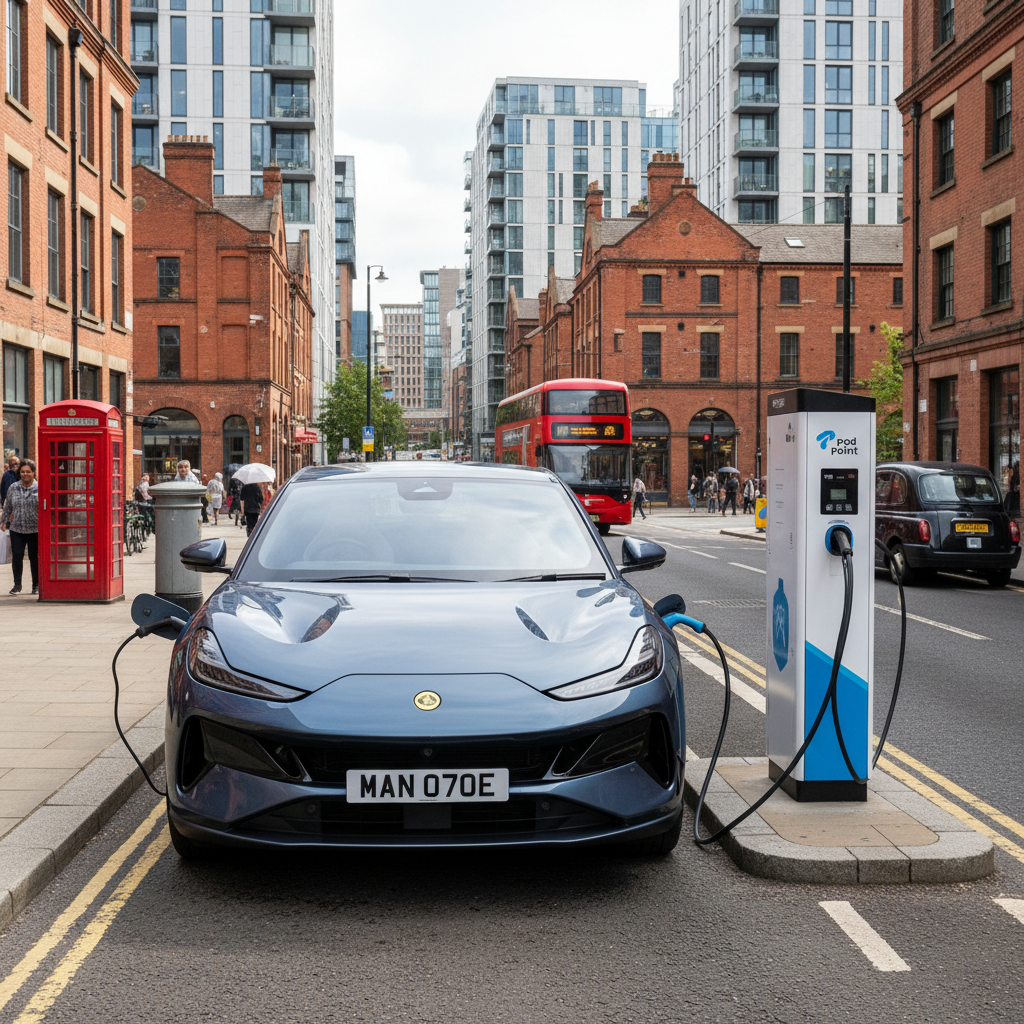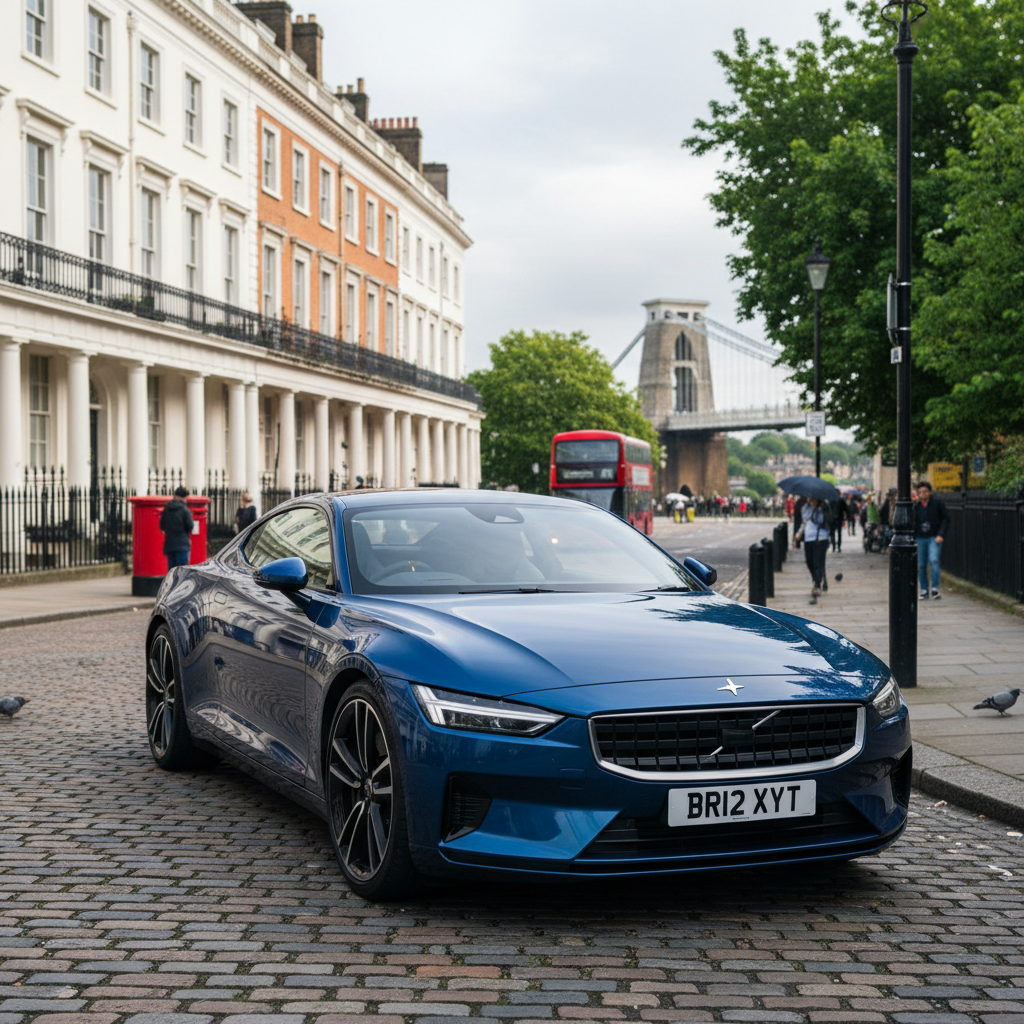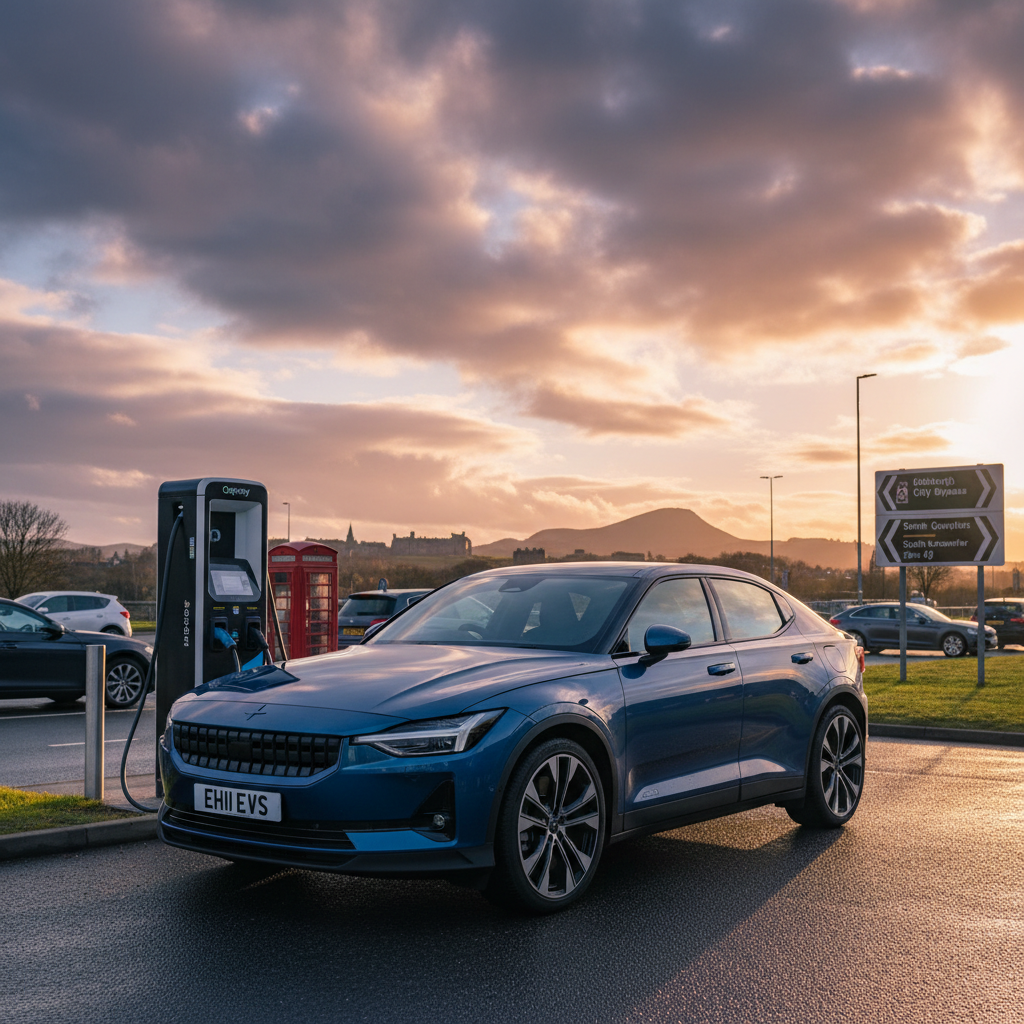


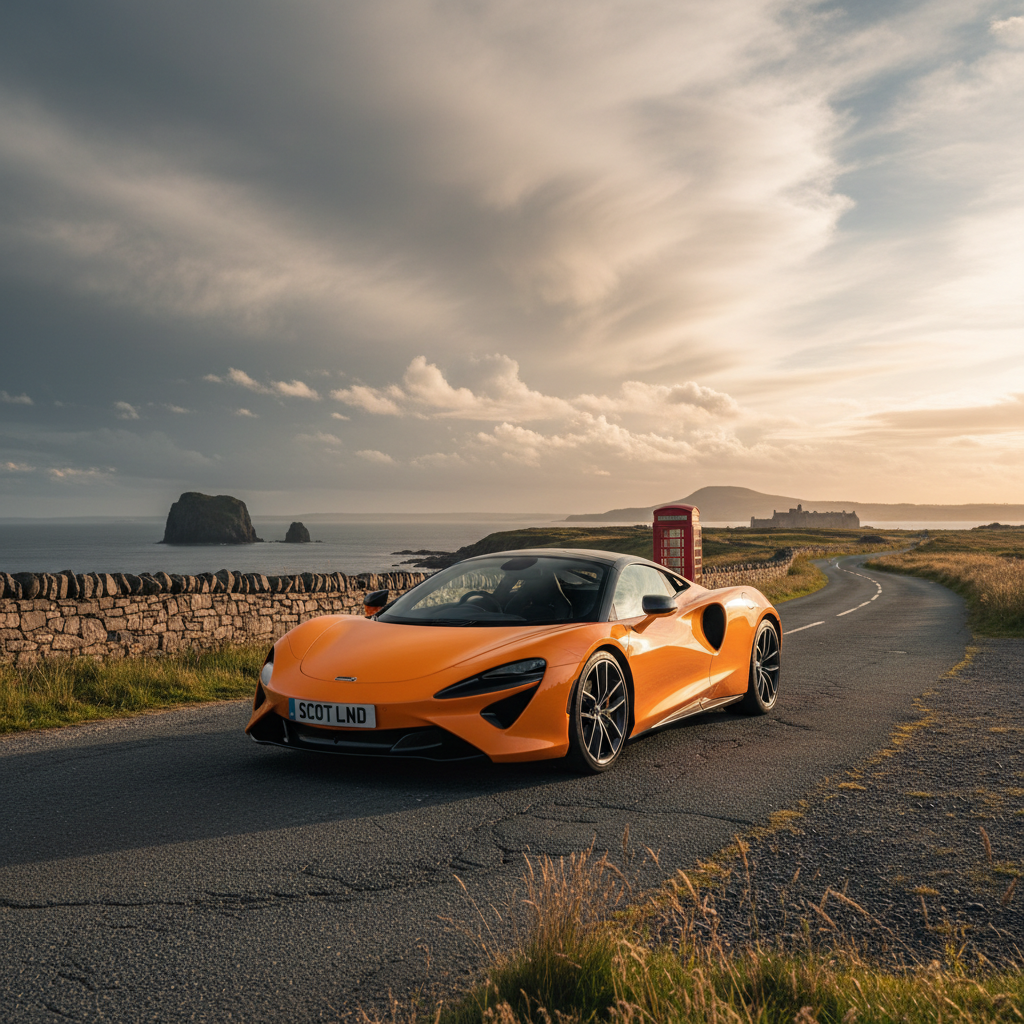
We're living through a truly transformative era in motoring. It's not just about what’s under the bonnet anymore; it's about the entire ecosystem – from blistering performance on the track to the quiet hum of an electric commuter bike. As an EV specialist, I'm constantly tracking these shifts, eagerly anticipating how innovation will reshape our commutes and leisure drives. And right now, the UK is a fascinating microcosm of this global green revolution.
The Thrill of Electric Performance: More Than Just Speed
Let's kick things off with a jolt. While some might think 'electric' means 'boring,' I'm here to tell you that couldn't be further from the truth. Just look at the news: Volkswagen is electrifying an icon with the ID. Polo GTI, drawing inspiration from the original Golf GTI of 1976. This isn't just a nod to nostalgia; it's a statement that performance and electric powertrains are a match made in motoring heaven. And for those who demand even more, Manthey, the Nordschleife specialist, has developed an upgrade package to make your Porsche Taycan even more potent on the track. This relentless pursuit of performance in electric vehicles, as seen with these top-tier offerings, inevitably trickles down, accelerating innovations in battery tech, motor efficiency, and thermal management that will benefit every EV driver. For more insights on how this high-performance tech influences everyday driving, explore how high-performance EV tech is fast-tracking our sustainable future.
The Infrastructure Conundrum: Powering Our Green Future
Of course, all this electric innovation needs robust support. The conversation around charging infrastructure in the UK is more critical than ever. According to Zapmap's latest report, in collaboration with the Green Finance Institute, charger utilisation data from Q1 2024 to Q4 2025 shows a stable growth. This is encouraging, but we still face hurdles. While ultra-rapid chargers are projected to exceed 5,000 nationwide by mid-2026, offering charging speeds up to 500kW at select spots – enough to add 100 miles of range in under 3 minutes – the geographical distribution needs work. As reported by The Guardian, delays in Local Electric Vehicle Infrastructure (LEVI) funding have slowed installations, though relief is expected by 2026 and 2027. InstaVolt's £2.5 million investment in battery energy storage systems (BESS) is a smart move, helping to stabilise the grid and future-proof charging sites against rising energy costs. This kind of forward-thinking investment in energy management systems is precisely what we need to build a truly resilient and sustainable charging network, addressing what Scientific Reports highlighted as the 'significant challenges for charging' due to rapid EV adoption. For a deeper dive into how we're electrifying performance and powering a sustainable UK grid, check out our related content.
Beyond the Car: The Micro-Mobility Revolution
But sustainable motoring isn't solely about four wheels. The shift towards greener transport encompasses a broader spectrum. For many, the 'perfect commuter bike' might be an electric one, like the Velotric Discover 3 with its customised mid-motor and Shimano's new Cues components. This highlights a crucial point: addressing congestion and emissions in urban areas isn't just about swapping petrol cars for electric ones; it's about embracing a multi-modal approach. If you're considering making the switch to more eco-friendly transport, thinking about how an e-bike could complement an EV for shorter trips or daily commutes offers a truly sustainable solution, reducing your overall carbon footprint and potentially saving you a packet on running costs. Find out more about how smart tech is redefining urban mobility beyond the car.
Realism Meets Innovation: The Road Ahead
The journey isn't without its bumps. Honda, for example, is absorbing a significant EV loss but is smartly pivoting by showcasing new hybrids for America. This reminds us that the transition to pure electric isn't a straight line for every manufacturer, and hybrid technology still plays a vital role as a bridge to a fully zero-emission future. Then there's Aptera, the three-wheel, two-seat EV, which has been in development since 2006 and is now assembling its first validation models. While some might dub it 'vaporware,' its unique, highly aerodynamic design pushing for extreme efficiency is a reminder that innovation often comes in unexpected packages. The integration of advancements like onboard AI assistants, as seen with Rivian's new software update, demonstrates how AI is driving the future of EV infrastructure and performance.
Meanwhile, established players are expanding their EV offerings, with Rivian teasing new R2 variants beyond the SUV, potentially an R2 pickup or an R2X, and adding an onboard AI assistant to its latest software update, enhancing the user experience and making EV ownership ever more intuitive. Even Audi is getting in on the electrification trend with its new Q9 SUV, designed with American tastes – and likely American roads – in mind, showing that even the largest vehicles are embracing electrification.
Key Takeaways for the UK EV Driver:
- Performance EVs are here to stay: Expect thrilling drives and cutting-edge tech to benefit mainstream models.
- Charging infrastructure is growing, but strategically: Investment in battery storage and better distribution will alleviate range anxiety.
- Hybrid technology remains crucial: A pragmatic interim step for many manufacturers and buyers.
- Micro-mobility offers true sustainability: Consider e-bikes as part of your green transport solution.
- Innovation is diverse: From established brands to niche players, the future of mobility is rich with choice.
The UK's motoring landscape is evolving at a breakneck pace. From the high-octane excitement of pure electric performance vehicles to the pragmatic rise of advanced hybrids and the quiet efficiency of e-bikes, the options for sustainable motoring are diversifying rapidly. The challenges in charging infrastructure are real, but the solutions – from smart funding to innovative energy storage – are being deployed. For potential EV buyers, the future is bright with more choice, better technology, and an increasingly robust support network. The transition to a green, connected, and ultimately more enjoyable motoring experience is well underway.