

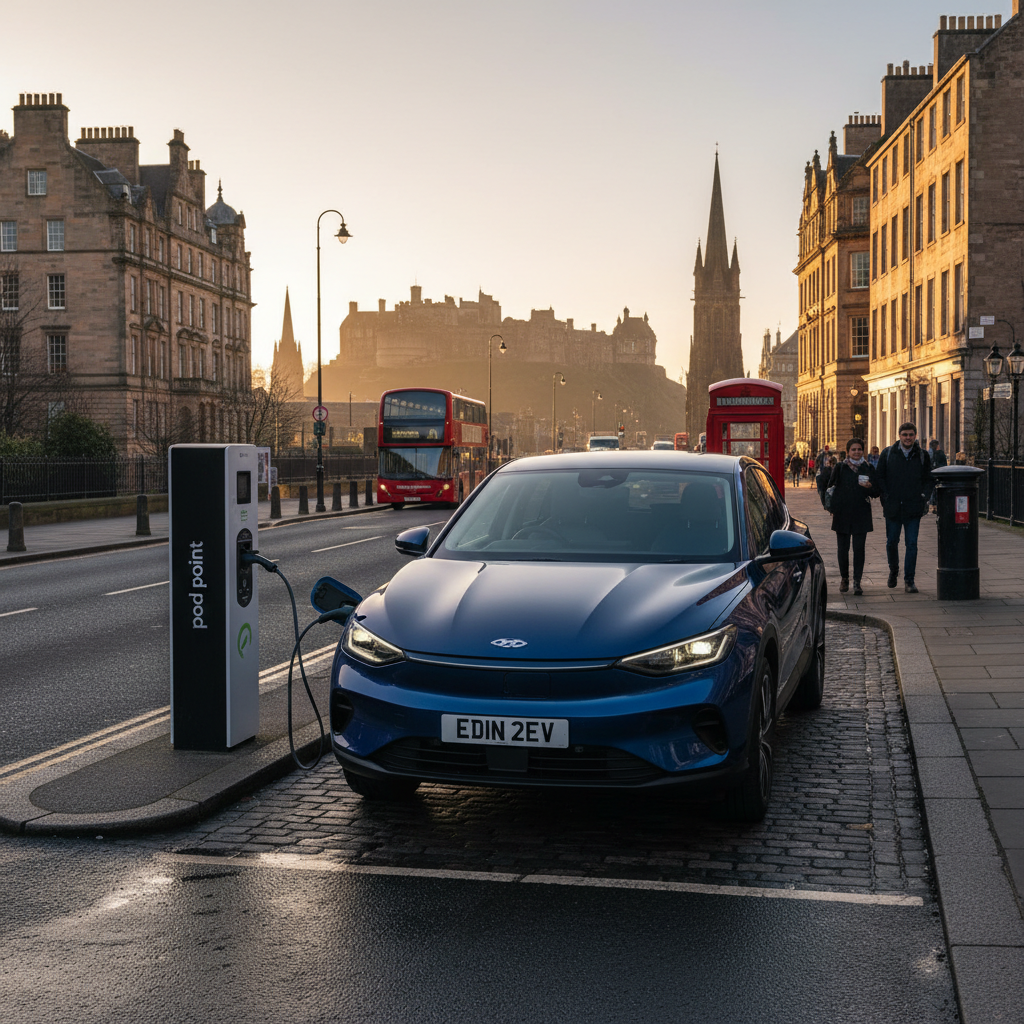
We've talked a lot about electric cars, haven't we? The range, the charging, the performance. But what if I told you the real revolution isn't just in swapping petrol for electrons, but in how intelligently we manage that switch? We're on the cusp of an era where sustainable motoring isn't just about the car you drive, but the seamless, smart ecosystem it inhabits. It’s a compelling blend of cutting-edge AI and strategic infrastructure, all designed to make our roads greener and our lives easier.
The AI Assistant: Your Smart Co-pilot for a Greener Drive
Imagine your vehicle not just getting you from A to B, but actively assisting in optimising your journey and energy consumption. Rivian, for example, is rolling out a new onboard AI assistant. This isn't just about voice commands; it's about a sophisticated system that learns your habits, predicts needs, and, crucially, can help you drive more efficiently. Think about it: an AI that recommends the most energy-efficient route, or suggests optimal charging times based on grid demand and pricing. This kind of integration, turning raw data into actionable insights, is what makes EVs truly future-proof. This transformation points to an AI-powered EV ecosystem transforming UK roads.
It's a stark contrast to the old guard, where even a new, large SUV like Audi's Q9, designed with American tastes in mind, focuses on traditional metrics of space and comfort. While commendable, the real evolution lies in integrating intelligence that benefits both the driver and the planet. This brings me to another exciting development: the potential for AI to influence vehicle design from the ground up, as seen with Ford's skunkworks approach to a £30,000 electric pickup, where innovative thinking is paramount to delivering affordable, practical EVs.
Smart Infrastructure: Powering Your Progress (and the Grid)
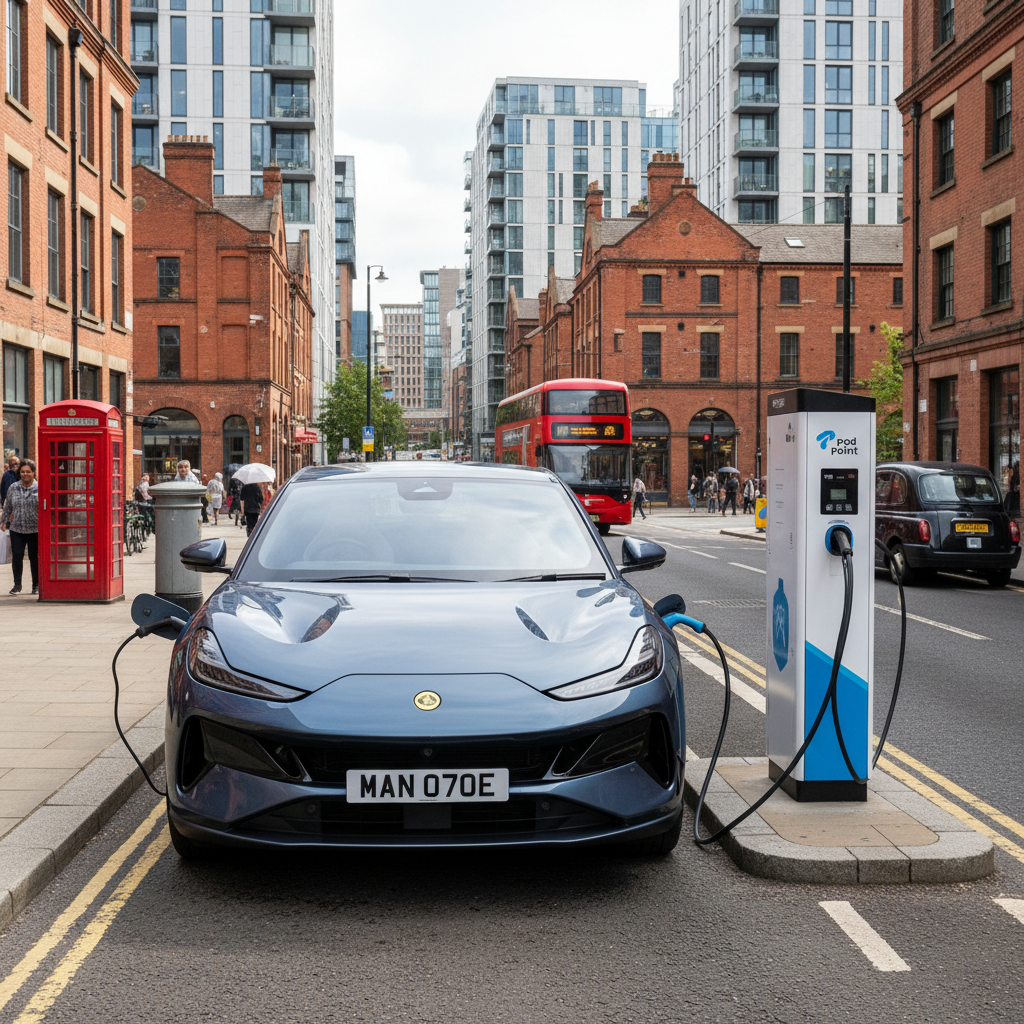
One of the biggest hurdles for widespread EV adoption has historically been charging infrastructure. Range anxiety is a real concern for many prospective buyers. However, the UK is making significant strides. We're seeing government moves to relax ZEV mandate rules and Zapmap data showing stable charger utilisation, which tells us that growth is happening, and it's being used.
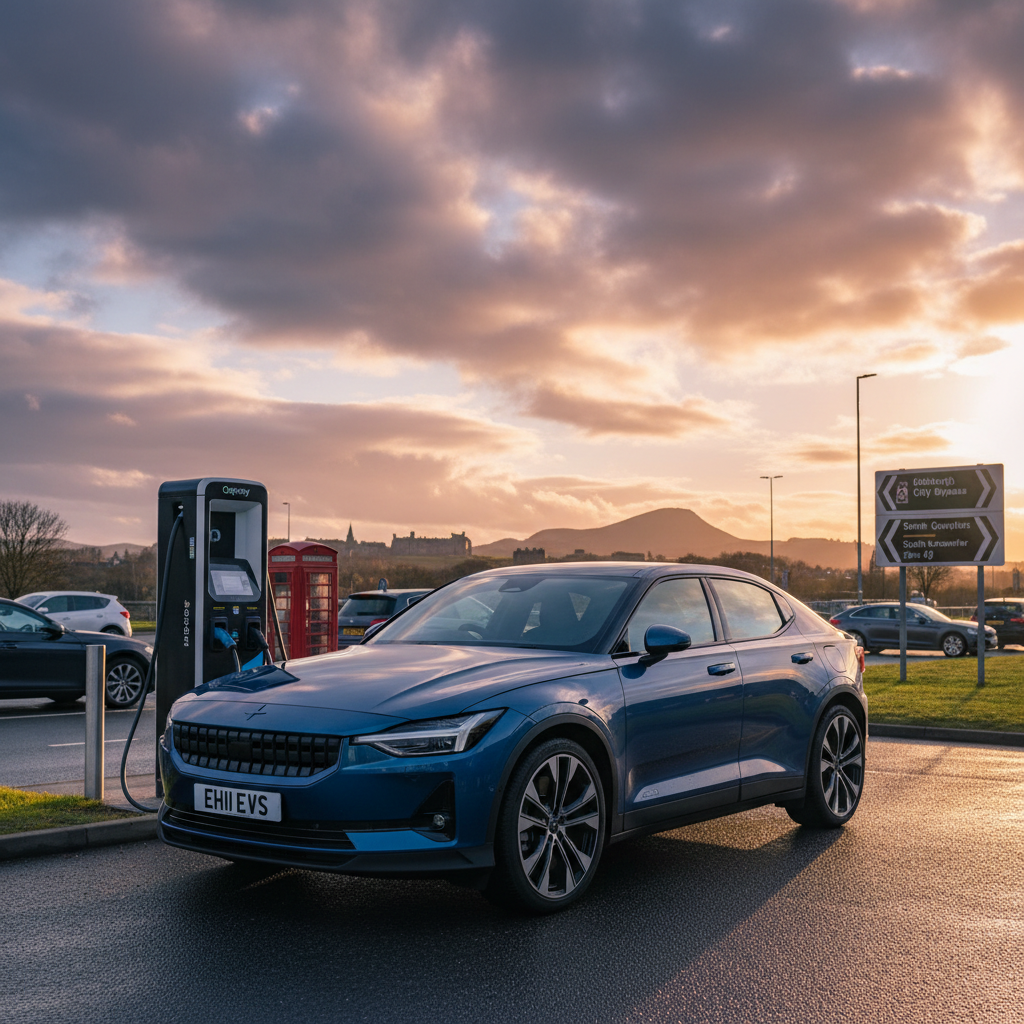
But it's not just about more chargers; it's about smarter chargers. A recent study in Nature's Scientific Reports highlighted the importance of predictive modelling and clustering for optimal charging infrastructure in regions like the West Midlands and North East UK. This scientific approach helps us place chargers where they're most needed and used, ensuring efficiency and reducing strain on the grid. InstaVolt's investment in battery energy storage systems (BESS) sites is another prime example. These BESS units help buffer the grid, allowing for rapid charging without massive infrastructure upgrades, and protecting consumers from fluctuating energy prices. It's a win-win for sustainability and your wallet. This aligns with the broader goal of powering a sustainable UK grid.
By mid-2026, we're expecting over 5,000 ultra-rapid chargers nationwide, with speeds up to 500kW at select locations – that's 100 miles of range in under 3 minutes! This, alongside innovations like smart charging systems, V2G (Vehicle-to-Grid) solutions, and private wire networks, is enhancing grid efficiency and reliability, as highlighted by a market analysis from NextMSC. If you're considering making the switch, remember that the average EV in 2025 achieves around 300 miles on WLTP tests, so the combination of better range and faster, smarter charging is significantly reducing practical limitations. Indeed, unlocking EV's full potential requires this intelligent infrastructure and design.
Performance Meets Practicality, Sustainably
And let's not forget the thrill of driving. Even in the world of high-performance EVs, sustainability is creeping in. While Formula 1 is debating engine tweaks and the return of V8s, the electric performance scene is pushing boundaries with upgrades like the Manthey Kit for the Porsche Taycan. This shows that the pursuit of ultimate driving performance can coexist with electric power – and often, thrive because of it. Instant torque and unrivalled efficiency are inherent advantages of EV motors.
For everyday drivers, this translates into more responsive, enjoyable vehicles that also happen to be zero-emission. Manufacturers like Rivian are already teasing new R2 variants, showing how electric platforms are incredibly versatile, ready to meet diverse consumer needs, from robust pickups to adventure-ready R2Xs.
Key Takeaways:
- AI for Efficiency: Onboard AI assistants are evolving beyond voice control, offering intelligent route planning and energy optimisation to make driving greener.
- Smart Charging Expansion: The UK is seeing strategic growth in charging infrastructure, driven by predictive modelling, battery storage solutions, and ultra-rapid chargers.
- Grid Resiliency: Technologies like BESS and V2G are strengthening the national grid, making EV charging more efficient and reliable.
- Performance & Practicality: Electric vehicles continue to push performance boundaries while expanding into practical, affordable segments like electric pickups.
- Holistic Sustainability: The future of sustainable motoring is a blend of intelligent vehicles and smart infrastructure, reducing environmental impact and improving user experience.
The Verdict: An Intelligent, Eco-Friendly Future
The journey to truly sustainable motoring is a marathon, not a sprint. But with every new AI assistant, every strategically placed smart charger, and every new, versatile electric platform, we're taking significant strides. It’s no longer just about the individual car; it’s about a connected, intelligent ecosystem that supports a cleaner, more efficient way to travel. The fusion of advanced vehicle tech with a robust, smart charging network is making the eco-friendly choice the effortlessly practical and enjoyable one. The future of motoring is not just electric, it's intelligent, interconnected, and undeniably green.