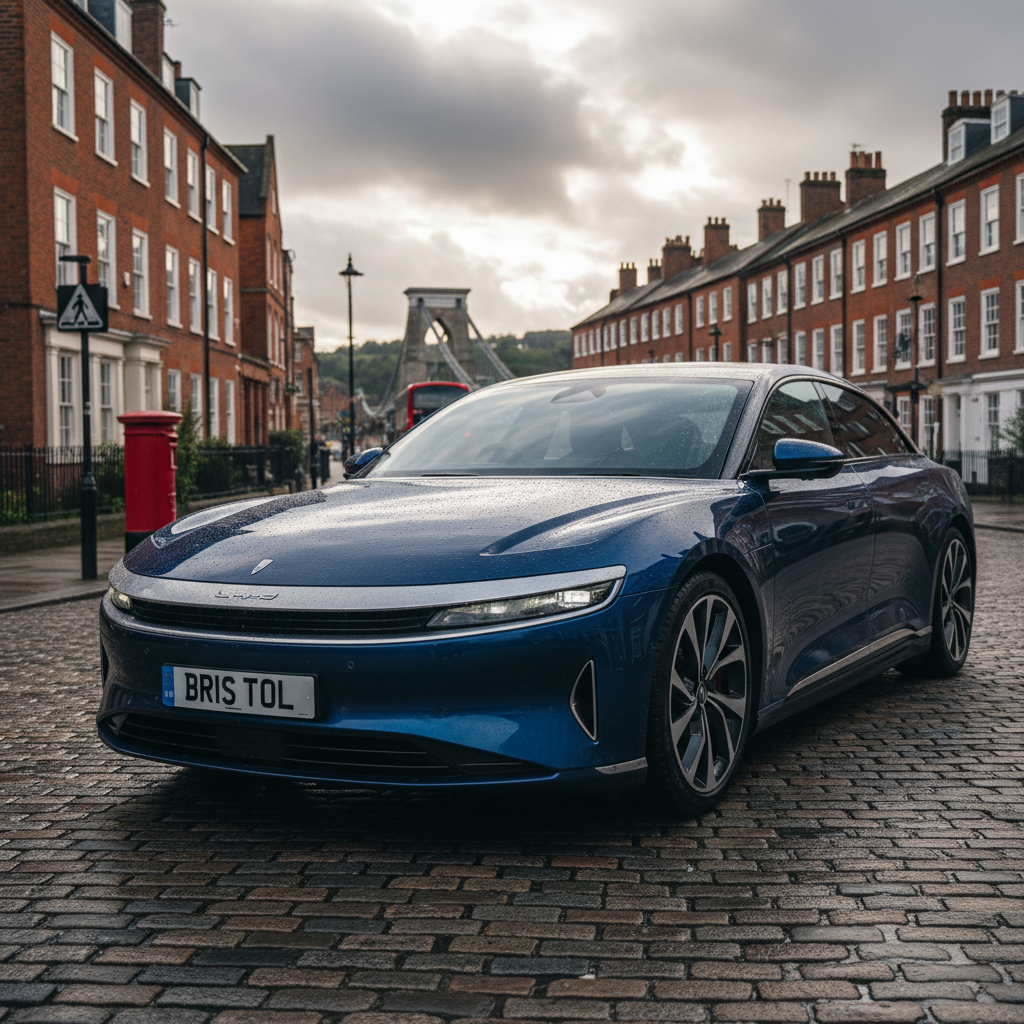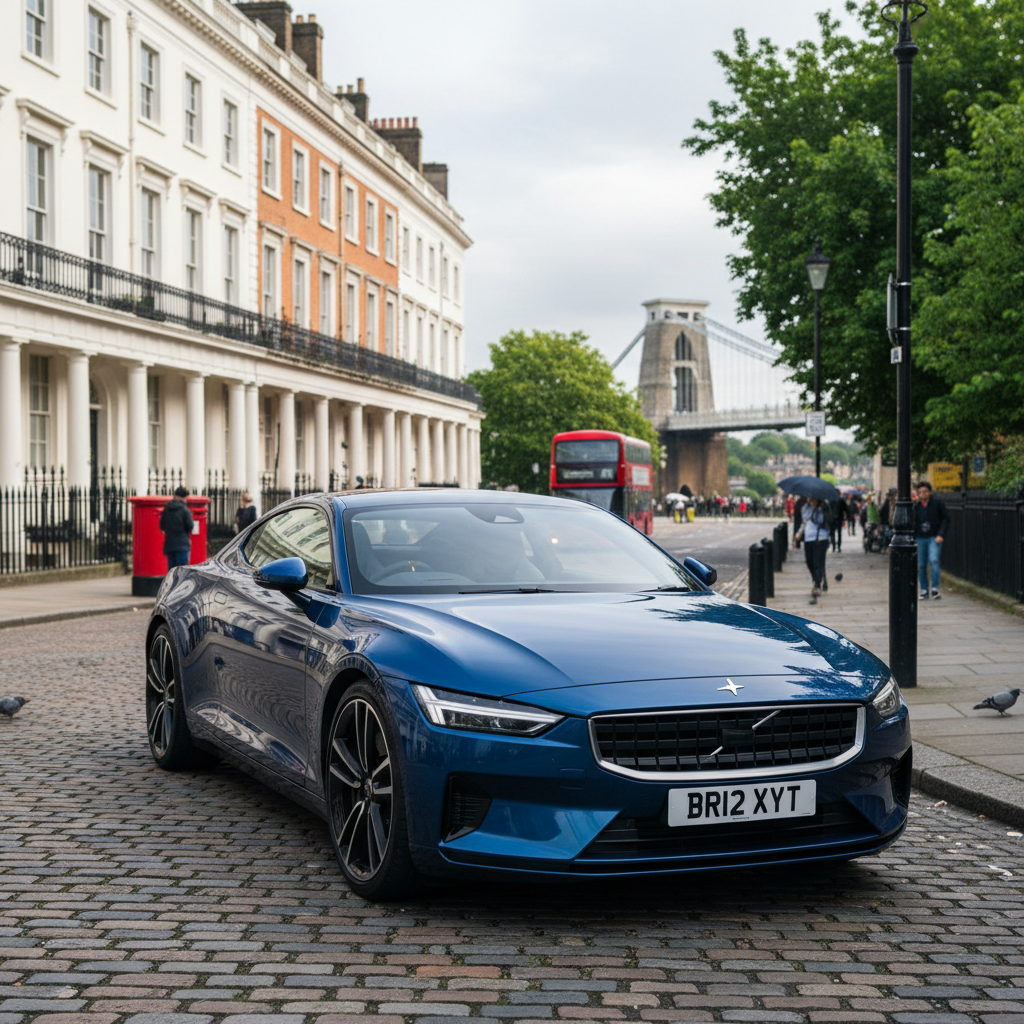


The hum of an electric motor isn't just about quiet efficiency anymore; it's the soundtrack to a revolution in both performance and power management. As an EV specialist, I'm always looking at how cutting-edge technology will translate into real-world benefits for drivers and the planet. And lately, the pace of innovation is simply thrilling, showing us a future where our cars are not just vehicles, but integral parts of a sustainable energy ecosystem.
Electrifying Performance: Beyond the Nürburgring
Let's talk about performance for a moment, because it's no longer just the domain of roaring V8s, though F1 is considering engine tweaks for 2027 that might bring back some V8 flavour, as Arstechnica.com reported. Today, electric vehicles are redefining what it means to be fast and agile. Just look at the Porsche Taycan. It's already a phenomenal machine, but for those who demand the absolute pinnacle of electric performance, Manthey has developed an upgrade package to make it even quicker at the Nürburgring, as highlighted by Arstechnica.com. This isn't just about bragging rights; it demonstrates the incredible potential for electric powertrains to be tuned and refined for extreme driving conditions.
This pursuit of performance isn't limited to sports cars. We're also seeing an exciting expansion in the utility space. Rivian, for instance, is reportedly working on more R2 variants, including a potential R2 pickup and an R2X, according to Arstechnica.com. And Ford's 'skunkworks' is innovating to bring a “$30,000 electric pickup” to market, as detailed by Arstechnica.com. These developments are crucial because they broaden the appeal of EVs, showing that zero-emission motoring can meet a diverse range of needs, from high-performance thrills to robust utility. You can read more about how high-performance EV tech is fast-tracking our sustainable future and how performance tech is supercharging everyday EVs.
Powering the Future: The Smart Grid and EV Adoption
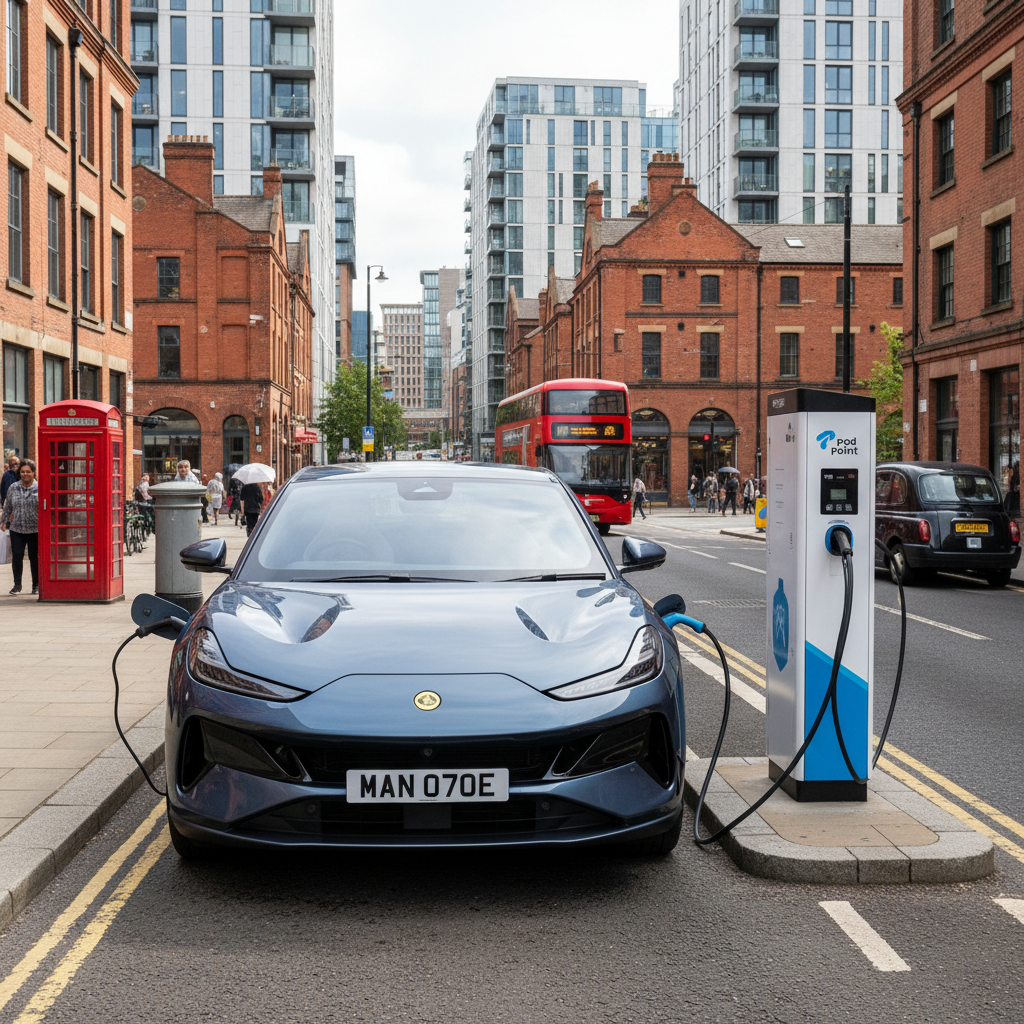
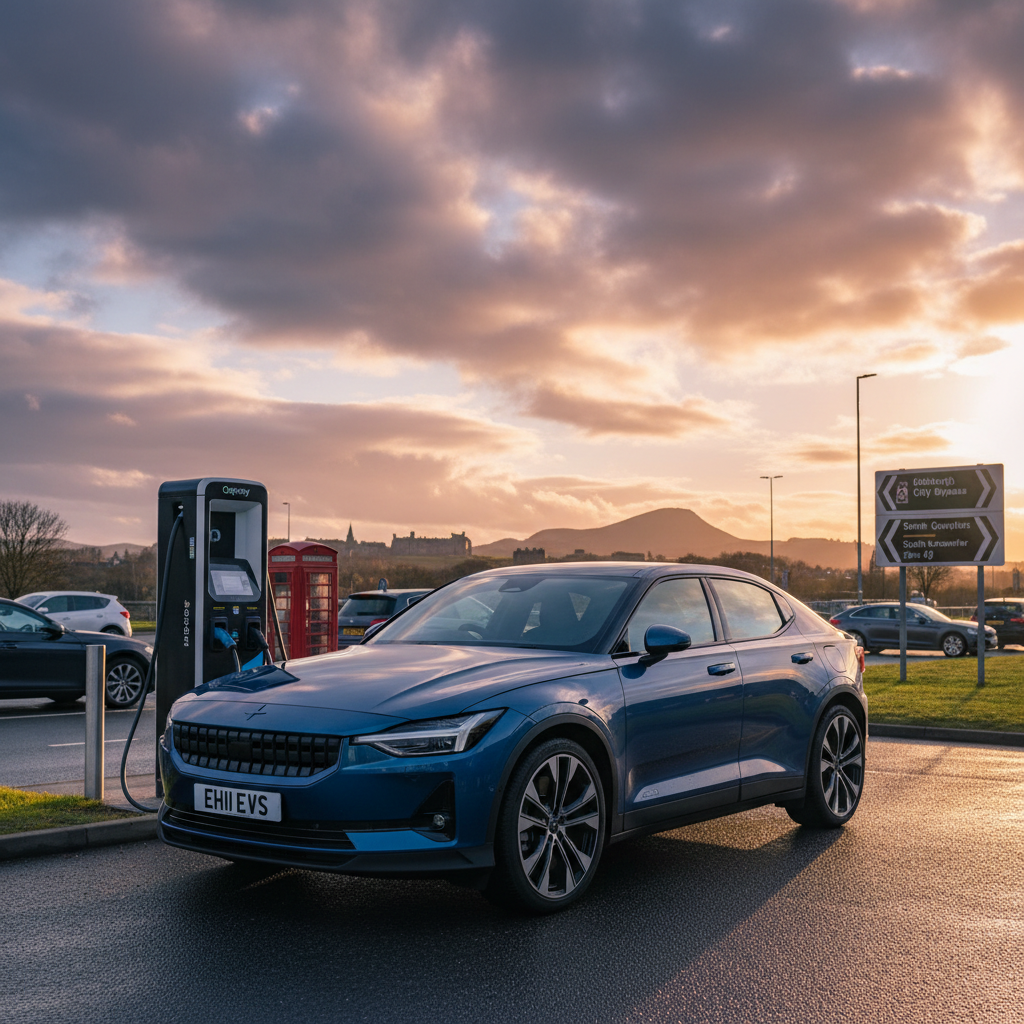
But what good is a high-performance EV if you can't reliably charge it? This is where the real green revolution is taking hold: in our charging infrastructure and how we manage energy. The rapid growth of EV adoption presents significant challenges for charging, as a study in Nature.com pointed out, specifically examining sustainable EV adoption with clustering and predictive modelling for optimal charging infrastructure in the West Midlands and North East UK. It's not just about more chargers; it's about smarter chargers.
The UK is making strides, albeit with some bumps in the road. While the House of Commons Library noted that the government eased some ZEV mandate rules in April 2025, the focus on infrastructure remains paramount. GB News reported on InstaVolt's significant £2.5 million investment into five new battery energy storage systems (BESS) sites, with 20 more planned by year-end. These BESS sites are game-changers, helping to stabilise the grid and potentially reduce charging costs for drivers – a fantastic real-world benefit.
We're also seeing the average EV in 2025 achieving around 300 miles on official WLTP tests, with battery ranges for new models reaching almost 300 miles, as highlighted by Imperial College London. This extended range is a key factor in alleviating 'range anxiety' for many potential buyers. Looking ahead to mid-2026, The Electric Car Scheme predicts over 5,000 ultra-rapid chargers nationwide, with speeds up to 500kW at select locations, capable of adding 100 miles of range in under 3 minutes. That's a significant boost in convenience!
However, the journey isn't without its hurdles. EV Infrastructure News attributed some of the installation slowdown in 2025 to grid connection delays, an issue the Department for Transport and Office for Zero Emission Vehicles are addressing with funding. The Guardian also noted a slowdown in UK electric car charger rollout, particularly for local infrastructure, though rapid chargers on motorways are well-developed for the next six years. This underscores the need for strategic planning and investment, especially in rural charging, to ensure equitable access across the UK.
The Intelligent Grid: Beyond Charging
The really exciting part is how EVs are becoming part of a larger, intelligent energy ecosystem. Nextmsc.com detailed how emerging technologies like smart charging systems, ultra-fast chargers, and Vehicle-to-Grid (V2G) solutions are enhancing grid efficiency and reliability. Imagine your EV not just consuming power but also giving it back to your home or the grid during peak demand, saving you money and supporting renewable energy. This V2G capability is a truly eco-friendly innovation that future-proofs our energy infrastructure. Discover more about smarter grids and the everyday EV revolution.
If you're considering making the switch to an EV, understanding these developments is crucial. It's not just about choosing a car; it's about joining a movement towards a more sustainable and efficient motoring future. While challenges remain, the innovation in battery tech, charging infrastructure, and the sheer performance of modern EVs make the proposition incredibly compelling.
Key Takeaways for Future Motoring:
- Performance Electrified: EVs are pushing the boundaries of performance, with upgrades and new variants expanding their appeal across segments.
- Smart Charging is Key: Investment in battery energy storage systems and ultra-rapid chargers is tackling infrastructure challenges and reducing costs.
- Range Anxiety Dwindling: Improved battery tech means most new EVs offer significant range, making longer journeys viable.
- EVs as Grid Assets: Vehicle-to-Grid (V2G) technology is transforming EVs into active participants in a sustainable energy network.
- UK Progress, but Gaps Remain: While overall charging infrastructure is growing, strategic investment is needed for equitable and widespread coverage, especially in rural areas.
Conclusion: A Future of Integrated Mobility
The journey towards fully sustainable motoring is dynamic, marked by constant innovation. From the exhilarating performance of an upgraded Porsche Taycan to Ford's ambitious plan for an affordable electric pickup, the automotive industry is clearly embracing an electric future. But the real unsung heroes are the advancements in charging infrastructure and smart grid technologies. These are the elements that will truly underpin widespread EV adoption, making zero-emission driving not just a technological marvel, but a practical, cost-saving, and eco-friendly reality for every driver across the UK. The future of mobility is integrated, intelligent, and undeniably electric. Explore more about unlocking EV's full potential through intelligent infrastructure & design.