

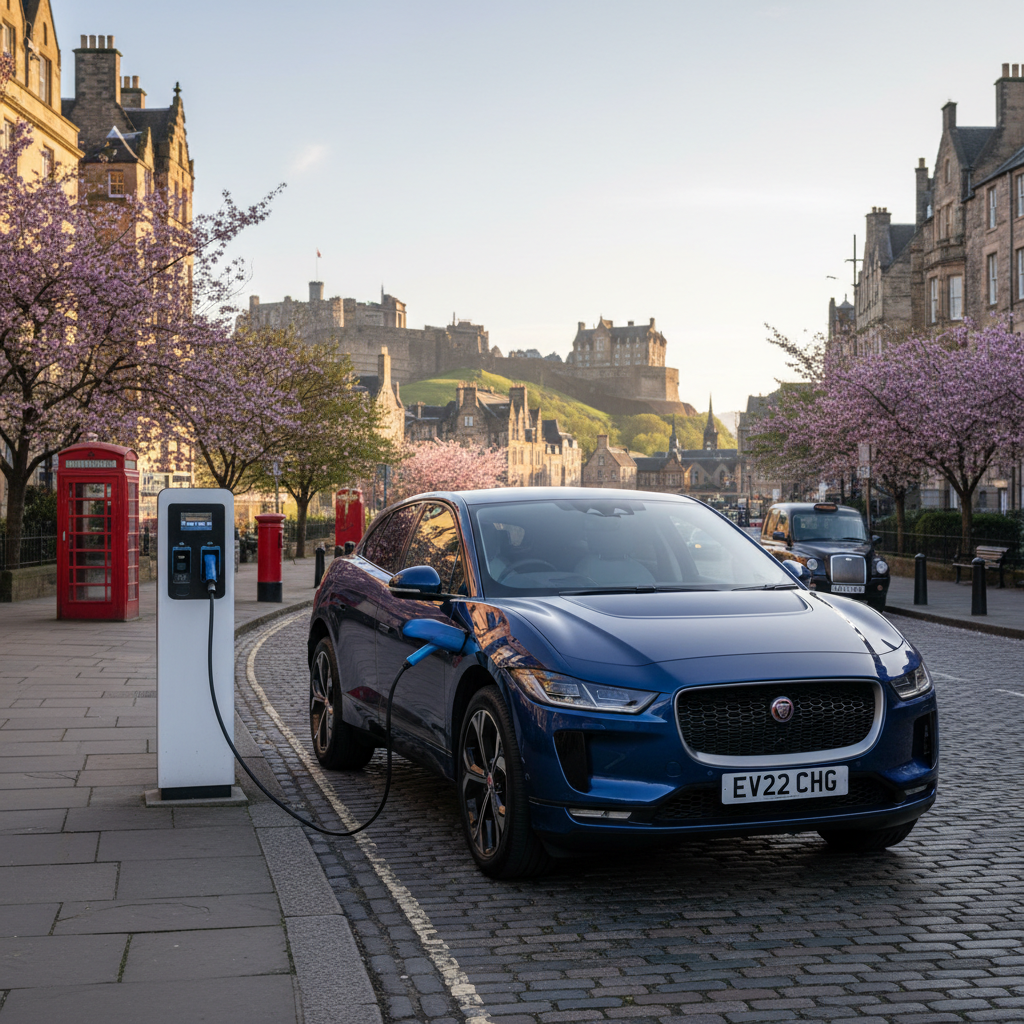
Greetings, fellow motoring enthusiasts and champions of a greener tomorrow! Tom Chen here, diving deep into the electrifying shifts transforming our roadways. Forget the tired old debates; today, we're talking about the silent revolution brewing beneath the surface of our electric vehicle ecosystem – a revolution powered by smart technology and an unwavering commitment to sustainability.
The Smart Grid Revolution: Powering Up Efficiency
For too long, the narrative around EV charging infrastructure has been dominated by concerns about capacity and grid strain. But what if the grid itself could get smarter, more resilient, and ultimately, more cost-effective for drivers? That future is already here, thanks to innovations like Battery Energy Storage Systems (BESS).
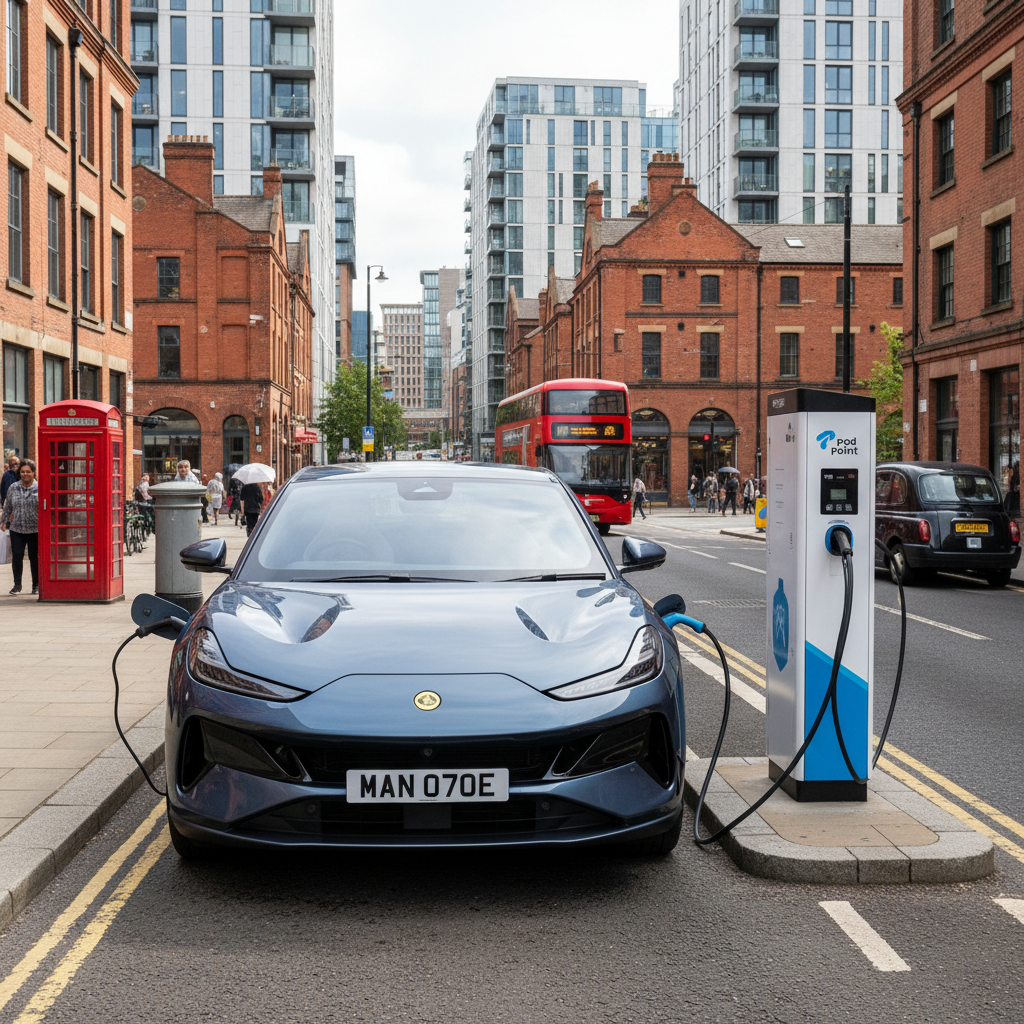
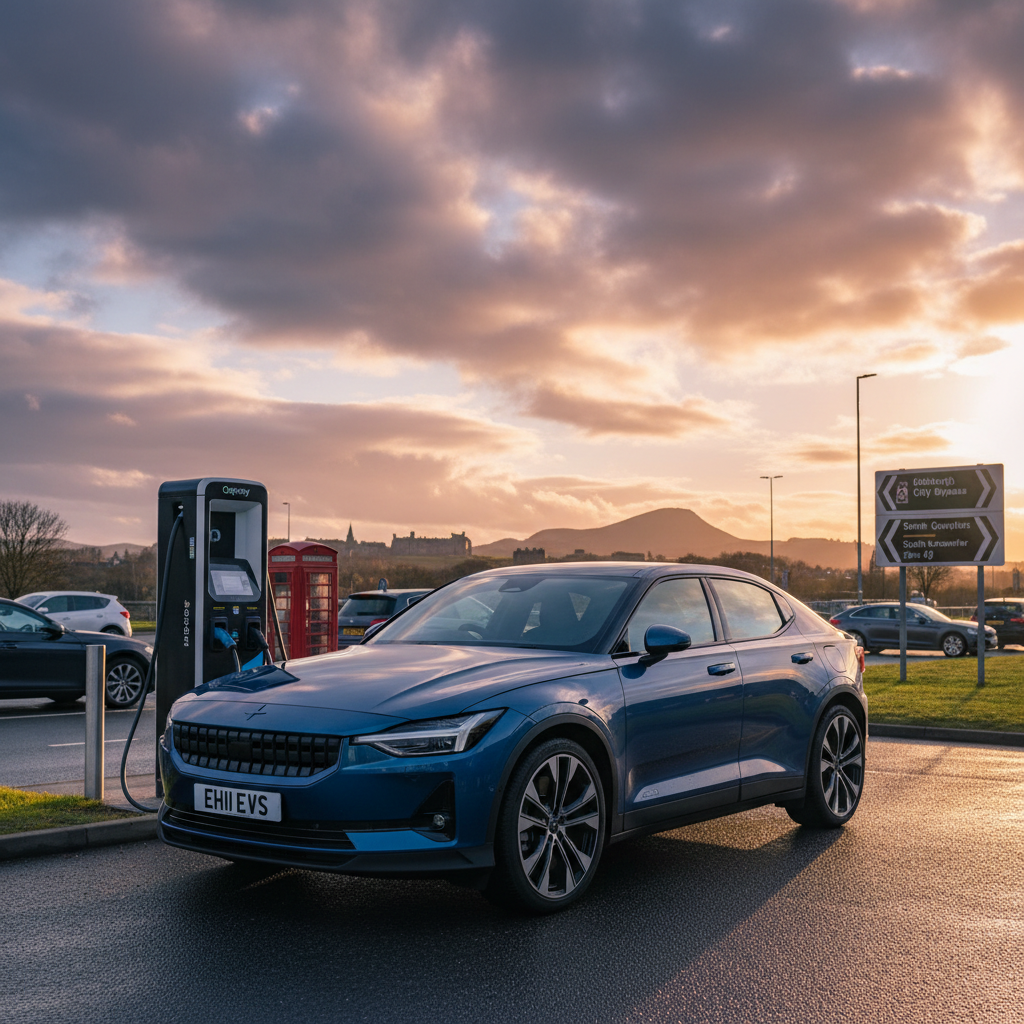
InstaVolt, for example, is spearheading a significant investment in these BESS sites across the UK. This isn't just about adding more chargers; it's about building a robust, 'future-proof' network. These clever systems act like giant power banks, storing electricity when it's cheap and readily available, then deploying it to chargers during peak demand. The immediate benefit? According to GB News, these savings are being passed directly to drivers. Imagine a world where your charging costs are buffered from grid fluctuations – that's the kind of practical, user-centric innovation I get truly excited about.
This strategic roll-out addresses a crucial concern: grid connection delays, which Shufflebotham notes have slowed installation in 2025. By integrating BESS, charging providers can bypass some of these bottlenecks, ensuring a more consistent and reliable charging experience. It's an elegant solution that transforms potential grid weaknesses into strengths, aligning perfectly with the goal of a sustainable energy infrastructure.
Beyond the Battery: Smarter Cars and Smarter Habits
While infrastructure evolves, so too do the vehicles themselves. We're seeing incredibly efficient machines hitting the market, like the all-electric Mercedes-AMG GT 4-Door, which boasts not just blistering 0-60 times but also impressive miles/kWh figures, as reported by Ars Technica. This focus on efficiency means drivers are getting more range from every kilowatt-hour they consume, further easing pressure on the charging network.
And let's not overlook the unsung heroes of the transition: Plug-in Hybrid Electric Vehicles (PHEVs). For a long time, there was skepticism about how often PHEV owners actually plugged in their cars. However, recent data from manufacturers like Toyota, highlighted by Ars Technica, is encouraging. It suggests that PHEV drivers are utilising the electric range more frequently than previously thought, demonstrating a strong commitment to zero-emission driving for everyday commutes. This 'plug-in' paradox, as I've called it before, shows that PHEVs are playing a vital role in decarbonising transport, offering a bridge for those not quite ready for a full EV conversion.
If you're considering making the switch, or upgrading your current EV, these advancements are incredibly significant. The average EV in 2025 is achieving around 300 miles on a single charge (Zest UK & Imperial College London), effectively eliminating range anxiety for most journeys. And with ultra-rapid chargers capable of adding 100 miles in under 3 minutes, as predicted by Electric Car Scheme for mid-2026, inconvenient stops are fast becoming a thing of the past.
Navigating the Road Ahead: Challenges and Opportunities
Of course, no transition is without its bumps. Legislation, such as the proposed $130 annual EV registration fee in a bipartisan US bill, aims to ensure EVs contribute their 'fair share' to road maintenance. While this is a US example, it highlights a global discussion about how to equitably fund infrastructure as traditional fuel taxes decline. Here in the UK, the government relaxed some ZEV mandate rules in April 2025, showing a willingness to adapt policy as the market matures (House of Commons Library).
The overall picture, however, is overwhelmingly positive. We're witnessing an unprecedented wave of innovation, from the 'moose-proof' tech and efficient 'megacasting' production of the Volvo EX60 (Ars Technica) to clever active beam headlights like those on the 2027 Audi Q9, which improve safety by minimising glare (Ars Technica). Even the beloved hot hatch is going electric, with VW showing off an electric Polo GTI for Europe (Ars Technica), ensuring that the thrill of driving isn't lost in the eco-friendly transition.
This evolving landscape, focusing on both policy and technological advancements, paints a picture of a dynamic future. To further understand the broader implications for drivers and the grid, exploring topics like next-gen charging redefining the EV experience is crucial. For those interested in the wider economic and infrastructure discussions, reflecting on the cost of green driving and infrastructure challenges offers deeper insights. Furthermore, the role of intelligent systems in managing this transition is becoming paramount, underscoring how smart tech is paving the way for a truly sustainable driving future.
Key Takeaways for the Future of Motoring:
- Smarter Charging Infrastructure: BESS systems are making EV charging more reliable, stable, and cost-effective for drivers.
- Increased Efficiency & Range: Modern EVs offer impressive ranges and greater energy efficiency, reducing the frequency of charging.
- PHEVs' Critical Role: Plug-in hybrids are consistently being plugged in, validating their role as a crucial stepping stone to full electrification.
- Technological Leapfrogging: From advanced manufacturing to intelligent lighting, automotive technology is making EVs safer and more sophisticated.
- Policy Evolution: Governments are adapting regulations to support EV adoption while addressing new challenges like road funding.
The journey towards full electric mobility is a dynamic one, filled with cutting-edge developments that are addressing previous limitations head-on. The synergy between intelligent charging networks and progressively smarter vehicles is not just an incremental improvement; it's a fundamental shift, making electric driving more practical, more sustainable, and ultimately, more appealing than ever before. The future of motoring is not just electric; it's intelligently electric, and it's here.