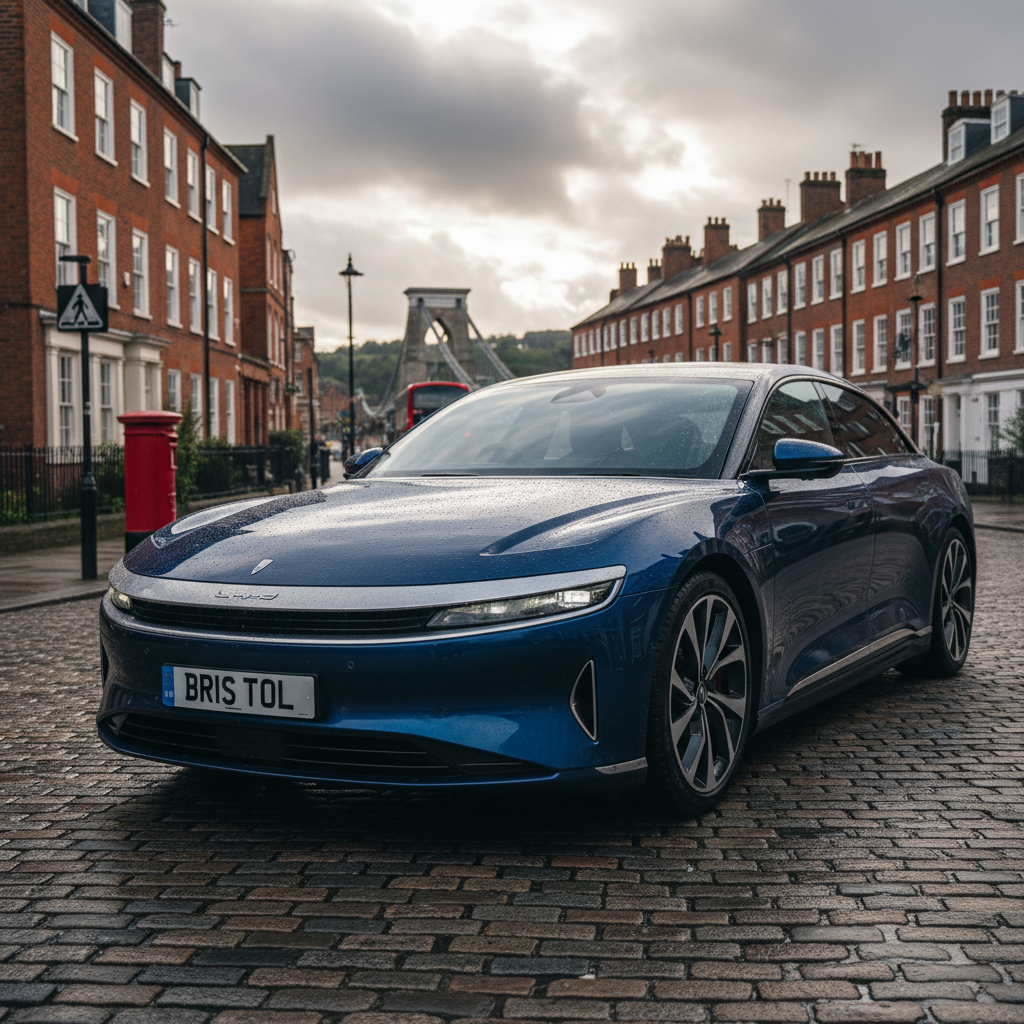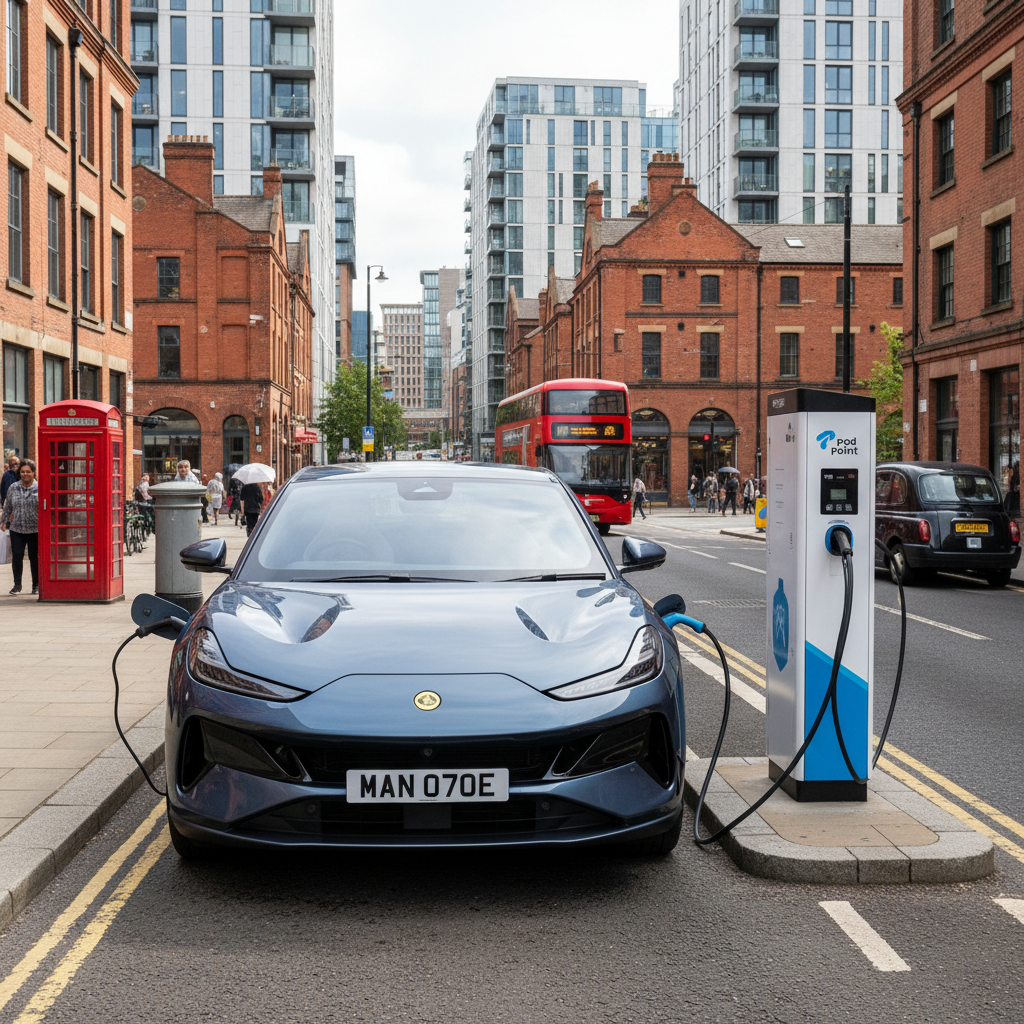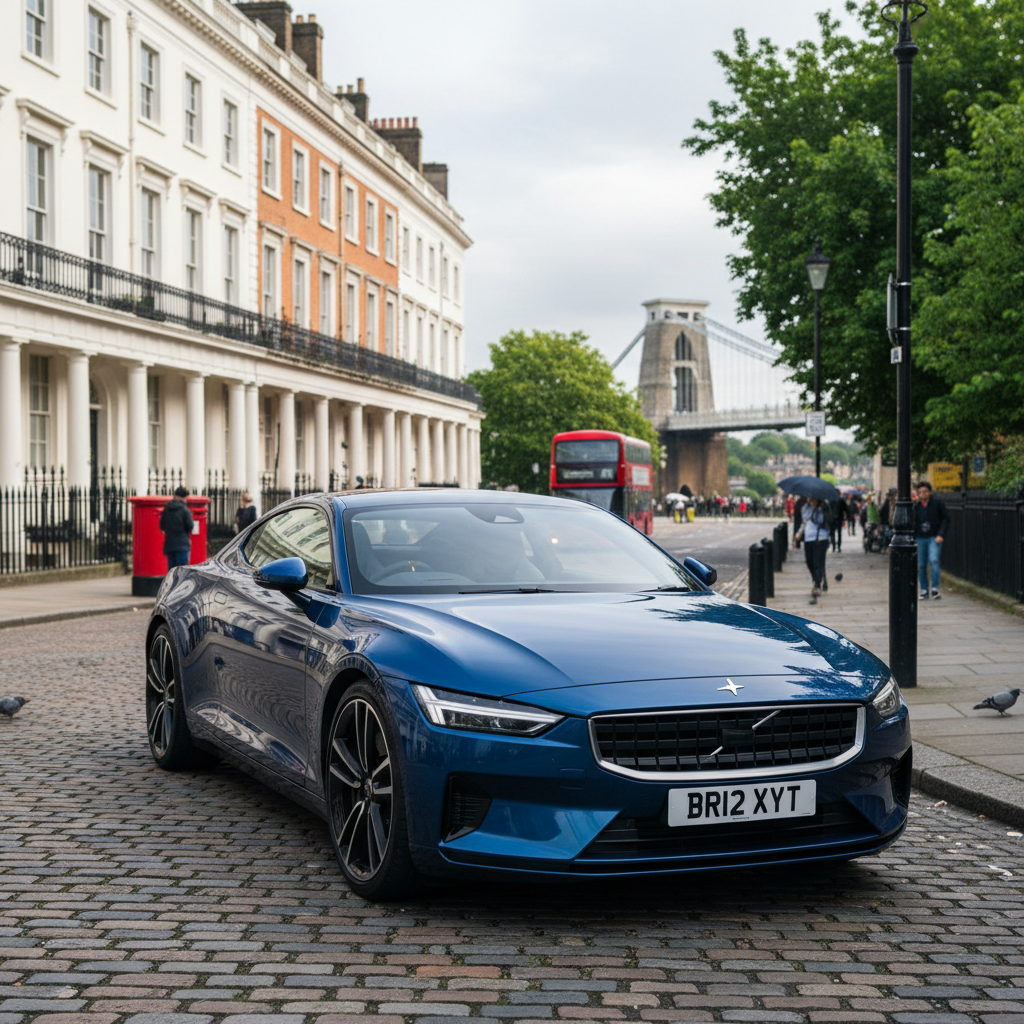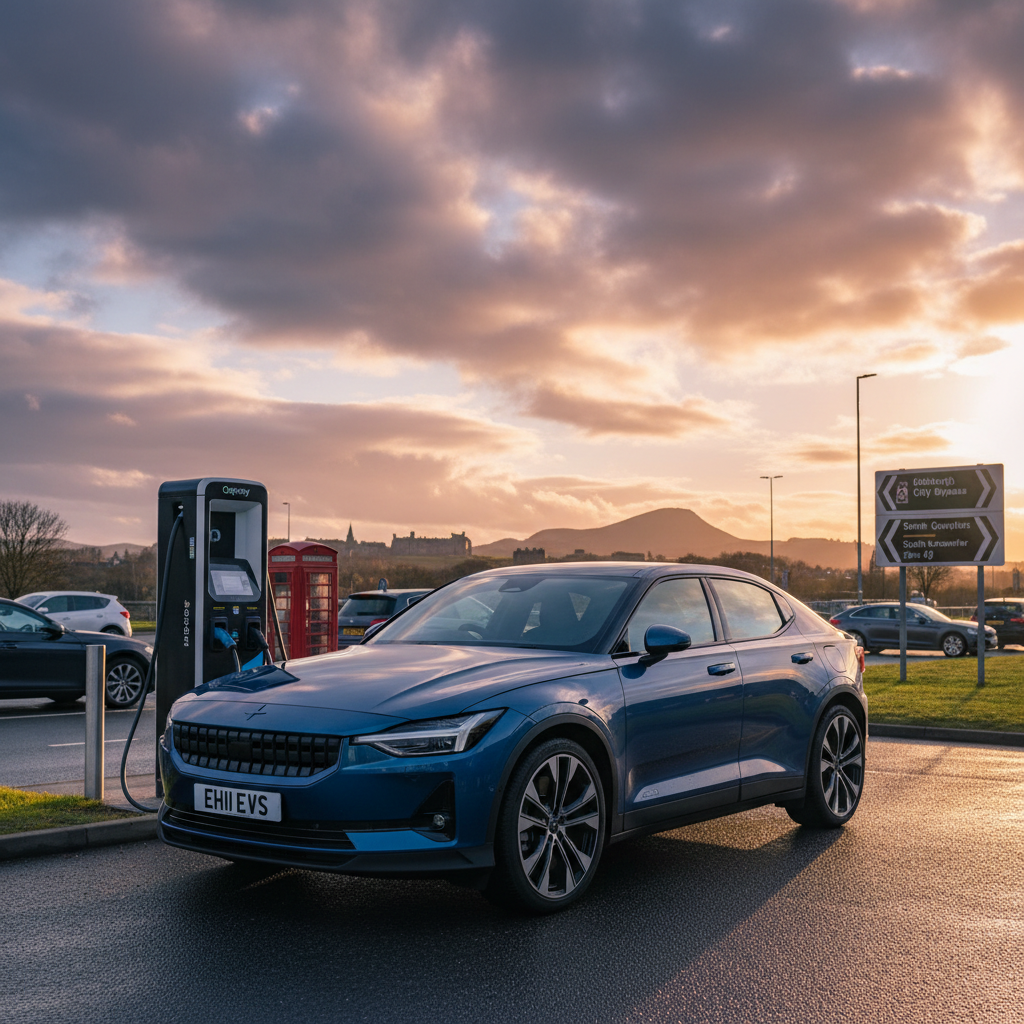


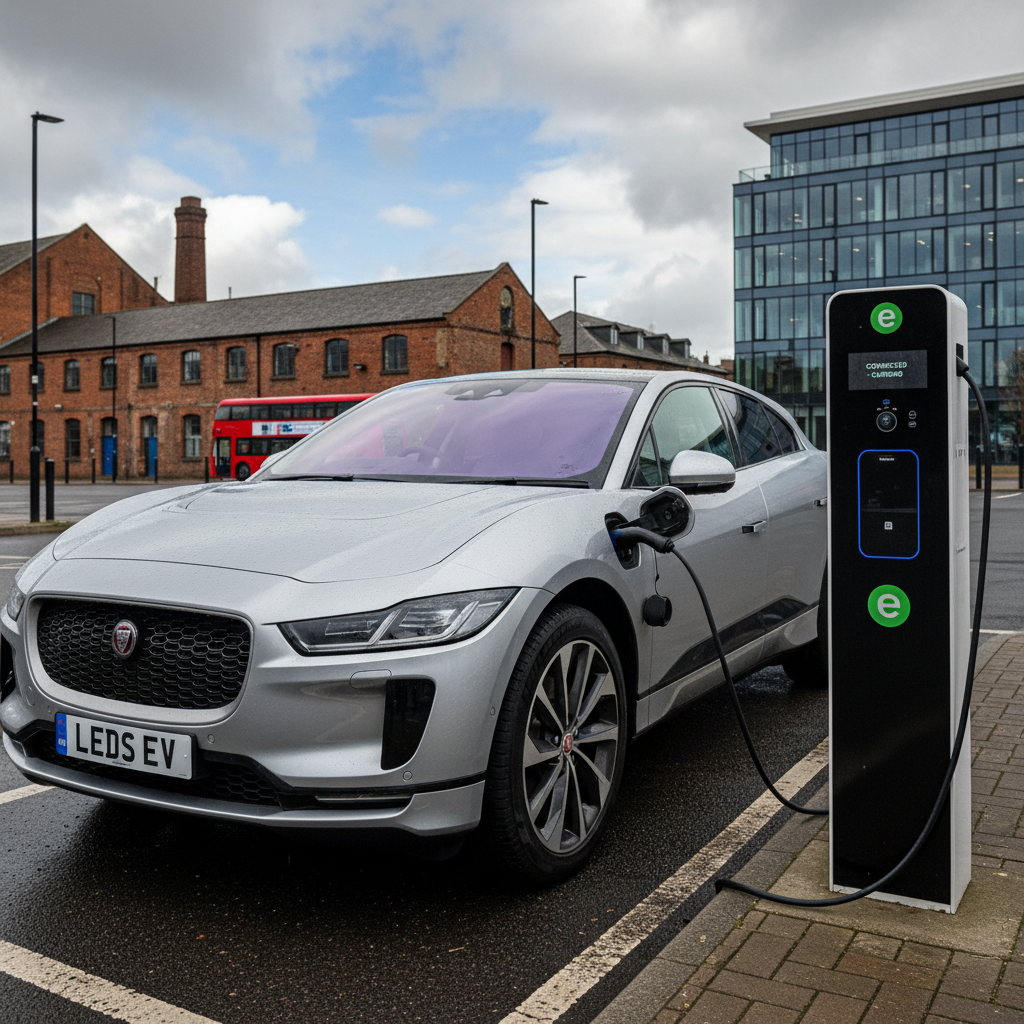
For years, the electric car narrative has been trapped in a loop of extreme headlines. We have had hyper-futuristic spaceships with eye-watering price tags on one hand, and weird autonomous pods on the other. But look past the flashy concepts. A quiet, far more exciting shift is happening. The electric car is finally shedding its sci-fi wrapper. It is becoming something much more useful to the everyday British motorist: a normal, dependable, highly efficient car. Thank goodness for that.
The Rise of the Pragmatic EV
Welcome to the era of EV normalisation. Instead of wasting millions trying to reinvent the wheel, carmakers are finally focusing on actual, everyday usability. Take the 2026 Subaru Solterra. As reviewed by Ars Technica, this zero-emission SUV completely skips the avant-garde silliness of some EV start-ups. Instead, you get a familiar, rugged package that “doesn't feel very agricultural.” It is a sensible machine built for actual families. For my money, a family SUV shouldn't require you to learn a whole new language just to turn the radio up.
Behind the scenes, engineering is moving at a staggering pace to pull these prices down. According to reports from Ars Technica on General Motors' development processes, carmakers now use AI and machine learning to slash crash and aerodynamic simulation times from 15 hours to a single minute. This kind of supercharged virtual testing means vehicles are designed, safety-tested, and sent to showrooms far quicker. Best of all, it cuts development costs. That is a saving that should, in theory, pass straight to your driveway.
Solving the Infrastructure Puzzle Locally
Thinking about making the switch? Your biggest worry likely isn't the touchscreen. It is the charging situation. Motorway ultra-rapid hubs are popping up quickly, but the real battle for easy EV ownership is won or lost in our local residential streets.
This is where local investment has to step up. As reported by EV Infrastructure News, charging provider EZO (formerly EasyGo) has bagged a massive £176 million, 15-year contract to build and run EV-charging infrastructure across four Midlands local councils. That's spot on. This sort of long-term commitment is exactly what we need to build driver confidence. Crucially, it means those without a driveway aren't left stranded on the wrong side of the electric divide.
British charging networks are also finding clever ways to keep running costs stable. According to GB News, charging heavyweight InstaVolt has committed £2.5 million to invest in battery energy storage systems (BESS), with dozens more on the cards. By using huge on-site batteries to store power when grid demand is low, they can shield drivers from peak-time price spikes. I reckon this is the only way we will ever stop rapid electricity costs feeling like a lottery.
Performance Meets Hybrid Pragmatism
Obviously, this transition won't happen overnight. Hybrids are still a vital stepping stone. For those who want proper performance without the environmental guilt, manufacturers are building some properly clever kit. Look at Audi. They have just introduced the 2027 Audi RS5 PHEV. Detailed by Ars Technica, this performance plug-in hybrid uses a clever electric torque-vectoring rear differential. Combining a traditional petrol engine with electric smarts gives it a split personality: zero-emission silence for the school run, and unrestricted range for those longer weekend blasts. It is a bit of a faff keeping them plugged in, but the real-world flexibility is hard to argue with.
From high-performance plug-ins and sensible family runarounds to massive regional charging network rollouts, the pieces of the puzzle are coming together. Electric motoring is finally becoming a realistic choice for the masses, not just the early adopters.
Key Takeaways for Future EV Buyers
- Local Infrastructure Boom: Projects such as the £176m Midlands scheme mean reliable public chargers are actually coming to local streets, making electric life viable if you do not have a driveway.
- Sensible Designs: No-nonsense, affordable electric cars are ditching annoying tech gimmicks for familiar, user-friendly cabins.
- Battery-Backed Chargers: Introducing battery storage systems (BESS) to public charging sites will help keep prices stable and shield drivers from peak grid spikes.
- Smarter Engineering: Super-fast virtual testing processes allow carmakers to build safer, more efficient vehicles in a fraction of the time.
The Verdict
The real future of motoring is not about silly cabin gimmicks. It is about cars that just fit into your life. With the average range of new family EVs sitting comfortably around the 300-mile mark, as reported by the Grantham Institute, range anxiety is becoming a thing of the past. If local charging networks keep expanding and carmakers keep their feet on the ground with sensible designs, swapping the petrol pump for a plug has never made more sense.