

When you think of Formula 1, 'sustainable' might not be the first word that springs to mind. But look closer, and you'll see the cutting edge of automotive engineering, a crucible of innovation where efficiency and performance collide. What starts on the track, whether it's F1's complex hybrid power units or the brutal power delivery of a Porsche EV, often finds its way into the vehicles we drive every day. And that, for us green motoring enthusiasts, is thrilling news.
The High-Performance Hybrid: A Practical Powerhouse
Take the 2027 Audi RS5, for instance. It's a performance Plug-in Hybrid Electric Vehicle (PHEV) that, as Ars Technica highlights, boasts an "entirely new electric torque-vectoring rear differential". This isn't just about going fast; it's about intelligent power distribution, efficiency, and a driving experience that can adapt – offering both exhilarating performance and eco-conscious cruising. Audi's CEO, Gernot Döllner, speaking to Ars Technica, is clearly steering the brand towards a future where performance and electrification are inextricably linked, even hinting at a new R8 supercar, potentially with an EV heart.
This evolving understanding of PHEVs is critical. Recent data, as reported by Ars Technica, suggests that "plug-in hybrids get plugged in more than you might think." This challenges some of the earlier scepticism about PHEV charging habits and reinforces their role as a crucial stepping stone to full electrification, bringing benefits of lower emissions and reduced fuel costs to drivers who might not yet be ready for a pure EV. The balance between battery and combustion engine in these performance hybrids, often delivering impressive miles per kWh for the electric component, is a testament to sophisticated engineering.
EV Supercars: Redefining Performance and Efficiency
Then we have the pure electric beasts. Porsche's most powerful car, an electric Cayenne Coupe, leverages Formula E tech to deliver a staggering 1,139 horsepower and ultra-fast 400 kW charging, as noted by Ars Technica. And let's not forget the Mercedes-AMG GT 4-Door, which is "leaving the V8 in the past" with an all-electric powertrain achieving impressive 0-60 times and even more impressive miles/kWh figures, according to Ars Technica. Even Ferrari is joining the fray with its first-ever EV, the Luce – a potentially "controversial" move, yet one that signals the undeniable shift towards electric power in the supercar world, as Ars Technica reported. These innovations aren't just for the ultra-rich; the advanced battery management, motor efficiency, and charging capabilities developed for these halo vehicles inevitably trickle down to more affordable, everyday EVs.
The UK's Charging Revolution: Powering the Future
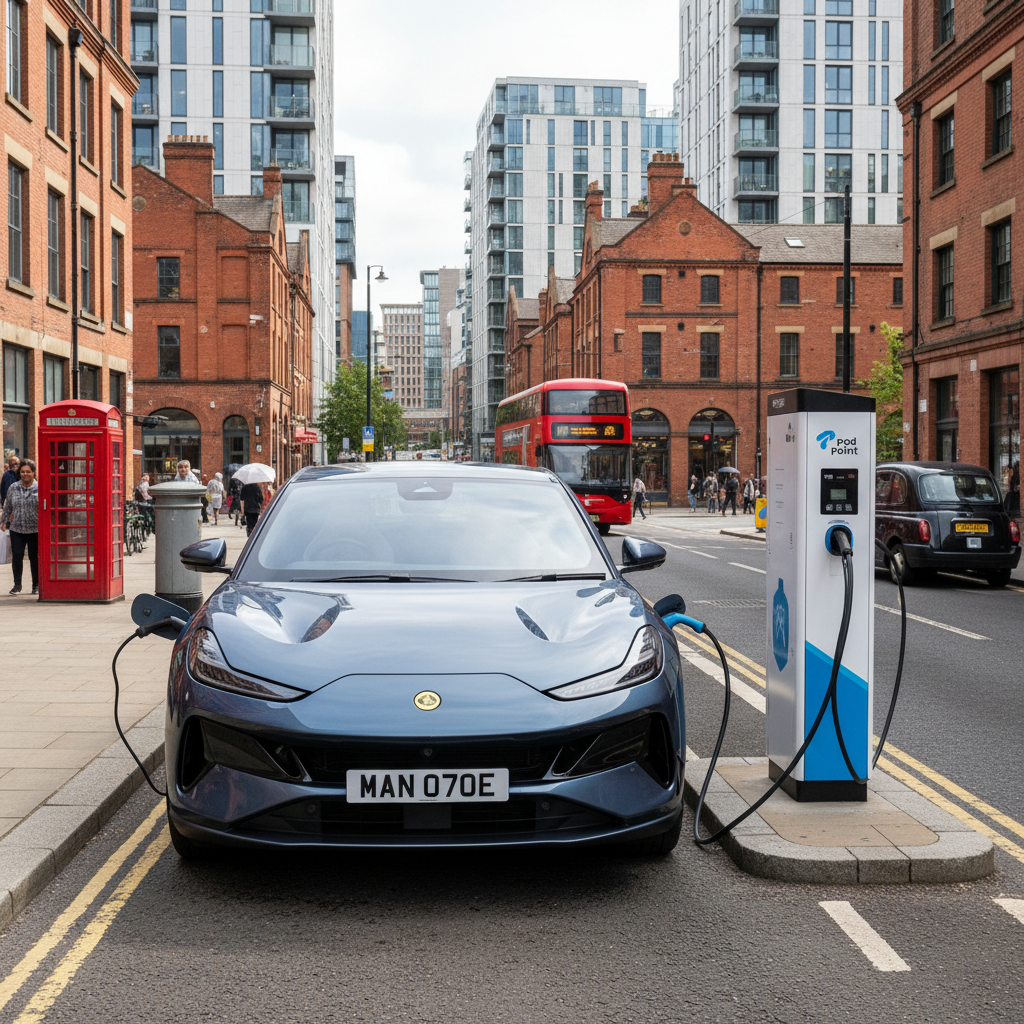
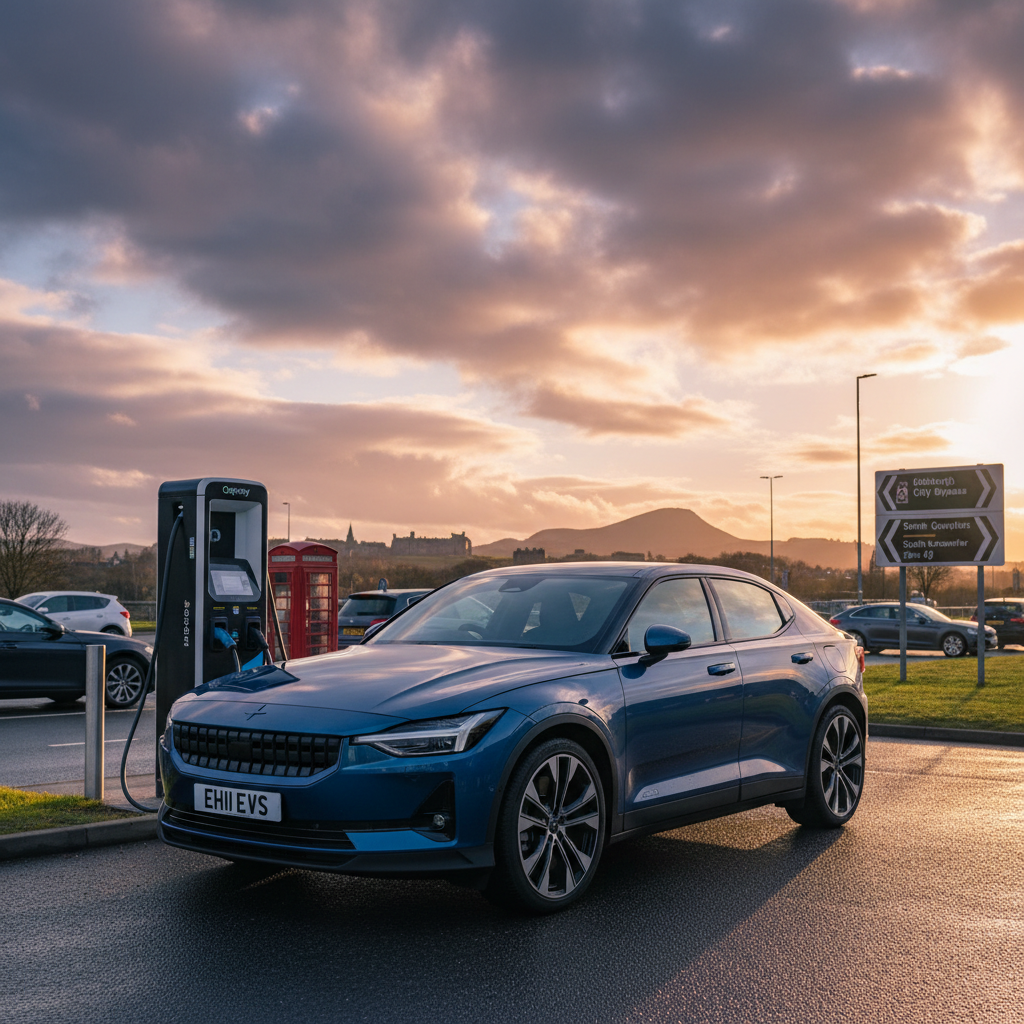
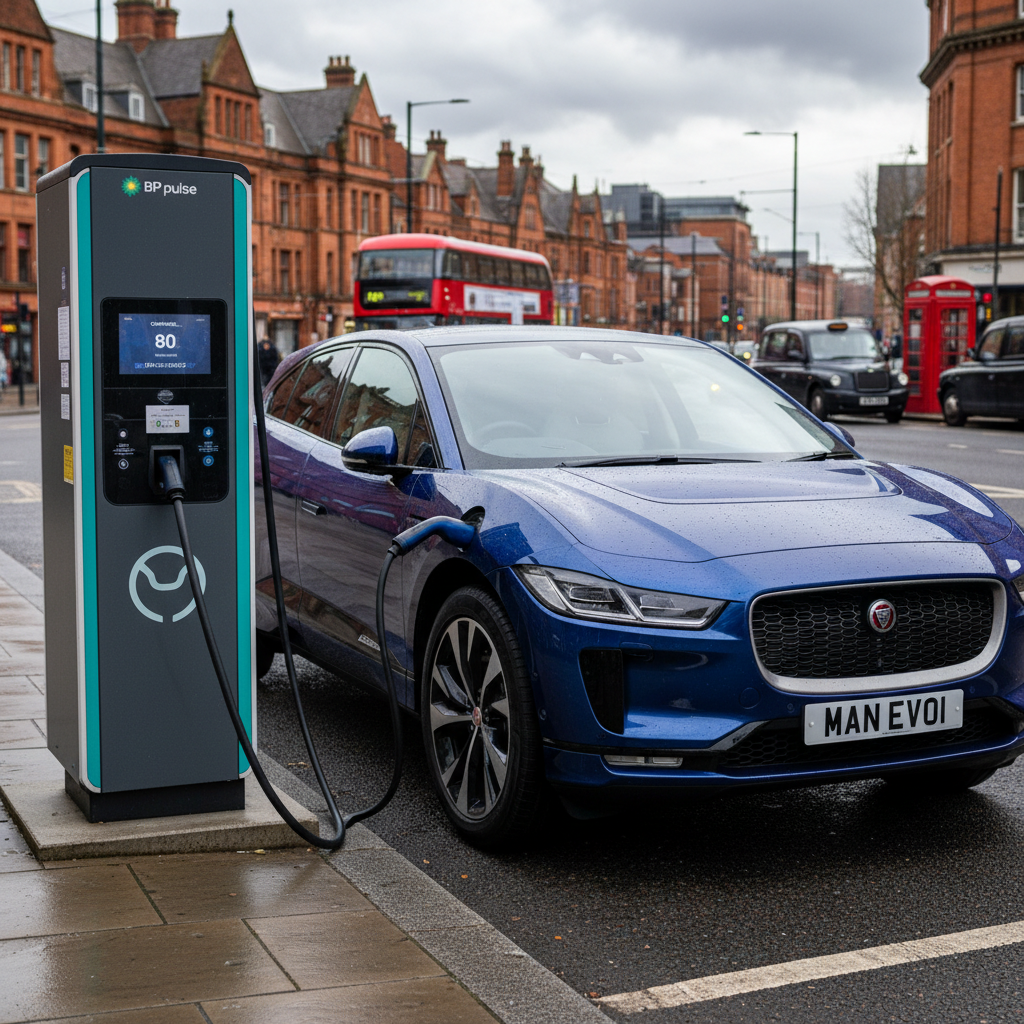
For UK drivers considering making the switch, the pace of charging infrastructure development is equally exciting. We're seeing unprecedented investment in smart, sustainable charging solutions. InstaVolt, for example, is rolling out £2.5 million into new battery energy storage systems (BESS) sites, with plans for 20 more this year, according to GB News. These BESS sites are game-changers, protecting against grid fluctuations and ensuring more reliable, potentially cheaper, power for our EVs. This kind of investment feeds into the broader picture of innovative charging solutions like Vehicle-to-Grid (V2G) and ultra-fast chargers, which are set to enhance grid efficiency and reliability, as highlighted by NextMSC.com.
The UK's commitment to charging infrastructure is clear, despite some installation slowdowns in 2025 due to grid connection delays, as EVInfrastructureNews.com noted. We're on track for over 5,000 ultra-rapid chargers nationwide by mid-2026, many offering speeds up to 500kW, capable of adding 100 miles of range in under 3 minutes, according to The Electric Car Scheme. This addresses one of the biggest hurdles for potential EV buyers: range anxiety. With average EV ranges hitting around 300 miles on WLTP tests by 2025, as Zest.uk.com reported, coupled with rapidly expanding and future-proofed charging networks, the practicality of EV ownership is soaring.
Smart Tech Beyond the Powertrain
It's not just about what's under the bonnet. Even seemingly minor innovations, like the advanced active beam headlights finally coming to America via the 2027 Audi Q9, as detailed by Ars Technica, showcase how technology is making motoring safer and more intelligent across the board. These digital matrix lights, designed to minimise glare, are another example of how cutting-edge development improves the driving experience.
Key Takeaways for the Sustainable Driver:
- Performance Inspires Practicality: Innovations from F1, high-performance PHEVs, and electric supercars are driving efficiency and power advancements in everyday EVs.
- PHEVs are Proving Their Worth: New data confirms plug-in hybrids are being used effectively, offering a viable transition to full electrification.
- Charging Infrastructure is Accelerating: Significant investments in smart, high-power charging, including battery energy storage, are making EV ownership more convenient and affordable.
- Beyond the Drivetrain: Smart lighting and connectivity innovations are making future cars safer and more intelligent.
The journey from the high-octane world of F1 and supercar development to the sustainable commute is a fascinating one. The technology being honed at the extreme ends of automotive performance is directly contributing to making our everyday EVs more powerful, more efficient, and ultimately, more practical. For future-focused drivers, this trickle-down effect signals a truly exciting era for zero-emission and eco-friendly motoring. The future isn't just electric; it's intelligently electric, and it's arriving faster than ever.