

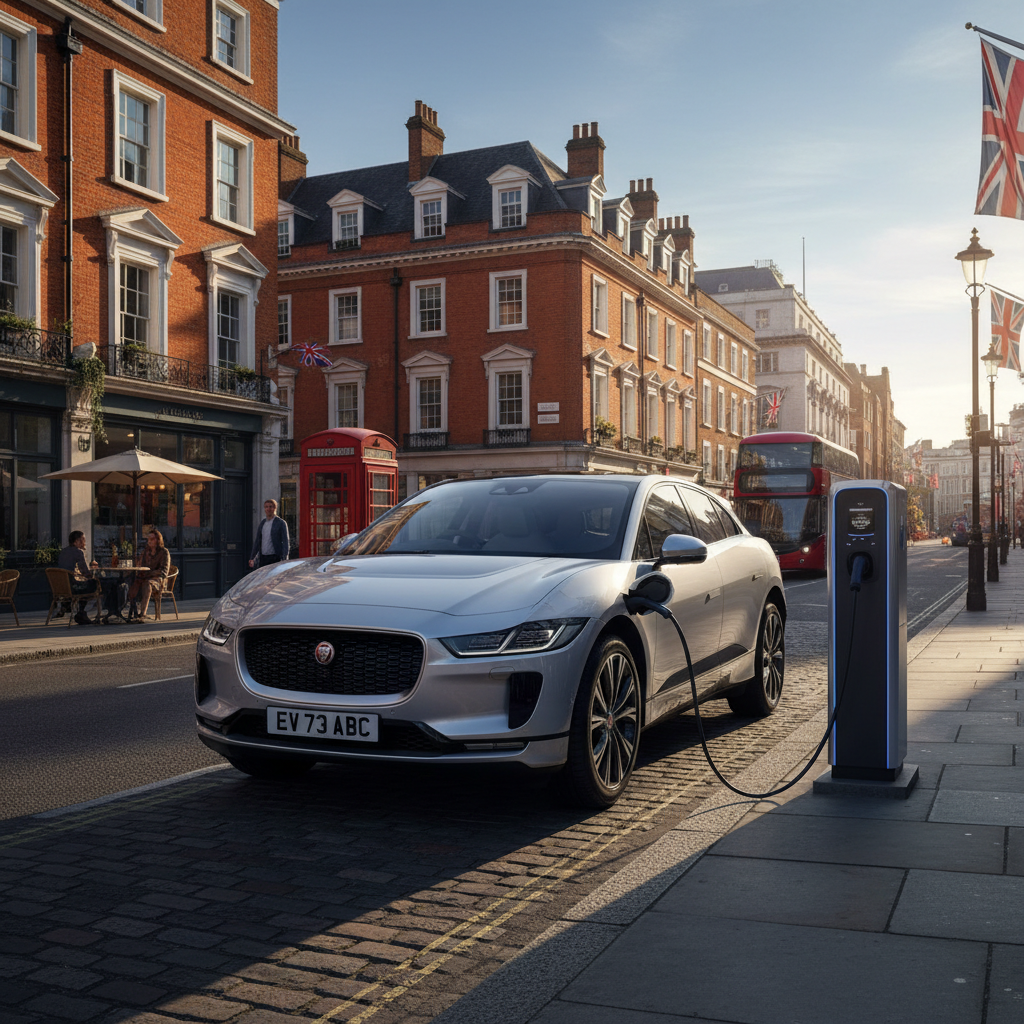
The road ahead for electric vehicles is buzzing with innovation, but it's also a complex network of advancements and real-world challenges. As an EV specialist, I'm always looking beyond the shiny new models to the underlying tech that makes it all tick – or sometimes, the tech that makes us pause. This month, we're diving into how smart charging is becoming savvier, the surprising push for automotive privacy, and a dose of reality for our autonomous ambitions.
The Smart Grid Revolution: Fuelling the Future Responsibly
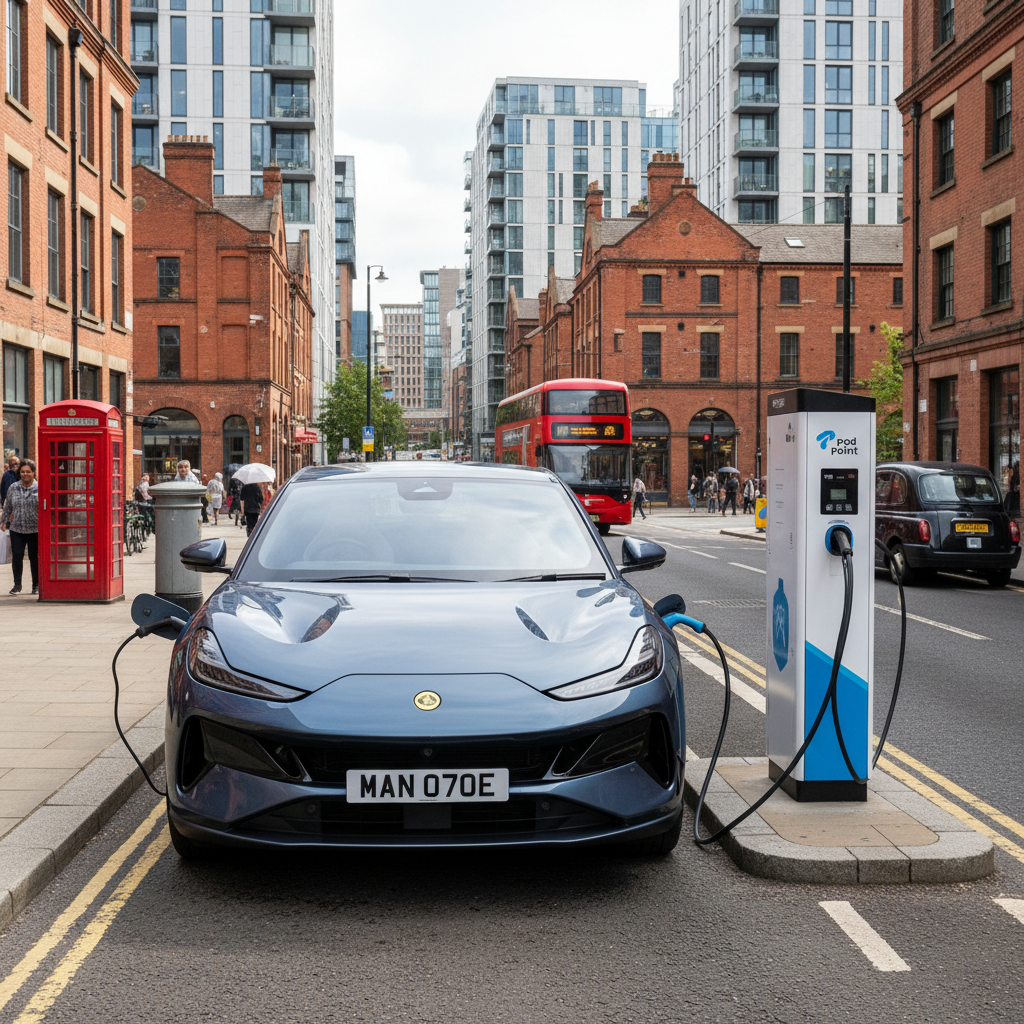
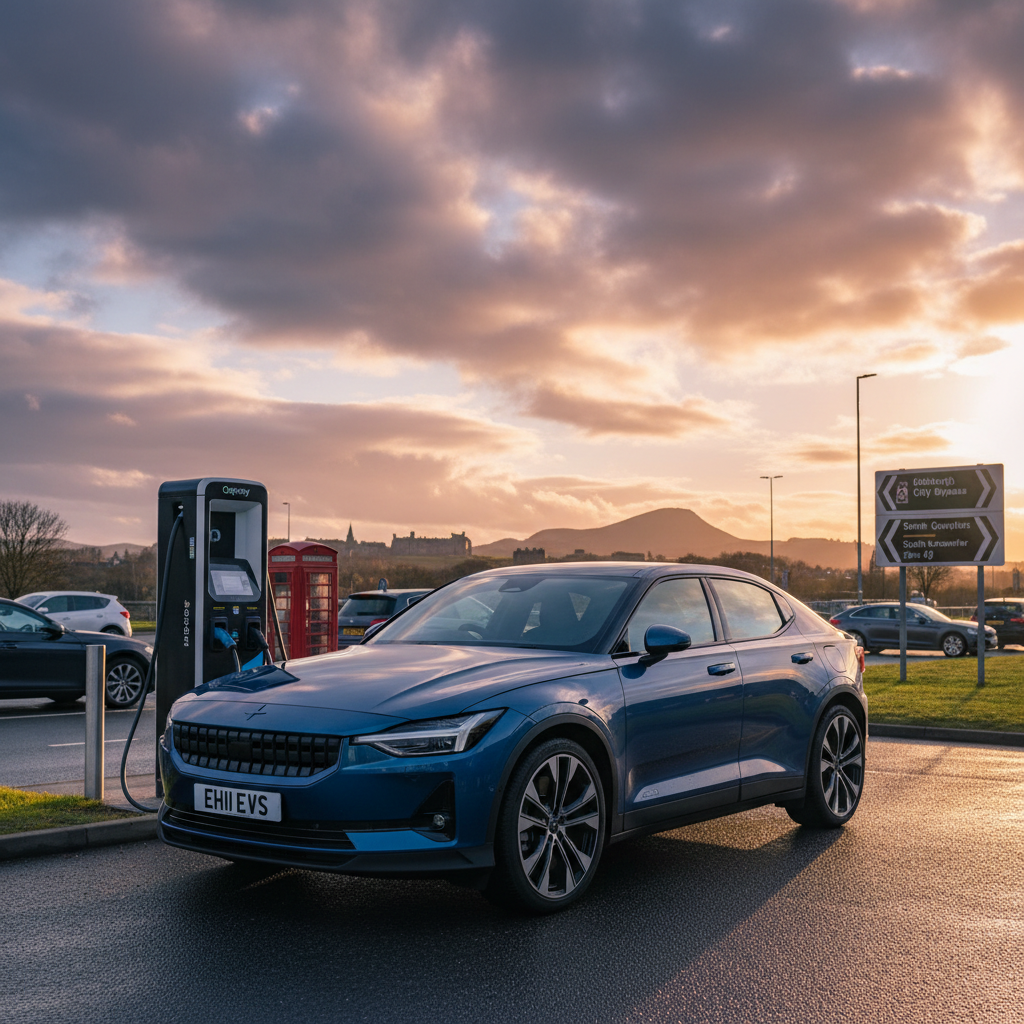
One of the most critical aspects of widespread EV adoption isn't just getting more chargers, but getting *smarter* chargers. We're seeing exciting developments in the UK that promise to make charging not only more abundant but also more efficient and cost-effective for drivers. EZO, formerly EasyGo, has secured a massive £176 million, 15-year contract to deploy and manage EV charging infrastructure across four Midlands councils. This isn't just about adding charging points; it's about building a robust, future-proof network.
And it's not just local councils stepping up. InstaVolt is investing £2.5 million into five new Battery Energy Storage Systems (BESS) sites, with plans for another 20 by year-end. These BESS installations are a game-changer. They store energy during off-peak hours when demand is low and prices are cheaper, then deploy it when EVs need a top-up. This helps protect both the company and, crucially, us drivers from fluctuating grid prices. This focus on grid stability and cost-saving through intelligent energy management, including smart charging systems, ultra-fast chargers, and Vehicle-to-Grid (V2G) solutions, is enhancing grid efficiency and reliability, positioning the UK EV charging market for sustainable and profitable growth, according to analyses.
While some reports acknowledge a slowdown in charge point installation in 2025 due to grid connection delays, the strategic investment in BESS and initiatives like the delayed Local Electric Vehicle Infrastructure (LEVI) funding for councils, expected to accelerate in 2026 and 2027, paint a positive picture for future growth. The goal is clear: to reach over 5,000 ultra-rapid chargers nationwide by mid-2026, with speeds up to 500kW at select locations, adding 100 miles of range in under 3 minutes.
Privacy on Wheels: A Refreshing Counter-Trend
In an increasingly connected world, sometimes less is more. For years, our vehicles have been transforming into data-gathering machines, often with embedded modems that track everything from driving habits to location. But an intriguing new player is challenging this norm. The Slate electric pickup, according to reports, boasts a unique selling proposition: it will never track you. It achieves this by intentionally eschewing an embedded modem, making it the antithesis of today's connected cars.
This 'privacy-by-design' approach is a refreshing counter-trend. While connected services offer conveniences like over-the-air updates and remote diagnostics, they also raise legitimate concerns about data ownership and surveillance. For drivers increasingly wary of their digital footprints, an EV that prioritizes privacy could carve out a significant niche. This isn't just about luxury brands like Ferrari making their first EV, the controversial-looking Luce, or Porsche pushing the boundaries of performance with their 1,139 horsepower electric Cayenne Coupe; it's about fundamental choices in how our vehicles interact with our lives.
AI's Role in Accelerating the Green Transition
Beyond the charging network and privacy concerns, the very process of creating EVs is undergoing a revolution thanks to Artificial Intelligence and Machine Learning. GM, for instance, is dramatically speeding up its development cycles, reducing tasks from 15 hours to just one minute. This is achieved through extensive virtualization, using computational fluid dynamics (CFD), finite element analysis (FEA), and digital twins. This isn't just about faster production; it's about more efficient, safer, and ultimately more sustainable vehicle design.
AI's ability to rapidly prototype, test, and refine components means that innovations in battery tech, aerodynamics, and structural integrity can be brought to market much quicker. This directly translates to longer ranges, better performance, and enhanced safety for the everyday driver. It's how we get cutting-edge performance PHEVs like the 2027 Audi RS5 with its entirely new electric torque-vectoring rear differential, offering a blend of eco-friendly motoring and sheer driving pleasure.
The Reality Check: Robotaxis and Traffic
While we eagerly anticipate a future filled with eco-friendly, AI-designed vehicles, it's crucial to remain realistic about emerging technologies. Robotaxis, for example, have been touted as a solution to urban congestion. However, a recent study found that Waymo's robotaxis, much like traditional ride-hailing services, don't necessarily cut traffic. In fact, they are often empty for almost half the miles they drive. This highlights that simply automating a service doesn't automatically equate to a greener, more efficient outcome. Sustainable mobility solutions require a holistic approach, considering not just the vehicle but its entire operational model.
If you're considering making the switch to an EV, rest assured that the infrastructure is rapidly evolving, and the vehicles themselves are becoming incredibly sophisticated. The average EV in 2025 achieves around 300 miles on official WLTP tests, effectively banishing range anxiety for most drivers.
Key Takeaways for the Future of Green Motoring:
- Smart Charging Expansion: Significant investment in BESS and ultra-rapid chargers will make EV fuelling faster, more reliable, and potentially cheaper.
- Vehicle Privacy Movement: A new wave of EVs are emerging, offering privacy-by-design for data-conscious drivers.
- AI-Driven Innovation: AI and ML are accelerating EV development, leading to more efficient and higher-performing vehicles.
- Holistic Sustainability: While impressive, technologies like robotaxis require careful implementation to truly deliver on environmental promises.
The future of motoring is undeniably electric and increasingly intelligent. From the strategic rollout of grid-smart charging infrastructure that promises to make our journeys smoother and more sustainable, to the unexpected push for privacy in our digital cars, and the silent, powerful impact of AI on vehicle development, it's an exciting time to be an EV enthusiast. The goal remains clear: accessible, eco-friendly, and future-proof mobility for everyone.