

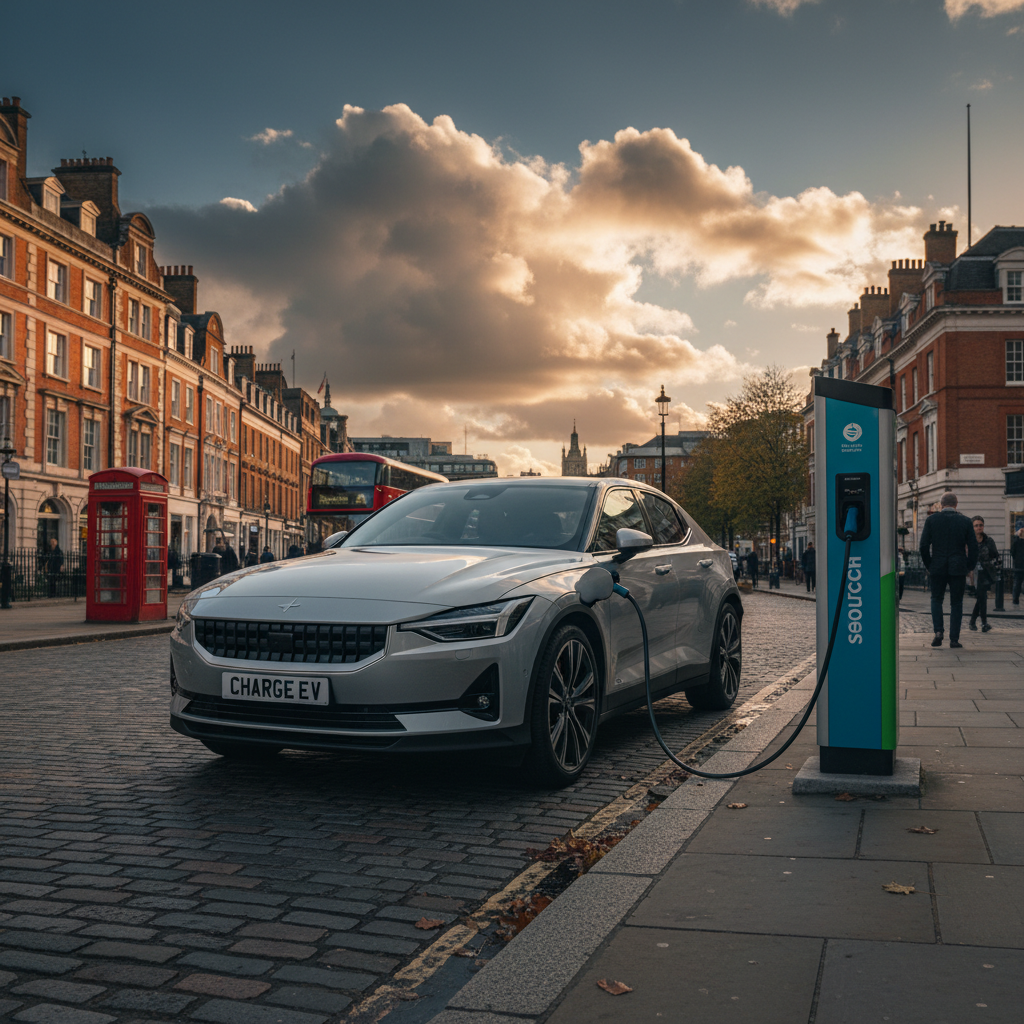
While politicians on both sides of the Atlantic squabble over trade borders, something far more interesting is happening. Yes, we have Michigan lawmakers trying to ban Chinese-badged cars from even setting foot on US soil, as reported by Ars Technica. But away from the political grandstanding, a quiet, grassroots shift is gaining ground. It is driven not by government posturing, but by the rapid maturity of sensible, mid-market electric cars and the decentralised energy networks built to power them.
For years, EV buyers suffered a miserable choice. You either mortgaged your house for an eye-wateringly expensive luxury barge, or you accepted the compromised range of a tiny urban runabout. For my money, that compromise is finally dead. We are entering an era where proper, usable technology is actually affordable, reliable, and woven into our local communities. Power is shifting back to the ordinary driver. Where it belongs.
The Arrival of Realistic Mid-Market Contenders
The motoring landscape is changing fast. Take the highly anticipated Rivian R2. According to a first drive by Ars Technica, this sub-$60,000 (roughly £47,000) SUV is a seriously impressive bit of kit. It packs premium practicality, rugged styling, and proper engineering into a price bracket that might actually fit a family budget. It proves carmakers do not need to strip out all character to sell a mainstream electric car.
At the same time, the old-guard brands are keeping the pressure on with sensible family transport. To be fair, even badge-engineered efforts like the Subaru Solterra, as noted by Ars Technica, show how manufacturers are securing ground in the all-wheel-drive market. These cars offer decent, zero-emission off-road capability for families who still want to get muddy on the weekend.
With the average EV in 2025 delivering a claimed 300 miles on official WLTP tests, according to data from Zest, the hardware has grown up. The question is no longer whether an electric car can handle the school run and the weekly shop. It is about how quickly and cheaply we can top them up.
Decentralising the Grid: Power to the Provinces
This crop of sensible, mid-priced cars needs a grid to match. Thankfully, a massive, localised infrastructure push is underway. We are finally moving away from our total reliance on the national grid towards a smarter, decentralised system.
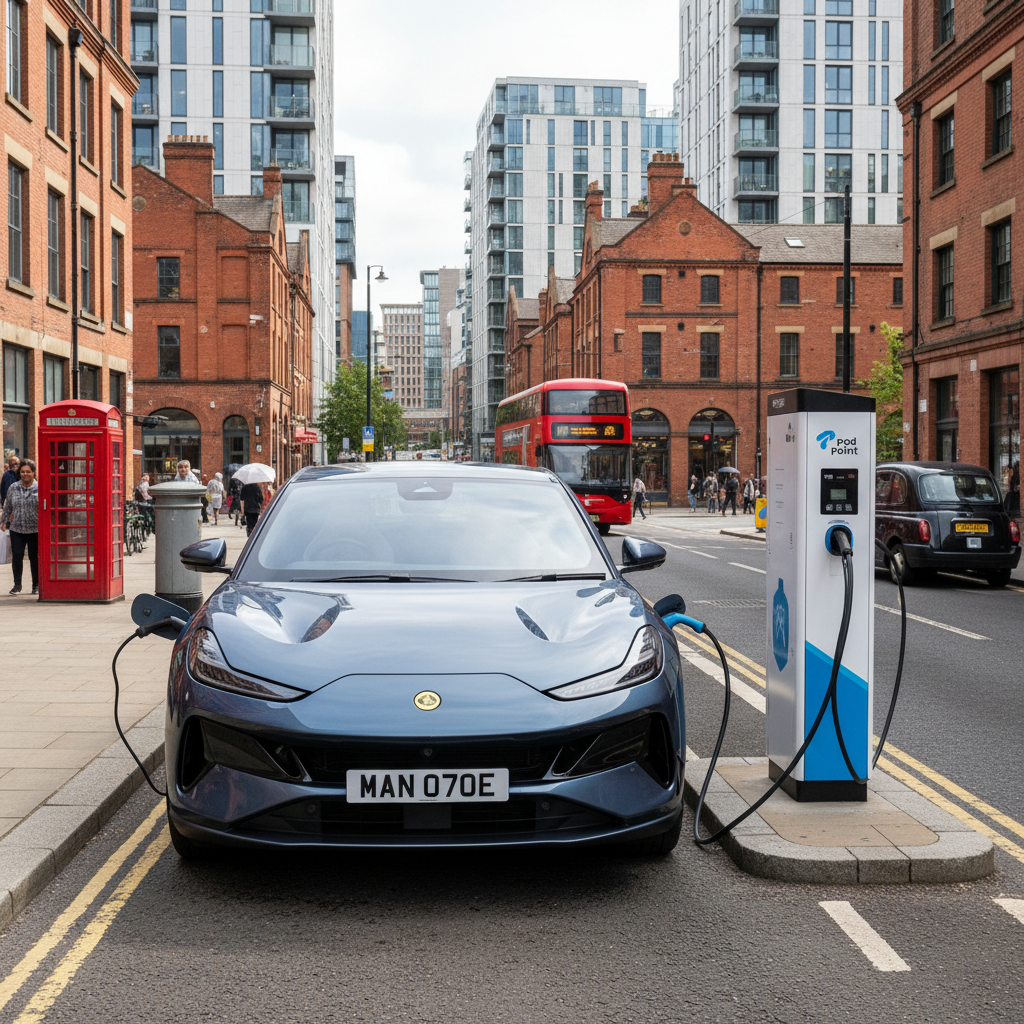
You can see this happening across the UK right now. As reported by EV Infrastructure News, charging provider EZO (formerly EasyGo) has bagged a massive £176 million, 15-year contract to manage chargers across four councils in the Midlands. This regional approach guarantees that fast chargers do not just crop up on motorway service stations, but land in the towns and villages where people actually live.
But planting chargers everywhere risks blowing a fuse on the local substation. To prevent that, networks are planting big batteries next to their plugs. According to GB News, InstaVolt is spending £2.5 million on five new battery energy storage systems (BESS), with another 20 coming before the year is out. These massive battery buffers charge up when demand is low and dump that power into cars during peak hours. In my book, it is the only sensible way to protect drivers from surging electricity prices.
The Circular Battery Economy
What makes this localised grid concept so clever is its loop of recycling. Instead of letting old car batteries pile up in industrial yards, engineers are giving them a useful second life. For example, Ars Technica recently highlighted how old Waymo robotaxi batteries are working as grid backup storage in California and Texas.
It makes brilliant sense. While a battery might lose the top-tier performance required to power a self-driving taxi, it still has plenty of life left for stationary storage. These second-life packs soak up excess wind and solar power, stabilising local grids and keeping chargers green even on a dull, windless Tuesday in November.
Mixing local solar generation with battery buffers is already slashing wait times at the plug. According to Sustainability Magazine, solar-boosted hubs running 350kW chargers can now add 200 miles of range in just 20 minutes. Keep your eyes on the horizon, too. Predictions from The Electric Car Scheme suggest certain UK locations will soon get 500kW ultra-rapid chargers. That means adding 100 miles of range in less time than it takes to buy a lukewarm petrol-station pasty.
What This Means for the Everyday Driver
If you are still sitting on the fence about going electric, this shifting landscape should give you some reassurance. The old roadblocks—steep pricing, lack of local chargers, and grid anxiety—are crumbling fast.
You no longer have to choose between a rich man's plaything and an impractically small city runabout. For my money, the sweet spot is finally here: capable, mid-priced family hatchbacks and SUVs backed by a smart, regional charging network. By generating power locally and recycling old batteries, we can make sure the juice in your car is clean, stable, and reasonably priced.
Key Takeaways for Future EV Buyers
- The Mid-Market Boom: Smart, capable cars like the Rivian R2 are opening up the market, bringing decent tech down to sensible family price points.
- Regional Power: Huge investments at a local level, such as EZO’s £176m Midlands deal, mean charging stations are going exactly where everyday motorists need them.
- Batteries Get a Second Life: Giving old commercial vehicle batteries a second job on the grid cuts down waste and keeps regional networks running smoothly.
- Ultra-Fast Top-ups: Combining battery buffers with high-power chargers is pushing speeds past 350kW, making the sheer dread of running out of juice a thing of the past.
The Verdict
The future of electric driving relies on matching honest, mid-priced cars with a smart, localised power grid. By recycling batteries and cleaning up local infrastructure, we are quietly building a system that actually works. That is not just good news for the planet. It is a massive win for British drivers, offering a sensible, convenient, and affordable way to keep moving. This pragmatic approach to EV adoption, combined with the quiet revolution powering our EV future, is truly putting range anxiety to rest. Moreover, this evolution shows how EV tech is redefining sustainable motoring, paving the way for a greener and more efficient transportation system.