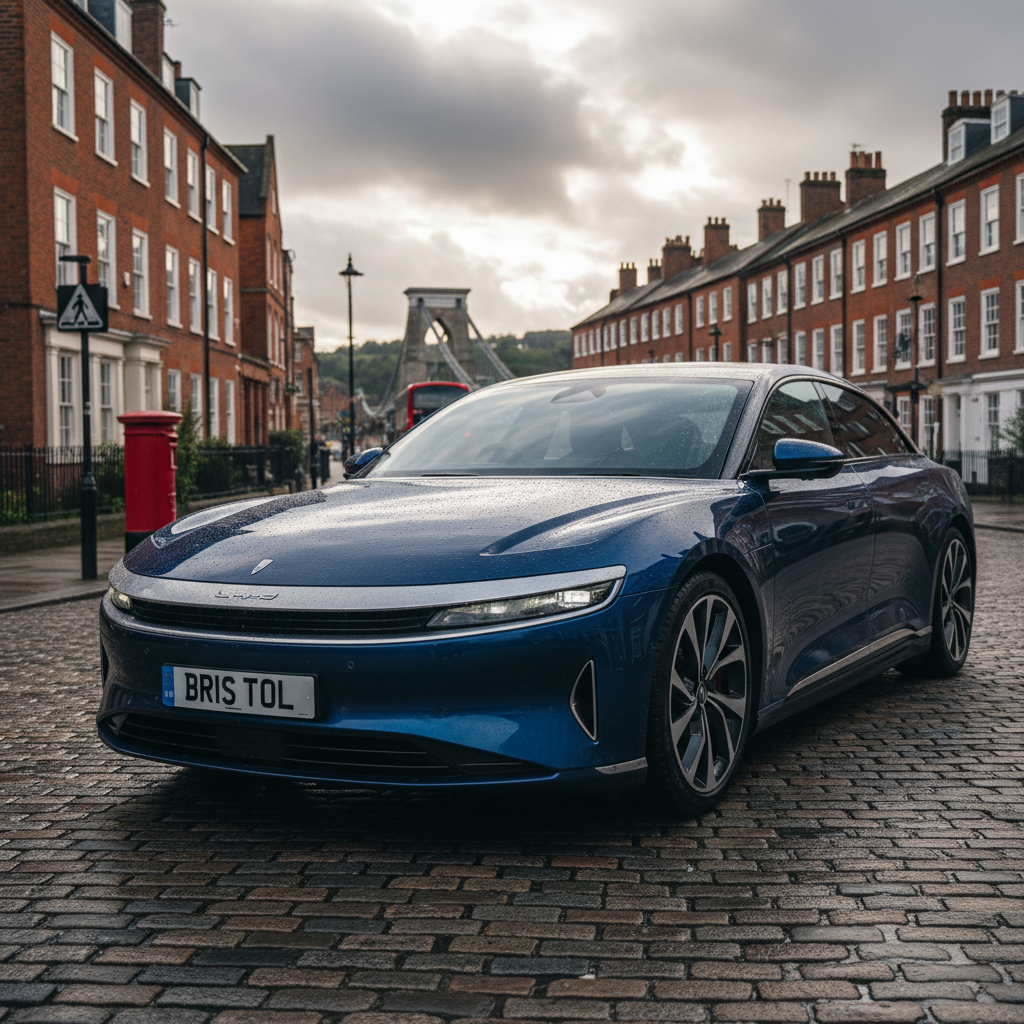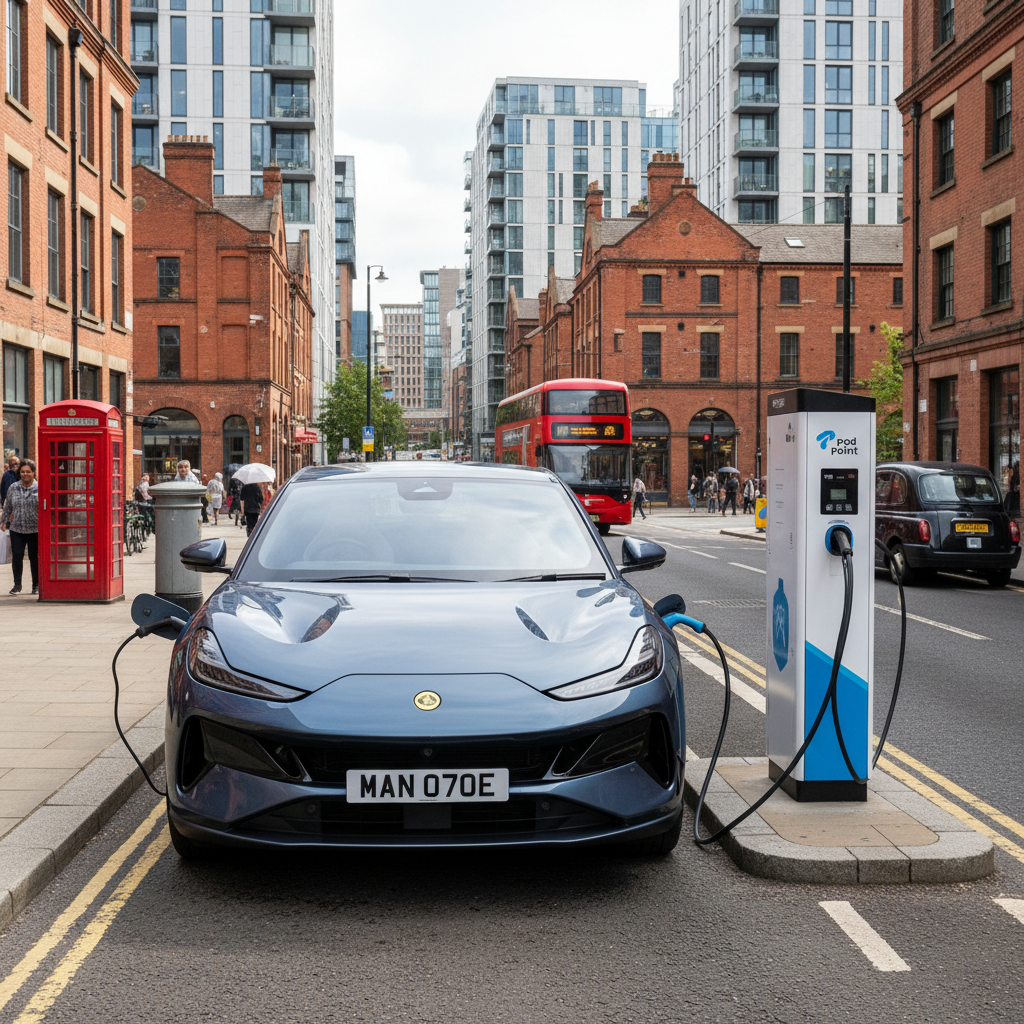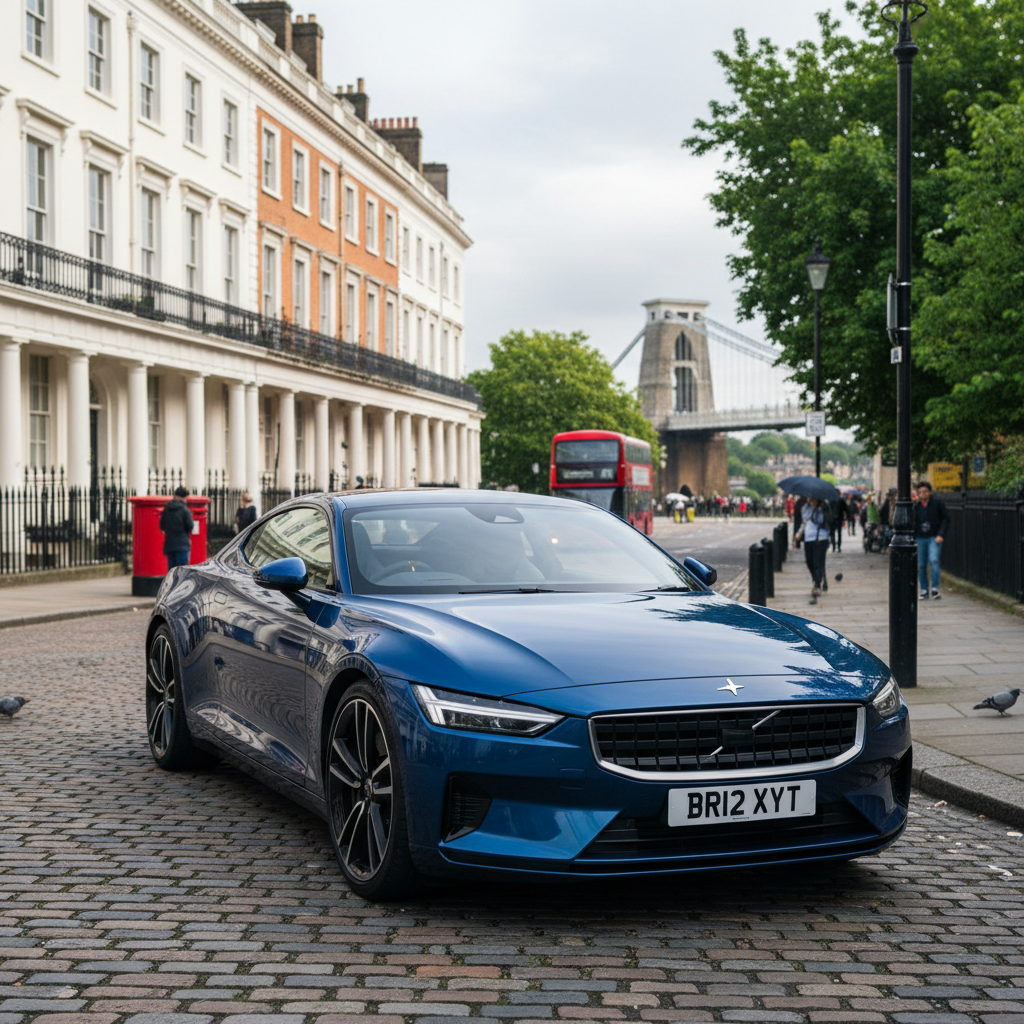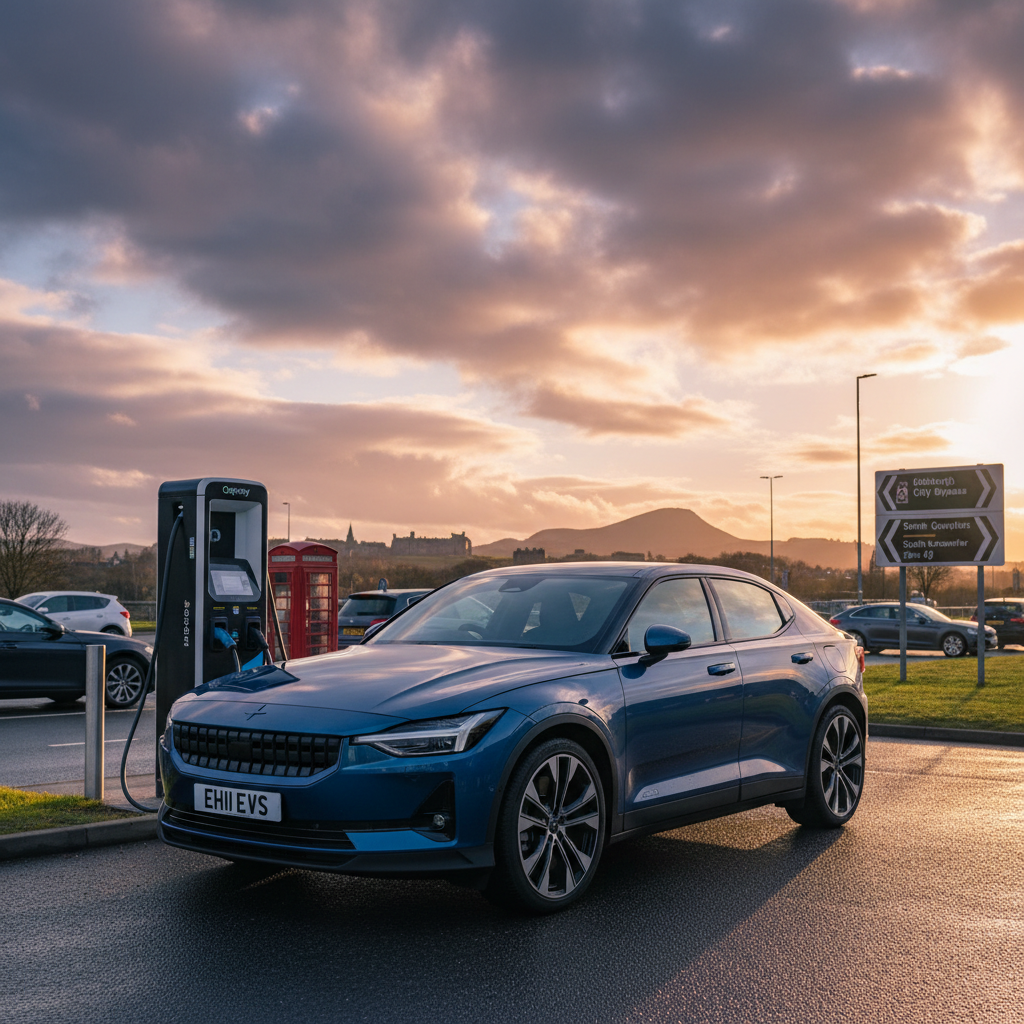



We're living in a fascinating era for motoring. Gone are the days when 'electric car' conjured images of glorified golf carts. Today, we're talking about sophisticated machines, a burgeoning infrastructure, and an undeniable shift towards a sustainable future. But it's not just about what's rolling on the tarmac; it's about the entire ecosystem – from how we power our homes to how we manufacture our vehicles.
The Power Grid's Secret Weapon: Second-Life Batteries
One of the most exciting developments often flies under the radar: the ingenious repurposing of electric vehicle batteries. When an EV battery reaches the end of its life in a car – typically after a decade or so, when its capacity for vehicle propulsion drops below 80% – it's far from useless. In fact, these 'second-life' batteries are proving to be invaluable for energy storage, particularly for stabilising national grids. We're seeing this play out in California and Texas, where used Waymo robotaxi batteries are being deployed to bolster energy storage projects. This isn't just a clever recycling scheme; it's a critical component of a future-proof energy system, turning what was once waste into a vital resource for grid resilience and integrating more renewable energy sources. It's a prime example of the circular economy in action, extending the utility of these complex battery packs and further reducing the environmental footprint of EVs. For more insights into how smart storage is vital for the EV future, read our article on unlocking the grid.
Charging Ahead: UK Infrastructure's Rapid Evolution
For many potential EV buyers, range anxiety and charging availability remain top concerns. However, the UK's charging infrastructure is undergoing a significant transformation. We're well beyond the early days, with substantial investment pouring into the network. News from the Midlands, for instance, highlights a massive £176 million, 15-year contract awarded to EZO (formerly EasyGo) to develop and manage EV charging infrastructure across four councils. This kind of regional investment is precisely what's needed to densify the network and make charging seamless for everyday drivers.
Beyond geographical expansion, we're seeing huge leaps in charging speed and reliability. InstaVolt, for example, is investing £2.5 million into battery energy storage systems (BESS) at its charging sites. These BESS setups are game-changers, protecting against grid fluctuations and ensuring consistent, high-power charging, even in areas with weaker grid connections. We're also approaching a tipping point where ultra-rapid chargers, capable of adding 100 miles of range in under three minutes, will become increasingly common. Sources suggest we could see over 5,000 ultra-rapid chargers nationwide by mid-2026, with charging speeds reaching an astonishing 500kW at select locations. This rapid evolution in charging technology and infrastructure is quickly eroding the practical barriers to EV adoption. Explore more on how next-gen charging is redefining the EV experience.
Performance Meets Sustainability: The Evolving EV Lineup
The innovation isn't confined to infrastructure; it's deeply embedded in the vehicles themselves. Take Audi, a brand traditionally synonymous with high-performance internal combustion engines, now pushing the boundaries of electrified performance. Their new mid-engined plug-in hybrid V8 Nuvolari, previewed by the Temerario, signals a bold direction, marrying exhilarating power with hybrid efficiency. Similarly, the 2027 Audi RS5 PHEV showcases a 'split personality' – a performance hybrid with an entirely new electric torque-vectoring rear differential, demonstrating how electrification can enhance, not diminish, driving dynamics. These aren't just eco-friendly options; they're cutting-edge performance machines that happen to be sustainable. For an in-depth look at how performance tech is transforming everyday EVs, see our report on how performance tech is supercharging everyday EVs.
On the more utilitarian side, the 2026 Subaru Solterra is cementing its place in the market. While a badge-engineered SUV (sharing its platform with Toyota's bZ4X), it demonstrates the growing breadth of EV options available, appealing to a wider audience looking for practical, eco-conscious motoring. And for those who value privacy above all else, the new Slate electric pickup offers a refreshing counter-narrative, promising zero tracking with no embedded modem – a stark contrast to today's increasingly connected vehicles. This diversity in the EV market means there truly is an electric vehicle for everyone now, addressing different priorities from performance to privacy.
AI's Invisible Hand in EV Development
Behind the scenes, artificial intelligence and machine learning are dramatically accelerating vehicle development. General Motors' use of AI/ML is slashing development times from 15 hours to just one minute for complex simulations like Computational Fluid Dynamics (CFD) and Finite Element Analysis (FEA). This leap in virtualisation, using digital twins, means faster, more efficient, and ultimately safer and better-designed EVs. This hidden revolution is a testament to how tech is future-proofing the automotive industry and contributing to greener, more efficient vehicles without us even seeing it. Learn more about how AI and smart tech are forging our electric motoring future.
The Bigger Picture: Practicality and Progress
If you're considering making the switch to an electric vehicle, the landscape has never been more favourable. Average EV ranges are now approaching 300 miles on a single charge (WLTP), largely thanks to innovations in battery energy density. While concerns about traffic congestion from robotaxis (which studies show can spend nearly half their mileage empty) remind us that technological solutions need careful implementation, the overall trend for personal EVs is overwhelmingly positive. The UK government's relaxation of some ZEV mandate rules in April 2025 also indicates a responsive approach to market realities, ensuring a smoother transition.
Key Takeaways
- Second-Life Batteries: Used EV batteries are tackling grid stability, turning waste into vital energy storage assets.
- Charging Infrastructure Boom: Multi-million-pound investments and ultra-fast chargers are rapidly expanding and improving the UK's network.
- Performance & Practicality: From hybrid supercars to everyday SUVs, the EV market offers diverse and compelling options.
- AI-Driven Innovation: AI and machine learning are dramatically accelerating EV design and development, leading to better vehicles.
- Enhanced Privacy Options: New entrants like Slate are offering vehicles with a 'privacy-first' approach, catering to varied consumer needs.
The journey to fully sustainable motoring is complex, but the pace of innovation is undeniable. From the repurposing of old batteries to the cutting-edge performance of new hybrids, and the relentless expansion of charging infrastructure, the ecosystem is strengthening daily. The future of motoring is not just electric; it's smarter, more efficient, and increasingly integrated with our wider energy landscape. The quiet revolution is well and truly underway, promising not just zero-emission drives, but a more sustainable way of life. For a deeper dive into the challenges and triumphs of this new era, explore our article on powering tomorrow's roads and grids with EV innovation.